From coal carriers to combat giants: Which were the world’s first 6 aircraft carriers and how were they built?

The idea that aircraft could take off from and land on ships was initially dismissed as impractical. Yet, within a few years, several nations began experimenting by converting existing vessels, from coal carriers to cruisers, into floating airfields.
The dawn of a new era at sea
In the early 20th century, naval warfare was ruled by massive battleships, but the rise of aviation hinted at a revolution. The idea that aircraft could take off from and land on ships was initially dismissed as impractical. Yet, within a few years, several nations began experimenting by converting existing vessels, from coal carriers to cruisers, into floating airfields. These experiments laid the foundation for the modern aircraft carrier, transforming how wars would be fought on the high seas.
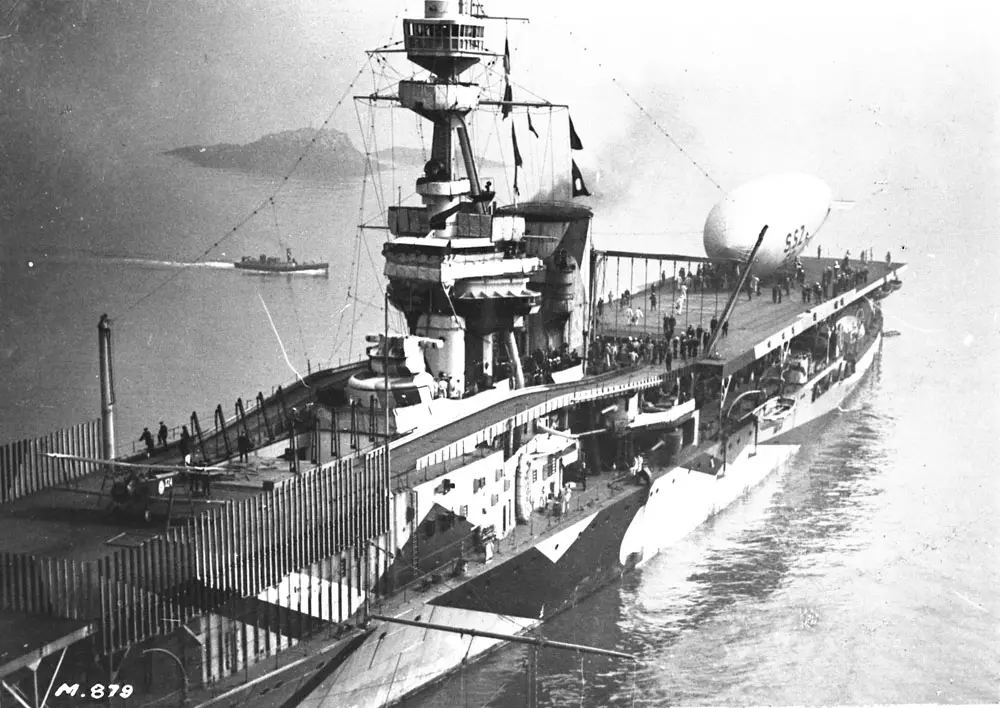
HMS Furious: Britain’s first flying experiment
Britain’s HMS Furious, launched in 1916 as a battlecruiser, became one of the first ships to be modified for naval aviation. Her original gun turrets were replaced by a flight deck, allowing aircraft to launch directly from the ship. After multiple redesigns, Furious featured both forward and aft flight decks, enabling limited landing operations. Though crude by modern standards, she proved that naval aviation could work, setting the Royal Navy on a path that would make it a global carrier pioneer.
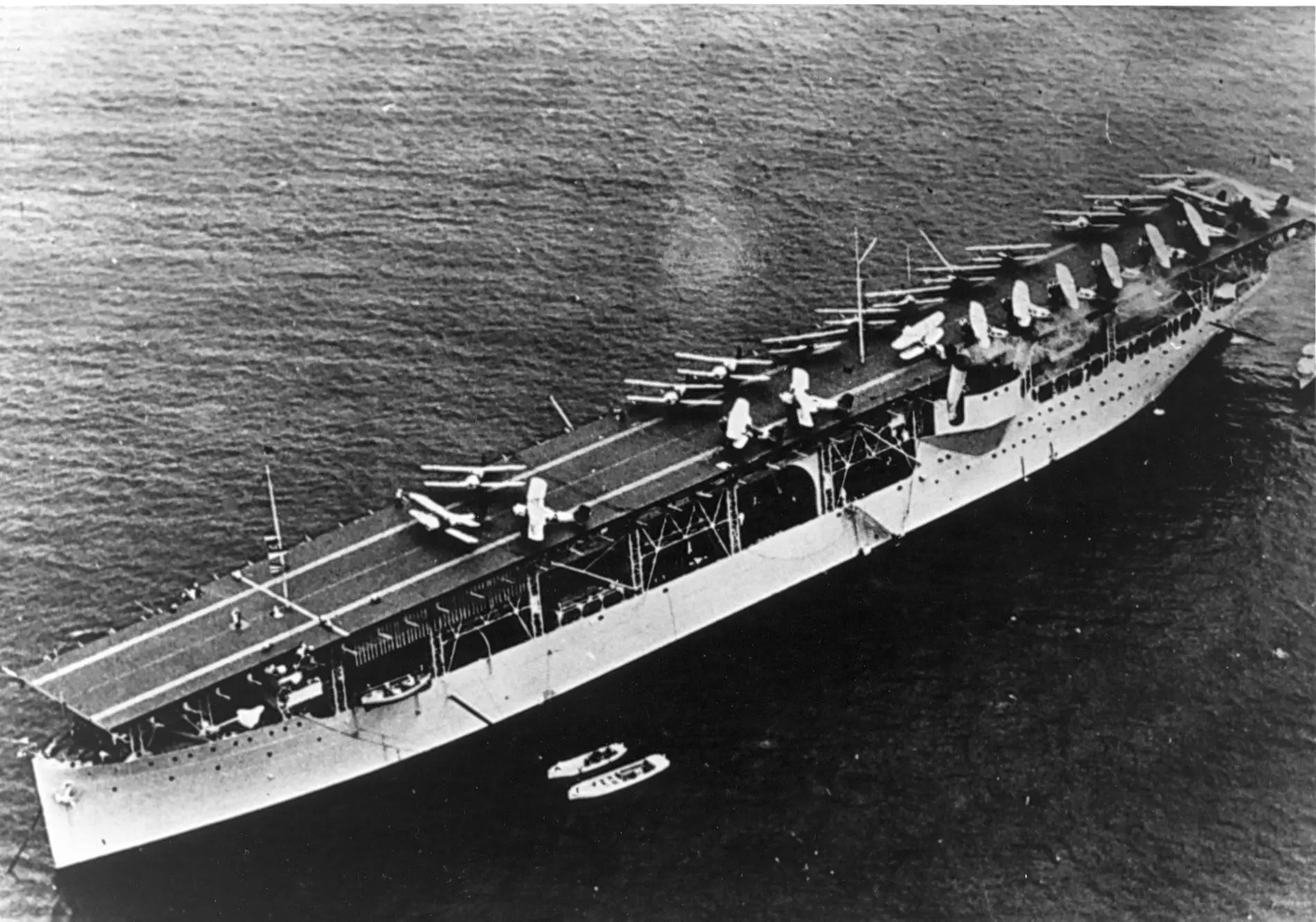
USS Langley: America’s converted coal carrier
The United States made its first foray into carrier operations with USS Langley (CV-1), converted in 1922 from the collier USS Jupiter. Dubbed “The Covered Wagon,” Langley was slow and experimental but played an essential role in training naval aviators and testing catapult and arresting gear systems. Every major US carrier innovation, from flight deck procedures to deck elevators, was first tested on Langley, making her the true matriarch of America’s carrier fleet.
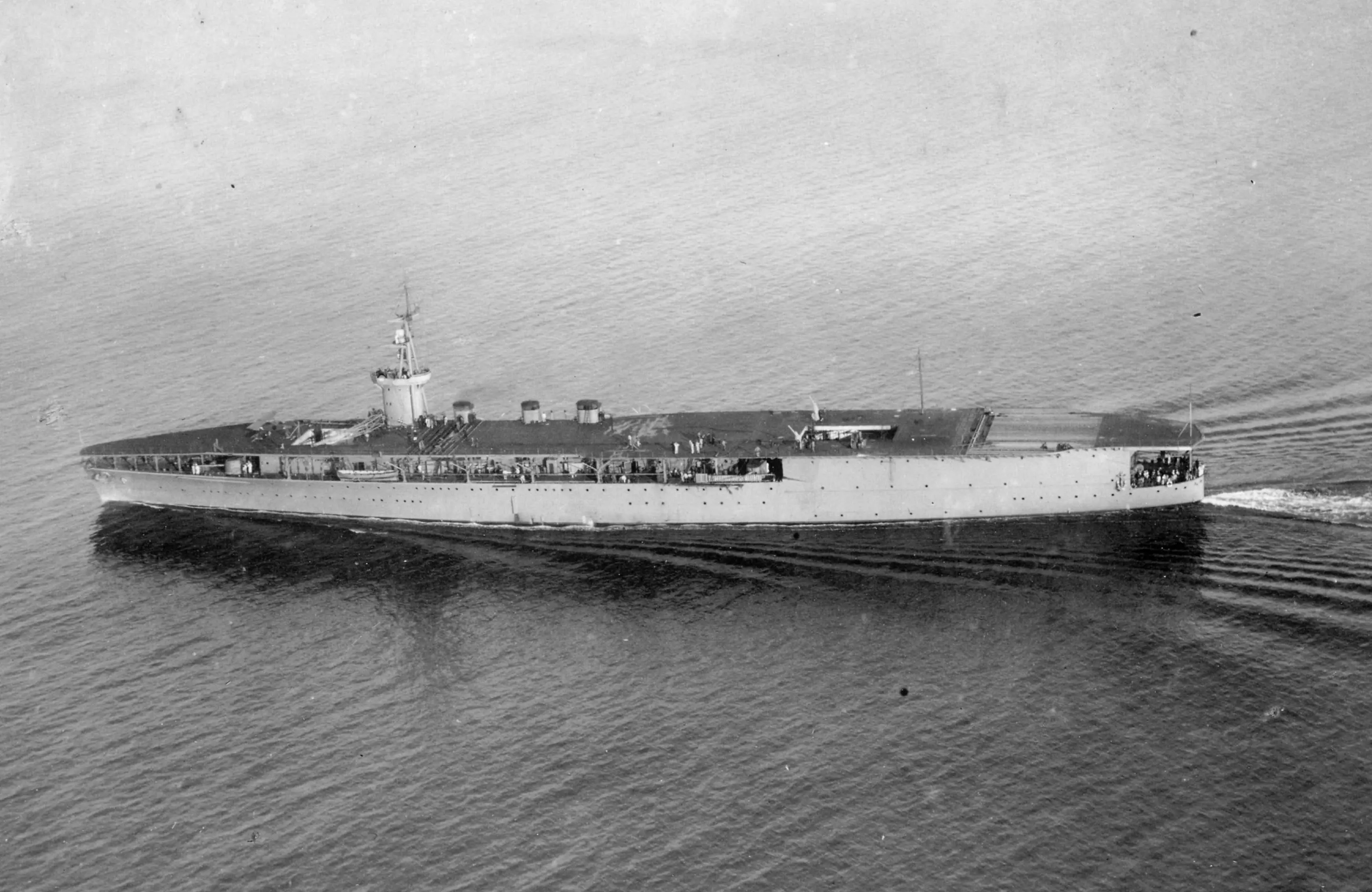
Hōshō: Japan’s leap into purpose-built carrier design
Japan became the first nation to construct a purpose-built aircraft carrier, the Hōshō, commissioned in 1922. Compact and efficient, Hōshō carried around 20 aircraft and featured an unobstructed flight deck, a first in naval engineering. The Imperial Japanese Navy used her to perfect carrier-based tactics that would later define the early years of World War II, particularly during the attacks on Pearl Harbor and in the Pacific campaigns.
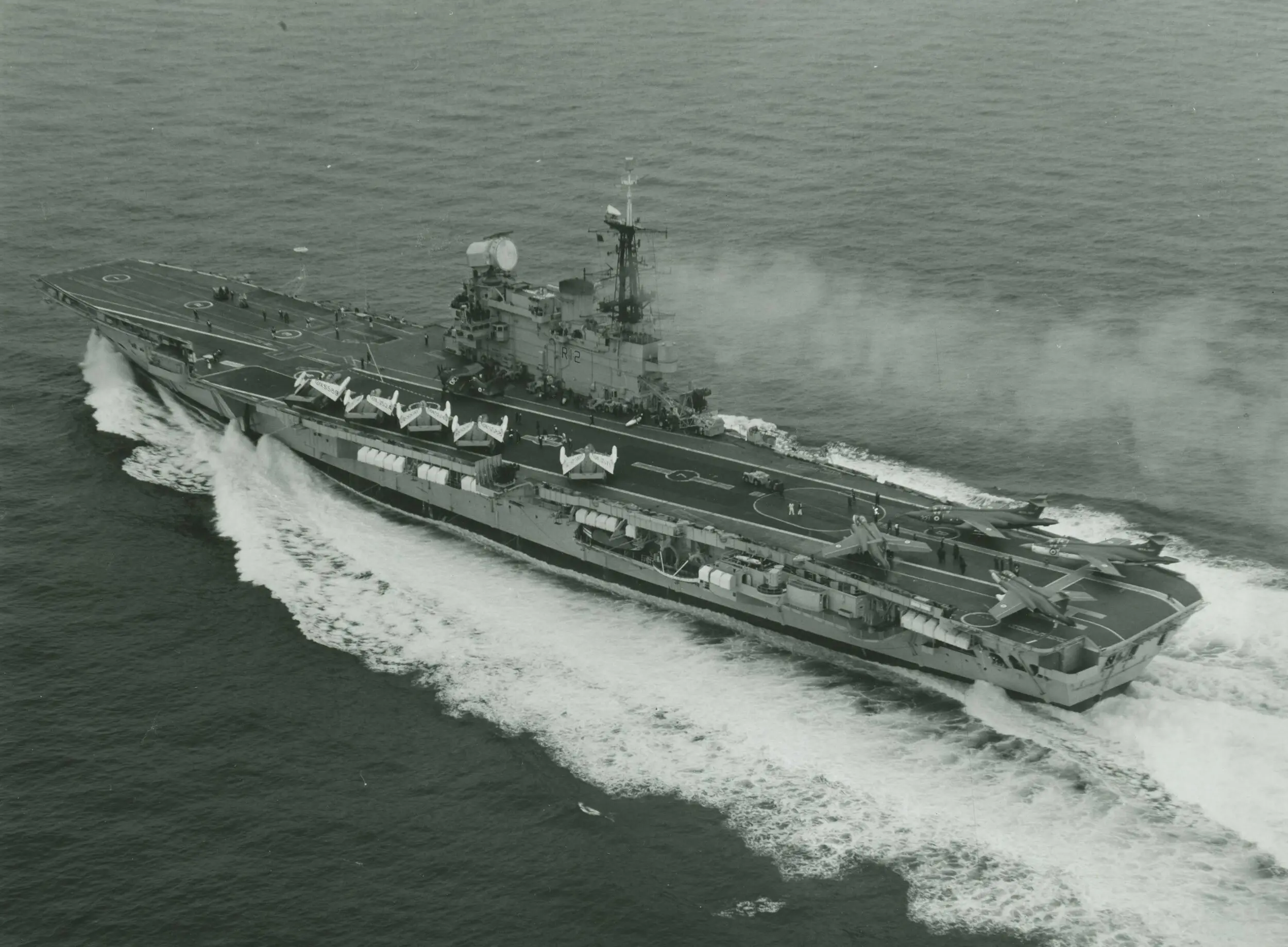
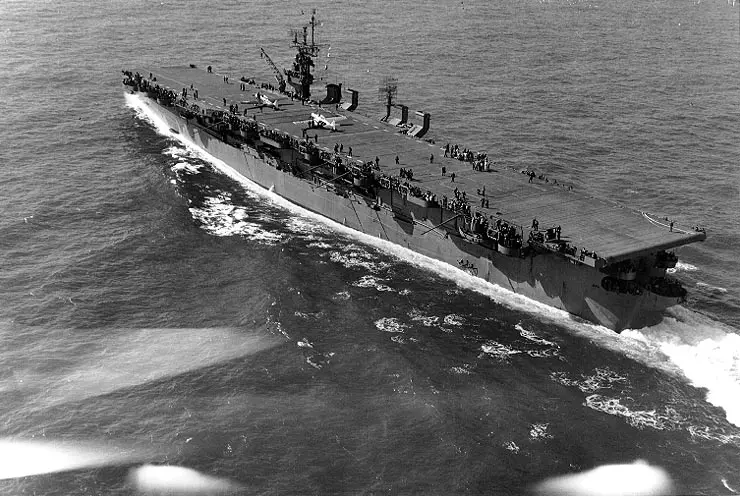
HMS Hermes: The world’s first true aircraft carrier design
Although Hōshō entered service first, Britain’s HMS Hermes, launched in 1919, was the first carrier designed from the keel up specifically for aviation. Her full-length flight deck, enclosed hangar, and central control tower established the blueprint for future carriers. Hermes demonstrated that aircraft carriers could be both offensive and strategic assets, combining the speed of cruisers with the aerial reach of airbases.
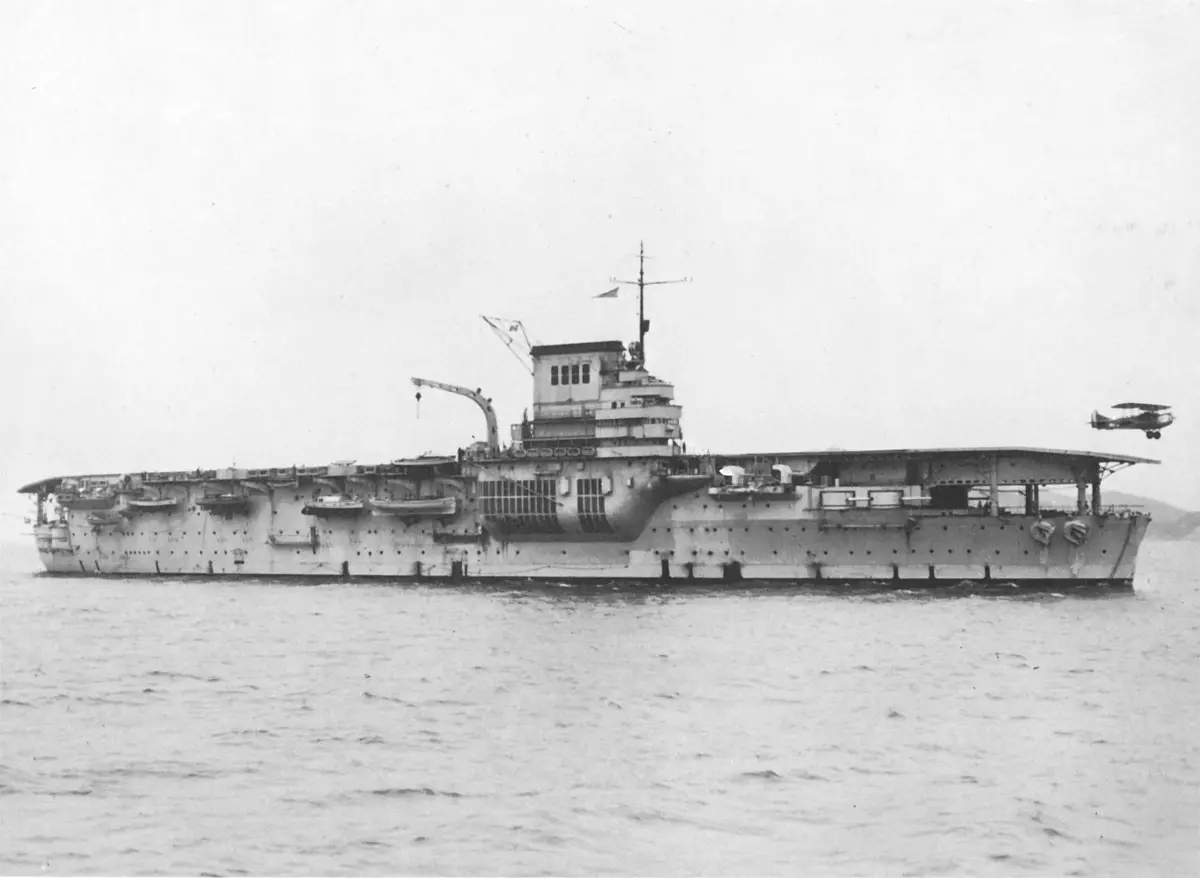
Béarn and Aquila: France and Italy’s early experiments
France and Italy also joined the race with Béarn and Aquila, two unique conversions that reflected Europe’s growing interest in carrier warfare. Béarn, converted from an incomplete battleship in the early 1920s, served as a training and research platform for the French Navy. Italy’s Aquila, converted from the ocean liner Roma during World War II, showcased innovation but was never completed due to wartime setbacks. Together, these ships demonstrated that even non-maritime powers recognised the strategic importance of airpower at sea.
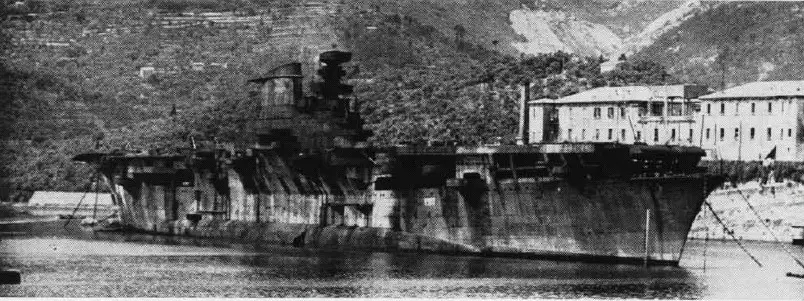
The legacy of the pioneers
By the 1930s, these six pioneering carriers — HMS Furious, USS Langley, Hōshō, HMS Hermes, Béarn, and Aquila, had proven that the future of naval warfare belonged to the skies. What began as improvised conversions of coal ships and liners evolved into sophisticated floating fortresses. Their legacy endures in today’s nuclear-powered giants like INS Vikrant, USS Gerald R. Ford, and HMS Queen Elizabeth, each tracing its lineage back to the humble beginnings of those first aircraft carriers that dared to defy the limits of the sea.
)
)
)
)
)