Rolex vs real gold: Which is the better investment this Diwali?

Over the past decade, gold has delivered steady annualised returns of around 8–10 per cent in India, depending on market conditions. Rolex watches, however, have shown a unique trend,
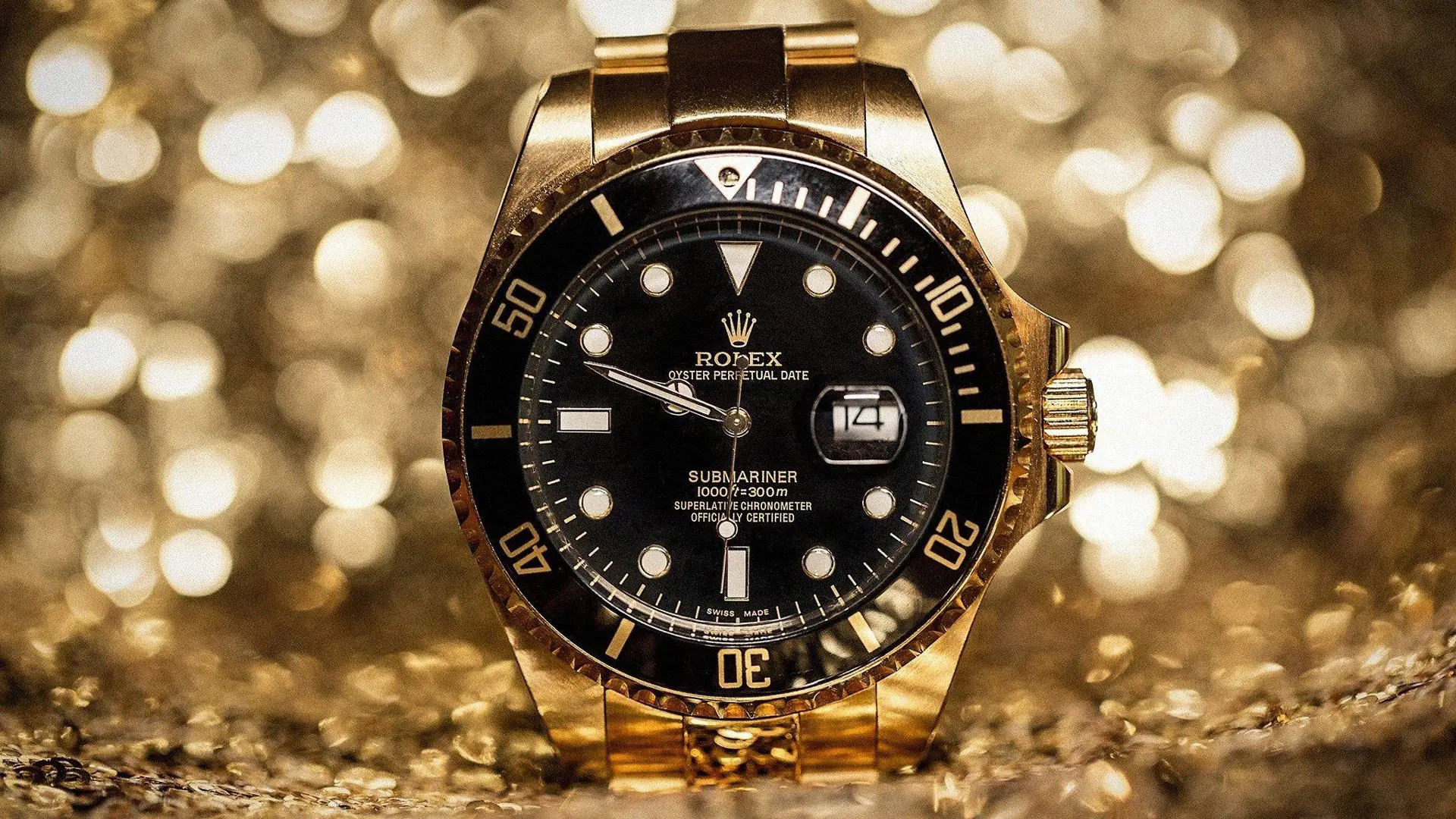
1. Gold Prices Hit Record Highs Ahead of Diwali 2025
Gold prices in India have surged to historic levels this festive season, crossing Rs 73,000 per 10 grams in some cities. Investors are turning to gold as global uncertainties, geopolitical tensions, and inflation fears push up safe-haven demand. Traditionally, Diwali and Dhanteras are considered auspicious for buying gold, and this year’s price rally has intensified interest in both physical gold and luxury gold-based assets like Rolex watches.
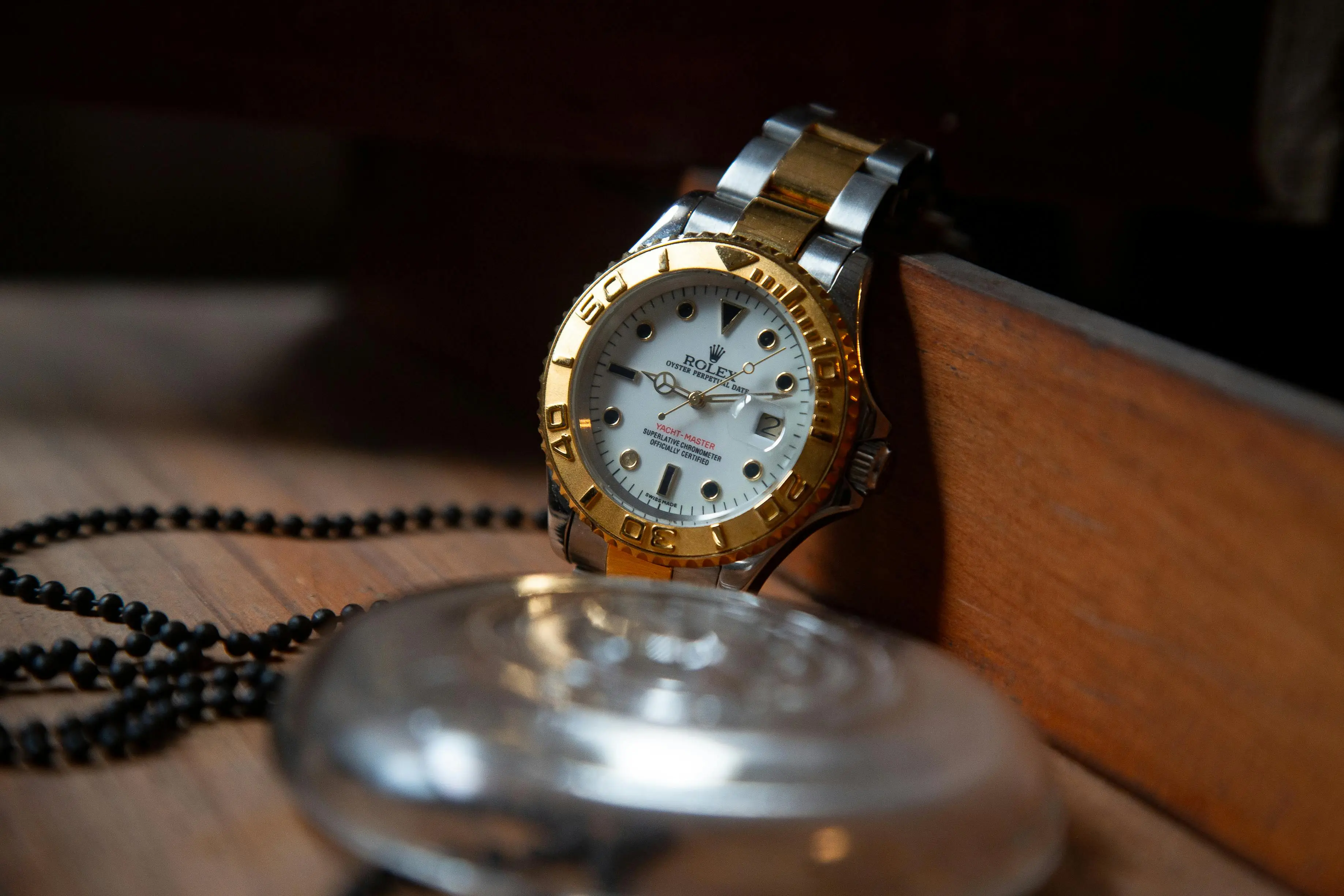
2. Rolex Watches Become a Festive Investment Trend
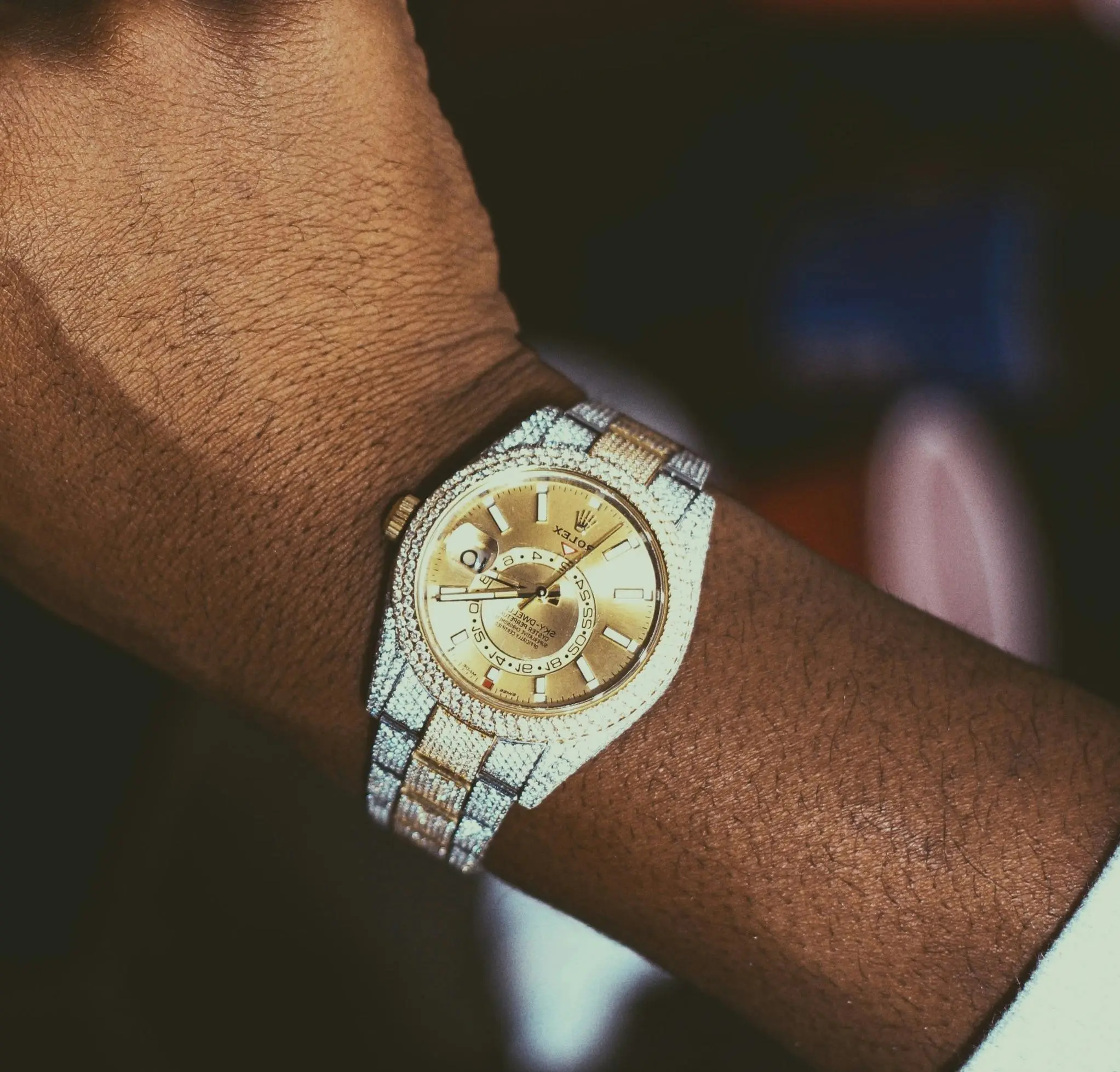
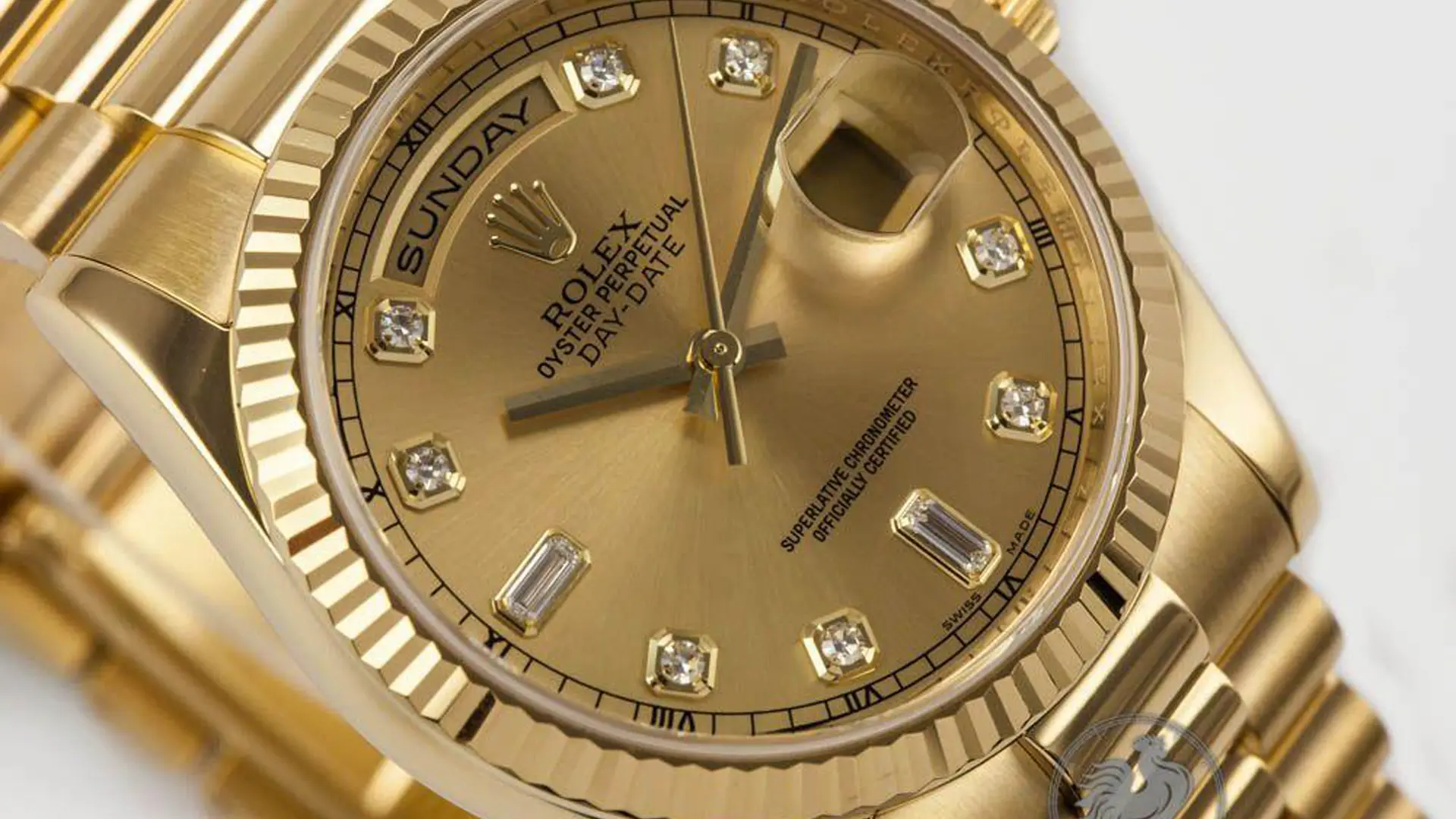
Luxury watch dealers across India are reporting a sharp rise in demand for Rolex watches, particularly gold models, ahead of Diwali. Premium boutiques in Mumbai, Delhi, Hyderabad and Bengaluru are seeing waitlists stretch for months as buyers look to lock in models like the Day-Date, Submariner, and Cosmograph Daytona, which often appreciate in value over time. For many wealthy buyers, a gold Rolex is not just a status symbol but a tangible asset.
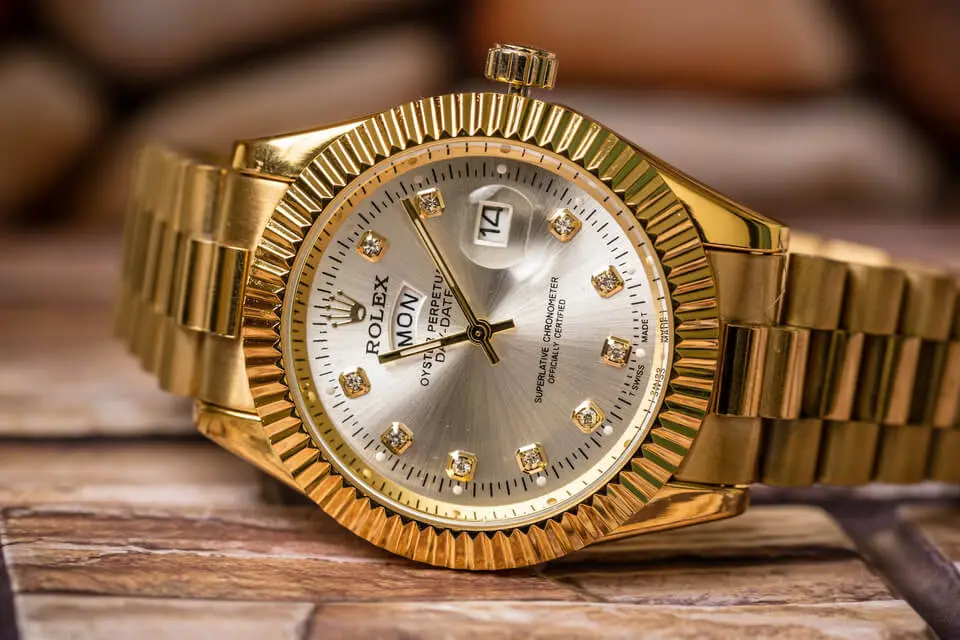
3. Historical Performance: Gold vs Rolex Appreciation
Over the past decade, gold has delivered steady annualised returns of around 8–10 per cent in India, depending on market conditions. Rolex watches, however, have shown a unique trend, some models have appreciated by 30–100 per cent in the secondary market, especially limited editions or discontinued references. Platforms like Chrono24 and WatchCharts have tracked models like the Daytona jumping in value within 12–18 months of purchase, a pattern rarely seen with gold bullion.

4. Global Luxury Watch Shortage Boosts Resale Value
Rolex has deliberately kept its production limited, leading to a chronic supply shortage globally. This scarcity has created a thriving resale market, where certain models are sold at a premium of 20–200 per cent over retail. While gold prices fluctuate daily based on global markets, Rolex values, especially for gold models, tend to hold strong even during economic slowdowns, making them a different kind of hedge.
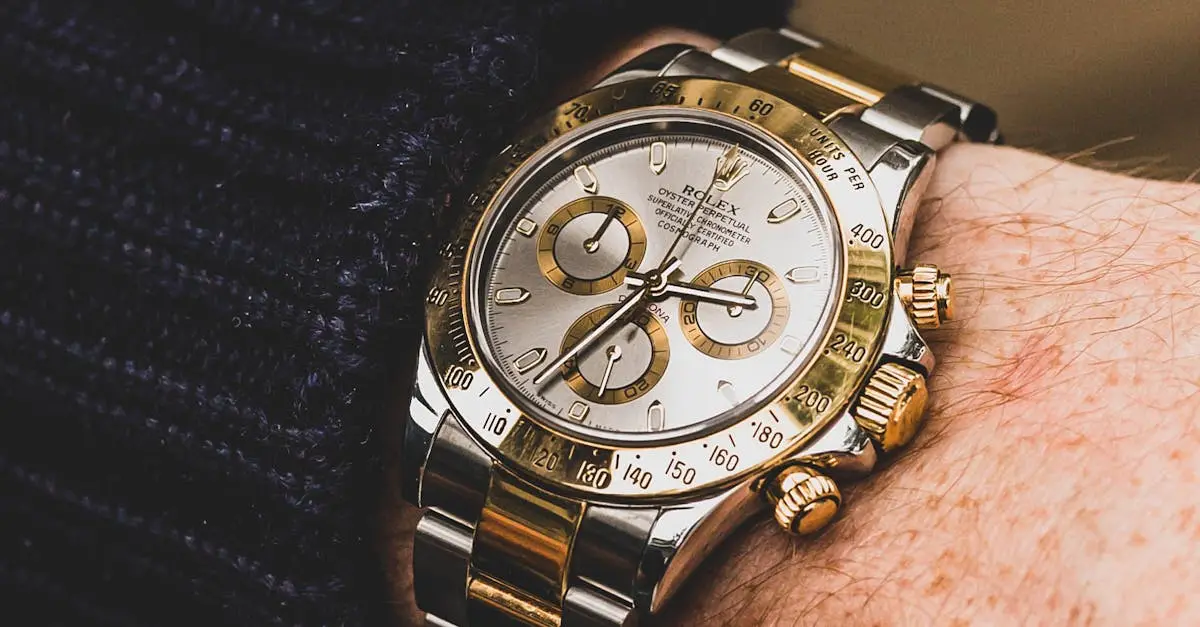
5. Liquidity & Ease of Sale: Gold Still Has the Edge
One key advantage of gold is liquidity. Whether it’s coins, bars, or jewellery, gold can be sold almost instantly anywhere in India. Rolex watches, on the other hand, may require authentication, a buyer network, or consignment to luxury dealers to fetch the best price. While both are tangible assets, gold remains more universally accepted and easier to convert into cash quickly.
6. Taxation & Import Duties Impact Returns Differently
Buying gold in India involves a 3 per cent GST and customs duties, which affect resale margins. Rolex watches come with import duties (over 20 per cent) and GST, making their upfront cost higher. However, if the watch appreciates significantly, the resale can still offset these costs. Investors should consider not just purchase price but also holding period, taxes on resale, and maintenance costs when comparing returns.
7. Verdict: Diversification Might Be the Best Strategy
Experts suggest that instead of choosing one over the other, affluent buyers are increasingly splitting their festive investments between gold and luxury watches. Gold provides stability and liquidity, while Rolex watches offer potential upside and exclusivity. For Diwali 2025, with gold at record highs and luxury demand booming, both assets can play complementary roles in a diversified investment strategy.
)
)
)
)
)