Roe v Wade: From the ruling in 1973 to it being overturned today, here's a timeline

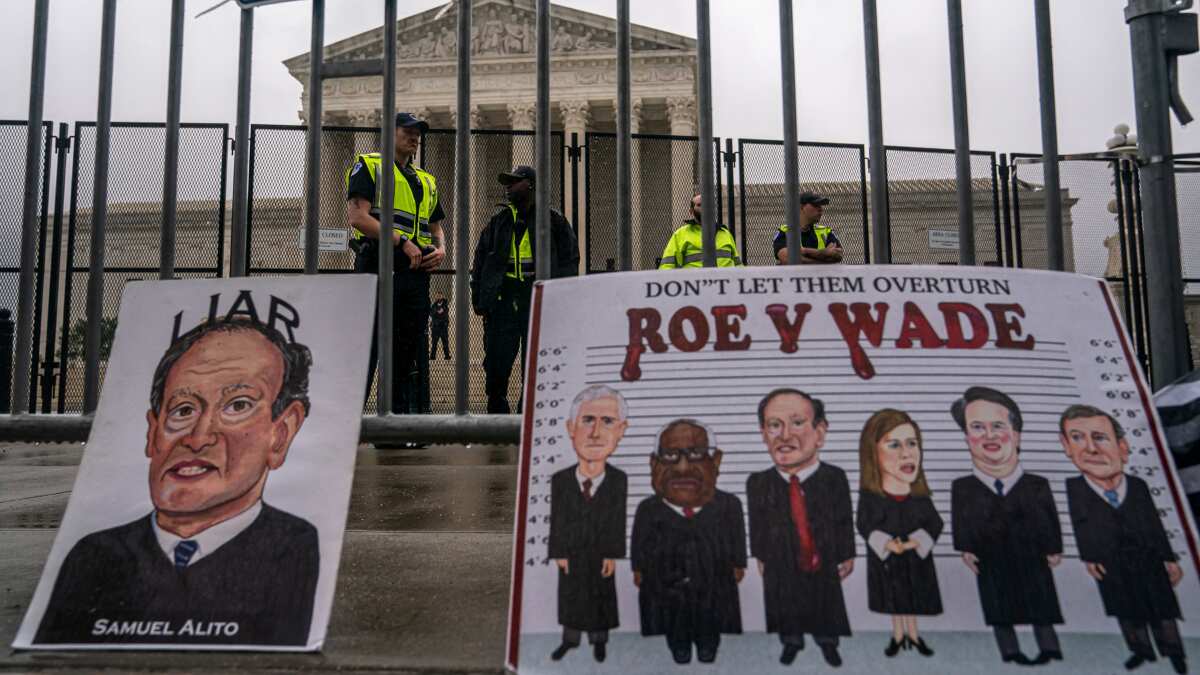
How it started
The Roe vs Wade case started in 1970. The lawsuit was filed by Norma McCorvey, under the legal alias "Jane Roe." Roe or McCorvey was expecting her third child in 1969 and wanted to have an abortion. However, in Texas, where McCorvey resided, it was against the law to have an abortion unless it was absolutely essential to preserve the mother's life.
Sarah Weddington and Linda Coffee, her attorneys, filed a lawsuit on her behalf in a federal court in the United States against Henry Wade, the district attorney in her community, claiming that Texas's abortion laws were unconstitutional.
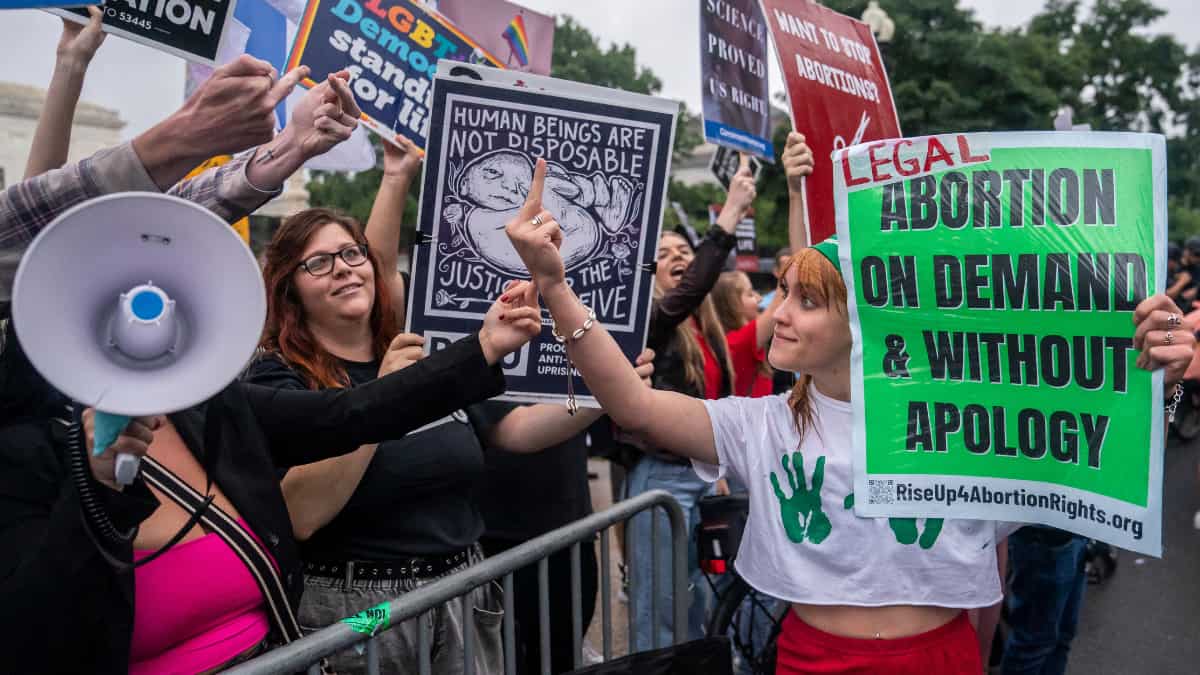
The judgement
The Supreme Court in a 7-2 ruling on January 22, 1973, said that the Due Process Clause of the Fourteenth Amendment to the United States Constitution guarantees a pregnant woman's right to an abortion. The court, however, also ruled that the right to an abortion is not absolute and must be weighed against the interests of the government in preserving women's health and unborn children.

Trimester timeline
The court set a trimester timeline to control all abortion laws in the US.
Here's what it meant:
- Governments have no power to control abortion in the first trimester other than mandating that procedures be carried out by qualified medical professionals.
- In the second trimester, Governments may impose restrictions on abortions, but only to safeguard the health of the mother and not the foetus.
- Abortions might be controlled and even outlawed beyond viability (the third trimester and the final weeks of the second trimester), but only if the legislation made an exemption for abortions required to save the mother's "life" or "health."
The Court also deemed the right to an abortion "fundamental," requiring courts to examine contested abortion restrictions using the strictest possible judicial review in the United States.
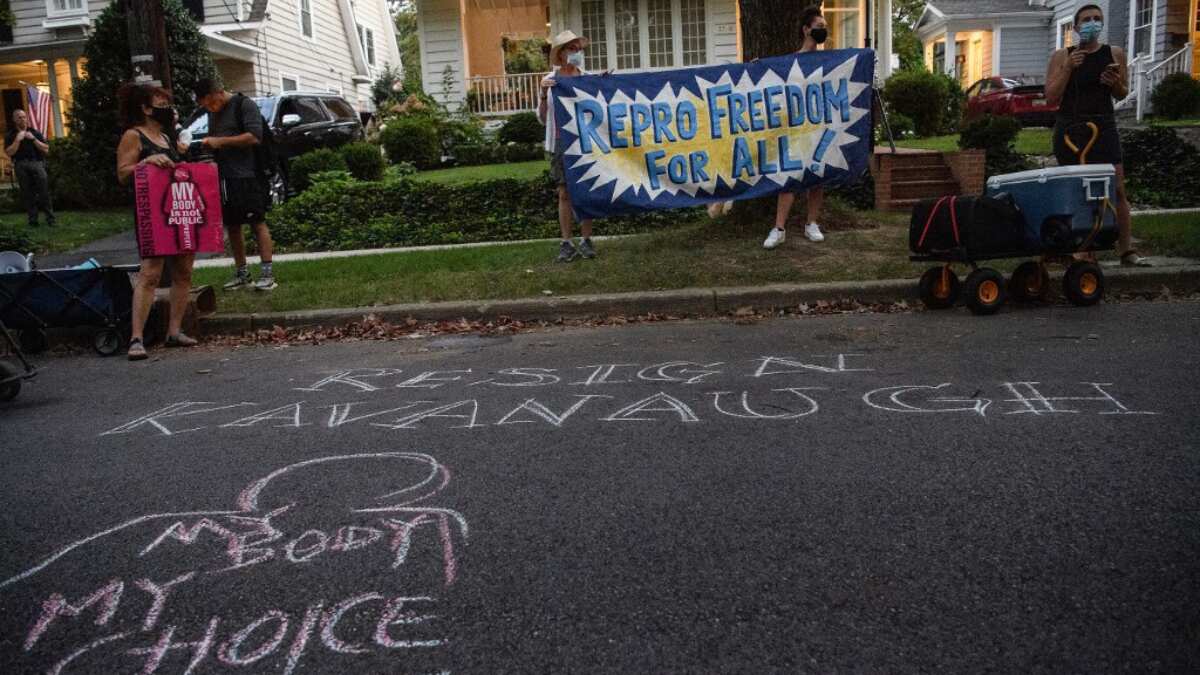
Planned Parenthood v. Casey 1992
Pennsylvania approved the Abortion Control Act in 1982, requiring women to provide "informed consent" before abortions may be done and imposing a 24-hour waiting period on women seeking abortions, during which time the women would be presented with abortion information. The act also stipulated that a wife seeking an abortion must inform her husband of her plans before the procedure, with the exception of "medical emergencies," and that minors seeking abortions must first obtain informed consent from their parents, with the exception of "hardship" cases in which a court may waive this requirement. Finally, the measure mandated that all abortion facilities in Pennsylvania self-report to the state.
The state was sued by Planned Parenthood of Southeastern Pennsylvania on the grounds that the Abortion Control Act contravened the Supreme Court's Roe v. Wade decision.
The 1992 ruling by the U.S. Supreme Court in the legal case of Planned Parenthood of Southeastern Pennsylvania v. Casey reinterpreted a number of Roe v. Wade-era abortion rights rules.
The fundamental Roe v. Wade decision that the state cannot outlaw the majority of abortions was upheld. However, Casey also held that states may ban abortions of "viable" pregnancies and limit abortions to safeguard the health of the mother and the foetus.
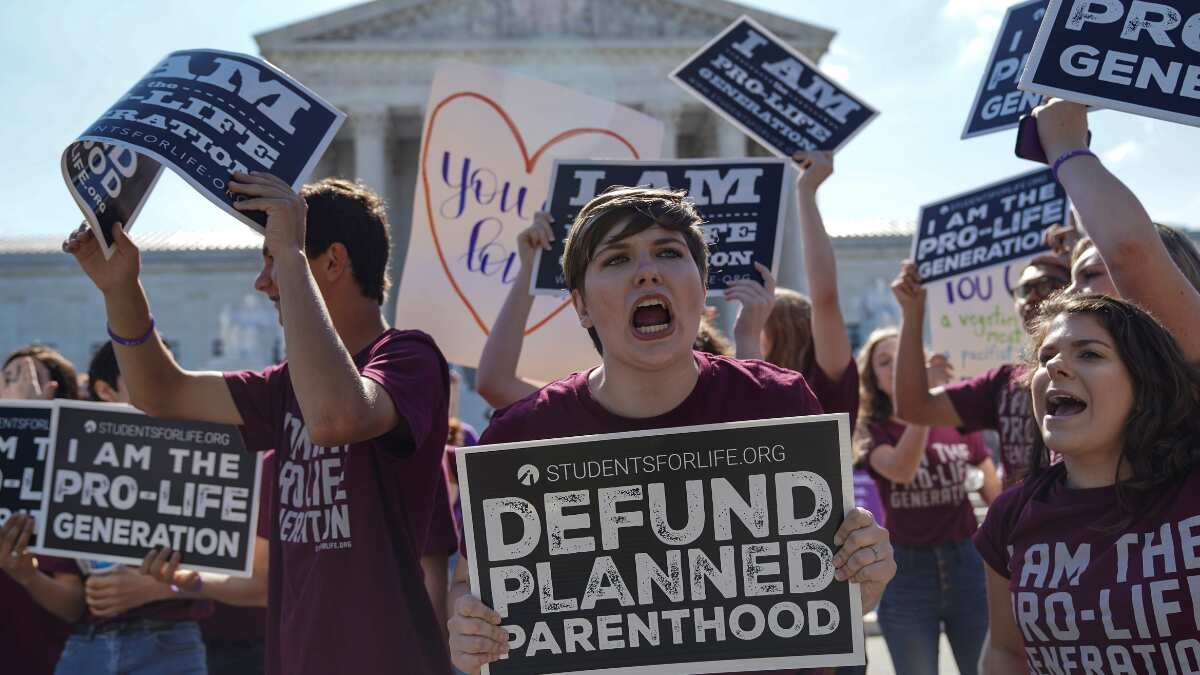
Gonzales v. Carhart 2007
A key decision on the subject of abortion in the US was made in 2007 with Gonzales v. Carhart. In this decision, the US Supreme Court approved a prohibition on any form of abortion for the first time since 1973.
The ruling upheld the Partial-Birth Abortion Ban Act of 2003 by a 5-4 vote. The ban outlawed a method referred to by opponents of abortion rights as "partial-birth abortion." The law forbade intact dilation and extraction and stipulated a maximum 2.5-year prison sentence for offenders.
A surgical procedure called intact dilation and extraction allows the removal of an intact foetus from the uterus. The method is used for post-miscarriage abortions as well as second- and third-trimester abortions.
Heartbeat bills
Abortions beyond six weeks were outlawed in North Dakota in 2013, making it the first state to do so.
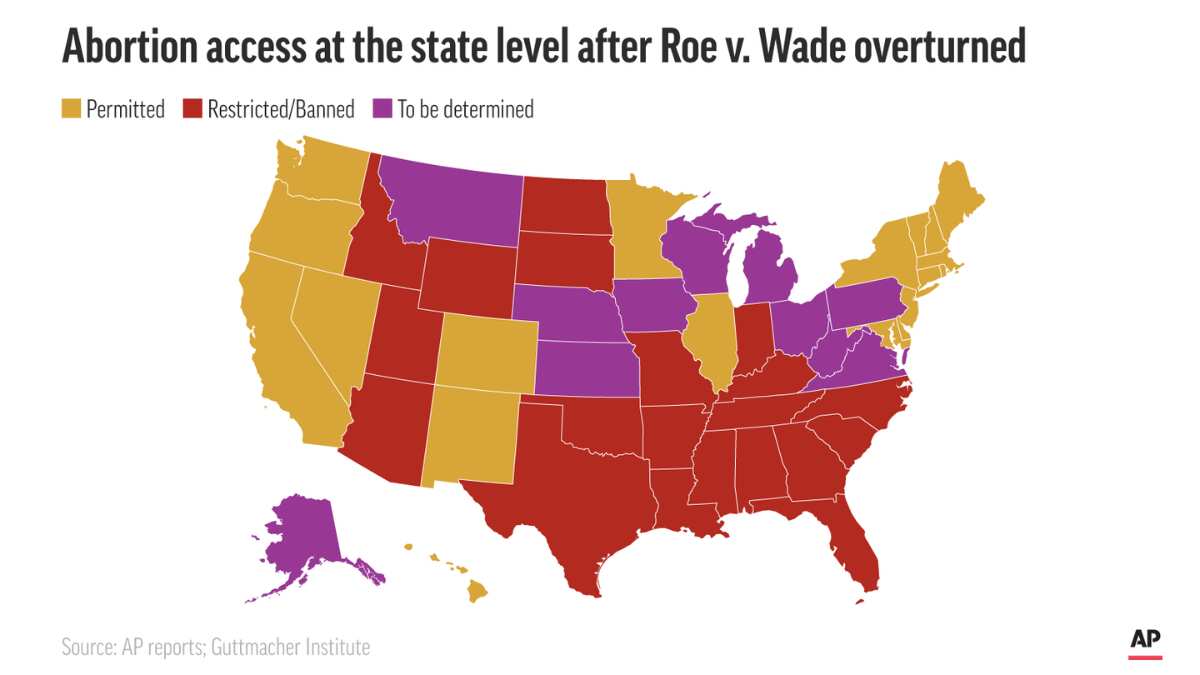
The discovery of the foetal heartbeat, which typically occurs during the sixth week of pregnancy, is when a dozen states, including Texas, Oklahoma, Ohio, Georgia, Louisiana, Missouri, Alabama, Kentucky, and South Carolina, have banned abortions.
Rape and incest are not exempt under these so-called "Heartbeat" bills. However, due to court intervention, the majority of the laws were not in force.
Now, the most recent judgement is likely to spark a wave of new legislation that severely curtails or outright forbids abortions in around half of the US states. 13 states have passed so-called "trigger laws," which will restrict abortion following the move by the Supreme Court.
Ten more states have bills that would either outlaw abortion beyond six weeks, before many women even realise they are pregnant, or that would reinstate regulations from before 1973.
Dobbs v. Jackson Women's Health Organization 2022
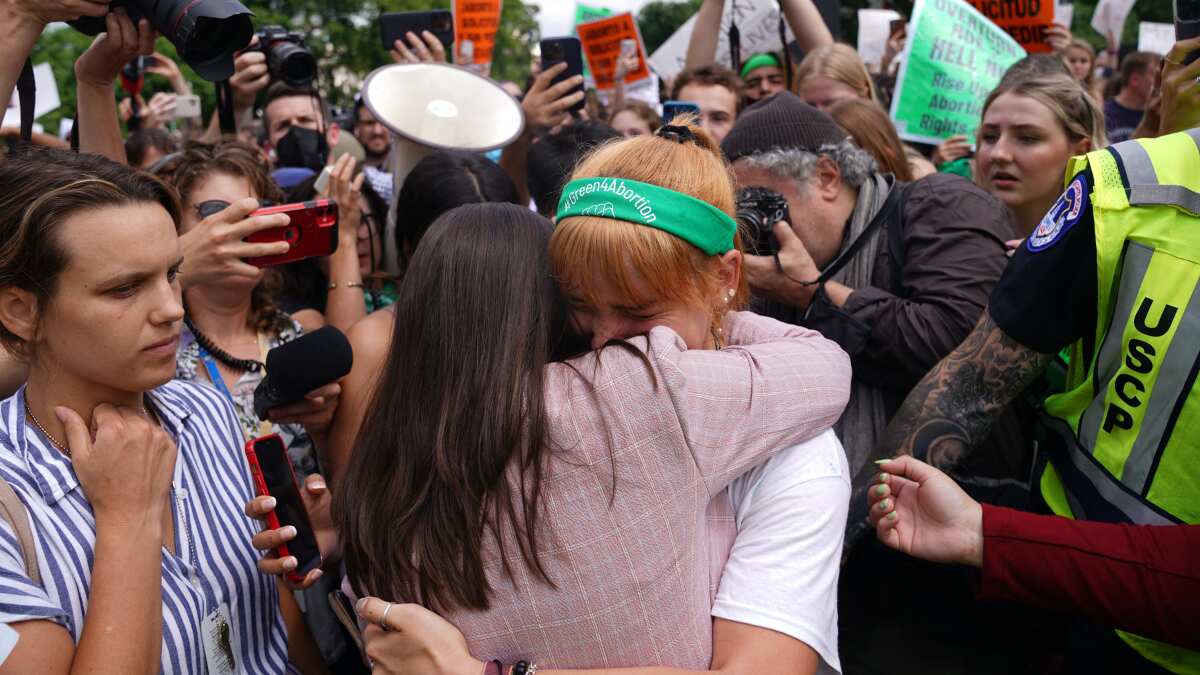
This landmark United States Supreme Court decision that holds that the Constitution does not confer a right to abortion, overruling both Roe v. Wade and Planned Parenthood v. Casey.
The conservative-dominated court declared that individual states can now legalise or restrict the procedure on their own, overturning the historic "Roe v. Wade" ruling from 1973 that established a woman's right to an abortion.
It held that Roe v. Wade and Casey are invalid and that the people and their elected officials should once again have the power to control abortion. "The Constitution does not confer a right to abortion," the court declared.
)
)
)
)
)