Rods from god: Is this space weapon more dangerous than nuclear missiles?

‘Rods from God’ are space weapons that drop tungsten rods from orbit for kinetic strikes, but they remain theoretical for now due to several limitations. Today, anti-satellite tests pose real risks with debris and escalation. Know more about the myth and reality of space weapons.
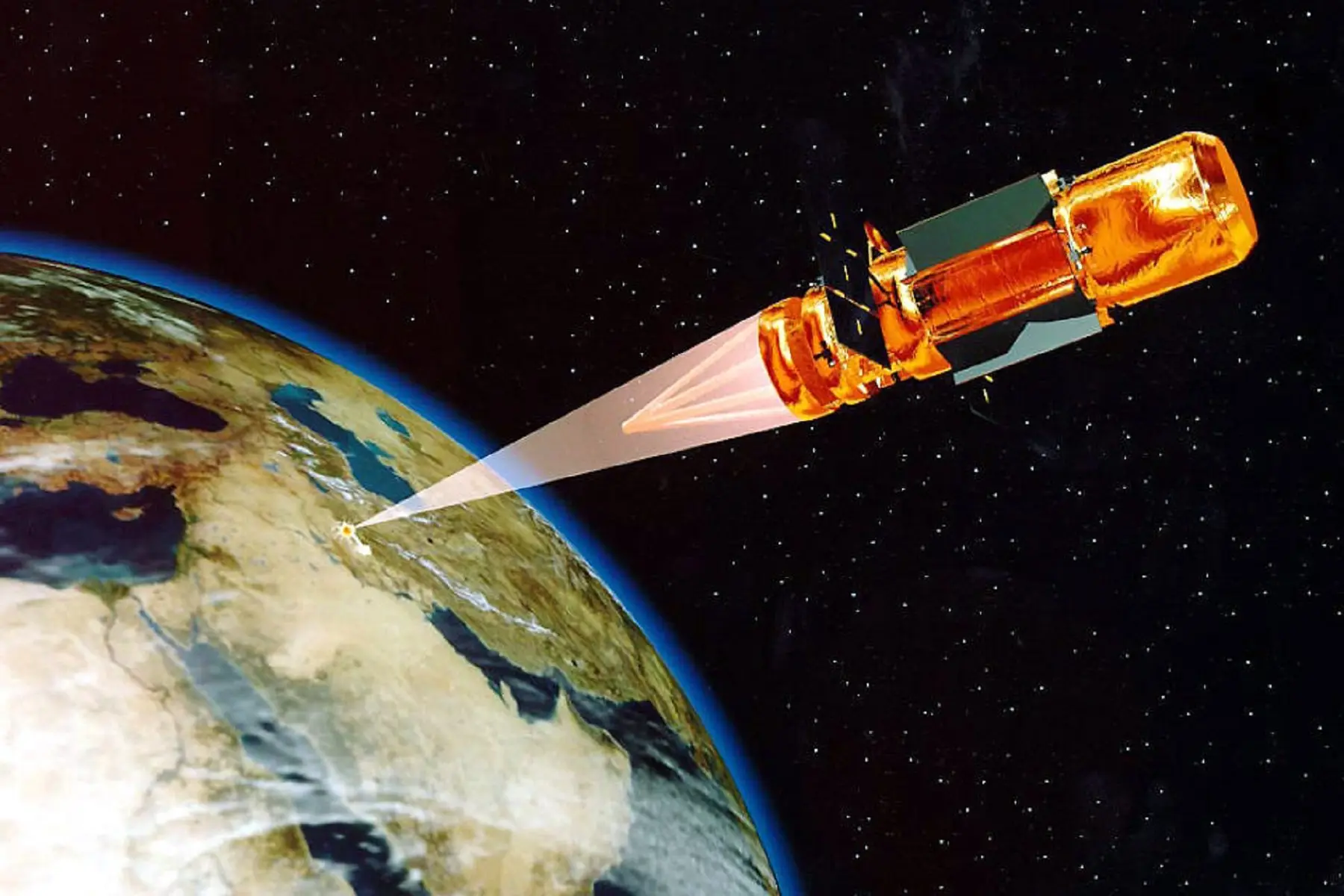
What are ‘rods from God’
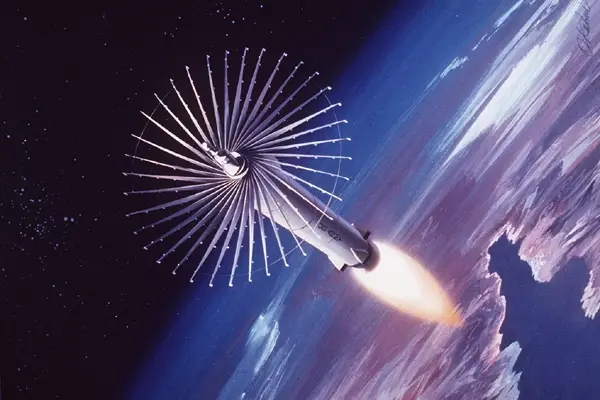
These are hypothetical space weapons that drop dense tungsten rods from orbit to hit targets using pure kinetic energy, also known as kinetic orbital bombardment or Project Thor. The concept idea promises high-speed impacts without explosive warheads but it faces hurdles in accuracy, guidance and launch cost.
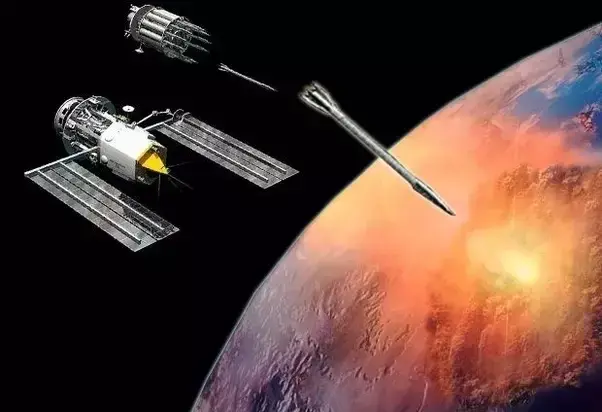
How would they cause damage
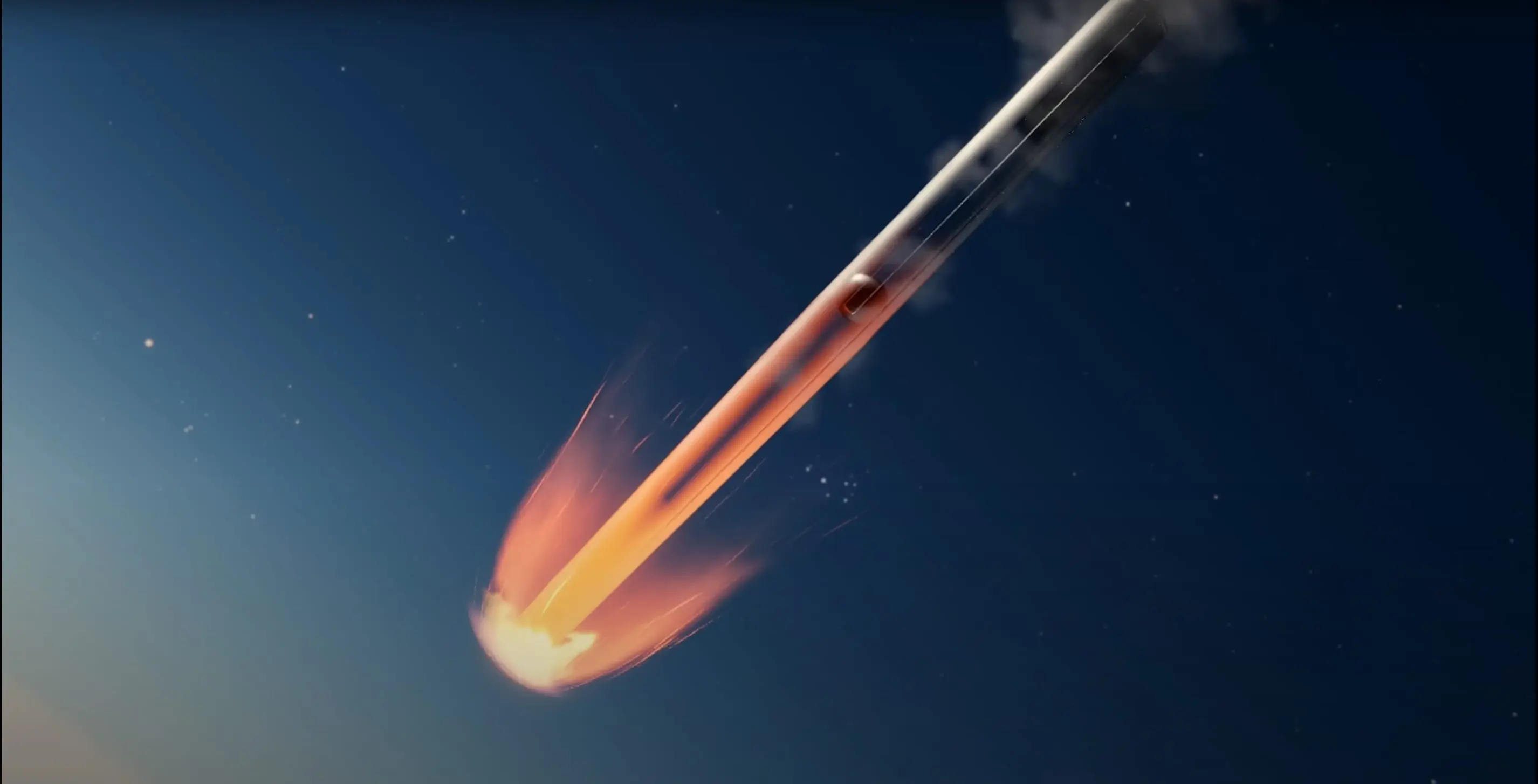
A deorbited rod would accelerate to hypersonic speed and release energy on impact. Supporters claim effects like a small nuclear strike but without radiation. Analyses highlight major technical issues including heat, atmospheric drag, terminal guidance and the high cost of placing mass in orbit.
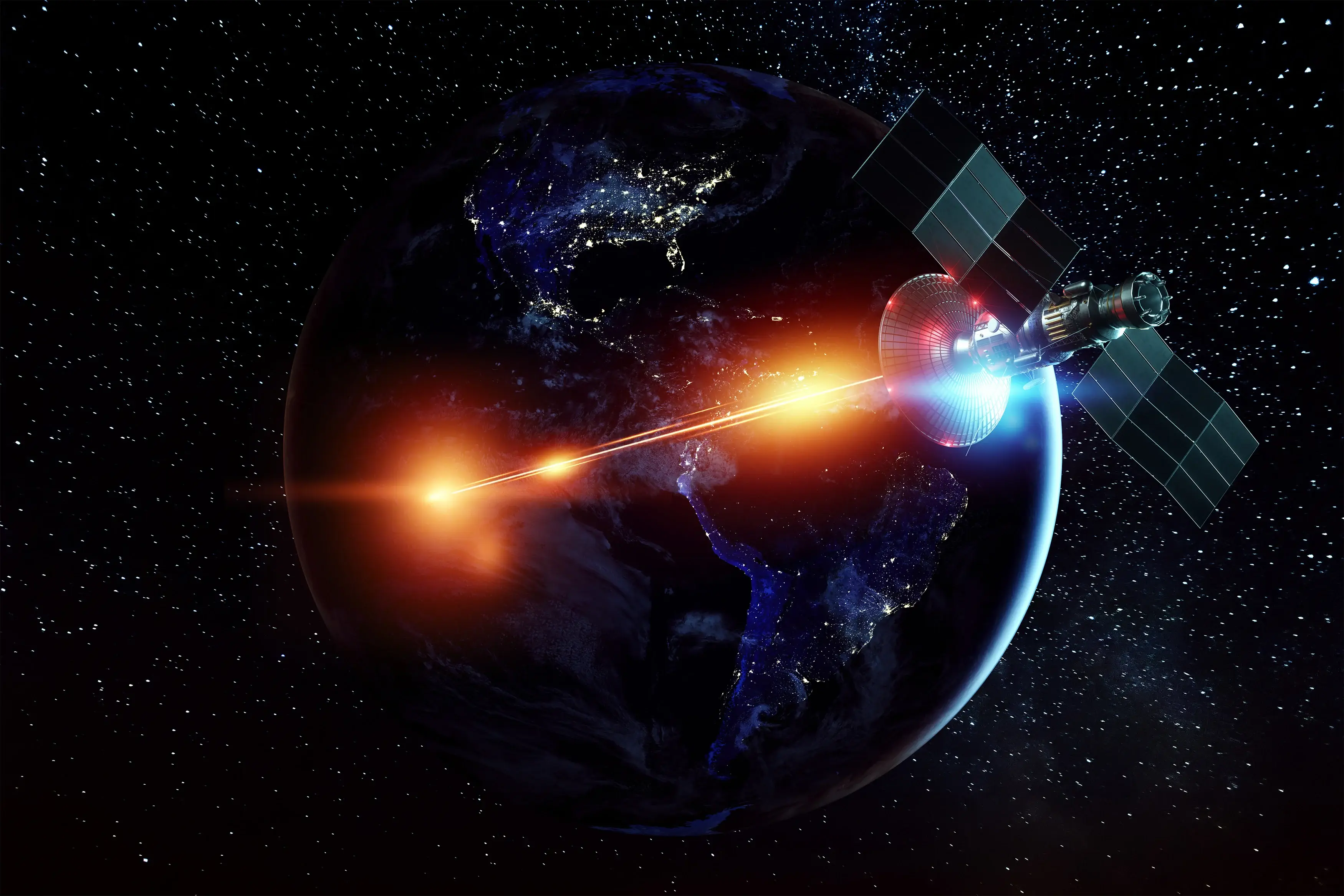
Do they exist today
There is no public evidence that any nation has deployed orbital rod weapons. The concept remains theoretical and is popular in fiction and in concept studies. Open sources describe it as proposed but not fielded by any space power.
Treaty limits on space weapons
The 1967 Outer Space Treaty bans placing nuclear or other weapons of mass destruction in orbit or stationing them in space, and prohibits WMD on celestial bodies. While it does not explicitly ban all conventional systems, many see it as reinforcing the principle of peaceful purposes.
Real space warfare today ASAT tests
Several states have tested anti satellite missiles. Russia’s 2021 direct ascent ASAT destroyed Cosmos 1408 and created more than 1,500 trackable debris pieces, posing long lasting collision risks to spacecraft and ISS operations. Debris clouds persist and raise safety concerns for all space users.

Would rods be more dangerous than nukes
Nuclear weapons produce immense blast and radiation. WMD bans keep them out of orbit, and their destructive area is unmatched. Studies suggest kinetic rods are unlikely to achieve bunker busting, nuclear level devastation as often claimed, especially against hardened targets.
Bottom line myth versus reality
Rods from God are an interesting idea with potential precision and no fallout, but they remain unbuilt due to physics, guidance and cost, and they face legal scrutiny in space. Today’s practical space weapons are ASATs and counterspace tools, which already create dangerous debris and raise escalation risks.
)
)
)
)
)