Rising prices, a falling rial and nuclear tensions: 6 things to know about Iran’s Protests

These protests, that have now entered their second week, coincide with heightened geopolitical tensions linked to Iran’s nuclear programme, US' Venezuela strikes and the lingering effects of a recent regional war in the middle-east.
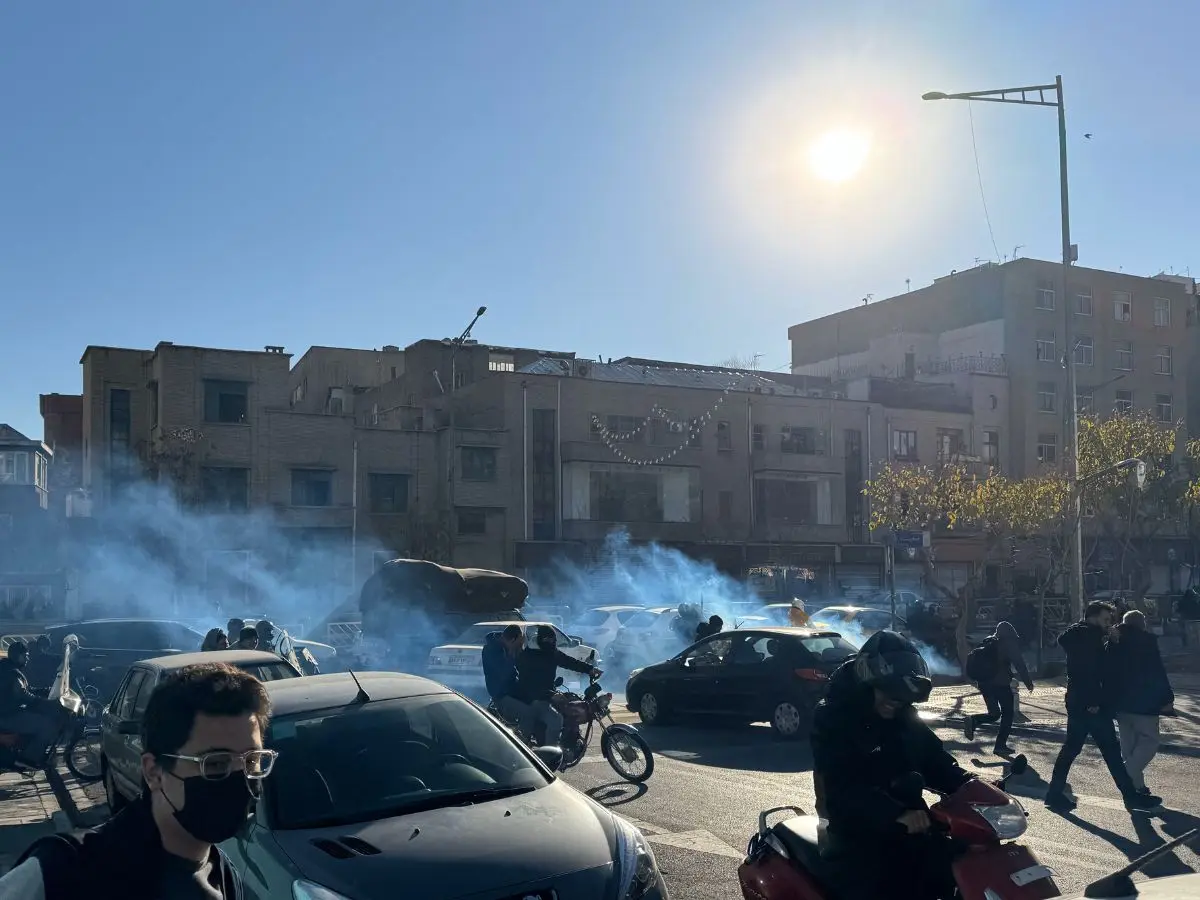
A Nation on Edge
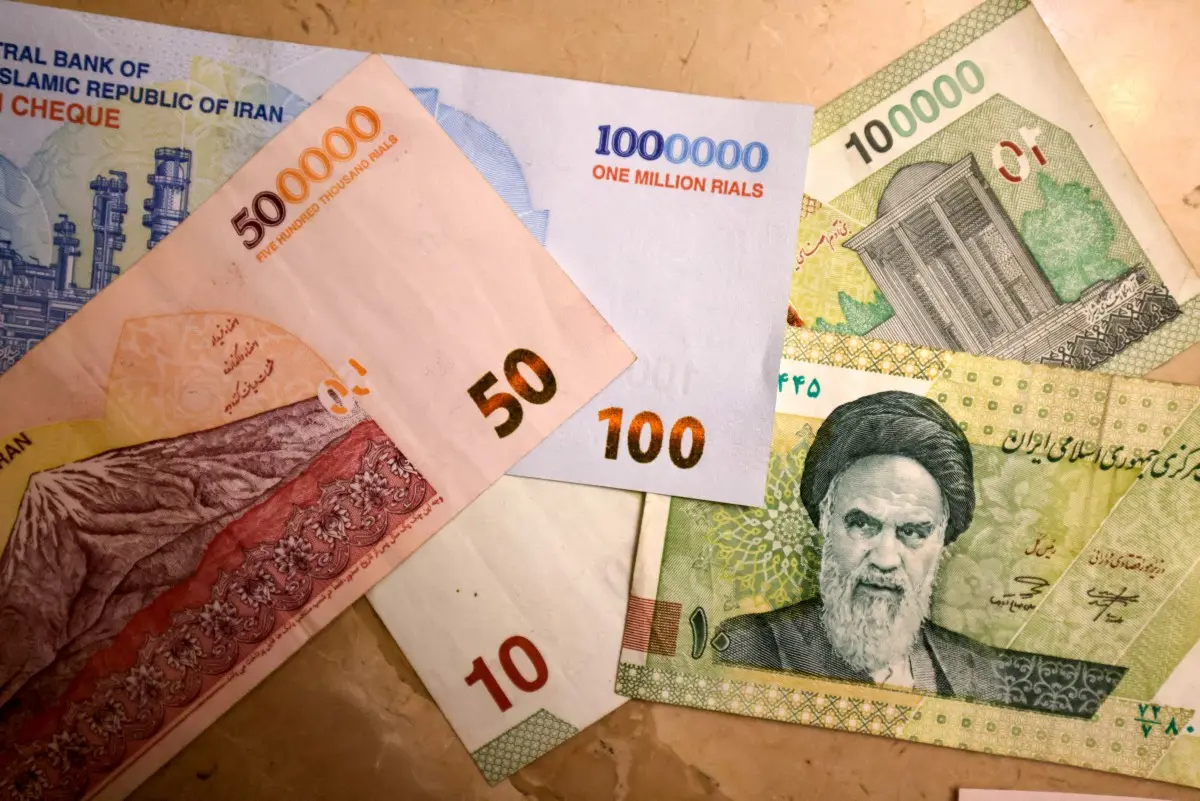
Widening protests in Iran sparked by the ailing economy of the Islamic Republic is putting new pressure on its theocracy. The demonstrations reflect deep frustration with soaring prices and the collapse of the Iranian currency, the rial, which is now trading at about 1.4 million to the US dollar, a dramatic fall that has eroded ordinary Iranians’ purchasing power.
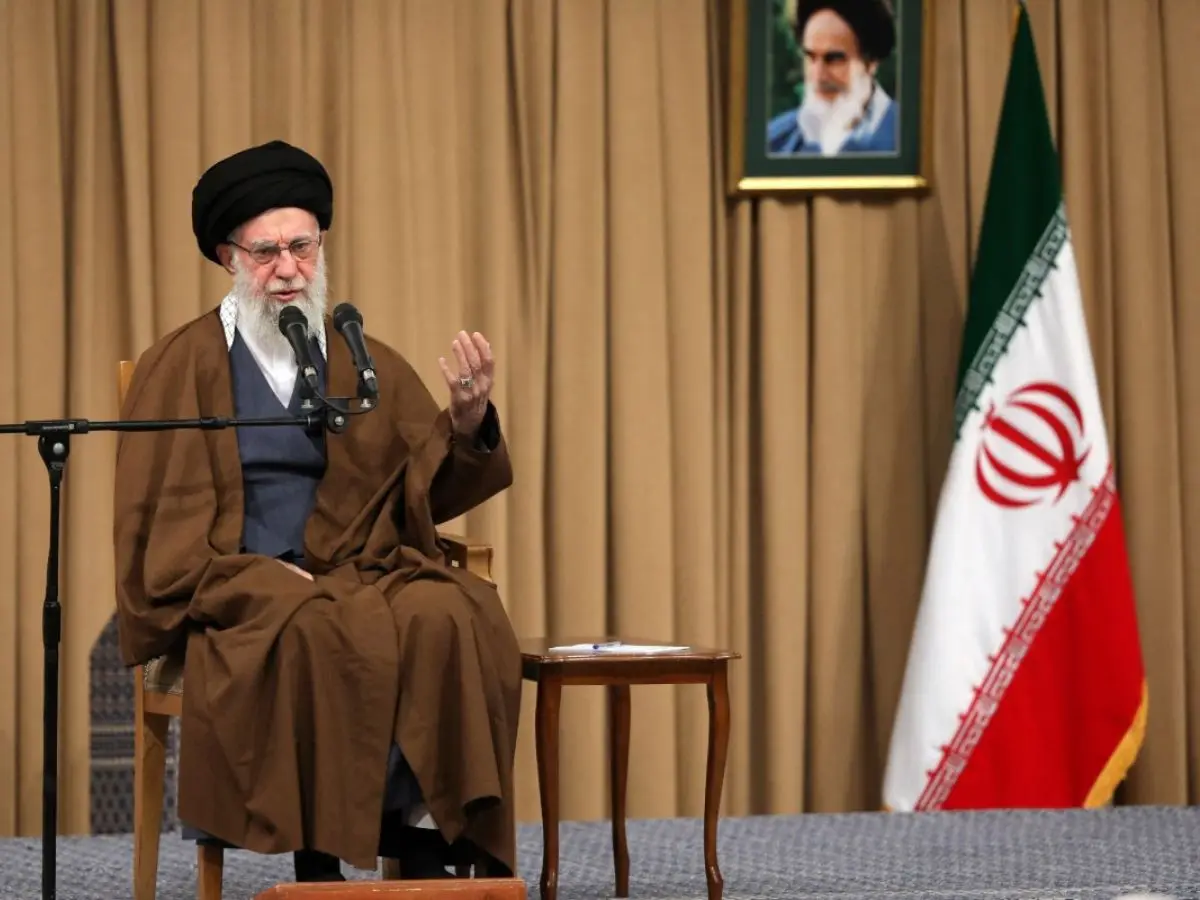
Ayatollah Ali Khamenei could flee the country
According to latest reports, Ayatollah Ali Khamenei has a back-up plan to flee the country. The reports claimed that Iran's Supreme leader might flee to Moscow similar to Syria's Bashar al-Assad. These protests, that have now entered their second week, coincide with heightened geopolitical tensions linked to Iran’s nuclear programme, US' Venezuela strikes and the lingering effects of a recent regional war in the middle-east.
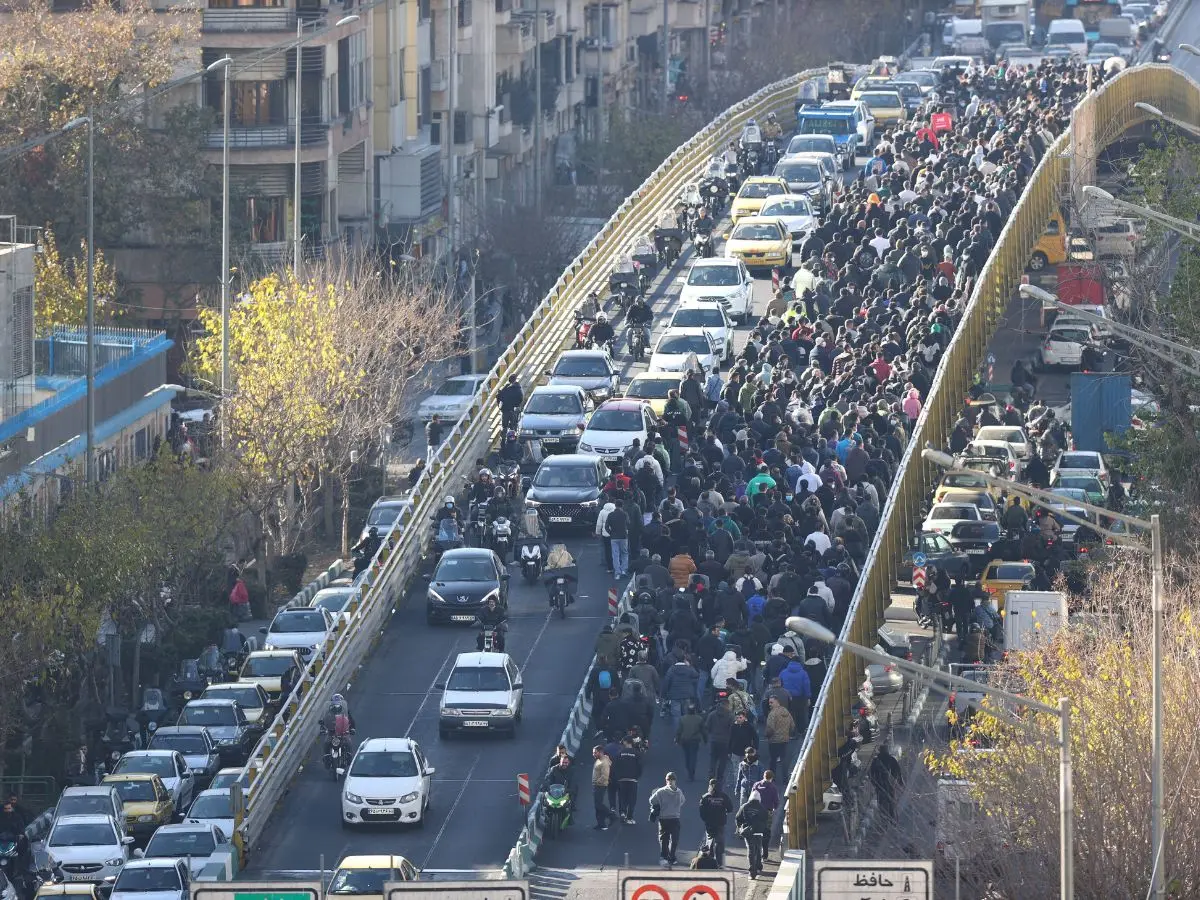
1. Economic Stress as the Main Trigger
The protests were initially sparked by Iran’s ailing economy, with inflation surging and real incomes shrinking sharply. The rial’s steep decline has increased the cost of food and essential goods, intensifying frustration among traders, workers and students alike. The nation has been struggling with an annual inflation rate of some 40 per cent. According to AP, anger has been simmering in the public, over the years, particularly after the 2022 death of 22-year-old Mahsa Amini in police custody that triggered nationwide demonstrations.
2. Latest figures
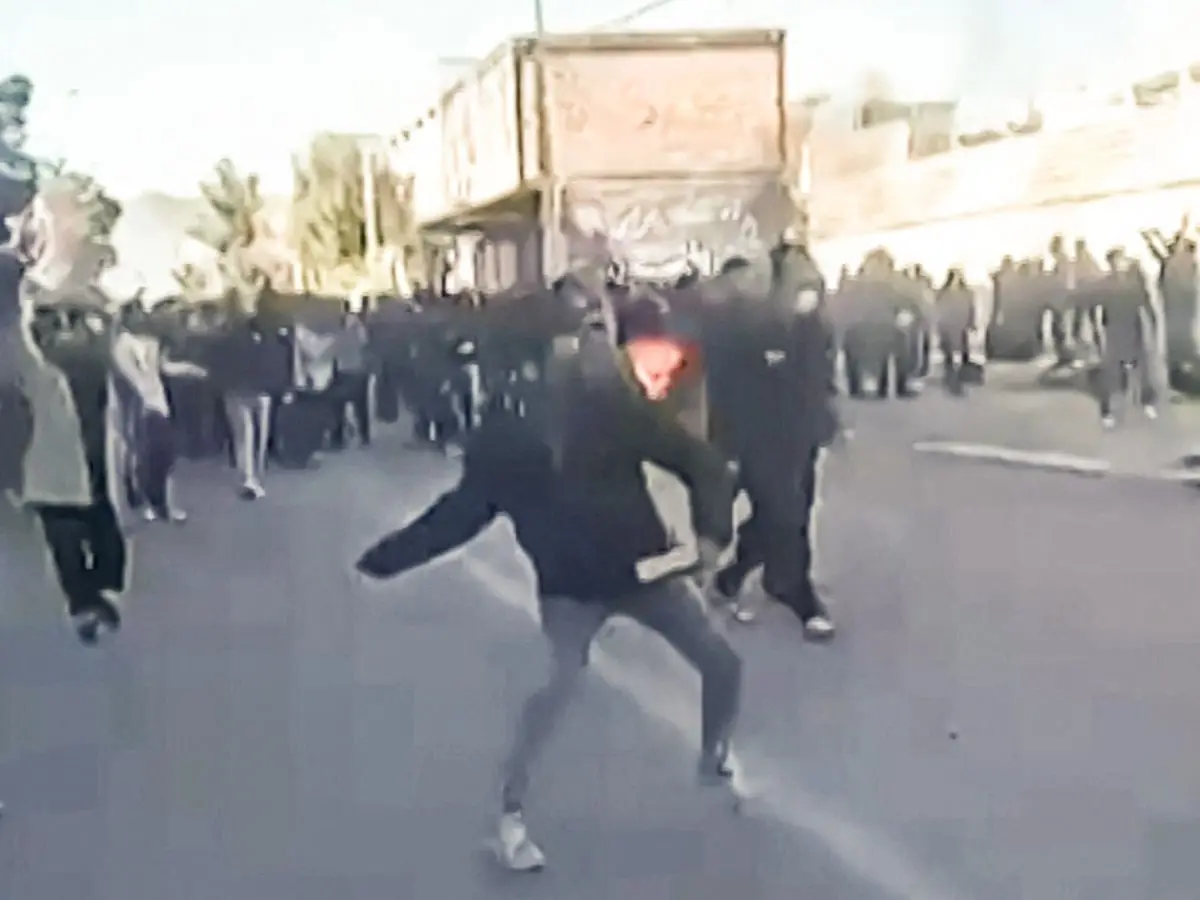
Demonstrations have spread to more than 220 locations across 26 of Iran’s 31 provinces, according to the US-based Human Rights Activists News Agency, said AP. At least 20 people have been killed and over 990 arrests made. Iranian state media has provided little information about the demonstrations, says AP, hence, understanding the scale of protests has been challenging.
3. International pressure and fresh wounds
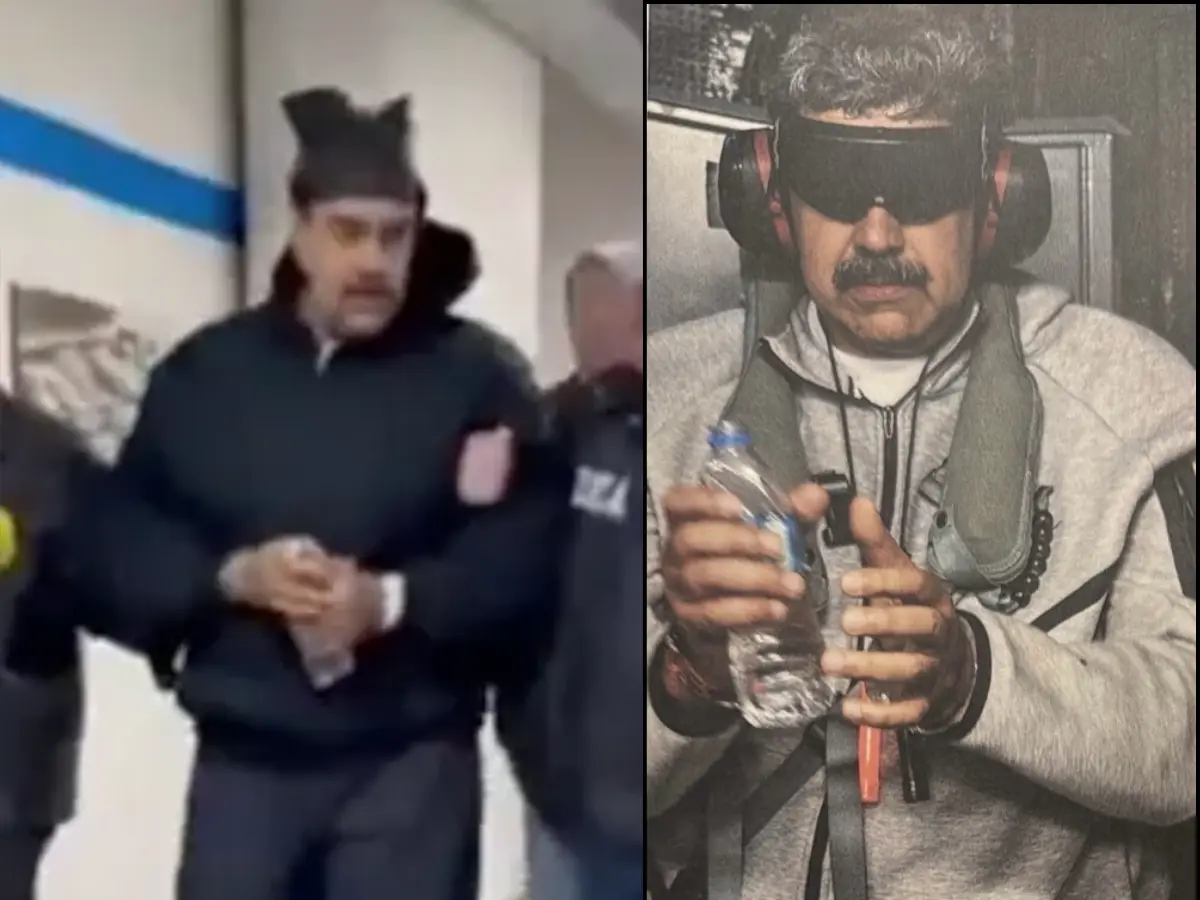
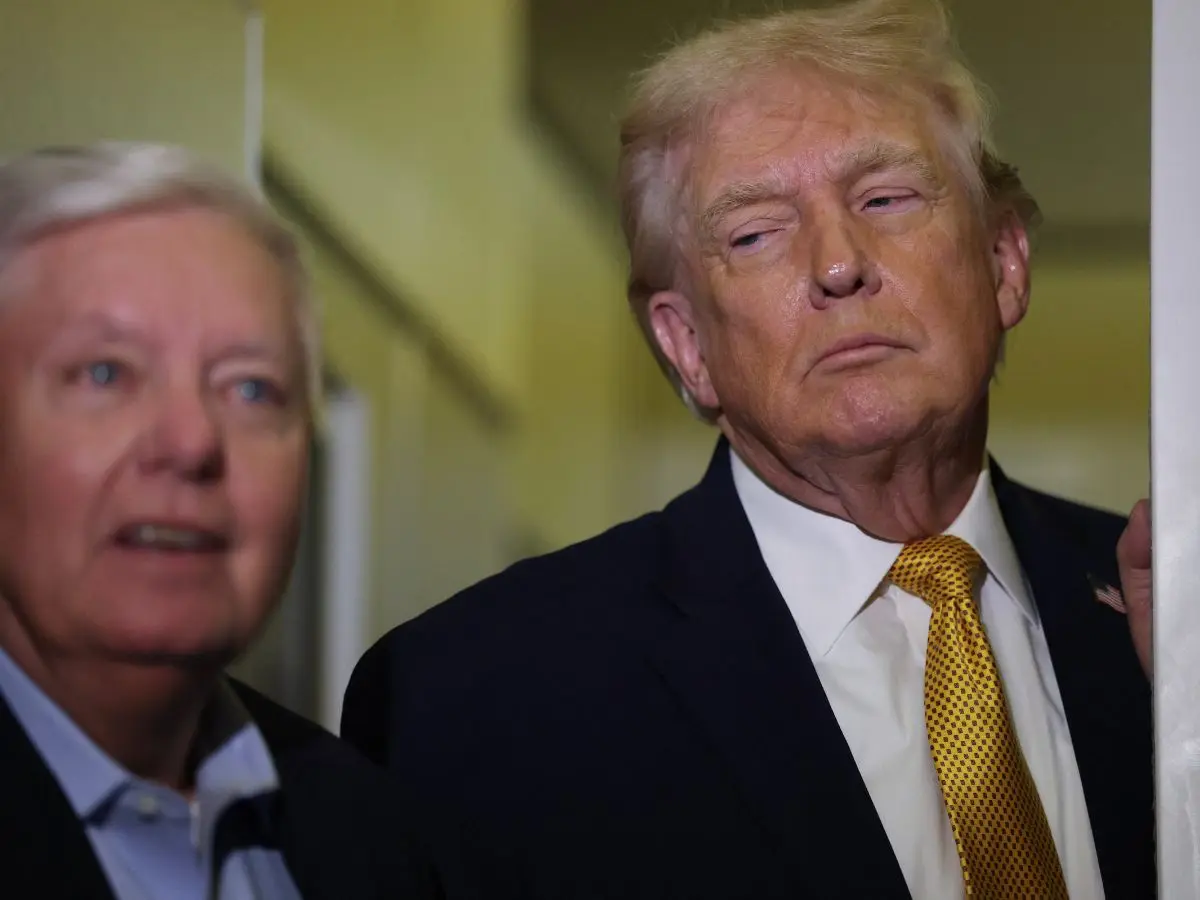
The unrest comes as Tehran is still absorbing the shock of a 12-day conflict with Israel in June, during which the United States carried out airstrikes on Iranian nuclear facilities. Now, with American troops having captured Venezuelan President Nicolás Maduro, a longstanding ally of Tehran, the US President has issued a warning to Iran against using violence to suppress the peaceful protestors. Washington, he said, is closely monitoring developments and would respond decisively if Iranian authorities began killing civilians.
4. Nuclear Tensions and Sanctions Impact
Iran remains under significant pressure due to its contentious nuclear programme, which has drawn renewed sanctions and diplomatic confrontation. These sanctions were imposed by the United Nations over Iran’s nuclear activities in September, which have squeezed foreign investment and restricted access to global markets. The economic downturn has magnified public anger, while Tehran’s attempts to signal openness to negotiation, including a statement that it is not enriching uranium, have yet to result in meaningful talks.
5. Iran’s alliances are weakened
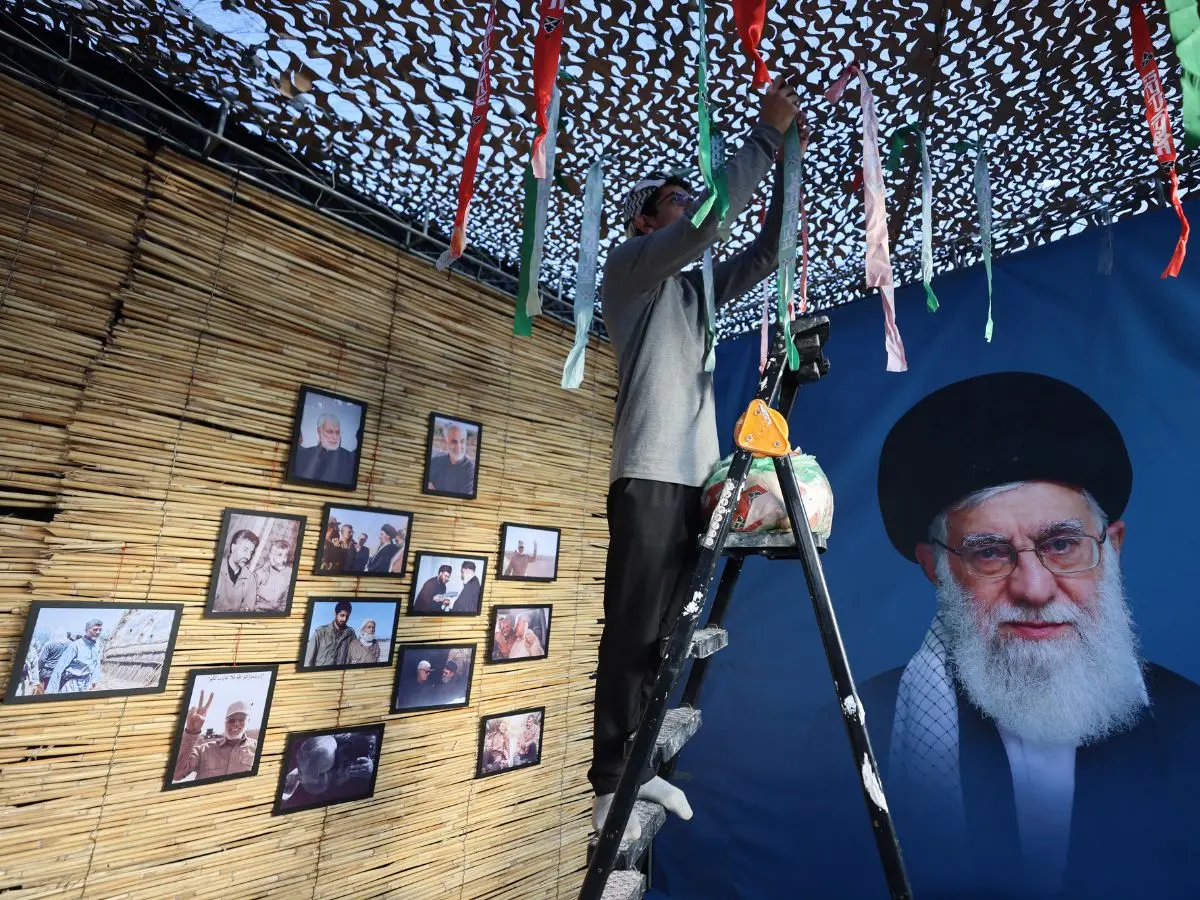
Iran’s 'Axis of Resistance', which grew in prominence in the years after the 2003 US-led invasion and subsequent occupation of Iraq, is reeling. This self-described axis is a coalition of countries and militant groups backed by Tehran, However, it has been decimated in the years since the start of the Israel-Hamas war in 2023. AP says that although, China has remained a major buyer of Iranian crude oil, it has not provided overt military support to the country, nor has Russia, which has relied on Iranian drones in its war on Ukraine.
6. Government Reaction and Internal Pressure
Iran’s leadership has denounced the protests, with the supreme leader asserting that 'rioters must be put in their place,' a statement likely to be interpreted as a green light for forceful action by security forces. The government portrays much of the unrest as driven by external enemies, even as demonstrators call for economic relief and greater political accountability.
)
)
)
)
)