RIM-116, Sea Sparrow, MK-15 Phalanx: The deadly weapon arsenal that makes USS Gerald R. Ford nearly untouchable

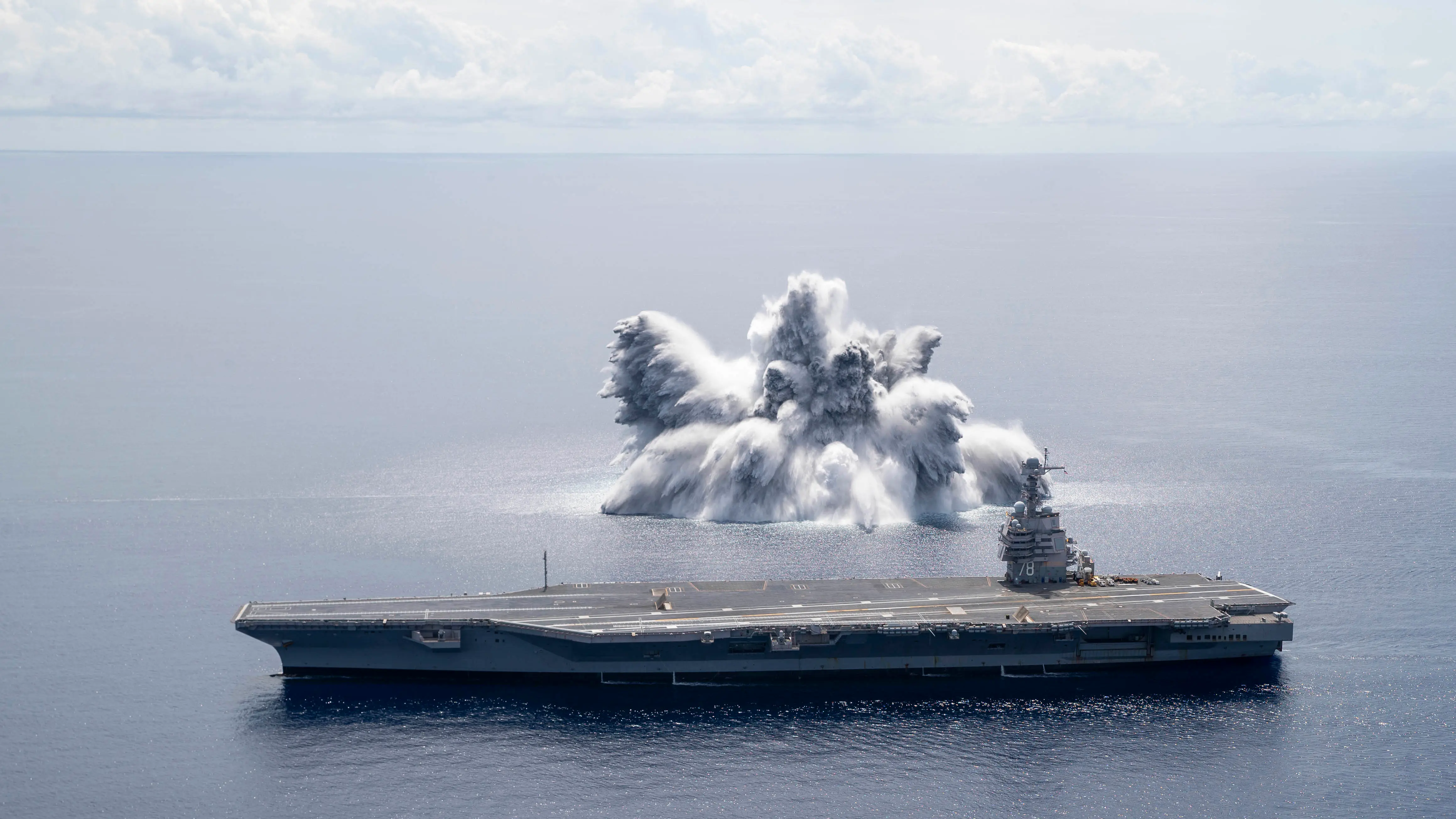
The USS Gerald R. Ford, the lead ship of her class in the United States Navy, is equipped with a suite of defensive weapon systems designed to protect her in contested waters.
Why is it relevant?
The United States Navy has announced the planned redeployment of the USS Gerald R. Ford (CVN‑78) from the Caribbean Sea to the Middle East amid rising tensions with Iran. The carrier, which left its homeport in Norfolk, Virginia, in June 2025 and was subsequently operating near Venezuela as part of US military efforts in the region, is to join the already‑deployed USS Abraham Lincoln.

Defensive arsenal on a floating supercarrier
The USS Gerald R. Ford, the lead ship of her class in the United States Navy, is equipped with a suite of defensive weapon systems designed to protect her in contested waters. Though her primary role is as an airbase at sea, the carrier possesses multiple layers of defence to intercept and neutralise threats ranging from incoming missiles to aircraft and small boats. The Ford uses a combination of ESSM, RIM-116 Rolling Airframe Missiles (RAM), and Phalanx CIWS for layered defense.
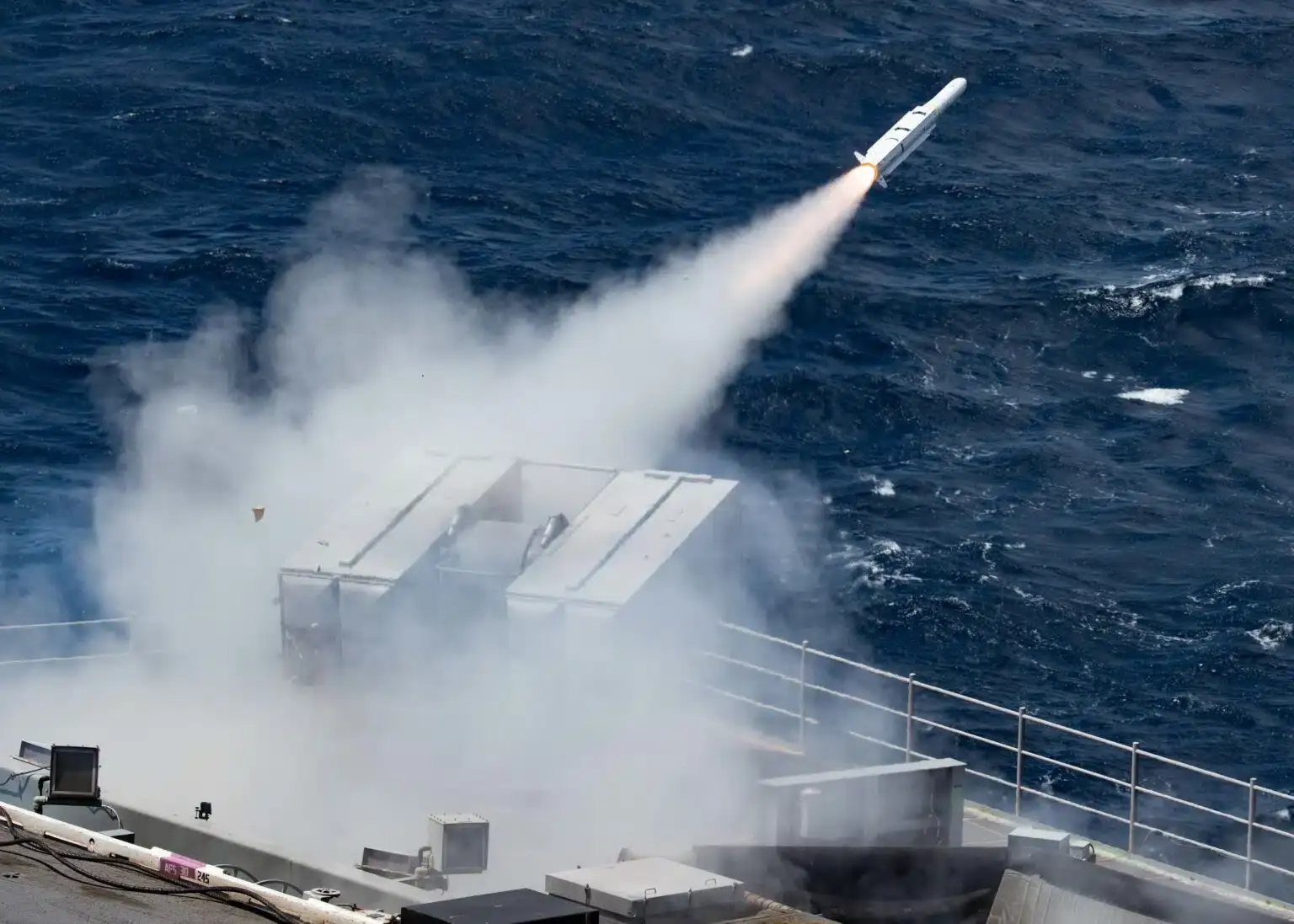
Evolved Sea Sparrow Missile (ESSM)
The Evolved Sea Sparrow Missile (ESSM) forms the principal medium‑range air defence layer. USS Gerald R. Ford carries 2 Mk 29 Guided Missile Launching Systems capable of engaging high‑speed, highly‑manoeuvrable anti‑ship missiles and hostile aircraft. ESSM Block II can reach speeds more than four times the speed of sound and intercept targets at ranges up to roughly 50 km. These missiles can be fired from trainable launchers or quad‑packed in vertical launch systems, increasing their salvo capability.
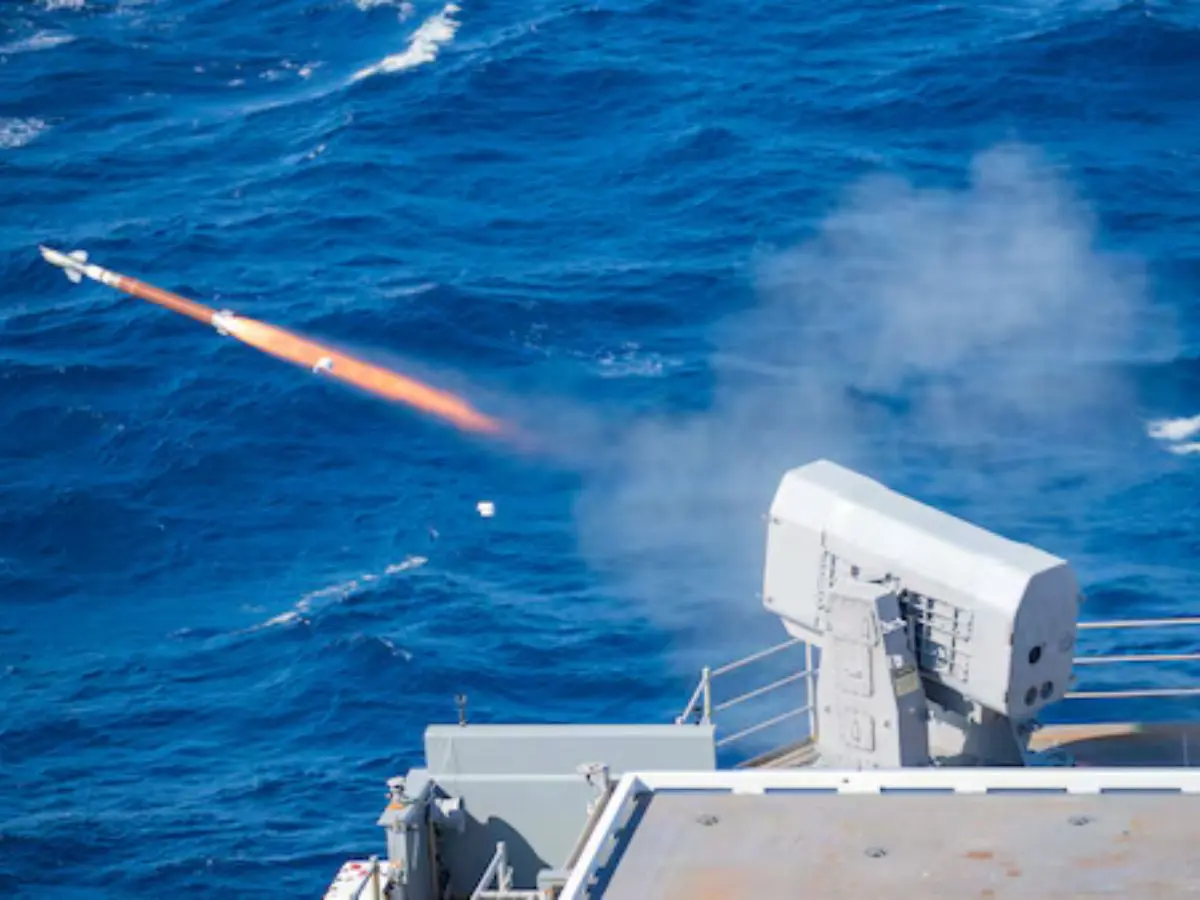
RIM‑116 Rolling Airframe Missile (RAM)
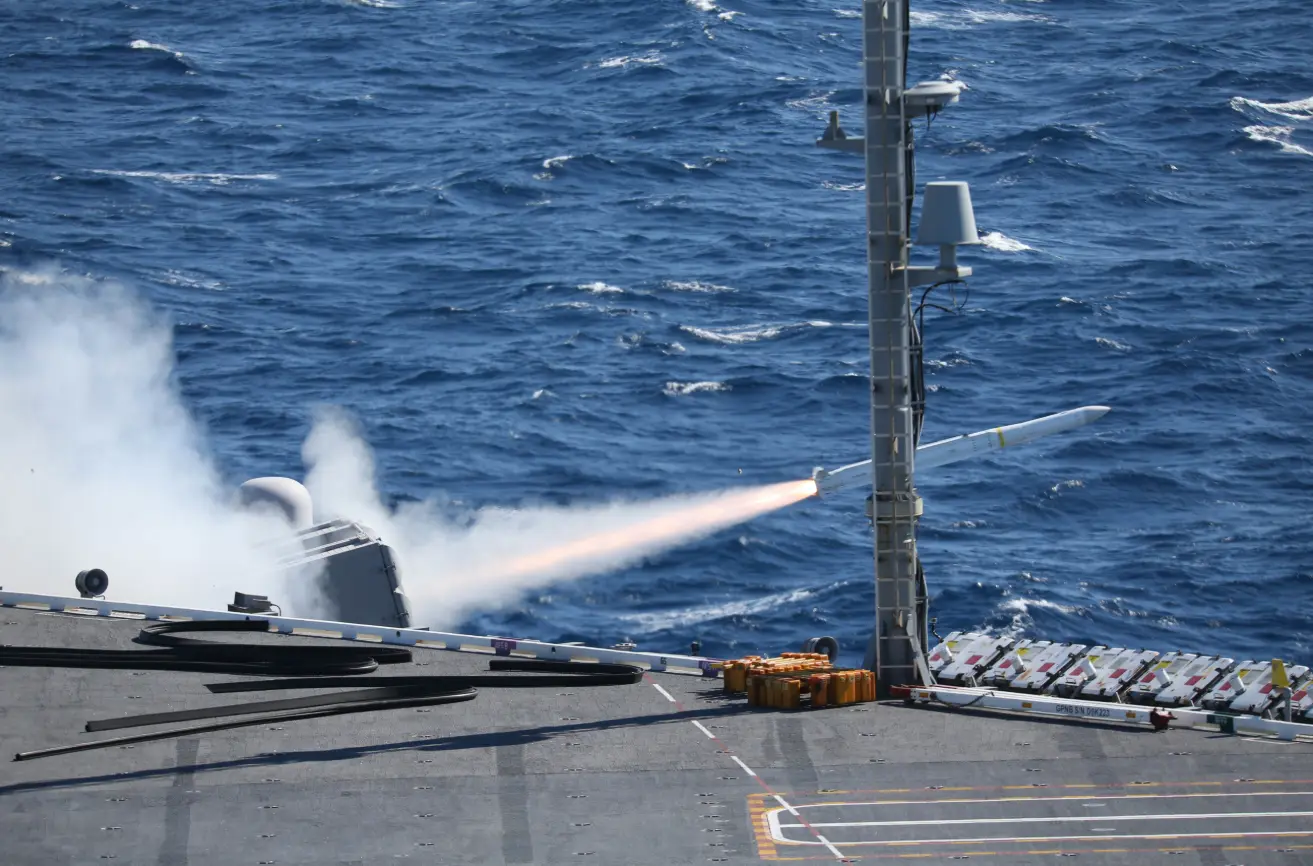
Closer to the flight deck is the RIM‑116 Rolling Airframe Missile, a lightweight, quick‑reaction surface‑to‑air weapon system. Designed to counter incoming anti‑ship cruise missiles, drones and low‑altitude aerial threats, RAM uses a fire‑and‑forget guidance system. The missile’s infrared homing seeker allows rapid response once launched from its dedicated Mk 49 launcher and works in concert with the carrier’s combat sensor systems.
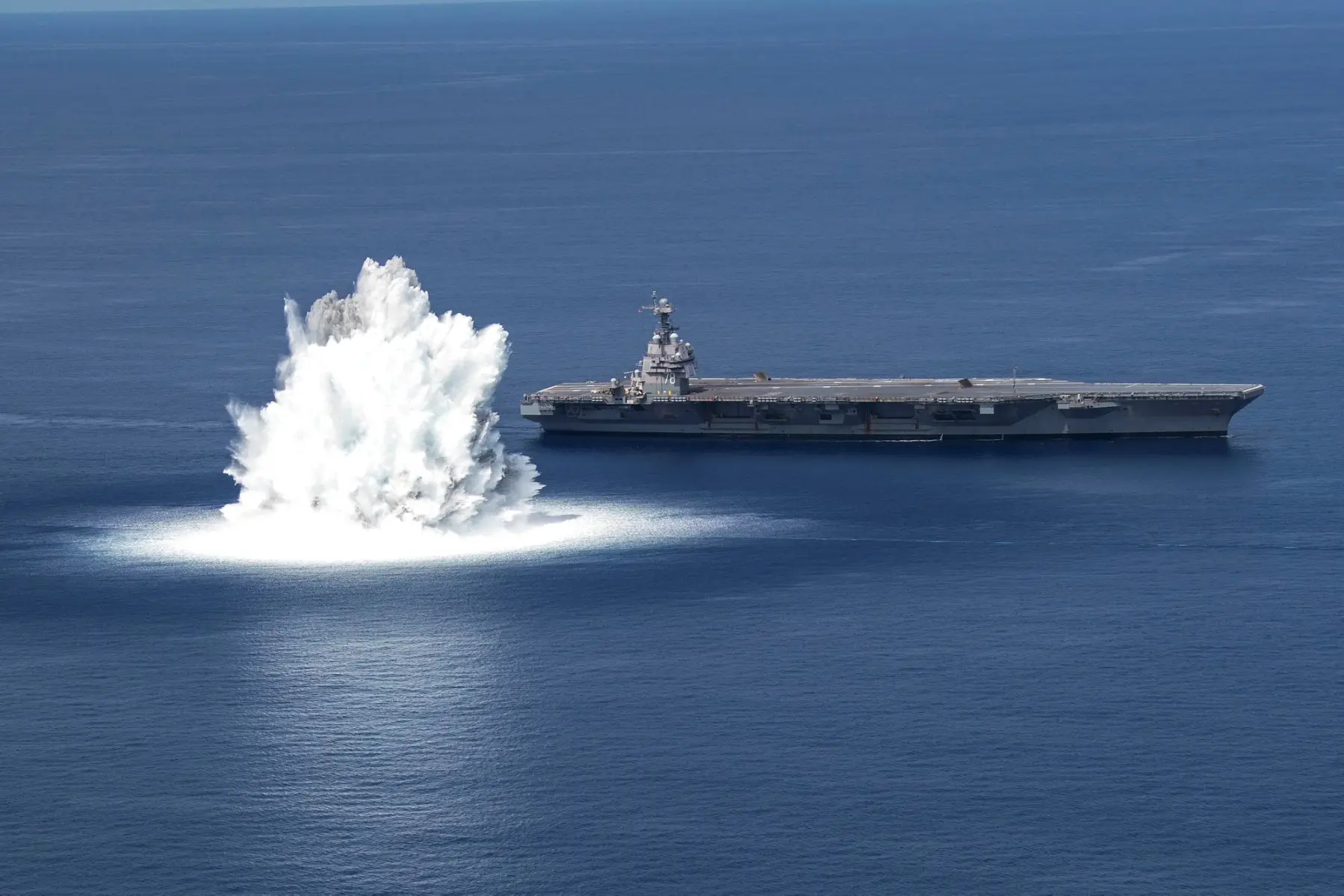
MK‑15 Phalanx Close‑In Weapon System (CIWS)
As a final layer of defence, USS Gerald R. Ford is fitted with MK‑15 Phalanx CIWS units. MK 15 Phalanx CIWS provides ships of the US Navy with an inner layer point defense capability against anti-ship missiles (ASM), aircraft and littoral warfare threats that have penetrated other fleet defenses. These radar‑guided 20 mm Gatling gun systems can autonomously detect, track and engage incoming threats. The system fires 3,000-4,500 rounds per minute to create a protective wall of fire at very short range.
Layered defence in action
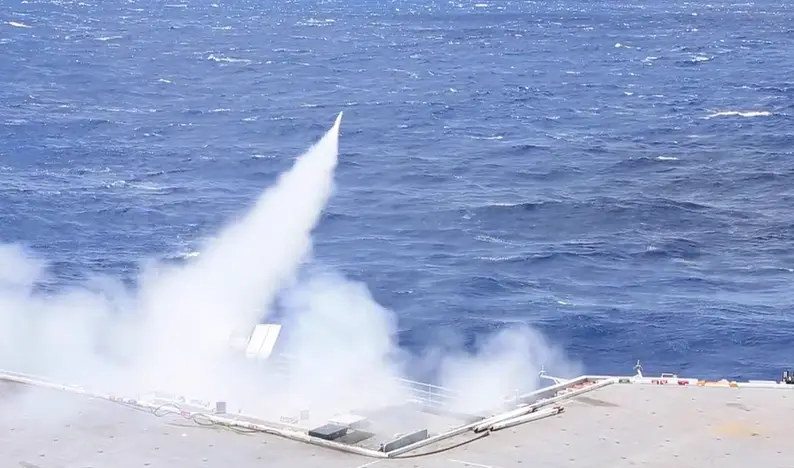
During combat systems qualification trials, the crew demonstrated all three systems in live‑fire exercises, engaging simulated rocket‑propelled drones and high‑speed targets. ESSM, RAM and Phalanx contributed to a coordinated defensive response under controlled conditions, validating the carrier’s weapons integration.
Integration with sensors and combat systems
These weapon systems are linked to the ship’s advanced radar and combat network. The USS Gerald R. Ford employs multi‑function and search radars that detect and track threats long before they reach the carrier, allowing each weapon layer to engage at the optimal point in the threat’s flight path.
Complemented by escort vessels
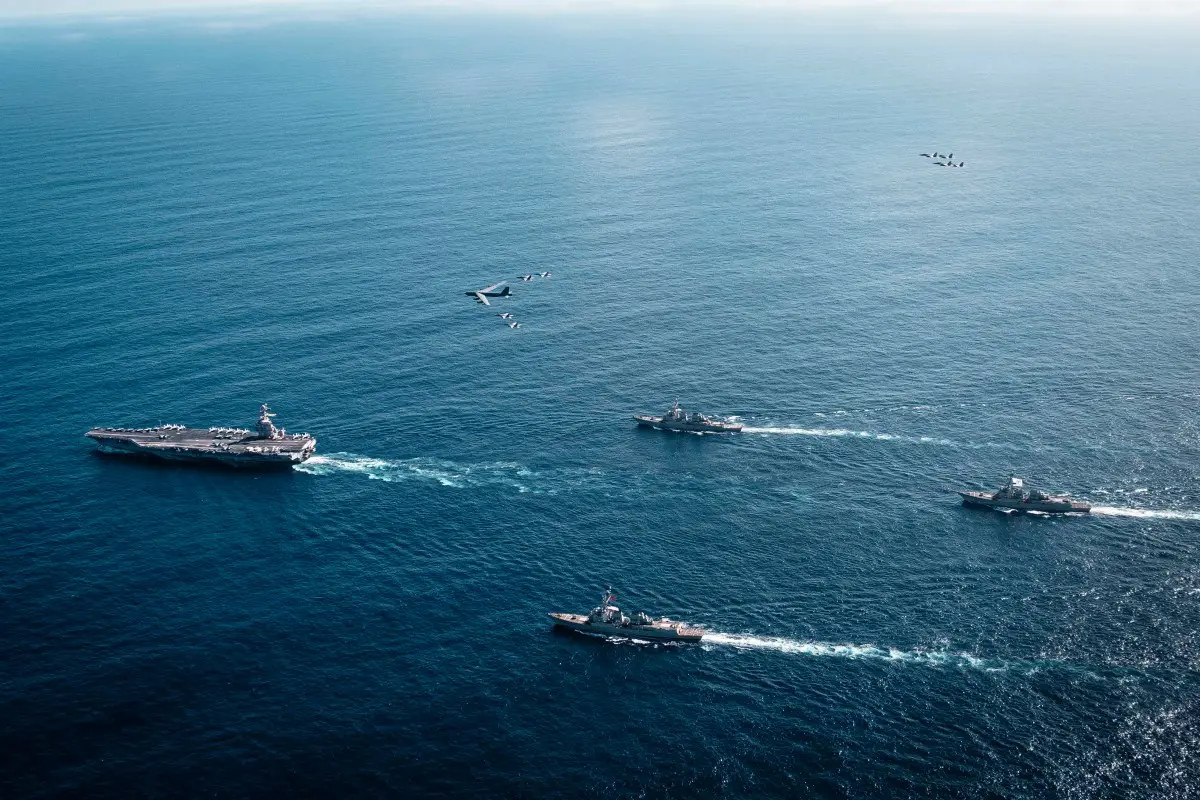
While these systems provide essential point defence, the carrier normally operates within a carrier strike group that includes destroyers and cruisers with longer‑range missile defence capabilities. Together, they create a protective bubble extending far beyond the carrier itself.

)
)

)