Reza Pahlavi urges Trump to ditch Iran talks as US envoys calls nuclear deal 'difficult to impossible': What's next?

Reza Pahlavi urged US military action to hasten Iran’s regime collapse and offered to lead a democratic transition. While Trump hints at regime change and builds military pressure, nuclear talks continue amid deep mistrust and uncertainty over a deal.
Reza Pahlavi's speech and rally in Munich
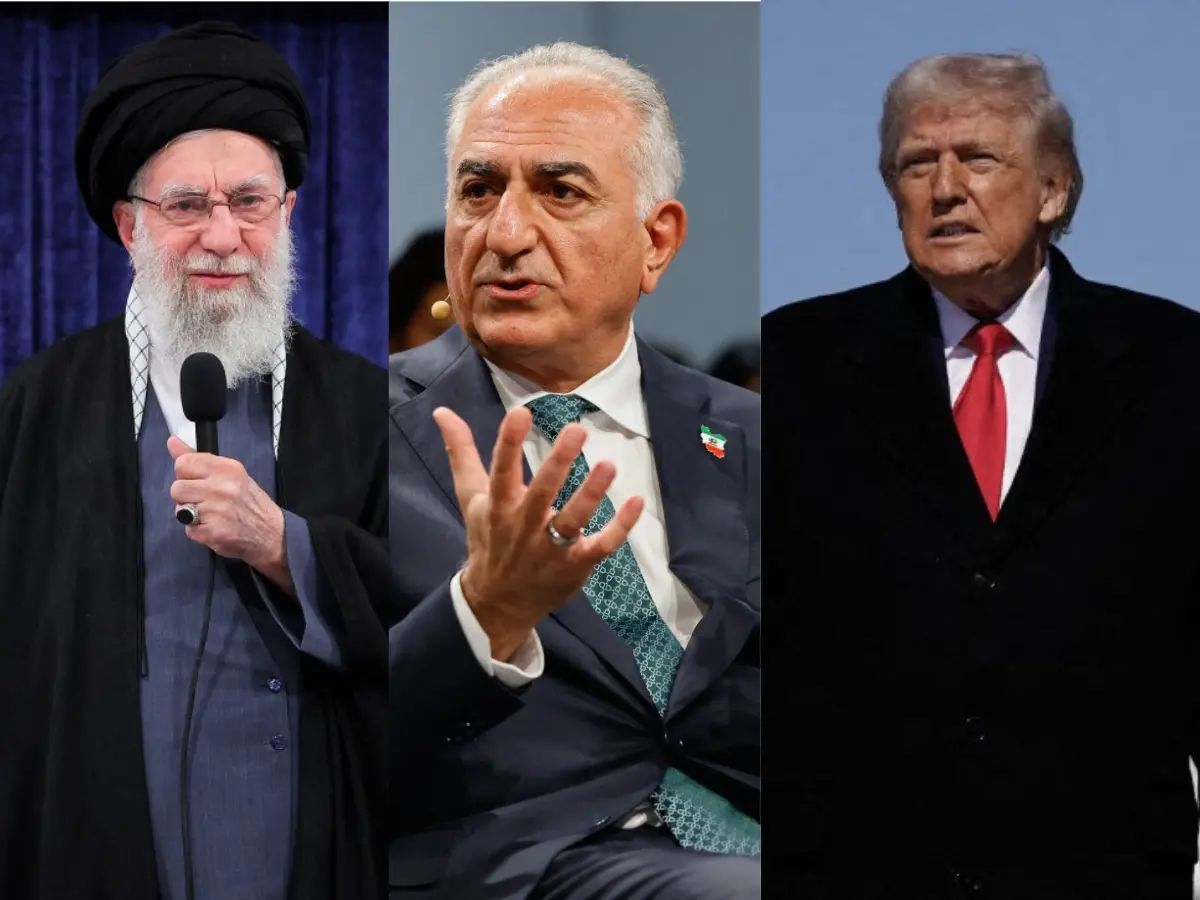
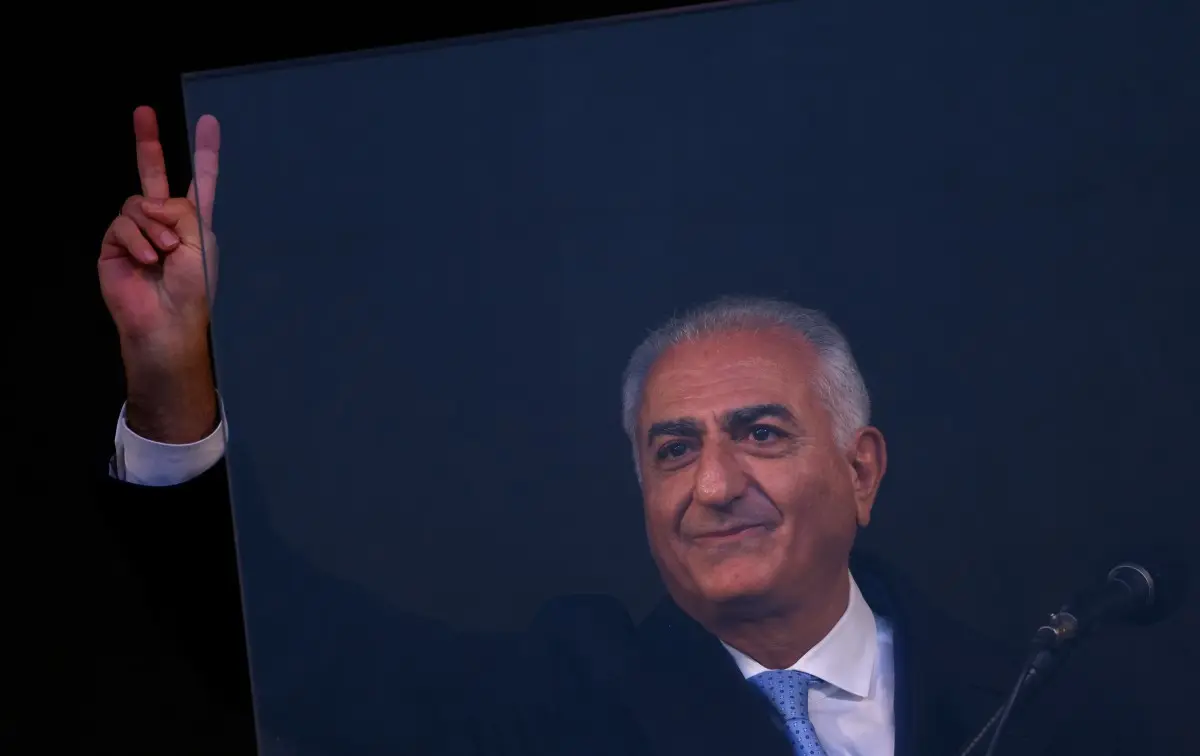
Iranian opposition leader Reza Pahlavi has urged the US military to intervene in Iran, adding that he is ready to lead the country to a "secular democratic future." He also urged US President Donald Trump to not spend too much time in negotiating with Tehran's clerical rulers on a nuclear deal. The exiled son of Iran's toppled shah told Reuters in an interview that there were signs that the Iranian government was on the brink of collapse and that an attack could weaken it or accelerate its fall. Pahlavi was speaking on the sidelines of the Munich Security Conference, where officials from the Iranian government are banned. Around 200,000 Iranian exiles and opposition supporters gathered in Munich to hear Pahlavi.
What Pahlavi appealed to Trump?
“It's a matter of time. We are hoping that this attack will expedite the process and the people can be finally back in the streets and take it all the way to the ultimate regime's downfall…I am here to guarantee a transition to a secular democratic future. I am committed to being the leader of transition for you so we can one day have the final opportunity to decide the fate of our country through a democratic, transparent process to the ballot box,” he said. ”People are hoping that at some point the decision will be made that there's no use, there's no point, we're not going to get anywhere with negotiations. Therefore, that's time for the United States to intervene and do what President Trump promised he will do, to have the people's back," he added.
What was Trump and Vance's warning to Iran?
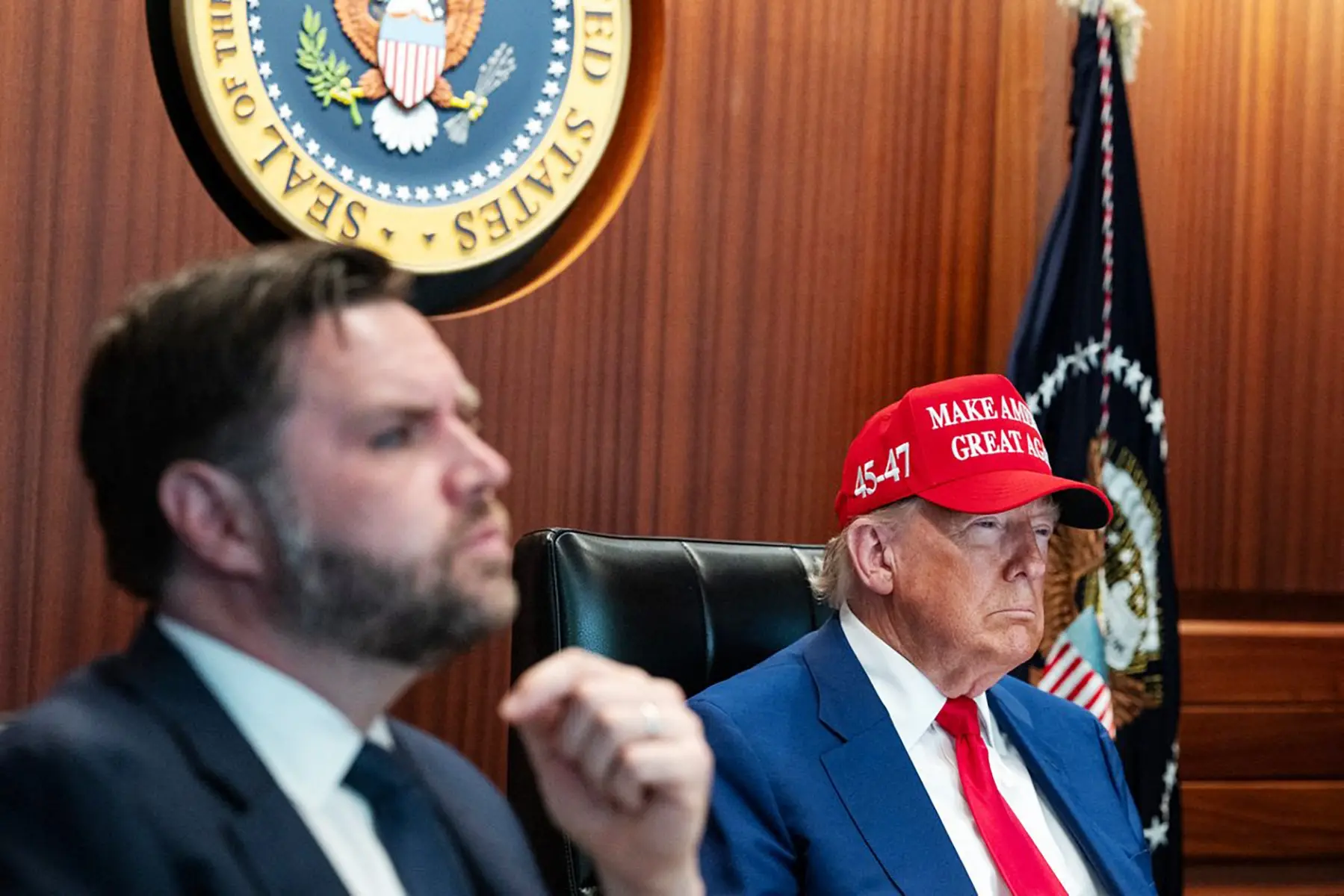
This comes after Trump said that a change in power in Iran would be the best thing that could happen. This week, POTUS did not rule out an option of striking Iran. "Either we will make a deal or we will have to do something very tough like last time," he said. Earlier, US Vice President JD Vance warned Iran and said that there is "another option on the table" if Tehran fails to cut a deal that ensures the nation will not have nuclear weapons.
What Trump said about Pahlavi?
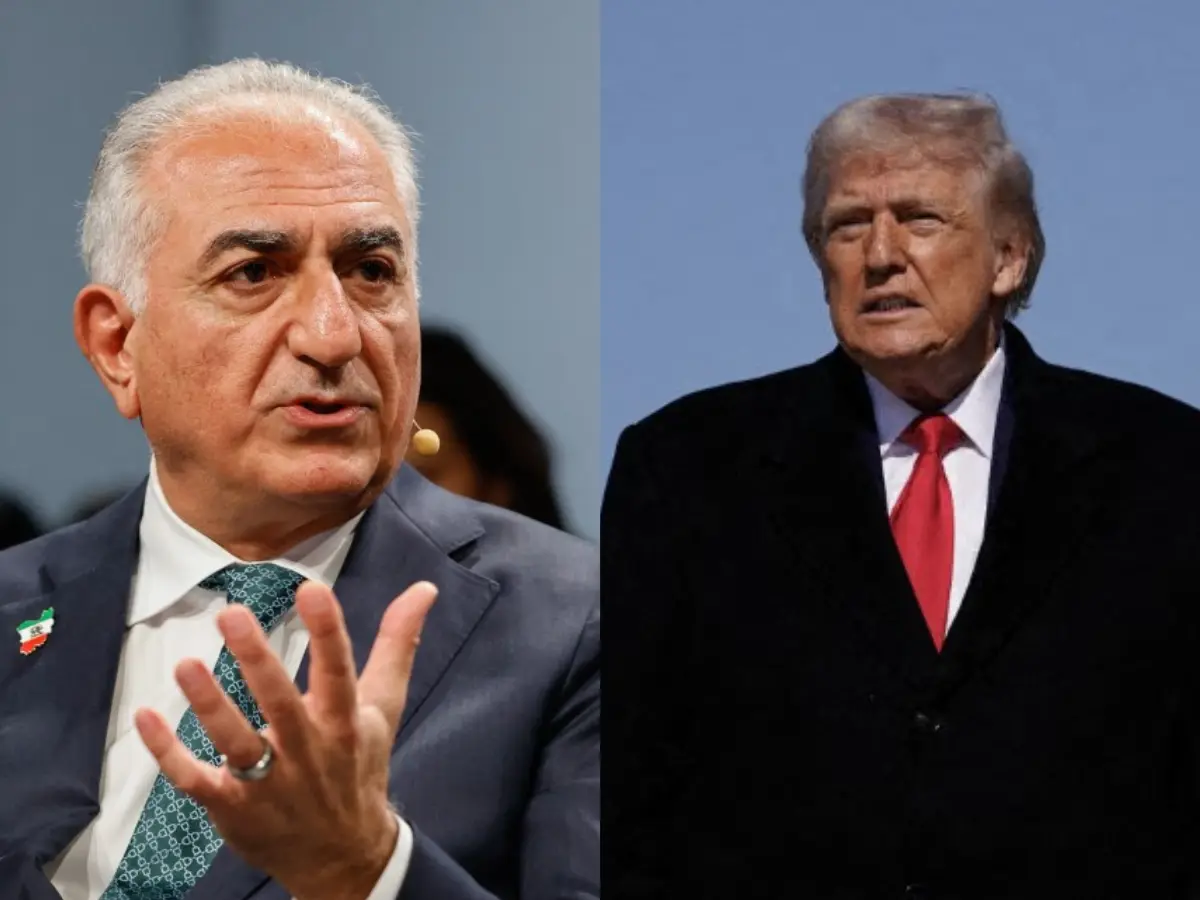
Despite Pahlavi's requests, Trump has his doubts about him. Even as his ally and US Senator Lindsey Graham met Pahlavi, Trump did not endorse him as the next leader of Iran. Trump is of the opinion that Pahlavi does not have mass appeal and support.
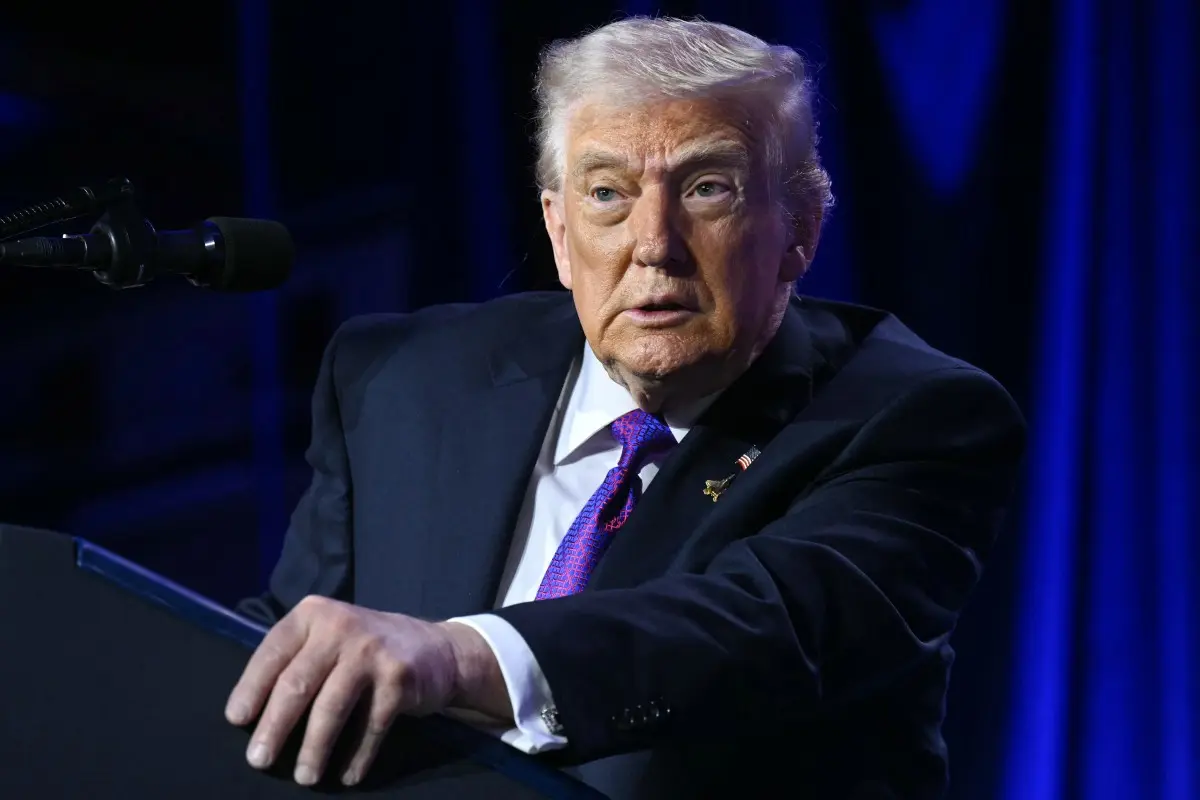
What are Trump's plans on Iran?
Trump has deployed USS Abraham Lincoln and USS Gerald R Ford near Iran in West Asia, and has been constantly increasing US military buildup in the region. He along with Israeli Prime Minister Benjamin Netanyahu, are also planning to intensify the “maximum pressure policy” in order to force Iran to give up its nuclear program. Trump has been threatening Iran of attacks since the anti-government protests in Iran in December 2025. However, he has not yet attacked the country with his administration pressing that he would want a diplomatic solution to the issue.
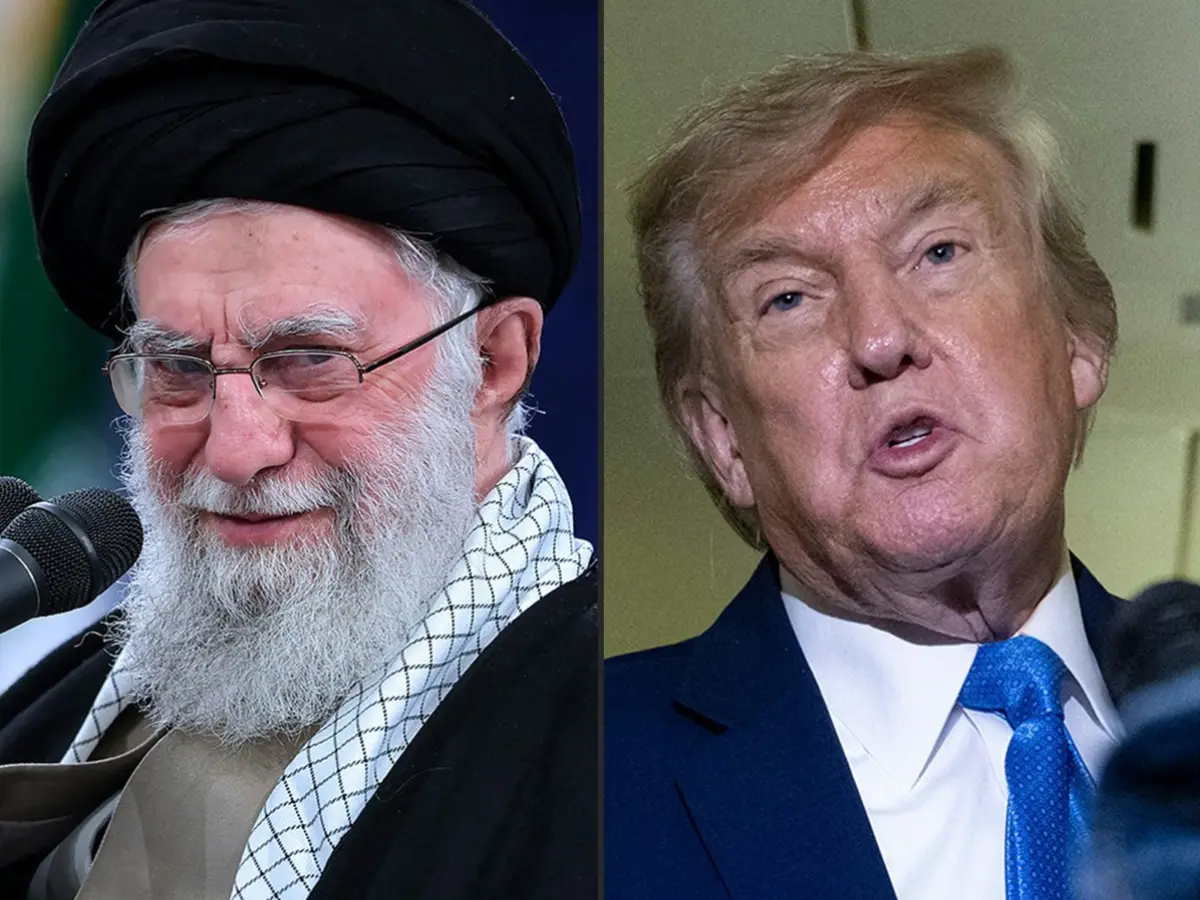
US-Iran nuclear talks
US and Iran and back to negotiation table with Trump declaring that the deal will only be made if there is no nuclear weapon and Tehran clarifying that their ballistic missile program is "non-negotiable." First round of the latest talks took place on February 6 in Muscat. Next rounds are scheduled in Geneva, Switzerland, on February 17. However, Trump's top advisors may have told him that making a deal with Iran on its nuclear program is historically “difficult to impossible.”
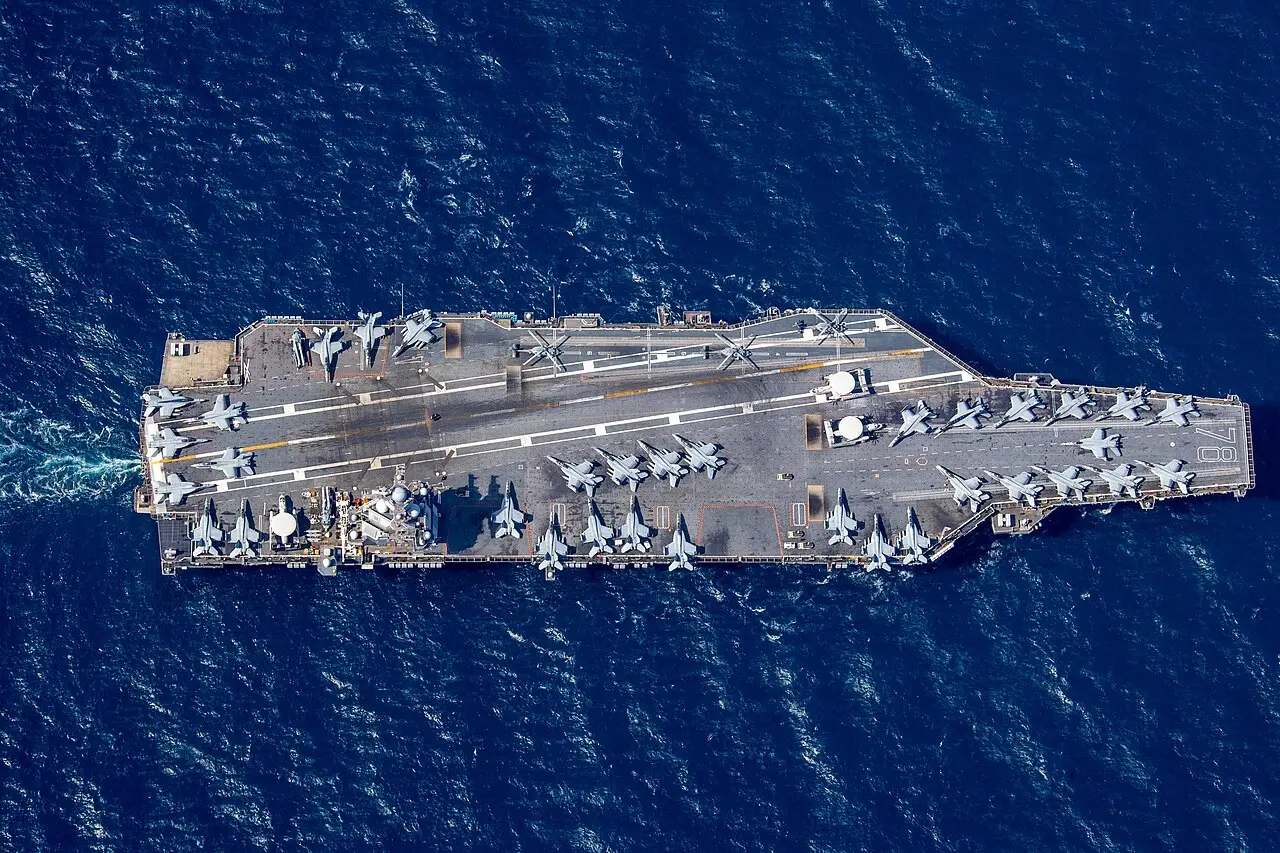
What's next?
While Rubio has stated that Trump will prefer diplomatic resolution, analysts fear that Trump may order strike on Tehran suddenly, similar to what he did in June 2025. Even as Trump had told reporters he would decide whether to strike “within the next two weeks”, just two days later he ordered US troops to strike three key Iranian nuclear facilities: Fordow, Natanz, and Isfahan.
)
)

)
)