Revisiting Rakesh Sharma’s space legacy as ISRO's Shubhanshu Shukla prepares for Axiom-4 mission (In pics)

Authored By Subhadra Srivastava
Published: May 17, 2025, 11:57 IST | Updated: May 17, 2025, 11:57 IST
As Shubhanshu Shukla readies to become the second Indian in space, a look back at the journey of the first—Rakesh Sharma. Wing Commander Rakesh Sharma ventured into space more than four decades ago, in April 1984.
1 / 14
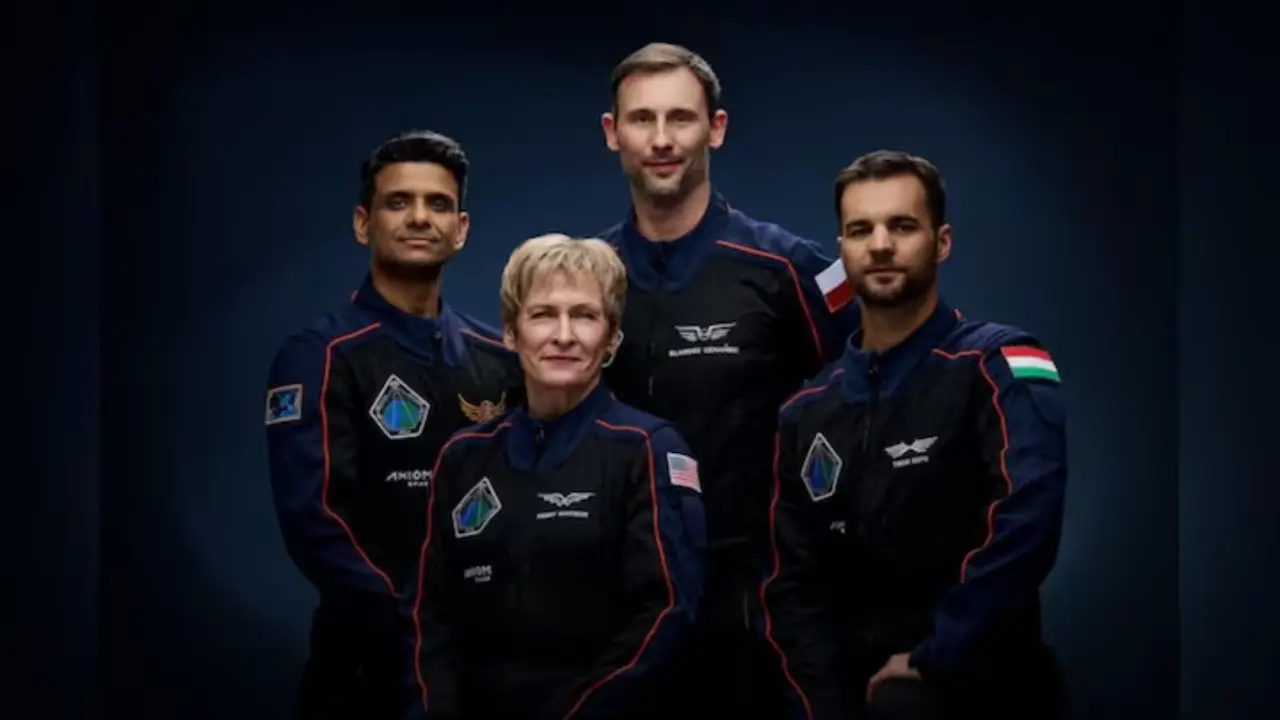
Axiom-4
The upcoming Axiom-4 mission to the International Space Station (ISS), now postponed to 8 June 2025, includes Group Captain Shubhanshu Shukla of the Indian Air Force. However, as Group Captain Shukla readies to become the second Indian in space, a look back at the journey of the first—Rakesh Sharma. Wing Commander Rakesh Sharma ventured into space more than four decades ago, in April 1984.
2 / 14
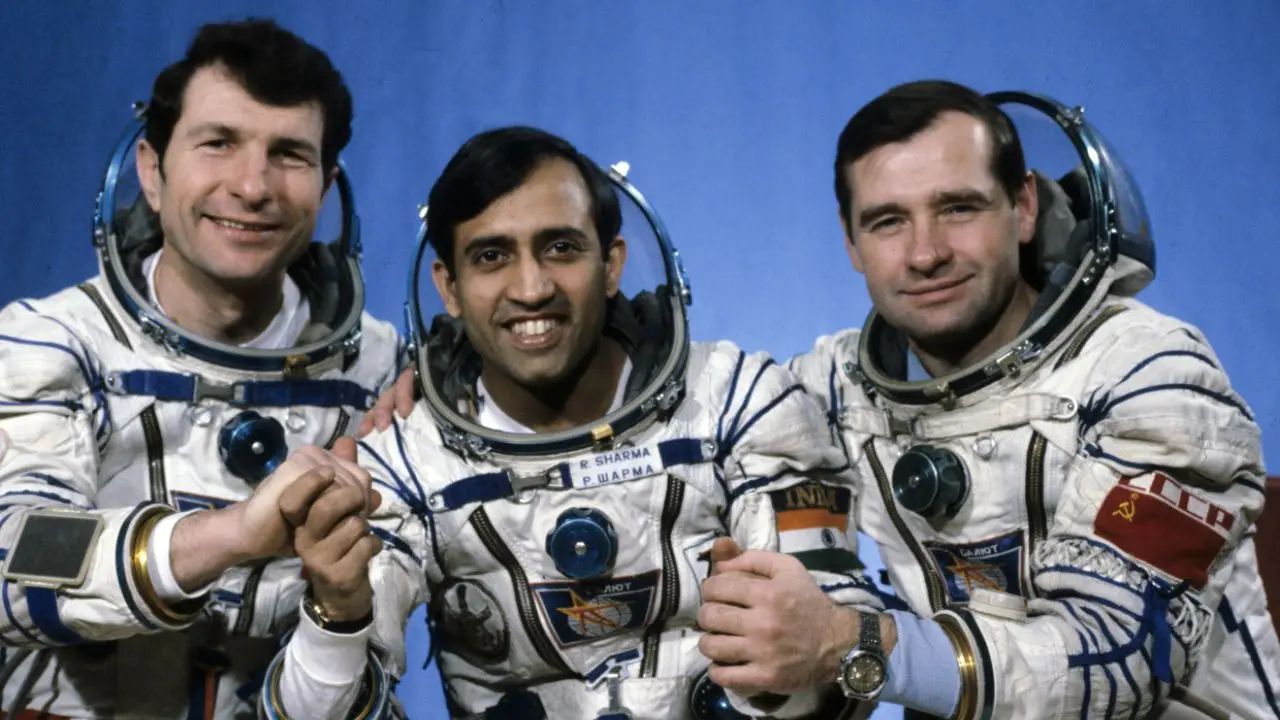
Rakesh Sharma—India’s first spacefarer
Born on 13 January 1949 in Patiala, Punja Rakesh Sharma joined the Indian Air Force (IAF) in 1970. Rakesh had already flown 21 combat missions during the 1971 Bangladesh liberation war before being selected for spaceflight. In 1982, he was chosen as part of a joint Indo-Soviet mission and trained at the Yuri Gagarin Cosmonaut Training Centre in the USSR.
3 / 14
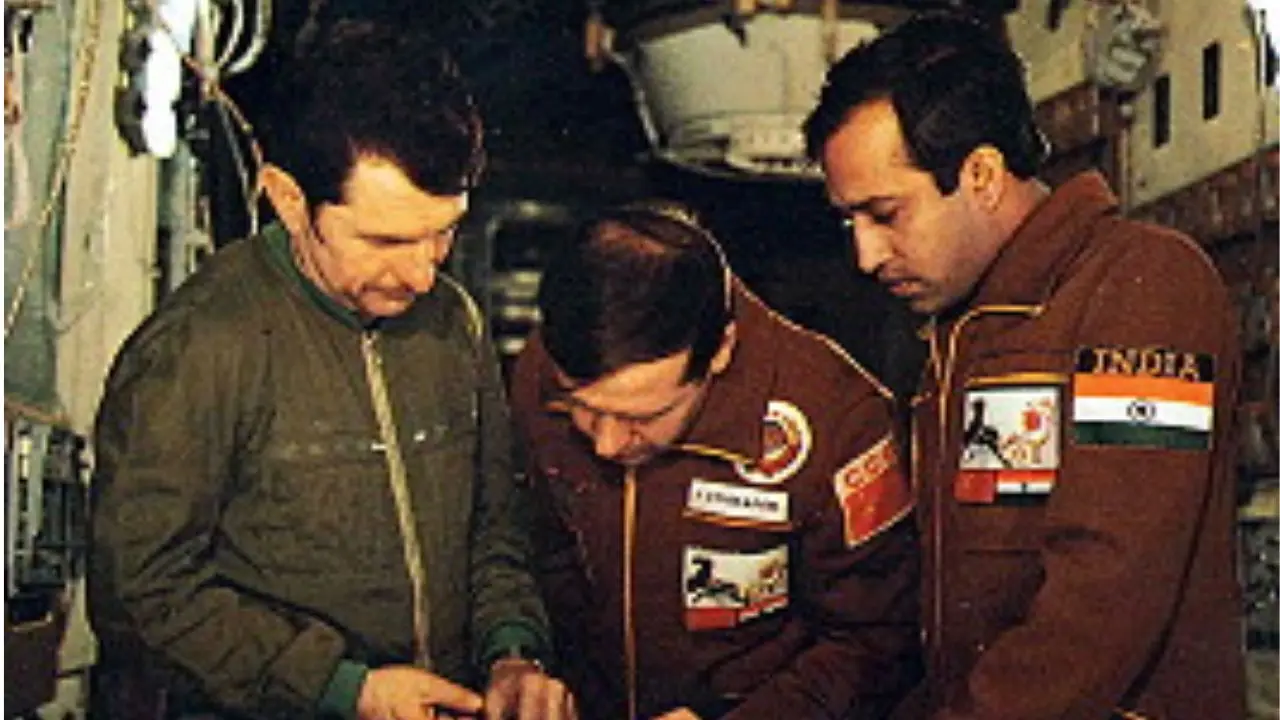
The historic mission—Soyuz T-11
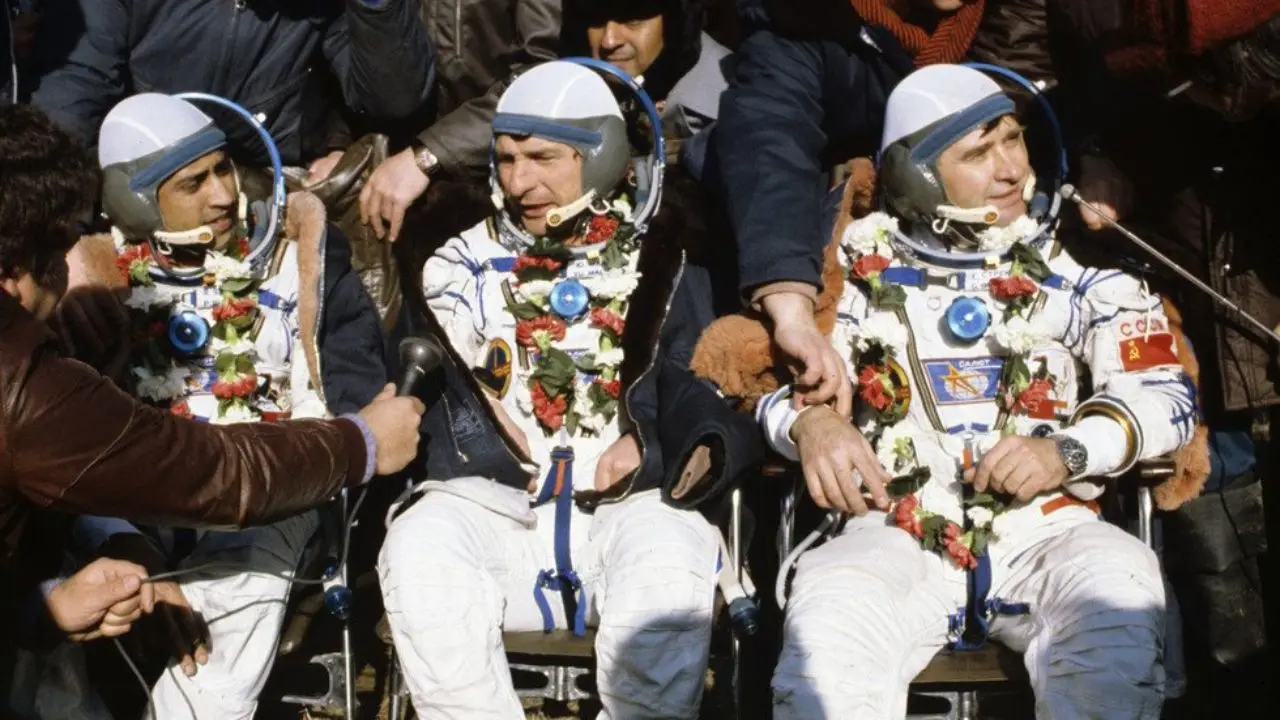
On 3 April 1984, Sharma lifted off aboard Soyuz T-11 alongside Soviet cosmonauts Yury Malyshev and Gennady Strekalov. They docked with the Salyut 7 space station, where Sharma spent 7 days, 21 hours, and 40 minutes in orbit. During the mission, Sharma conducted 43 scientific experiments, including studies in biomedicine, remote sensing, and the effects of yoga in microgravity.
4 / 14
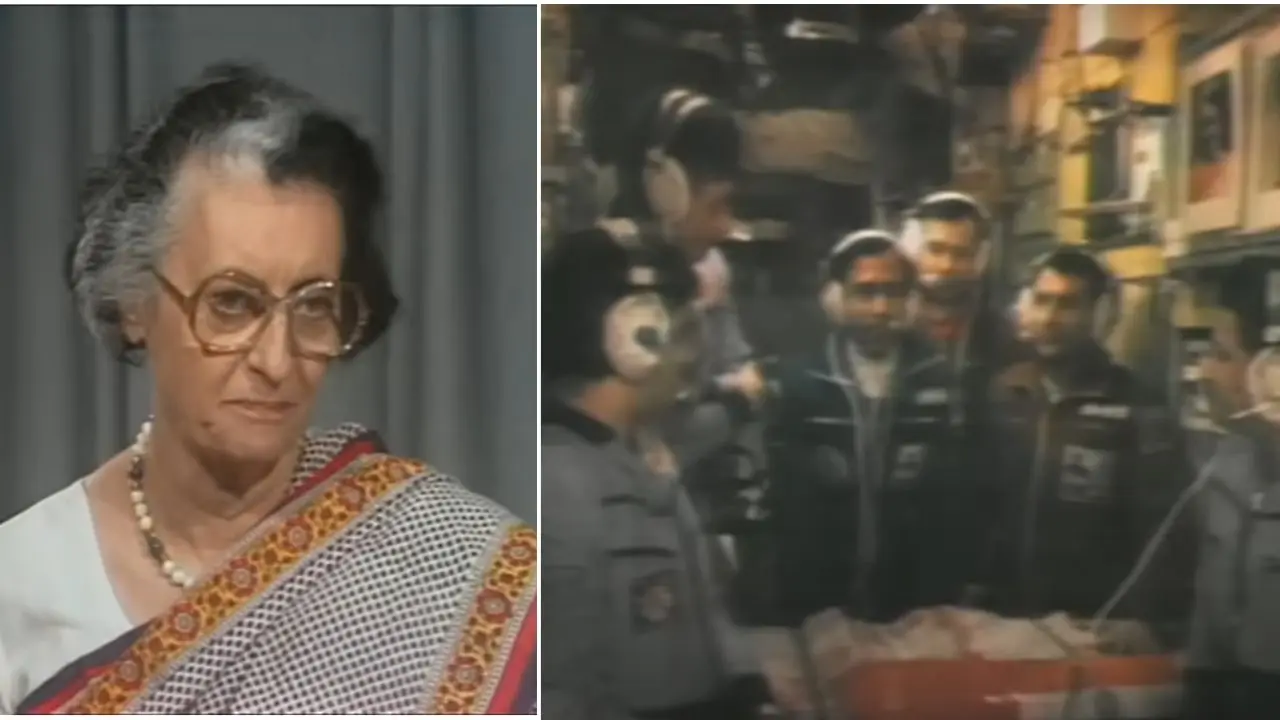
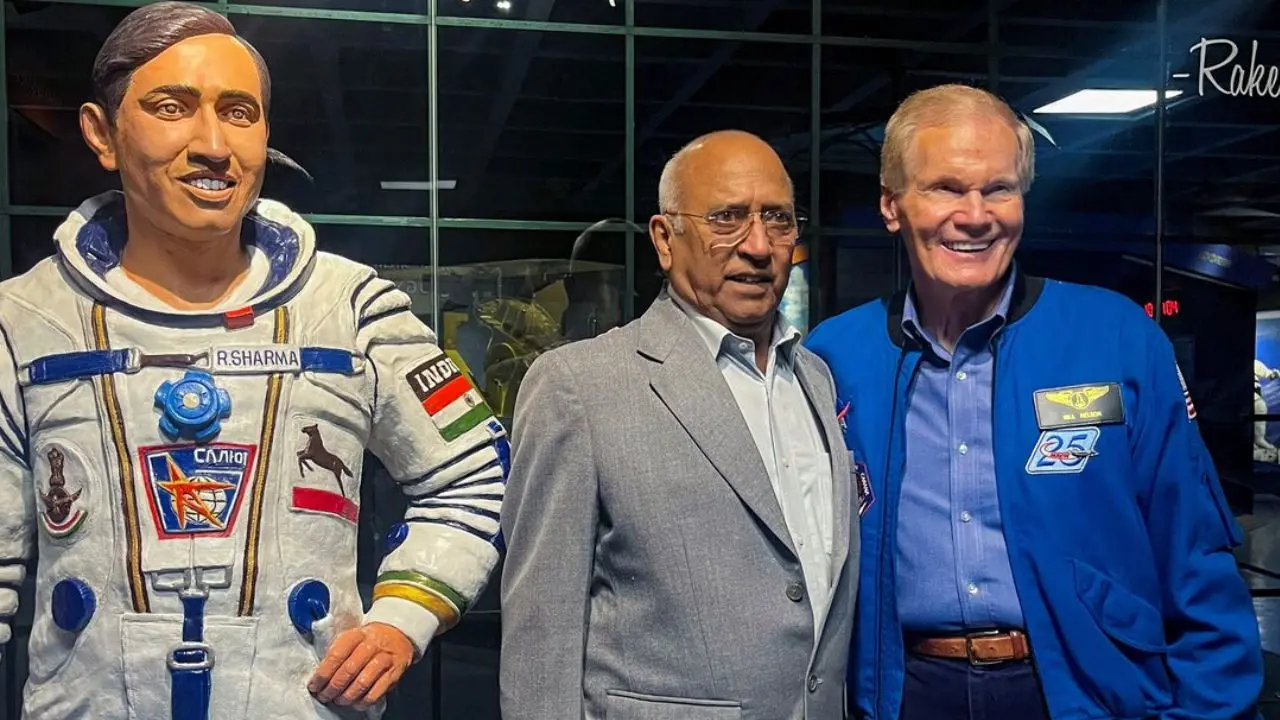
“Saare Jahaan Se Accha”—A moment etched in memory
In one of the mission's most memorable moments, when Prime Minister Indira Gandhi asked Sharma how India looked from space, his reply was, "Saare Jahaan Se Accha" (Better than the entire world). This line from poet Iqbal’s celebrated patriotic poem—struck a chord with the nation and became a lasting symbol of national pride, remembered till date.
5 / 14
Life after spaceflight
Sharma was honoured with the Ashoka Chakra, following the mission, which is India’s highest peacetime gallantry award. The Soviet Union also conferred upon him the Hero of the Soviet Union title, their highest recognition. In 1987, he retired from the IAF as a Wing Commander and joined Hindustan Aeronautics Limited (HAL) as chief test pilot. Later, Sharma also chaired a technology company in Bengaluru before retiring in 2001.
6 / 14
His early life
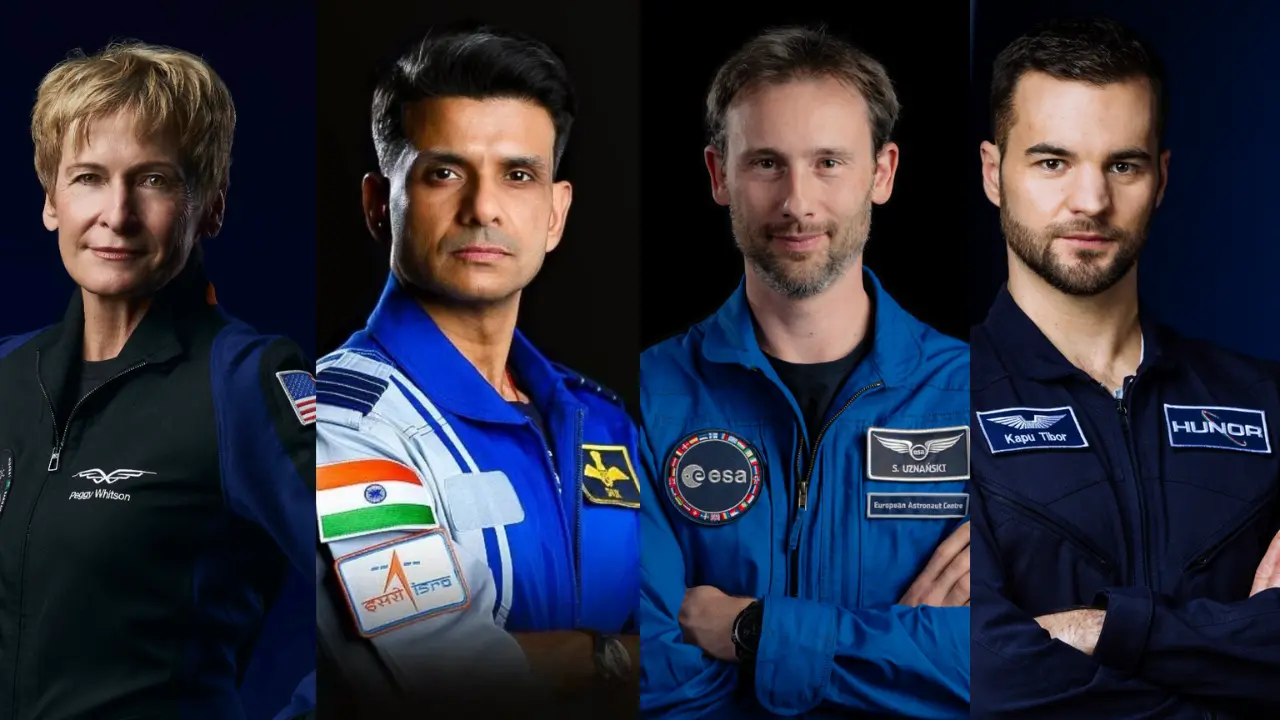
Sharma completed his education from St. George’s Grammar School and Nizam College in Hyderabad before joining the National Defence Academy in 1966. His story is one of steady dedication to service and country, defined by both combat and cosmic frontiers.
7 / 14
India’s space legacy grows
With the Axiom-4 mission and the upcoming Gaganyaan human spaceflight programme, India is poised to return to crewed missions. Sharma, recently openly expressed his eagerness to see more Indians in space. He remains the only Indian citizen to have travelled to space. Others of Indian origin, like Kalpana Chawla and Sunita Williams, have flown under foreign flags.
8 / 14
Axiom-4
The upcoming Axiom-4 mission to the International Space Station (ISS), now postponed to 8 June 2025, includes Group Captain Shubhanshu Shukla of the Indian Air Force. However, as Group Captain Shukla readies to become the second Indian in space, a look back at the journey of the first—Rakesh Sharma. Wing Commander Rakesh Sharma ventured into space more than four decades ago, in April 1984.
9 / 14
Rakesh Sharma—India’s first spacefarer
Born on 13 January 1949 in Patiala, Punja Rakesh Sharma joined the Indian Air Force (IAF) in 1970. Rakesh had already flown 21 combat missions during the 1971 Bangladesh liberation war before being selected for spaceflight. In 1982, he was chosen as part of a joint Indo-Soviet mission and trained at the Yuri Gagarin Cosmonaut Training Centre in the USSR.
10 / 14
The historic mission—Soyuz T-11
On 3 April 1984, Sharma lifted off aboard Soyuz T-11 alongside Soviet cosmonauts Yury Malyshev and Gennady Strekalov. They docked with the Salyut 7 space station, where Sharma spent 7 days, 21 hours, and 40 minutes in orbit. During the mission, Sharma conducted 43 scientific experiments, including studies in biomedicine, remote sensing, and the effects of yoga in microgravity.
11 / 14
“Saare Jahaan Se Accha”—A moment etched in memory
In one of the mission's most memorable moments, when Prime Minister Indira Gandhi asked Sharma how India looked from space, his reply was, "Saare Jahaan Se Accha" (Better than the entire world). This line from poet Iqbal’s celebrated patriotic poem—struck a chord with the nation and became a lasting symbol of national pride, remembered till date.
12 / 14
Life after spaceflight
Sharma was honoured with the Ashoka Chakra, following the mission, which is India’s highest peacetime gallantry award. The Soviet Union also conferred upon him the Hero of the Soviet Union title, their highest recognition. In 1987, he retired from the IAF as a Wing Commander and joined Hindustan Aeronautics Limited (HAL) as chief test pilot. Later, Sharma also chaired a technology company in Bengaluru before retiring in 2001.
13 / 14
His early life
Sharma completed his education from St. George’s Grammar School and Nizam College in Hyderabad before joining the National Defence Academy in 1966. His story is one of steady dedication to service and country, defined by both combat and cosmic frontiers.
14 / 14
India’s space legacy grows
With the Axiom-4 mission and the upcoming Gaganyaan human spaceflight programme, India is poised to return to crewed missions. Sharma, recently openly expressed his eagerness to see more Indians in space. He remains the only Indian citizen to have travelled to space. Others of Indian origin, like Kalpana Chawla and Sunita Williams, have flown under foreign flags.
)
)
)
)
)