Reverse-engineering or time travel? The B-2 bomber’s striking resemblance to 1950s UFO sightings

The more prosaic answer is that the resemblance stems from aerodynamics and stealth physics that engineers had been chasing since the 1940s.
The claim in a nutshell
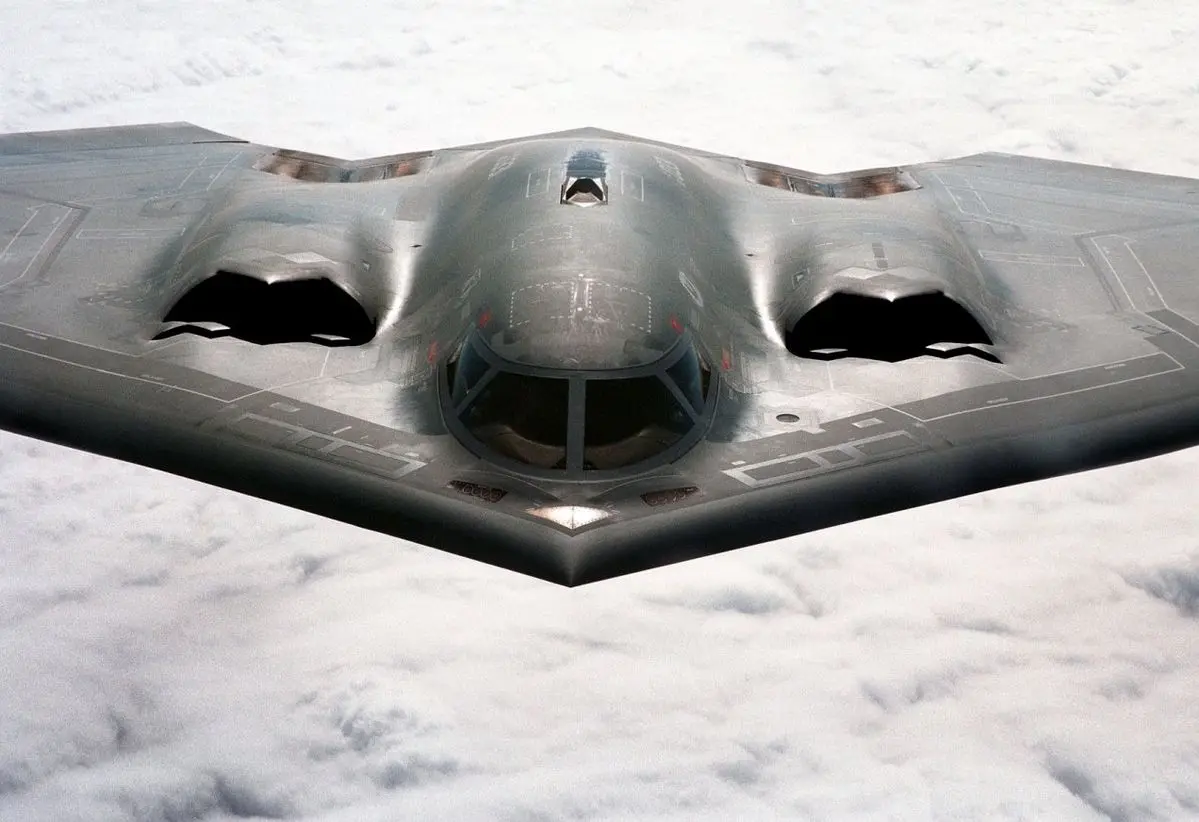
Enthusiasts often note that the Northrop Grumman B-2 Spirit, unveiled in the late 1980s, resembles 'flying wing' and crescent-shaped UFOs reported decades earlier. Does that imply reverse-engineered alien technology, or a time-loop of ideas? The more prosaic answer is that the resemblance stems from aerodynamics and stealth physics that engineers had been chasing since the 1940s.
What witnesses said in the 1940s–50s
US UFO lore began in 1947 when pilot Kenneth Arnold described fast, unconventional objects whose motion led newspapers to popularise 'flying saucers'; Arnold himself sketched crescent-like forms. A few years later, the 1952 'Washington, DC flap' produced radar and visual reports of bright objects manoeuvring over the capital, cementing the era’s image of disc- or crescent-shaped craft. These reports pre-dated modern stealth, helping fuel later claims that the B-2 'copied' what people saw.
The flying-wing lineage long predates the B-2
Well before the B-2, Jack Northrop pursued tailless 'flying wings' to reduce drag and radar reflections. His piston- and jet-powered XB-35/YB-49 test bombers flew in the late 1940s but were dropped for range and stability reasons, not because the idea lacked promise. In parallel, Germany’s Horten brothers built the Ho 229 jet flying wing; later analysis highlighted its inherently lower radar return compared with tailed designs, even if it was no miracle stealth machine. The visual kinship between those aircraft, early UFO sketches and the B-2 is therefore unsurprising.
How the B-2 actually emerged
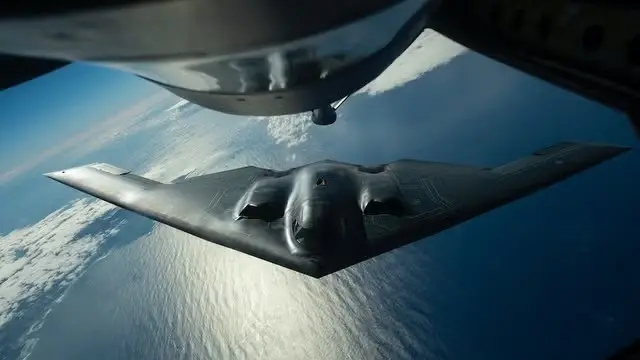
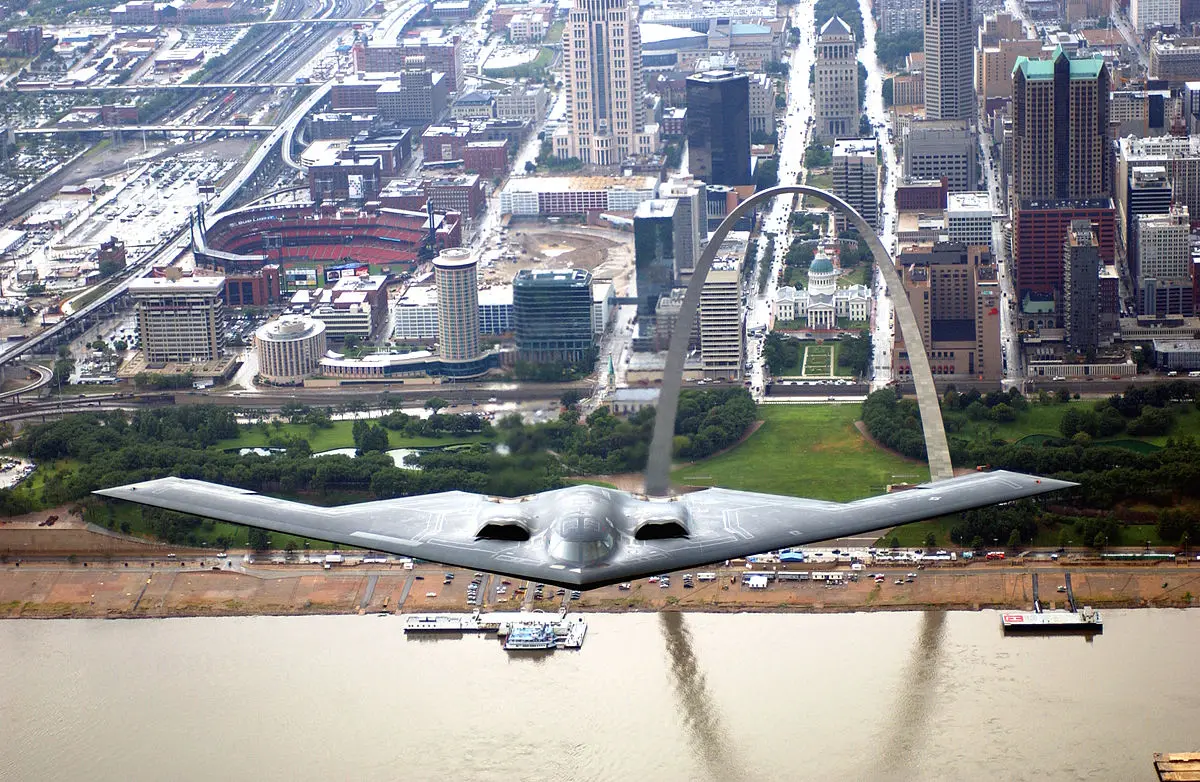
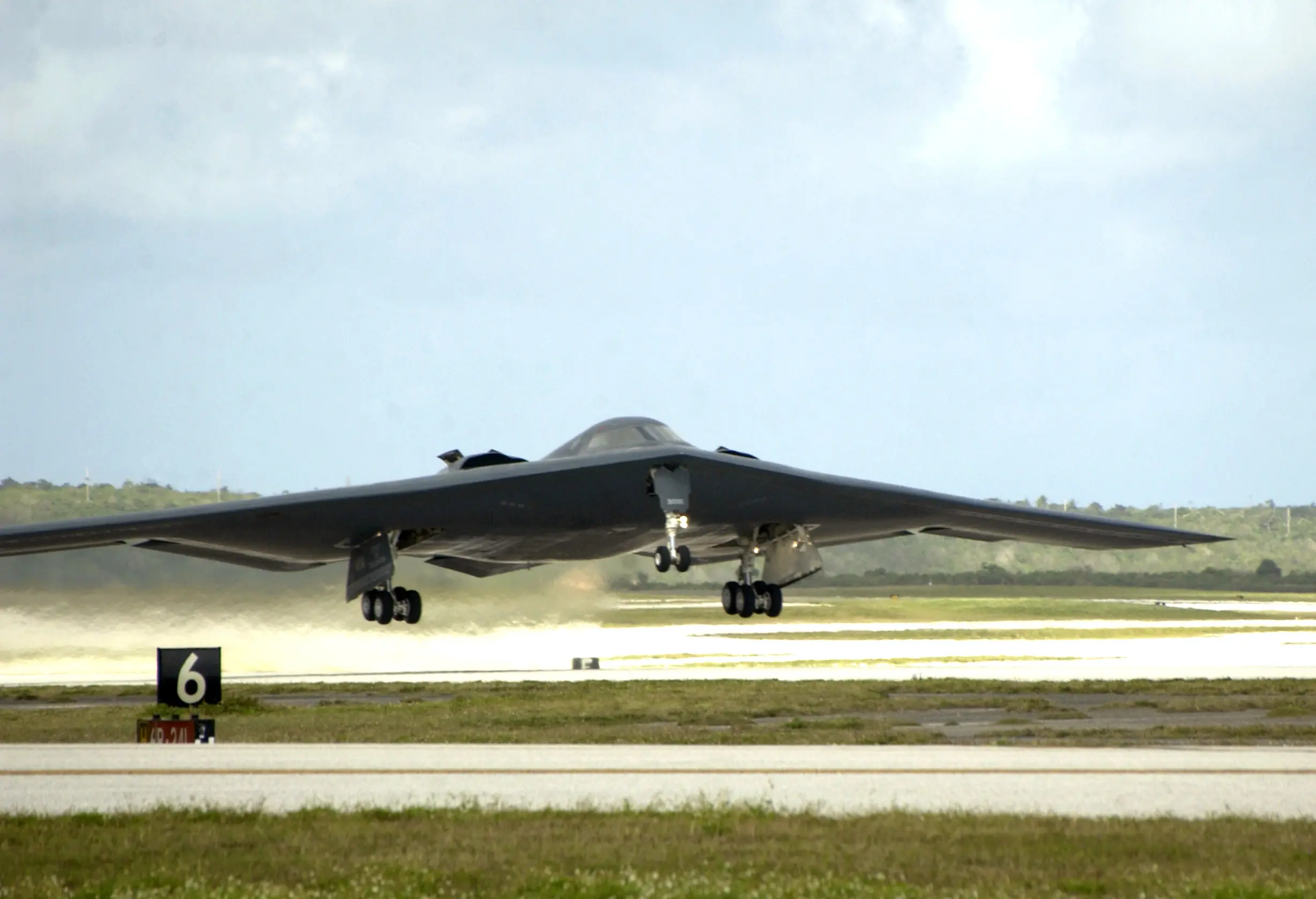
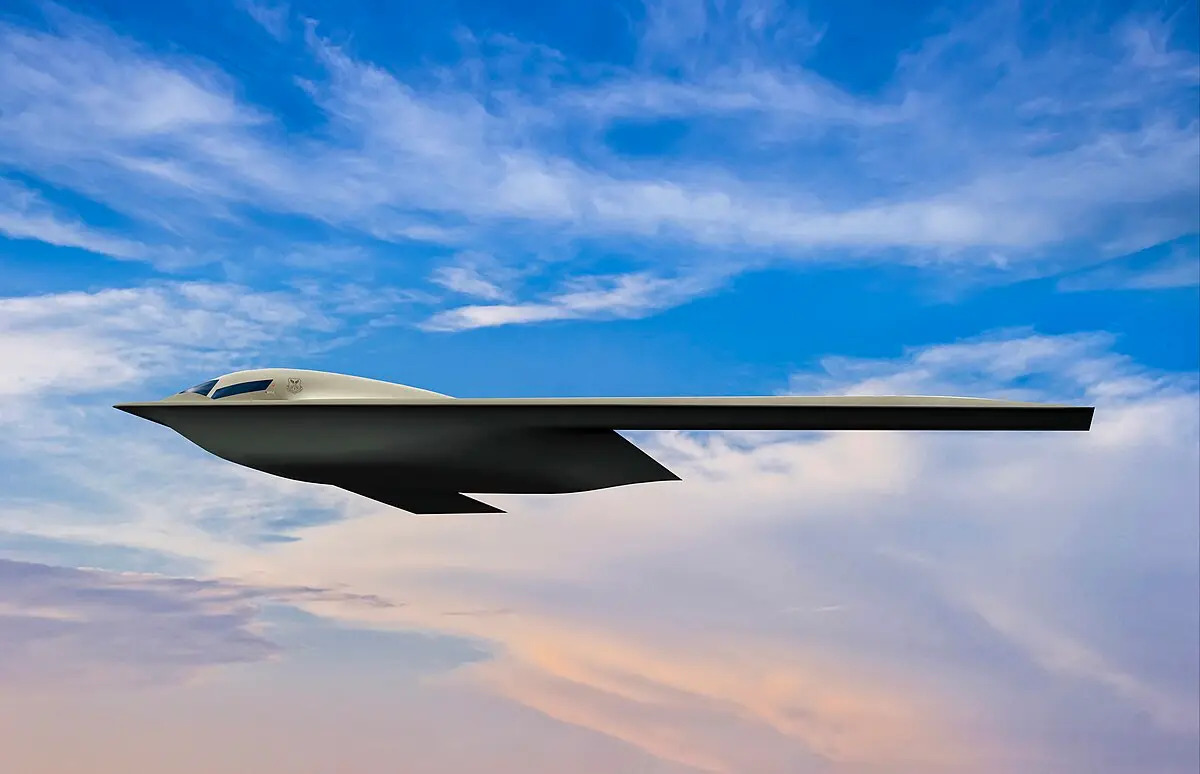
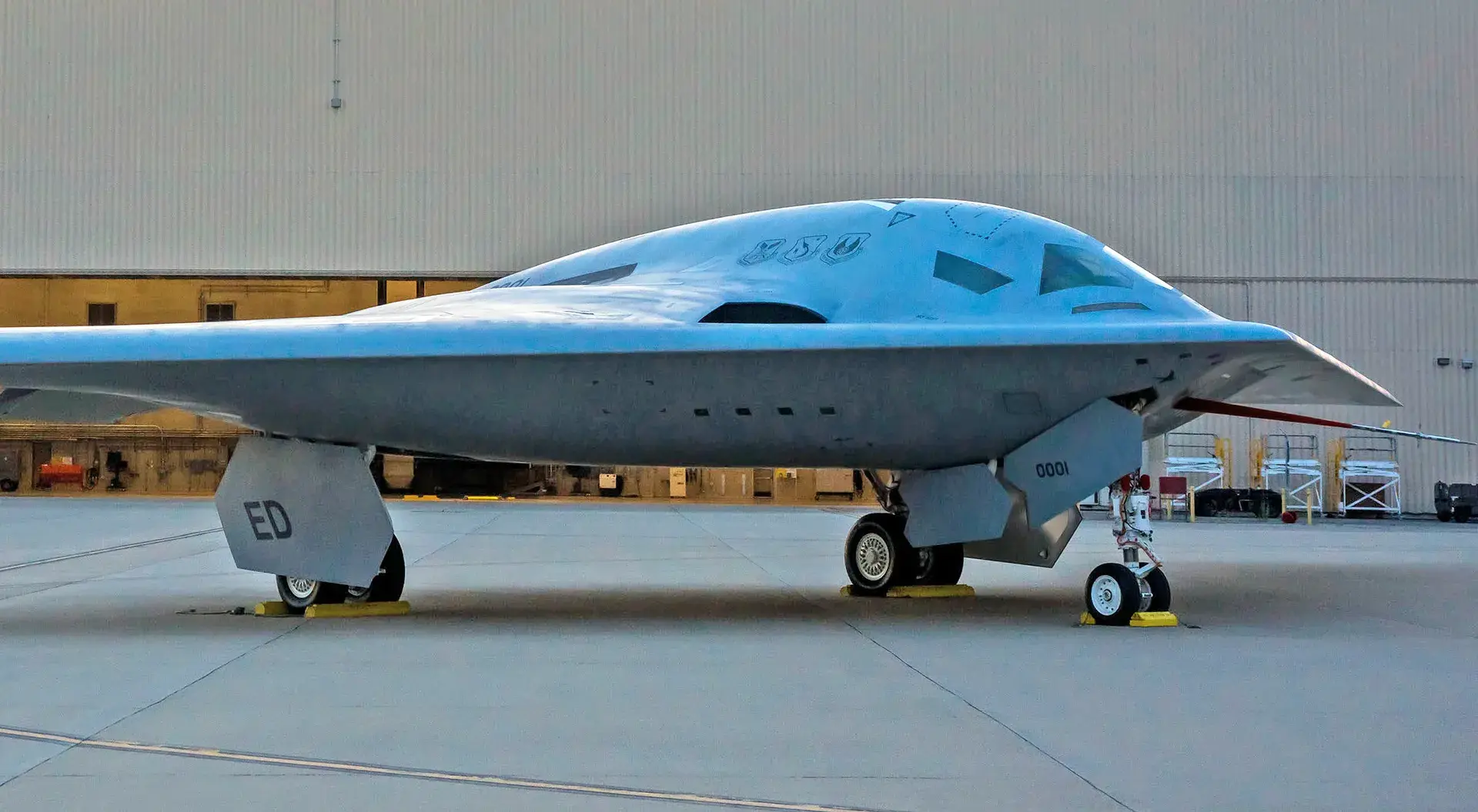
The B-2 rolled out in 1988, first flew in 1989 and entered service in the 1990s. Its planform, a smooth flying wing with saw-toothed trailing edges, came from decades of research into radar cross-section control, materials, and digital fly-by-wire to tame tailless instability. Stealth design rules (planform alignment, edge shaping, shielded inlets) dictated the look; if you want very low radar visibility at bomber scale, you converge on a wing-dominant silhouette. That makes the B-2’s shape a logical endpoint of physics, not a lifted template from witness drawings.
Did the B-2 explain later 'black triangle' sightings?
From the late 1980s to early 1990s, Europe,especially Belgium, experienced waves of ‘black triangle’ reports featuring silent, slow-moving, angular craft with bright corner lights. Analysts have long suggested that some of these sightings could have involved stealth aircraft (F-117s, occasional B-2 transits) misperceived at night, mixed with hoaxes and misidentifications. The overlap of timing, geometry and lighting patterns makes this plausible, though not definitive.
Reverse-engineering or convergent engineering?
Set against the historical record, the neatest explanation is convergence: 1950s witness sketches, 1940s–50s flying-wing prototypes and the 1980s B-2 all point to the same aerodynamic and electromagnetic incentives. A tailless wing reduces drag and, critically for stealth-vertical surfaces that light up radar. Add modern control systems and materials and you get the B-2 we know. That story is less sensational than reverse-engineering or time travel, but it fits the dates, the physics and the paper trail far better than exotic alternatives.
)
)
)
)
)