Research finds doing THIS 'cool' thing for two hours a day could help you lose weight (without changing your diet)

A new study suggests one wellness trend long hyped online may actually have measurable weight-loss benefits: regular cold exposure. All you need to know.
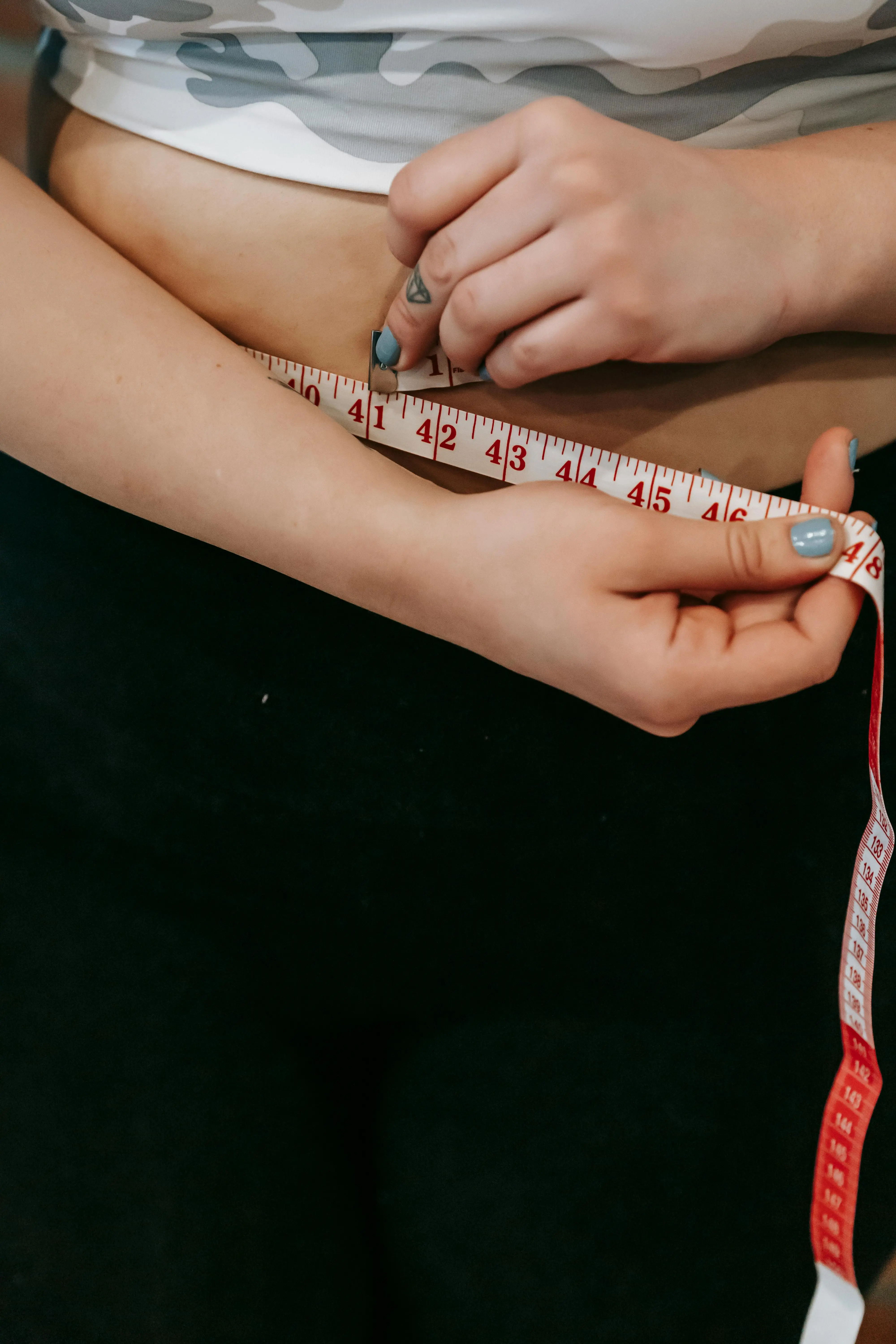
Wait, what!? Is this social media trend actually science backed?
On Social media, there's a growing popularity of cold-water swimming and freezing plunges. An ample number of posts online will tell you that there are multiple health benefits to cold exposure. Now, scientists have concluded that there might actually be some truth to this online fad. Here's what research found.

The study that's getting people talking
Researchers at the University of Nottingham and Leiden University Medical Center in the Netherlands gave 47 overweight and obese adults a simple assignment: wear an ice vest and waist wrap for two hours every morning. No diet changes. No extra exercise. Just cold. Six weeks later, the vest-wearing group had lost an average of 0.9 kilograms, almost entirely body fat. The control group, which changed nothing, gained 0.6 kilograms. The findings were presented this week at the European Congress on Obesity in Istanbul.
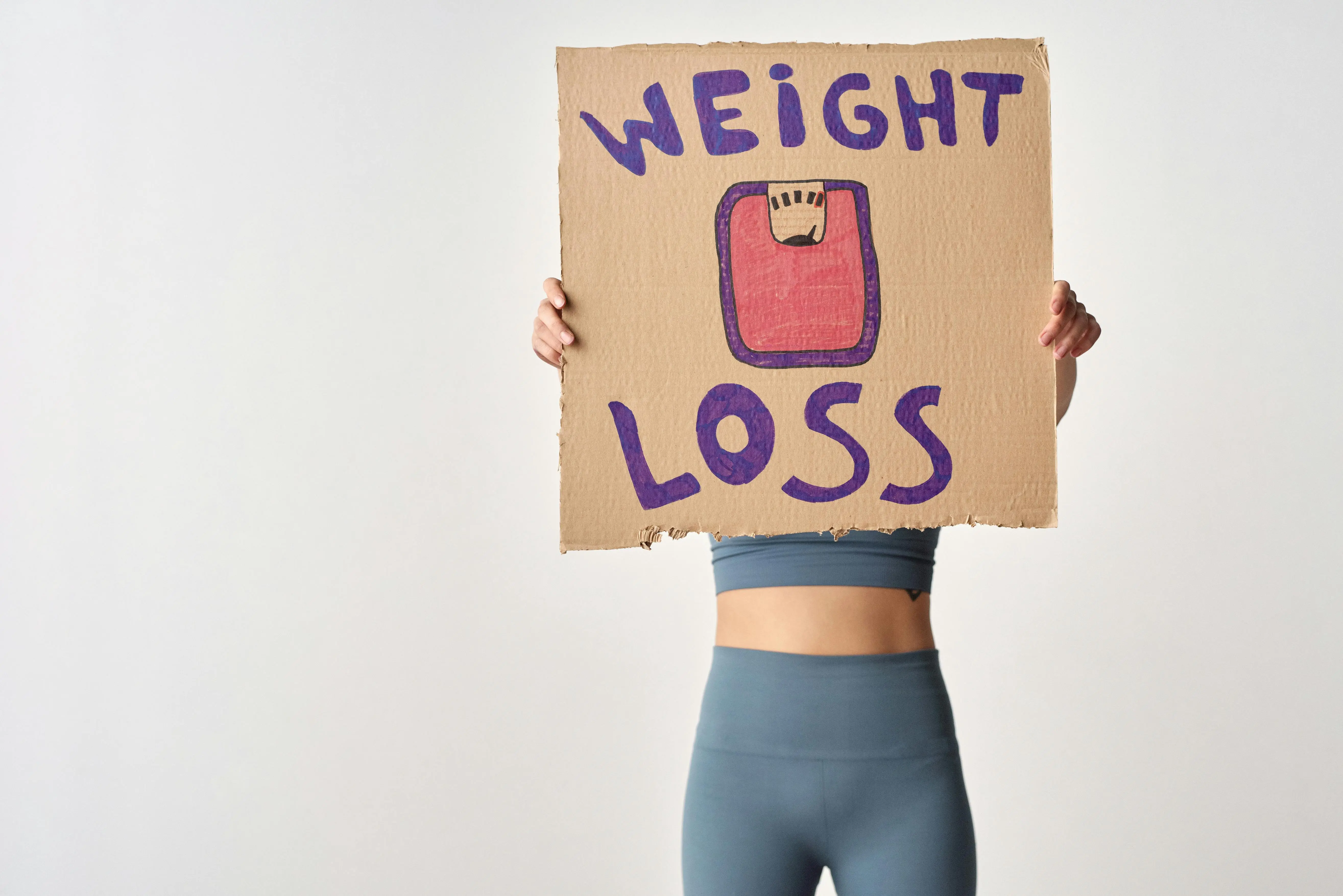
How to wear ice vests for weight loss
The vests aren't particularly dramatic; they are just gel-filled cooling packs kept in the freezer overnight, worn over a thin T-shirt, maintaining a temperature of around 15°C. While it can be uncomfortable, it is manageable. The mechanism behind the weight loss is more interesting than the garment itself.
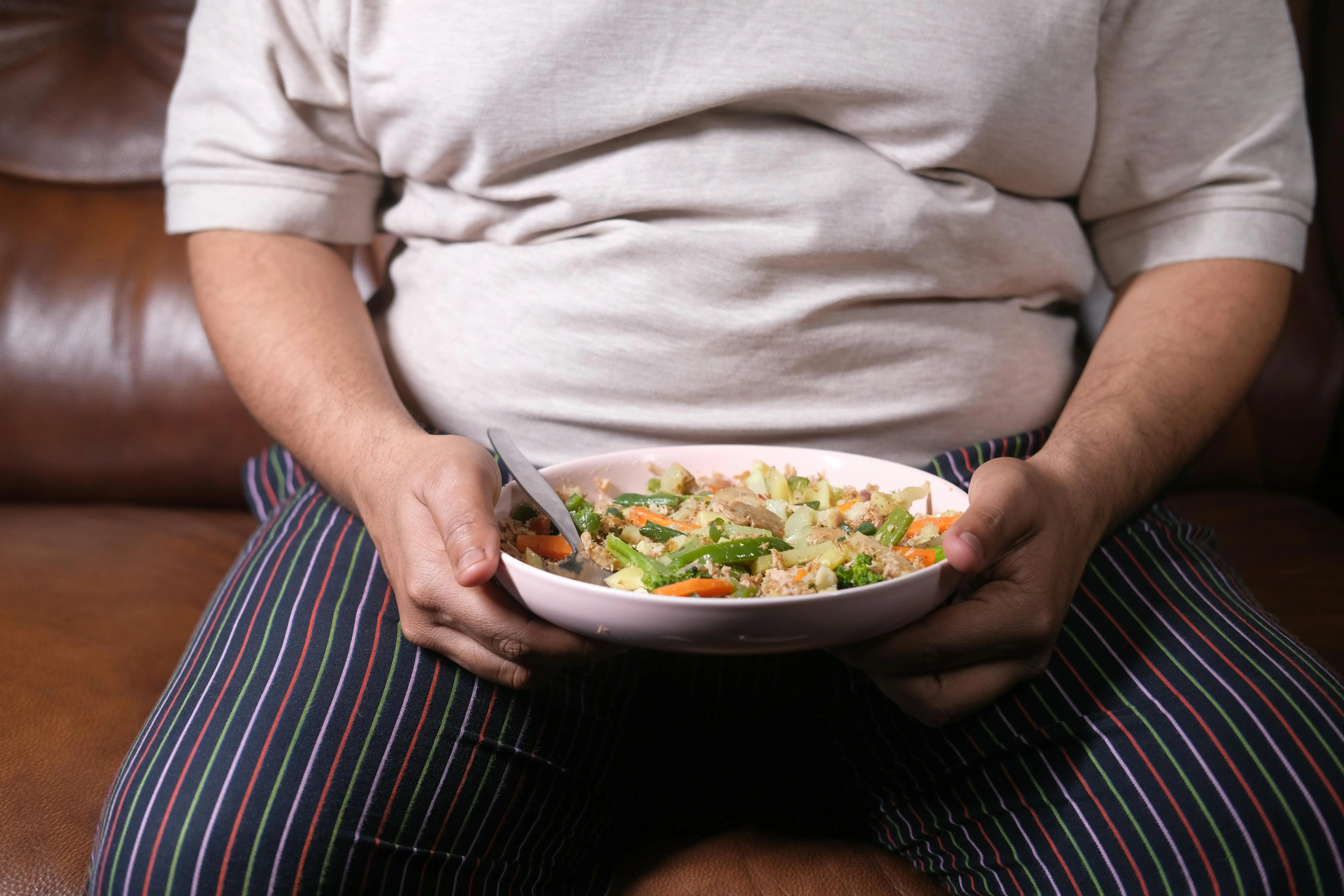
What the vest actually does
Cold exposure activates brown fat, a type of fat tissue that, unlike the white fat most people are trying to lose, actually burns calories to generate heat. "Daily cold exposure activates brown fat, which uses body fat stores to produce heat," said Professor Helen Budge, co-author of the study. Over time, the theory goes, wearing the vest trains brown fat to become more metabolically active, with potential knock-on benefits for blood sugar, cholesterol and inflammation, all of which are risk factors for cardiovascular disease.

What about cold showers?
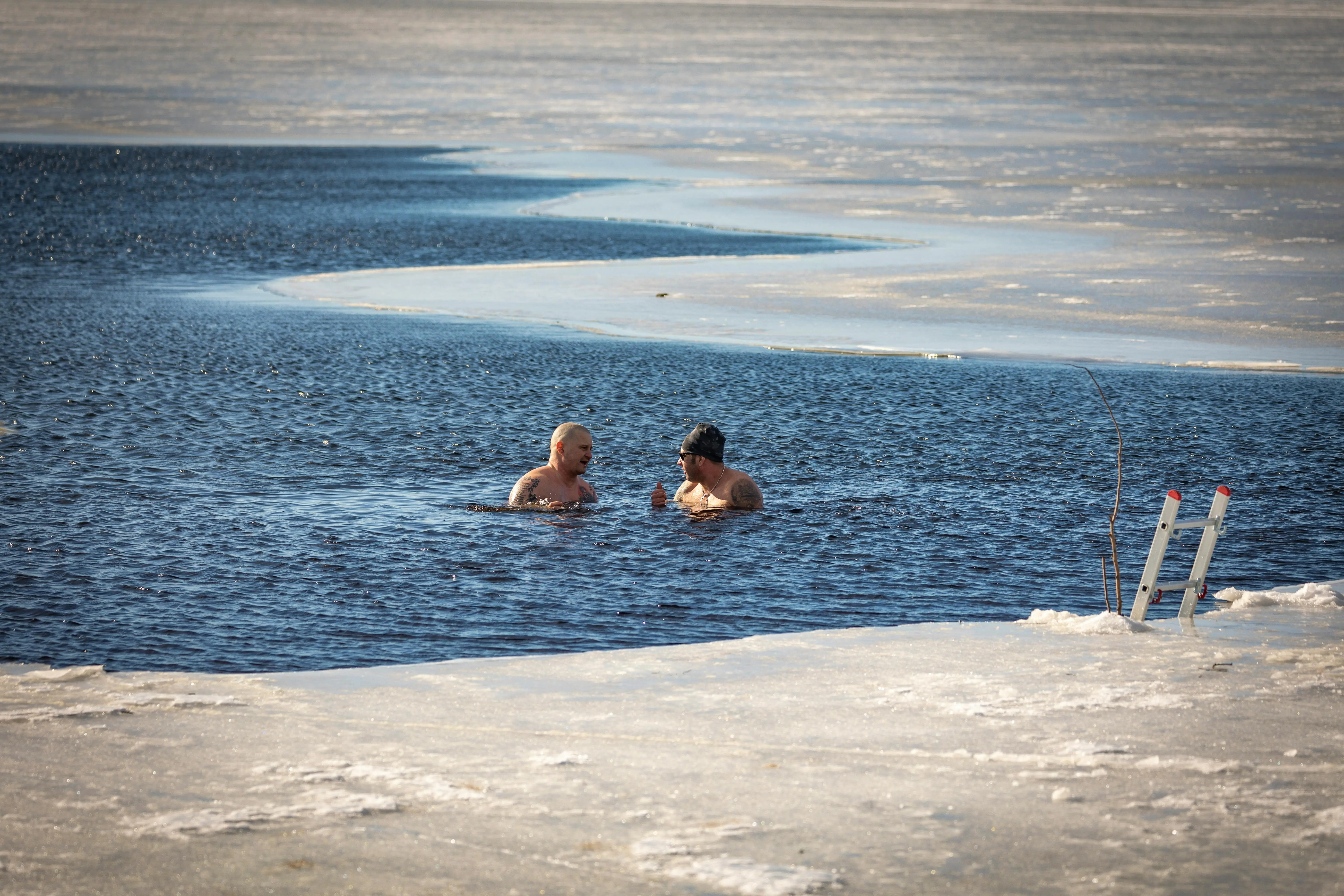
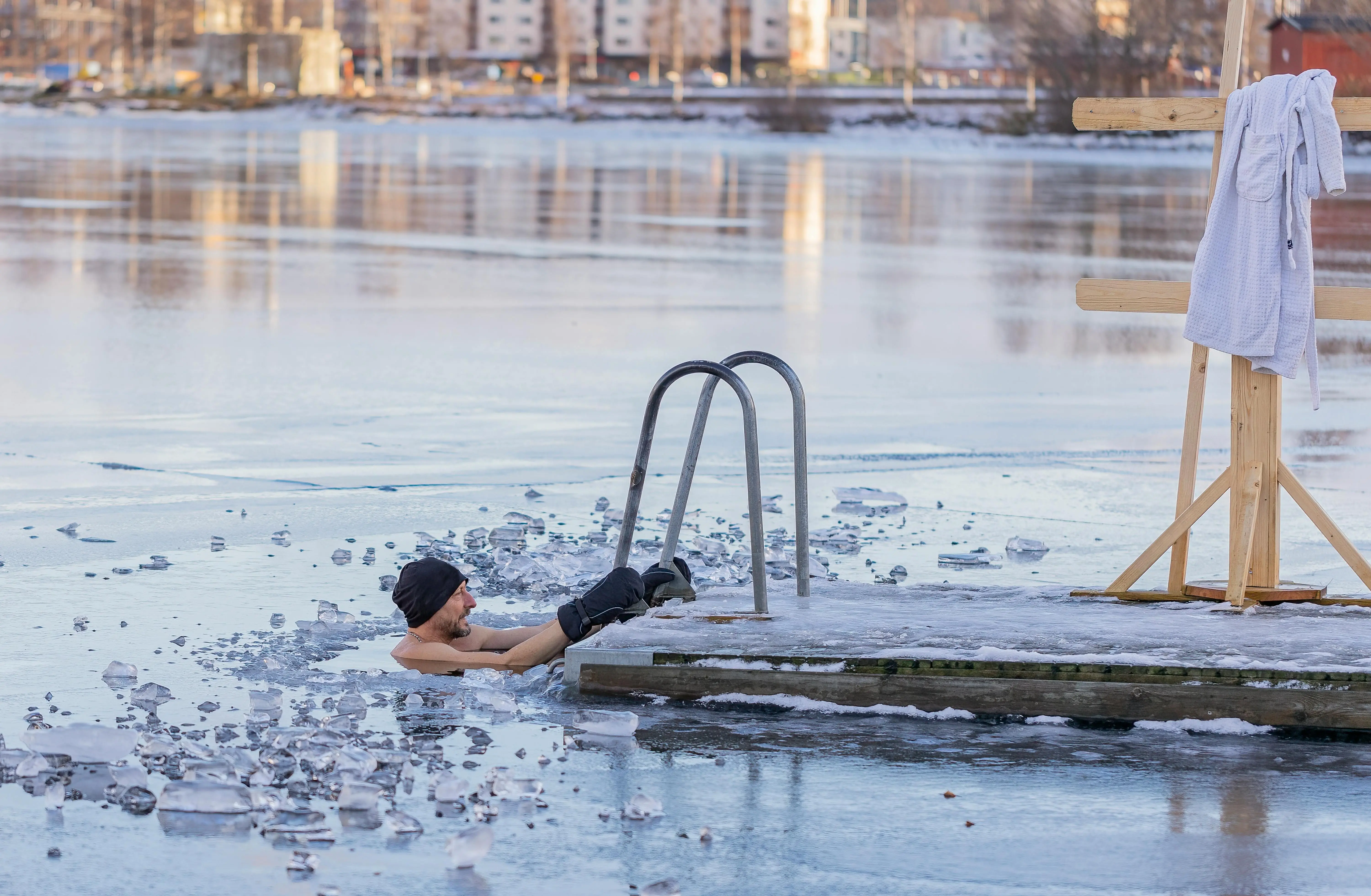
The ice vest study is the first of two studies the research team is running. A separate trial involving 34 women is currently underway in the Netherlands, looking at whether cold showers produce a similar fat-loss effect. Half the participants are turning their showers to the coldest setting for 90 seconds every morning. "It is our hypothesis that cold showers and cold swimming could have the same effect," said Budge, though she was careful to note that cold-water swimming isn't a direct comparison. The shock of jumping into an open body of water involves physiological responses that go beyond simple temperature exposure. "There are lots of other things at play, such as cold shock – jumping into a lake would have other effects on the body," she noted.
Why this matters now
Cold-water swimming has exploded in popularity in recent years, and ice baths and cold plunges have become a fixture of wellness culture, championed by everyone from elite athletes to biohackers. But the honest answer until now has been that there was very little rigorous data on what regular cold exposure actually does to the body over time. "This is one of the first studies looking at the impact of cold exposure over a prolonged period of time, involving people with overweight and obesity," said lead researcher Dr Mariëtte Boon.
Could you actually do this?
The practical question is whether any of this translates to real life. The researchers think it does. "Vests like this can be worn at home, and so cold exposure could be a simple and inexpensive addition to lifestyle strategies for weight loss, such as healthy eating and physical activity," said Boon. The research team, jointly funded by the Dutch Heart Foundation and the British Heart Foundation, is continuing to investigate whether cold exposure could reduce obesity, lower inflammation and help prevent heart disease at a population level.
)
)
)
)
)