Rescues and radar: How autonomous are US sea drones really?

US sea drones use AI to navigate independently, and the US Navy is increasingly relying on uncrewed maritime operations. While these sea drones are heavily autonomous, their actual operational independence involves a complex balance of artificial intelligence and necessary human oversight.
Artificial intelligence and sensor fusion
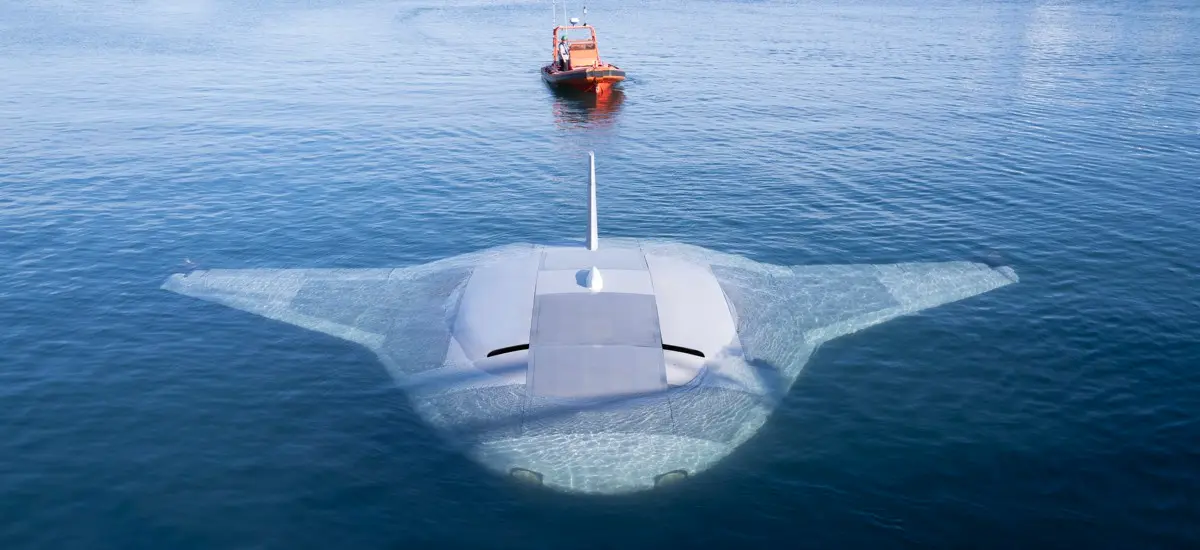
According to defence officials, modern US Navy sea drones do not rely on constant remote steering. Task Force 59 uses artificial intelligence and sensor fusion to allow vessels to perceive their surroundings and plan complex routes independently.
A historic rescue
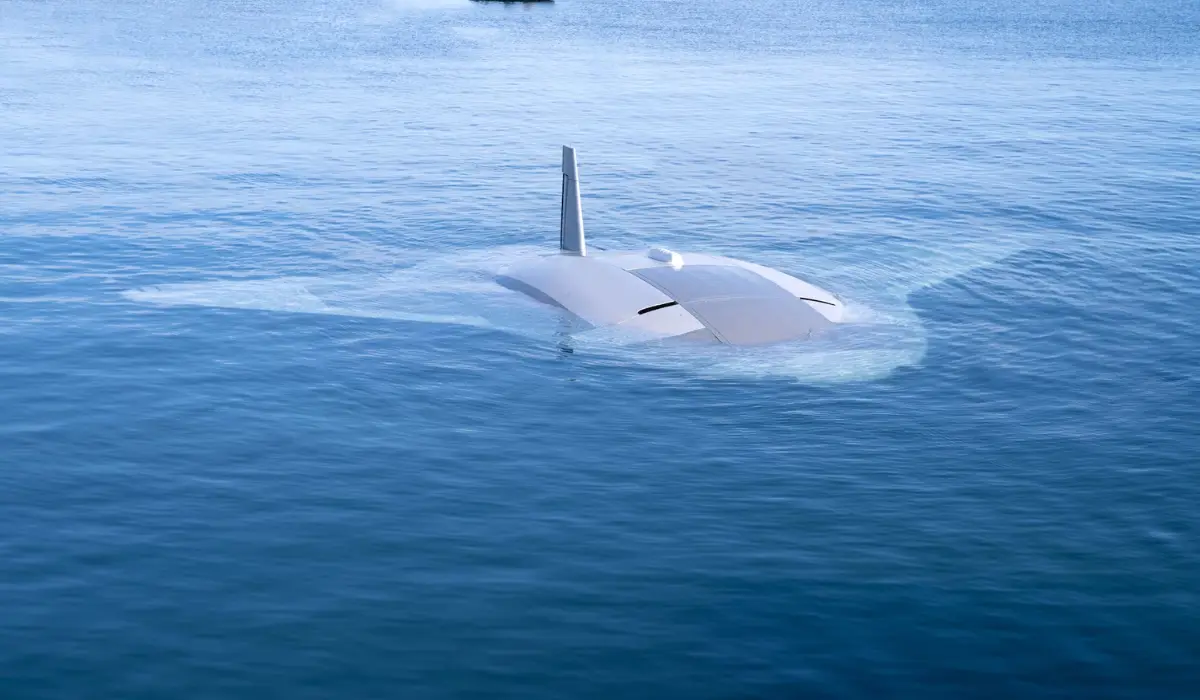
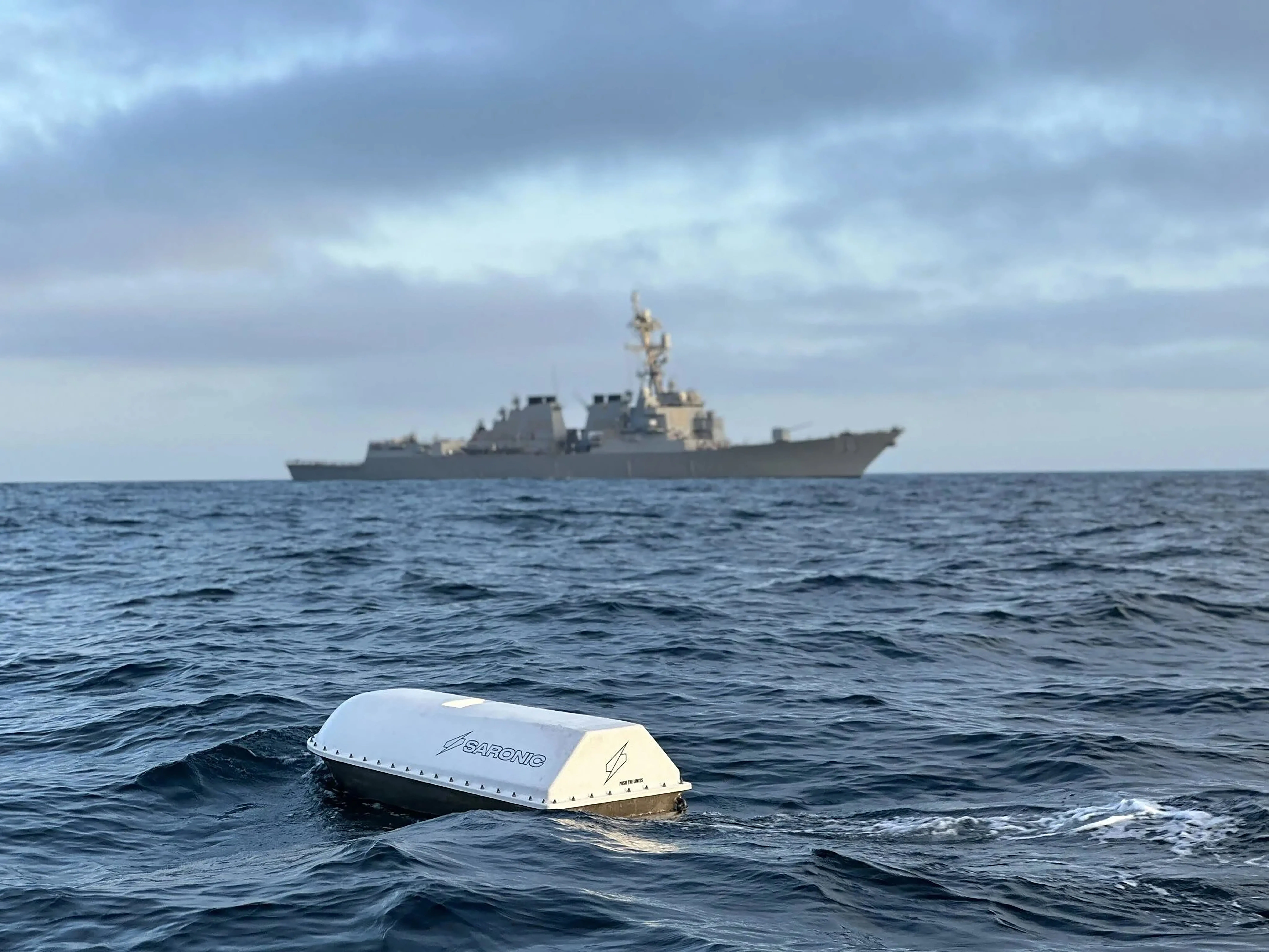
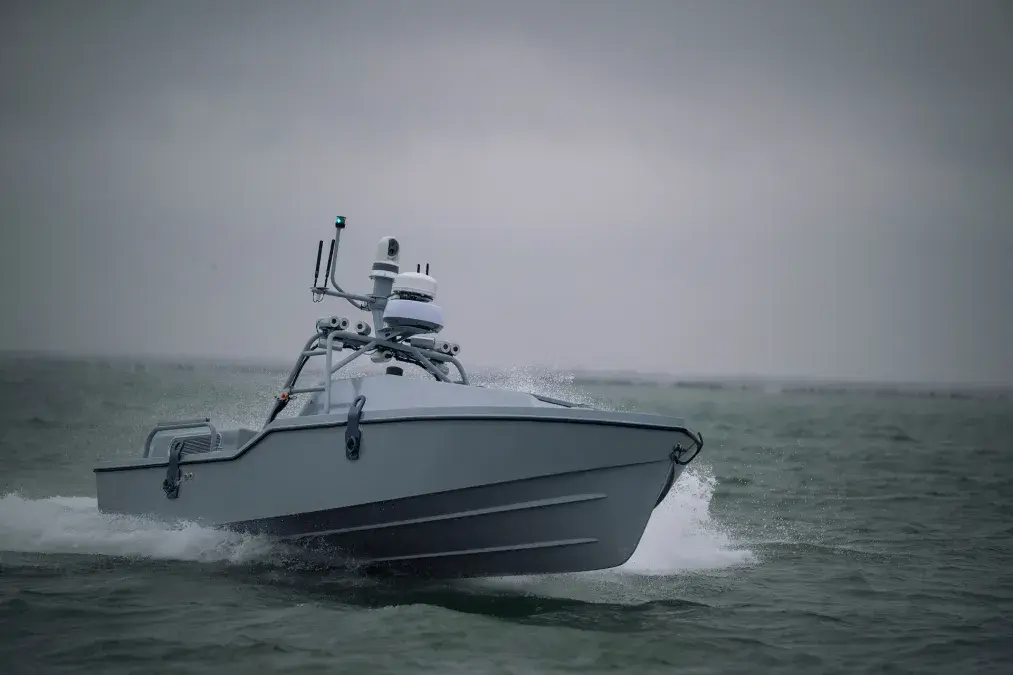
Proving their operational independence, a 24-foot Saronic Corsair surface drone successfully rescued two downed Apache pilots near Oman. US Central Command confirmed the vessel located the crew autonomously using 360-degree passive sensing.
Navigating maritime rules
To safely navigate congested global shipping lanes, these drones are programmed to be COLREGs-compliant. They continuously merge data from onboard radar, optical cameras, and AIS to actively avoid collisions according to international maritime law.
Surviving denied environments
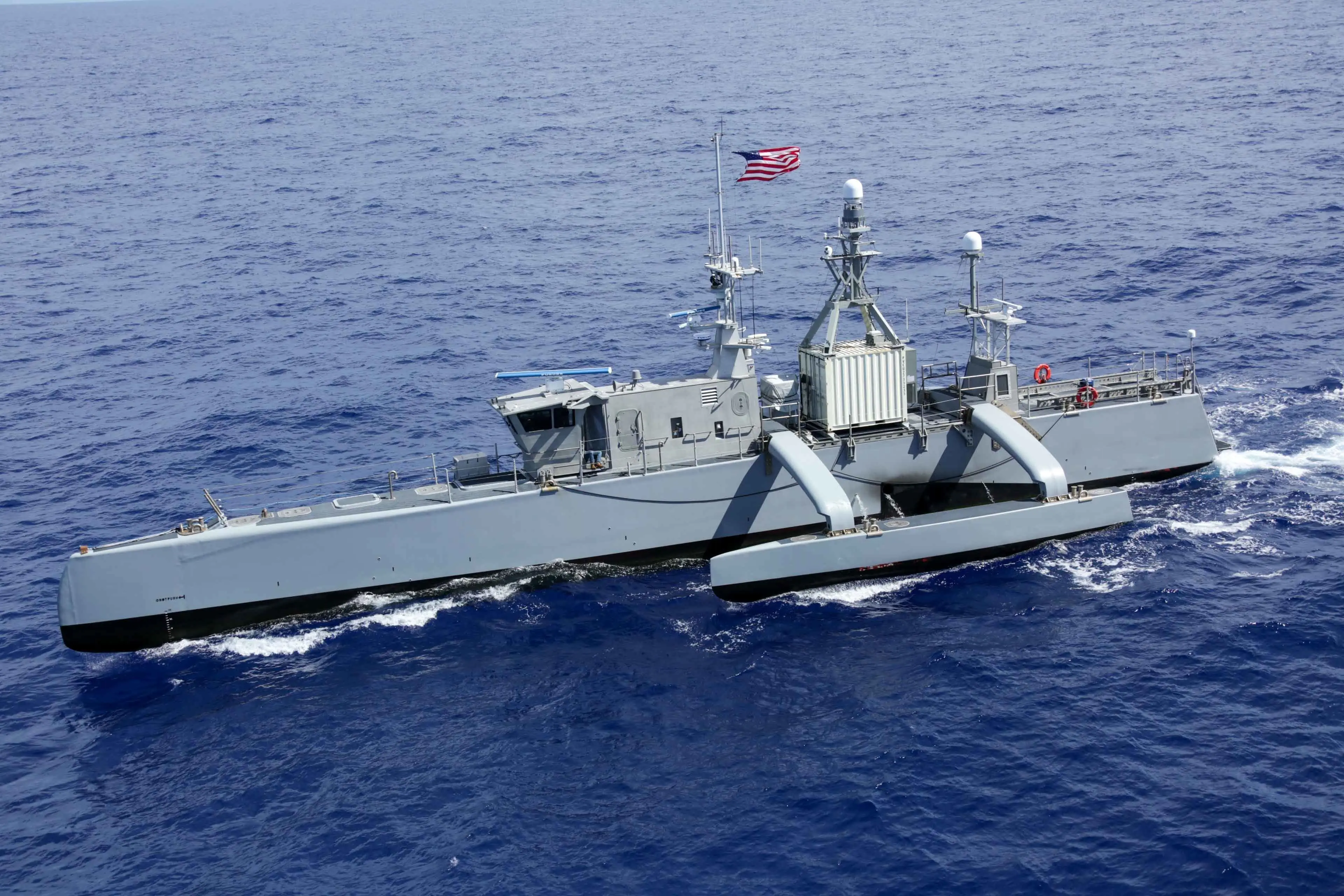
In hostile waters, adversaries frequently jam GPS signals and sever communication links. High-end autonomous vessels are built to survive these denied environments by relying on internal inertial sensors and AI to continue navigating safely.
The human-on-the-loop safeguard
Despite their advanced independence, these vessels do not make strategic combat decisions entirely on their own. The US military enforces a 'human-on-the-loop' protocol, ensuring human commanders oversee operations and authorise any escalations.
)
)
)
)
)