Republic Day 2026: What is the Bhairav Light Commando Battalion of the Indian Army?

Marching down Kartavya Path for the first time, the battalion will feature within a first-of-its-kind phased battle array, signalling a move away from symbolic display towards operational explanation. The unit was raised to 'bridge the gap between infantry and Special Forces'.
A new unit steps into public view
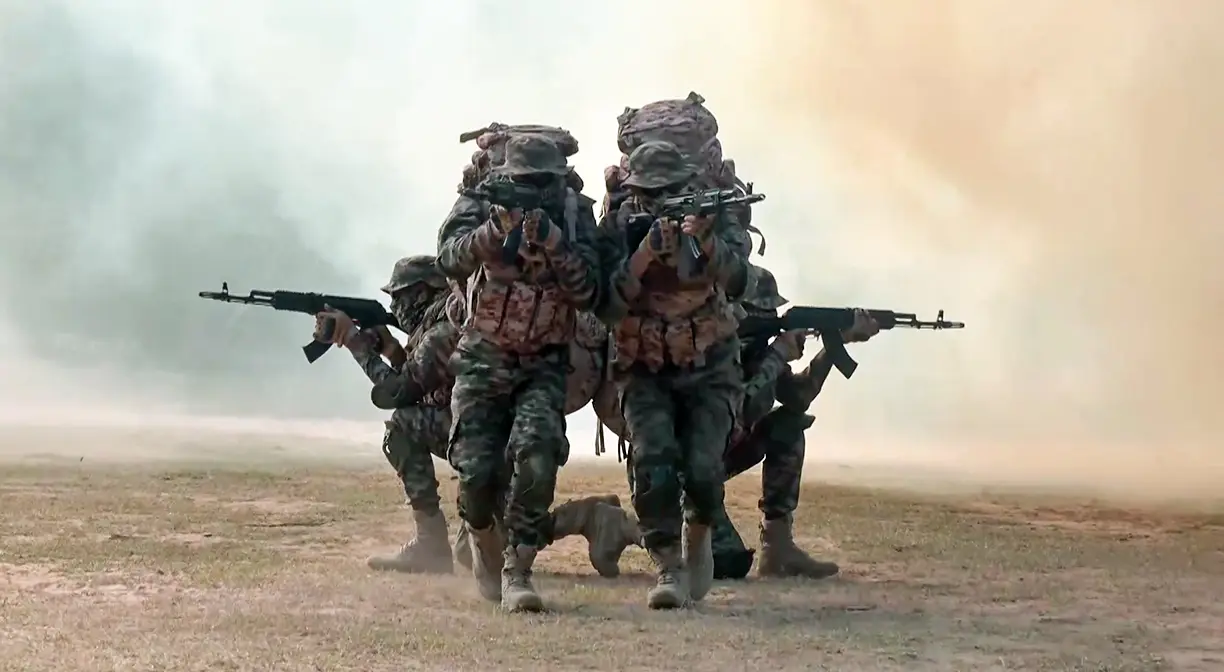
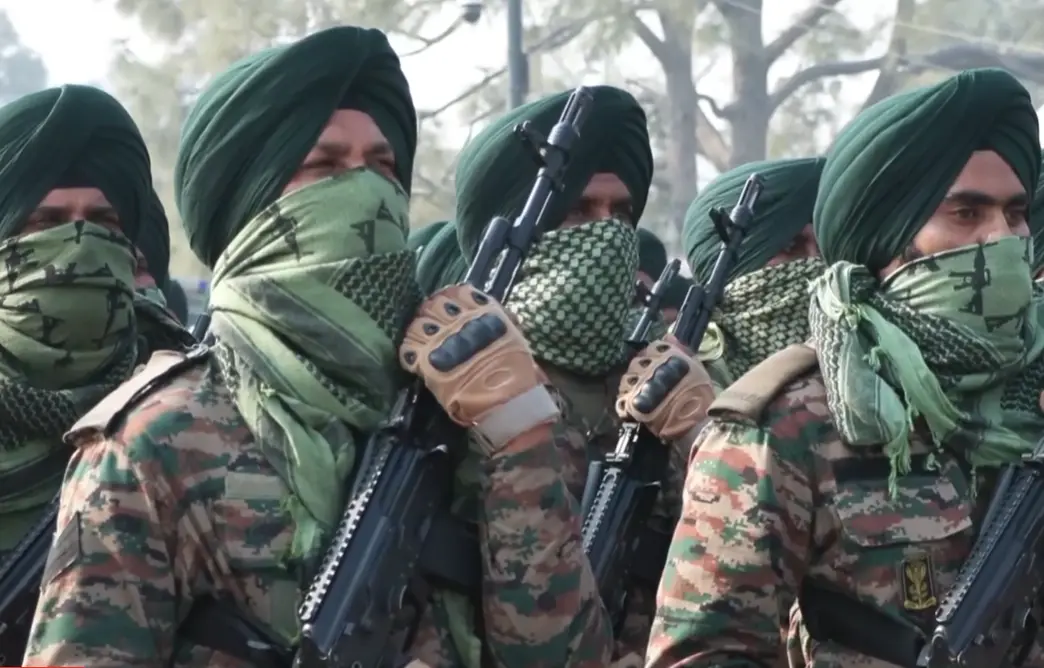
The newly raised Bhairav light commando battalion will make its debut in the 77th Republic Day Parade on January 26, 2026, reflecting the Indian Army’s changing approach to modern warfare. Marching down Kartavya Path for the first time, the battalion will feature within a first-of-its-kind phased battle array, signalling a move away from symbolic display towards operational explanation. The unit was raised to “bridge the gap between infantry and Special Forces”, PTI quoted officials as saying.
Born out of operational lessons
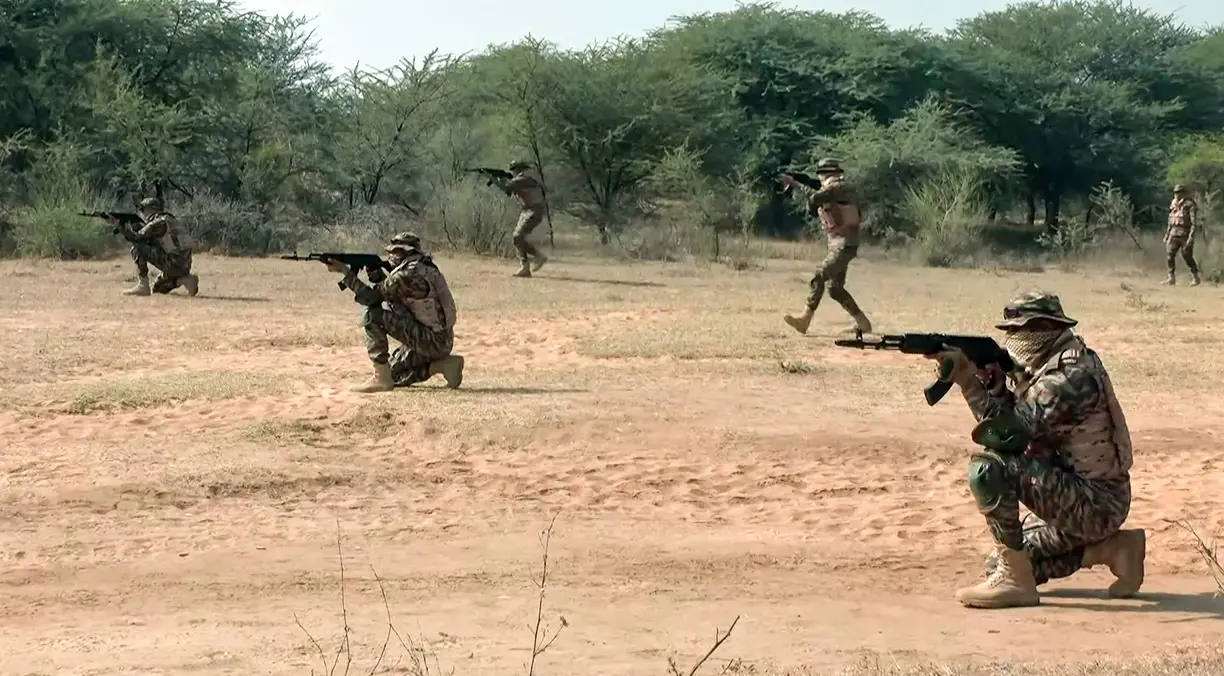
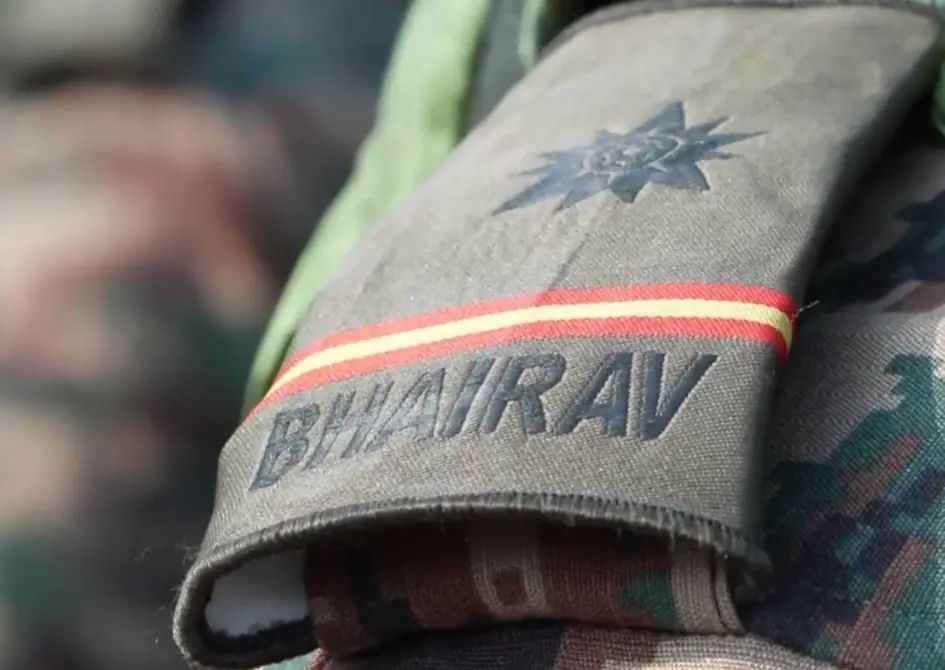
The Bhairav Light Commando Battalion has been created as part of the Indian Army’s broader restructuring, drawing lessons from recent global conflicts as well as India’s own Operation Sindoor. The Indian Army began raising the first batch of five "Bhairav" light commando battalions, consisting of roughly 250 specially trained soldiers each, around August and September 2025, intended to provide a rapid and precise offensive capability against emerging threats. After participating in the Army Day parade in Jaipur on January 15, the unit will now make its first appearance at the Republic Day parade.
Positioned between infantry and special forces
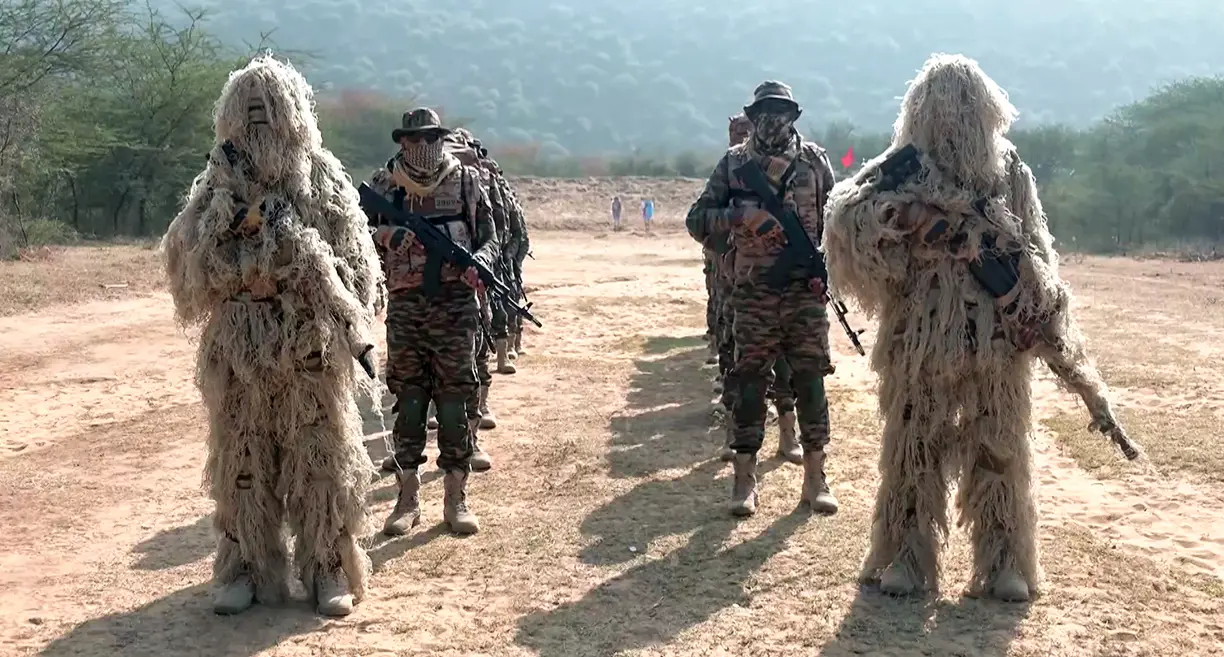
Unlike conventional infantry units, Bhairav battalions are agile force, structured for high-speed, high-impact operations. At the same time, they are more scalable and flexible than elite special forces formations, enabling commanders to deploy them quickly across multiple theatres. Their role spans tactical to operational depth, particularly in contested and high-risk border environments.
Announced on a symbolic day
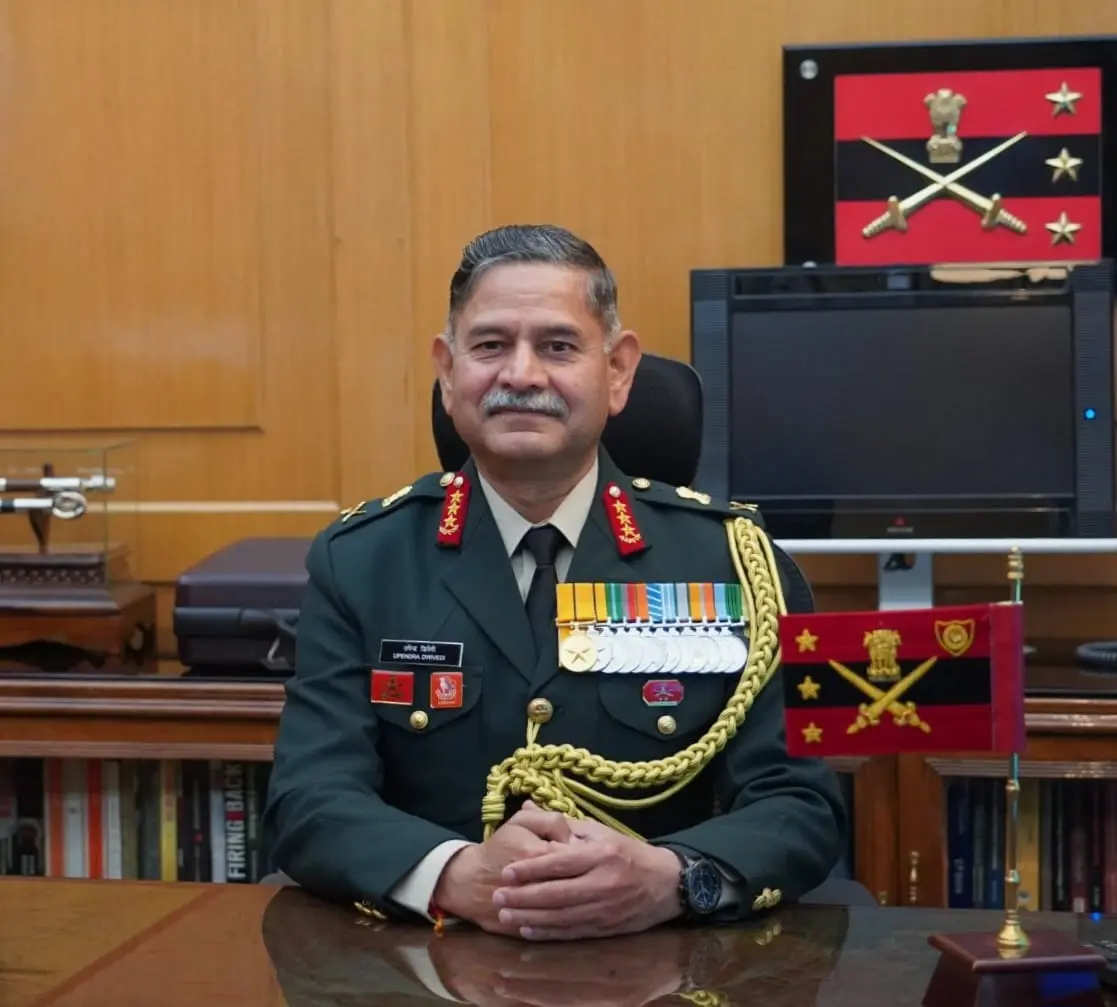
The formation of the battalion was announced on July 27 by Indian Army chief General Upendra Dwivedi on Kargil Vijay Diwas. “We are raising the Bhairav Light Commando Battalion, a highly lethal special forces formation designed to deliver surprise and shock to adversaries at the border. This unit will be equipped with advanced technologies and tactics tailored for high-impact operations,” he said. The announcement coincided with the creation of Rudra Brigades, integrated all-arms formations combining mechanised infantry, armour, artillery, special forces and unmanned systems.
Technology-driven and terrain-ready
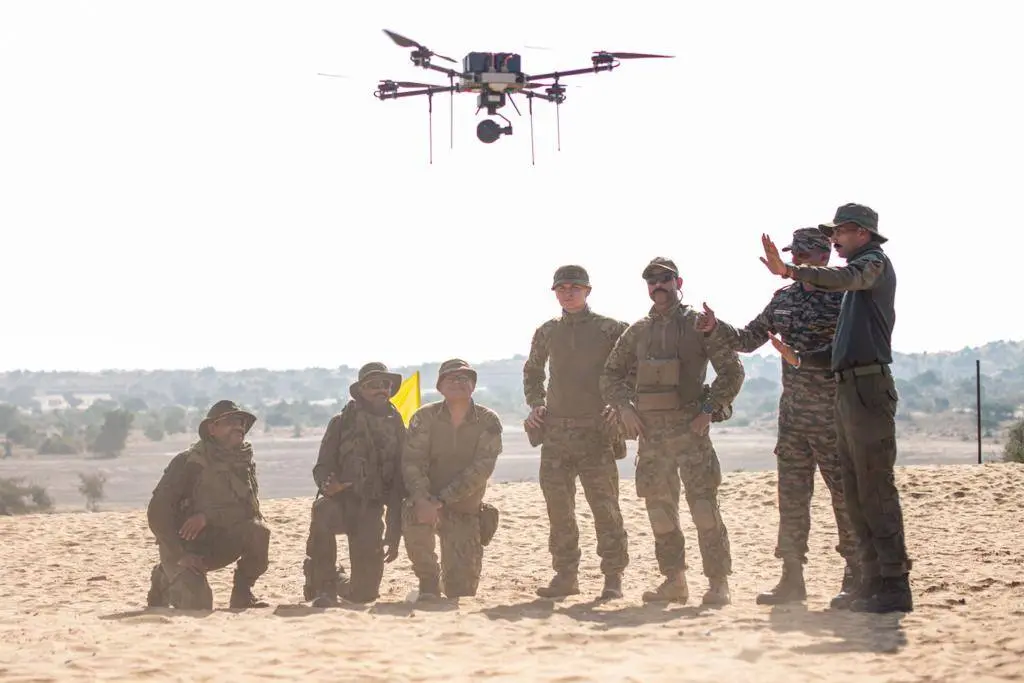
Bhairav commandos are trained to operate across a wide range of terrains, including deserts, mountains and high-altitude regions. All operatives are proficient in handling drones and employing them in real operations for surveillance, targeting and strike missions, reflecting the Army’s focus on hybrid and multi-domain warfare.
Rapid expansion across borders
The Indian Army has already raised around 15 Bhairav battalions, assigning them to formations along both the western and northern borders. Plans are in place to expand the force to around 25 battalions in the near future, says ANI, with roles extending to special operations at tactical and operational depth.
Tested before public debut
Before entering the ceremonial spotlight, the battalions have undergone intensive training and operational validation, including participation in Exercise Akhand Prahar. Some units under the Southern Command follow a ‘sons of the soil’ concept, leveraging local knowledge of terrain, climate and language to enhance effectiveness.
)
)
)
)
)