‘Replacing dangerous human tasks first’: 5 roles that AI robots can do better and more safely

AI robots are replacing human workers in hazardous roles like mining, explosive disposal, and chemical handling. By taking over high-risk tasks such as welding and infrastructure inspection, these machines drastically reduce workplace fatalities.

Underground mining operations
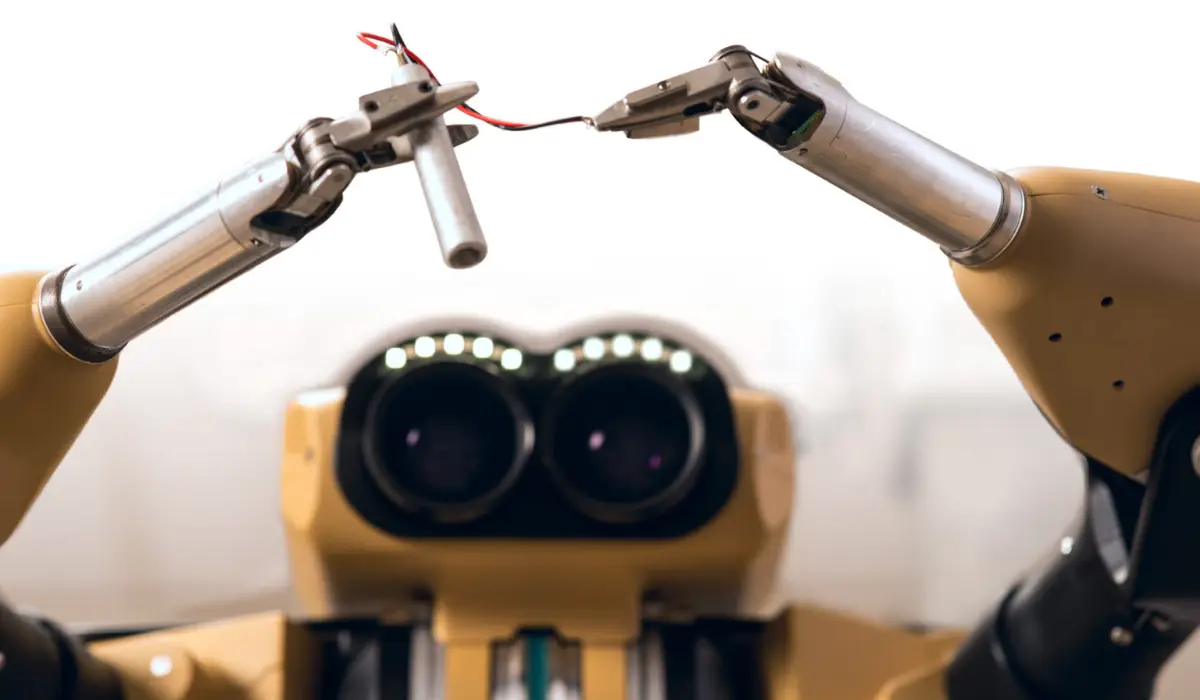
Mining remains one of the most hazardous global industries due to toxic gas leaks and sudden cave-ins. Automated drills and driverless loaders now handle rock breaking and material transport, completely removing human workers from unstable subterranean zones.
Explosive disposal and neutralisation
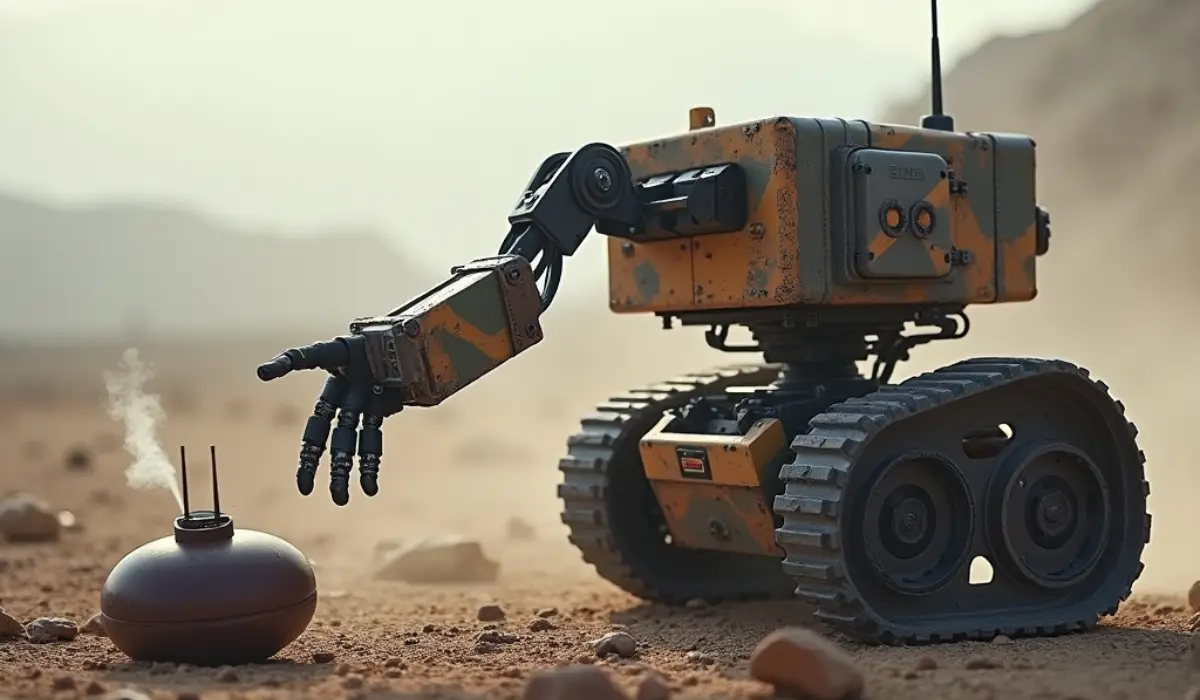
Military and police units actively rely on remotely operated robots to inspect and dismantle explosive devices. Equipped with advanced AI sensors and robotic arms, these machines carry threats to safe detonation areas without risking a technician's life.
Toxic chemical and nuclear handling
Working with radioactive substances and corrosive chemicals poses severe long-term health risks. Autonomous robotic arms are now used to mix harmful industrial chemicals and decontaminate nuclear sites, keeping human operators safely behind shielded control walls.
High-heat industrial welding
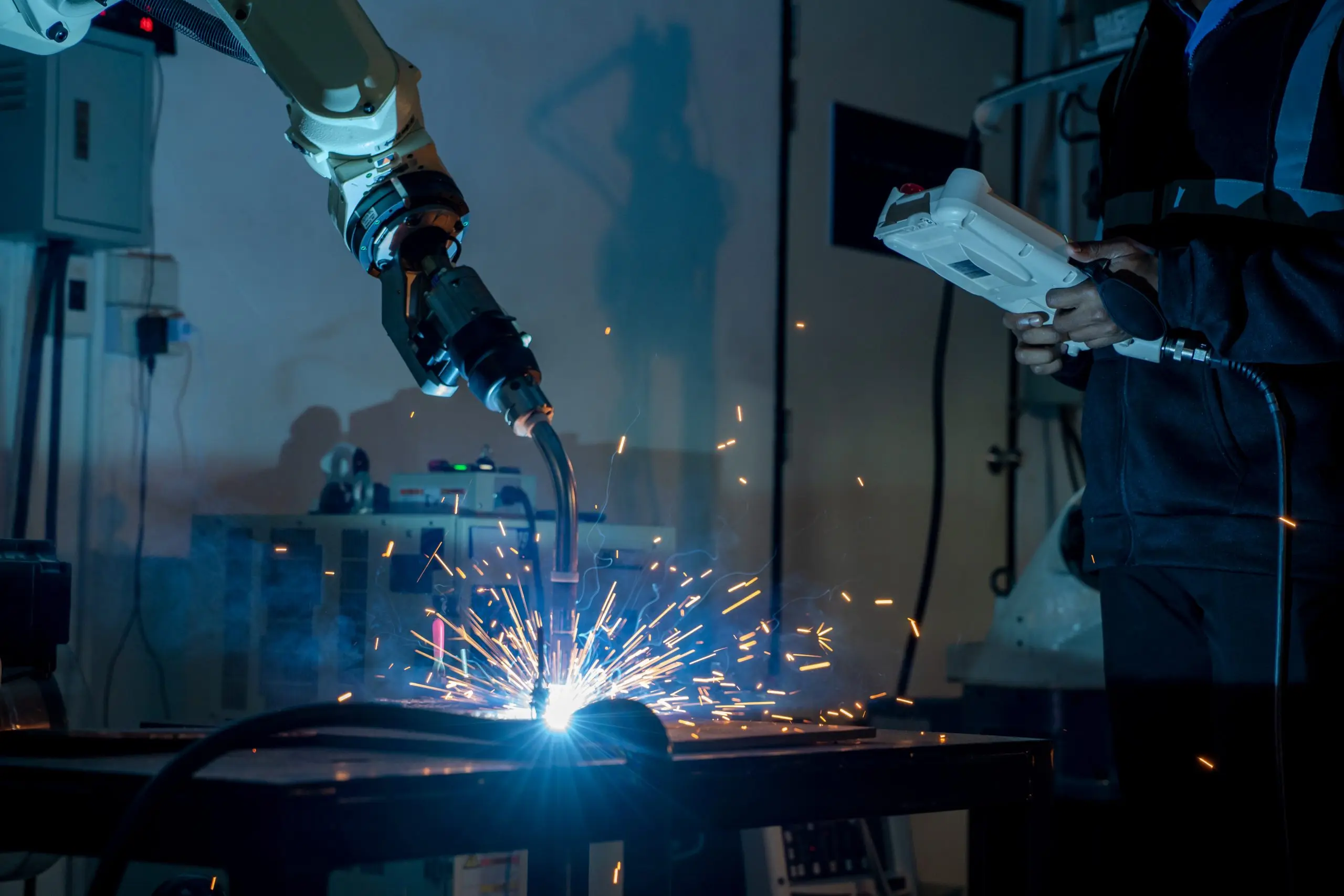
Heavy industrial welding exposes workers to extreme temperatures, toxic fumes, and intense ultraviolet light. Modern automated welding stations perform these high-precision tasks safely on factory floors, completely eliminating the health risks associated with traditional manual welding.
High-altitude infrastructure inspection
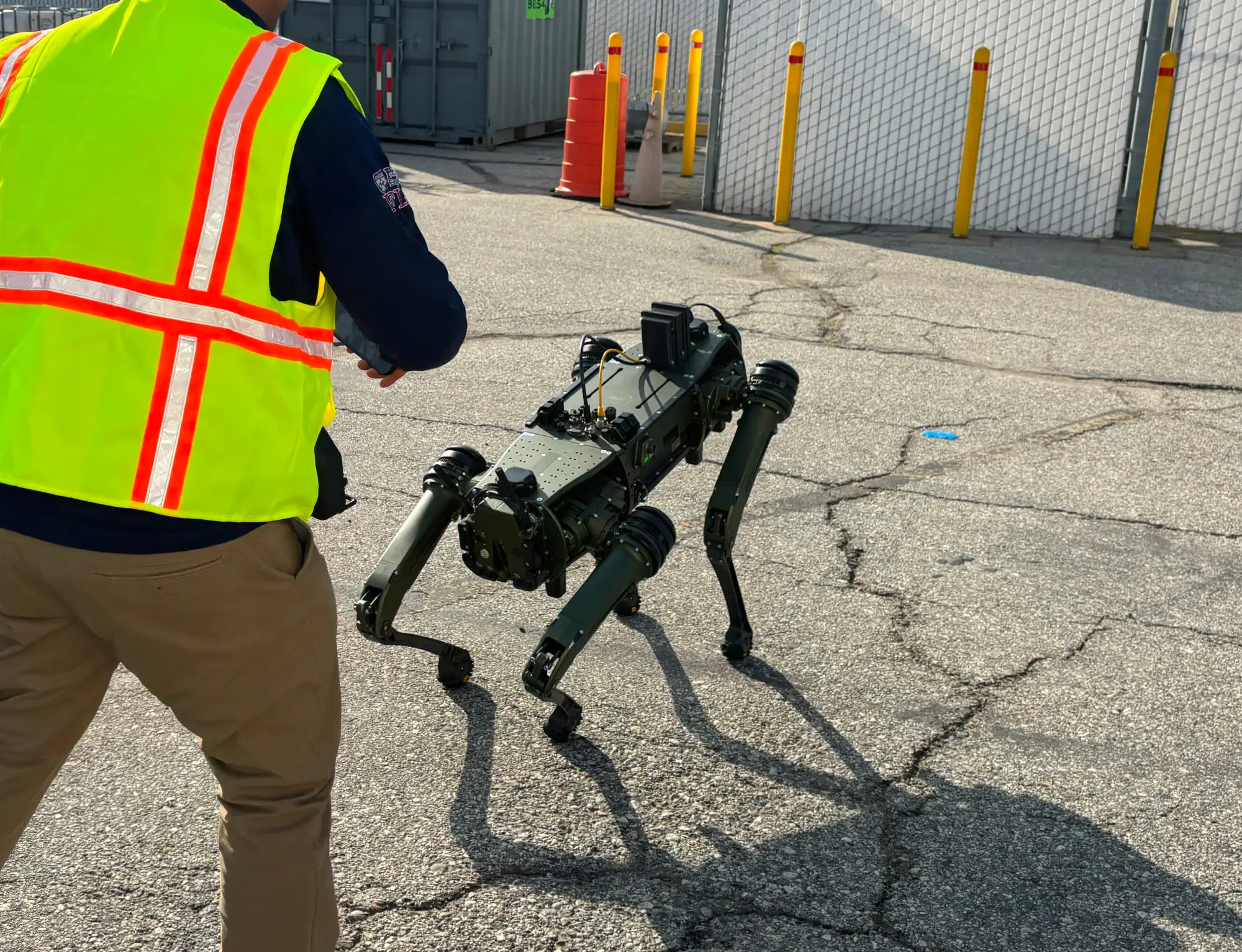
Inspecting structural damage on elevated bridges or inside narrow duct systems often leads to fatal workplace falls. AI-powered inspection drones and vertical climbing robots use laser scanners to assess infrastructure health, eliminating the need for humans to work at dangerous heights.
)
)

)
)