'The Trump Card': Can Venezuela solve Strait of Hormuz dependency forever after Iran war?

With the world's largest proven oil reserves sitting idle under US sanctions, a diplomatic thaw could fundamentally reshape global energy supply chains, ending the Middle East's decades-long stranglehold on the world's oil arteries and rendering the Strait of Hormuz geopolitically irrelevant.
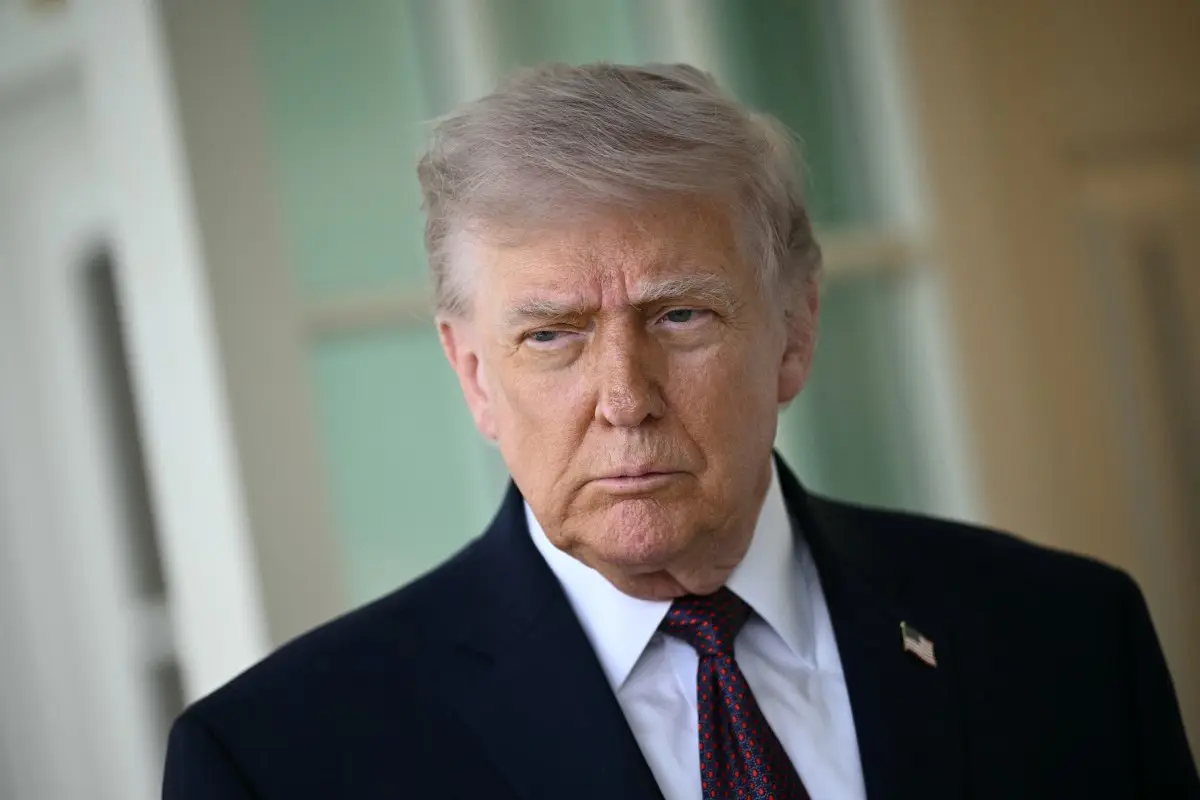
Venezuela's 303 Billion Barrels: The World's Largest Oil Reserve Sitting Idle
Venezuela holds 303.8 billion barrels of proven oil reserves — the largest on Earth, surpassing Saudi Arabia's 267 billion barrels — yet produces a fraction of its potential. Years of US sanctions, chronic mismanagement under PDVSA, and infrastructure collapse have reduced Venezuelan output from over 3 million barrels per day in 1998 to a pitiful 700,000 bpd by 2024. With the Hormuz blockade now cutting global supply by roughly 17 million bpd, the arithmetic is stark: Venezuela's recoverable reserves alone could theoretically replace Persian Gulf exports entirely, if the political will and investment exist to unlock them.
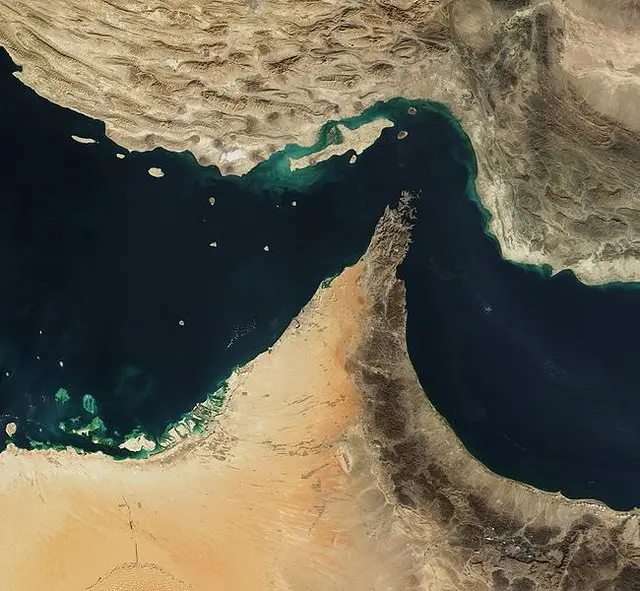
Trump's Venezuela Gambit: Sanctions Relief As The Ultimate Bargaining Chip
Senior White House officials have confirmed that back-channel negotiations between the Trump administration and Nicolas Maduro's government in Caracas have intensified sharply since the Hormuz blockade was declared. The framework under discussion involves a phased lifting of US oil sanctions on Venezuela in exchange for verified democratic reforms, PDVSA governance overhaul, and guaranteed preferential oil supply agreements with American refineries. Trump, who previously called Maduro a ‘Cuban puppet’ and backed opposition leader Juan Guaido, is now reportedly willing to cut a pragmatic deal — with the Hormuz crisis providing the geopolitical cover he needs to justify the reversal.
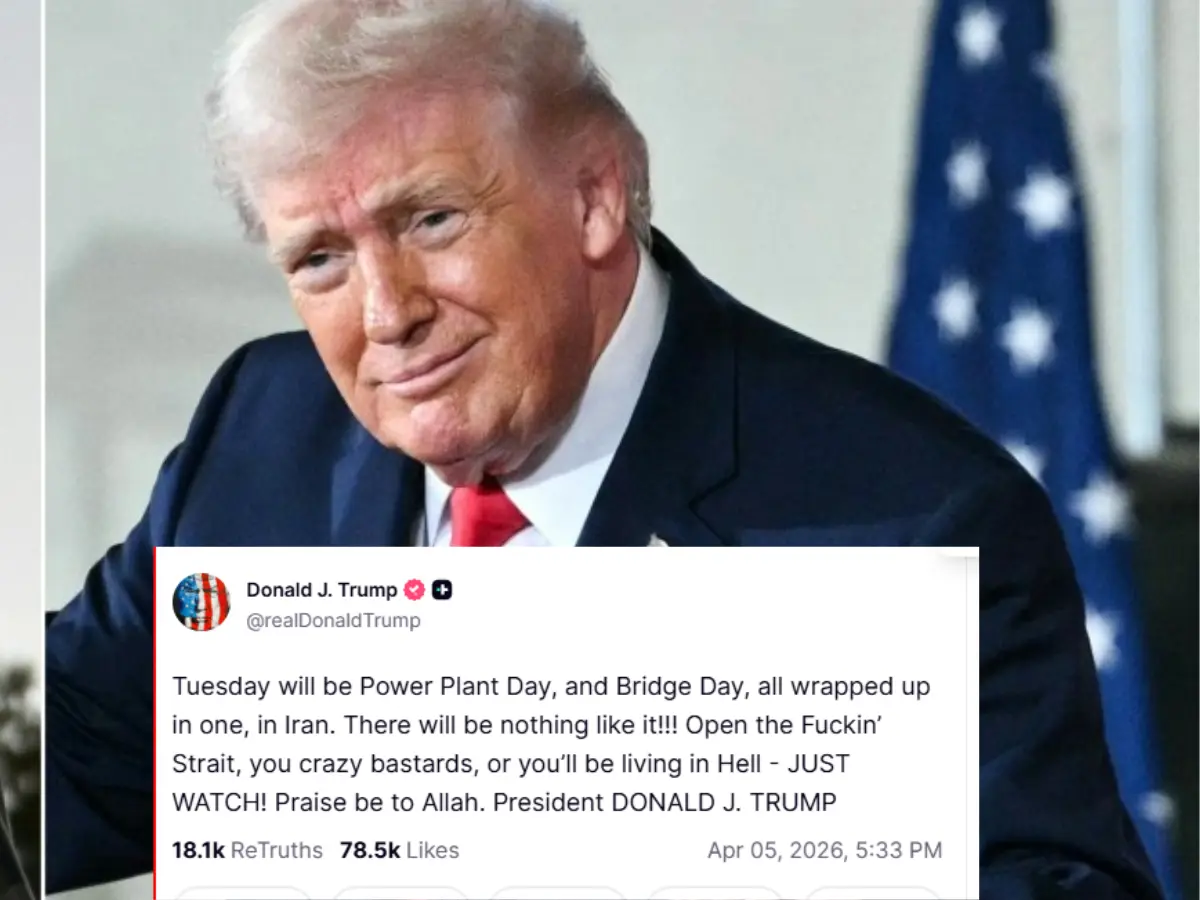
The Hormuz Chokepoint: Why One 33-Kilometre Strait Controls Global Energy
The Strait of Hormuz — a narrow 33-kilometre-wide waterway between Iran and Oman — is the world's single most critical oil transit chokepoint. In 2025, an average of 21 million barrels of crude oil and condensates passed through it daily, representing roughly 21% of global petroleum liquids consumption. There is no viable alternative route at equivalent scale: the Saudi East-West pipeline can carry only 5 million bpd, and the UAE's Habshan-Fujairah pipeline handles just 1.5 million bpd. The blockade has already sent Brent crude above $145 per barrel and triggered emergency IEA reserve releases, making the case for a permanent non-Hormuz supply source more urgent than at any point in history.
PDVSA Revival Blueprint: Can Venezuela Hit 3 Million BPD Within Five Years?
Energy analysts at Goldman Sachs and Wood Mackenzie have modelled PDVSA revival scenarios under a full sanctions-lift. The consensus: Venezuela could realistically reach 1.5 million bpd within 18 months, and 3 million bpd within five years, assuming sustained foreign investment of $20–30 billion annually. Chevron — which never fully exited Venezuela under a carve-out licence — is positioned to lead the investment surge alongside Shell, Repsol, and Chinese partners CNPC. The critical bottleneck is not reserves but infrastructure: export terminals, diluent supply chains, and pipeline networks require massive rehabilitation. A Trump-brokered deal could fast-track this through US Exim Bank financing and investor guarantees.

The Atlantic Oil Corridor: Replacing Persian Gulf Lanes With Caribbean Routes
A revived Venezuelan oil sector would ship predominantly through the Caribbean and Atlantic to US Gulf Coast refineries — a route entirely free of Middle Eastern chokepoints. The US Gulf Coast refinery complex is specifically engineered to process heavy Venezuelan crude, the same grade that once made Venezuela America's top oil supplier before sanctions hit. Energy security planners in Washington see this as a permanent architectural shift: diversifying away from the Indo-Pacific tanker lanes that run through Hormuz, Malacca, and the Gulf of Aden — all of which are now considered high-risk strategic vulnerabilities after the Iran War exposed their fragility.
OPEC Earthquake: How Venezuelan Production Would Redraw The Energy World Order
A Venezuelan production surge of 3 million bpd would constitute the largest OPEC supply shock since Saudi Arabia's 1980s surge, fundamentally altering the cartel's leverage over global prices. Saudi Arabia, the UAE, and Iraq — who collectively depend on Hormuz for revenue — would face permanent pricing pressure from an Atlantic-basin competitor backed by US geopolitical muscle. Riyadh has already signalled alarm in private diplomatic channels, with Saudi Crown Prince MBS reportedly sending envoys to Caracas to offer counter-deals. The contest over Venezuela's oil future is becoming a proxy battle for who controls the post-Iran-War global energy architecture.
OPEC Earthquake: How Venezuelan Production Would Redraw The Energy World Order
A Venezuelan production surge of 3 million bpd would constitute the largest OPEC supply shock since Saudi Arabia's 1980s surge, fundamentally altering the cartel's leverage over global prices. Saudi Arabia, the UAE, and Iraq — who collectively depend on Hormuz for revenue — would face permanent pricing pressure from an Atlantic-basin competitor backed by US geopolitical muscle. Riyadh has already signalled alarm in private diplomatic channels, with Saudi Crown Prince MBS reportedly sending envoys to Caracas to offer counter-deals. The contest over Venezuela's oil future is becoming a proxy battle for who controls the post-Iran-War global energy architecture.
The Timeline And The Risks: What Could Still Kill 'The Trump Card'
Several factors could derail the Venezuela strategy before it bears fruit. Maduro may demand concessions — including ICC immunity guarantees and permanent sanctions waivers — that face fierce resistance in the US Congress. Venezuela's oil fields have deteriorated so severely that some analysts believe realistic production recovery is a decade away, not five years. Cuba, Russia, and China — all with deep economic interests in keeping Venezuela isolated from US influence — will work to sabotage any Washington-Caracas rapprochement. And Trump himself has a history of reversing Venezuela policy unpredictably. The window of opportunity created by the Hormuz crisis is real — but narrow, and closing.
)
)
)
)
)