'Raw data': How university scientists are analysing 51 new UFO videos

Civilian astrophysicists and data scientists finally have access to raw military telemetry, opening the door for rigorous open-source peer review of the UAP phenomenon.
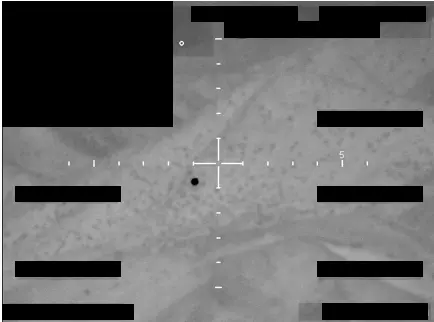
The Era of Open-Source Science
For decades, civilian scientists could only guess at what the military knew. With the May 22 release of 51 unredacted videos, the era of open-source UAP peer review has officially begun.
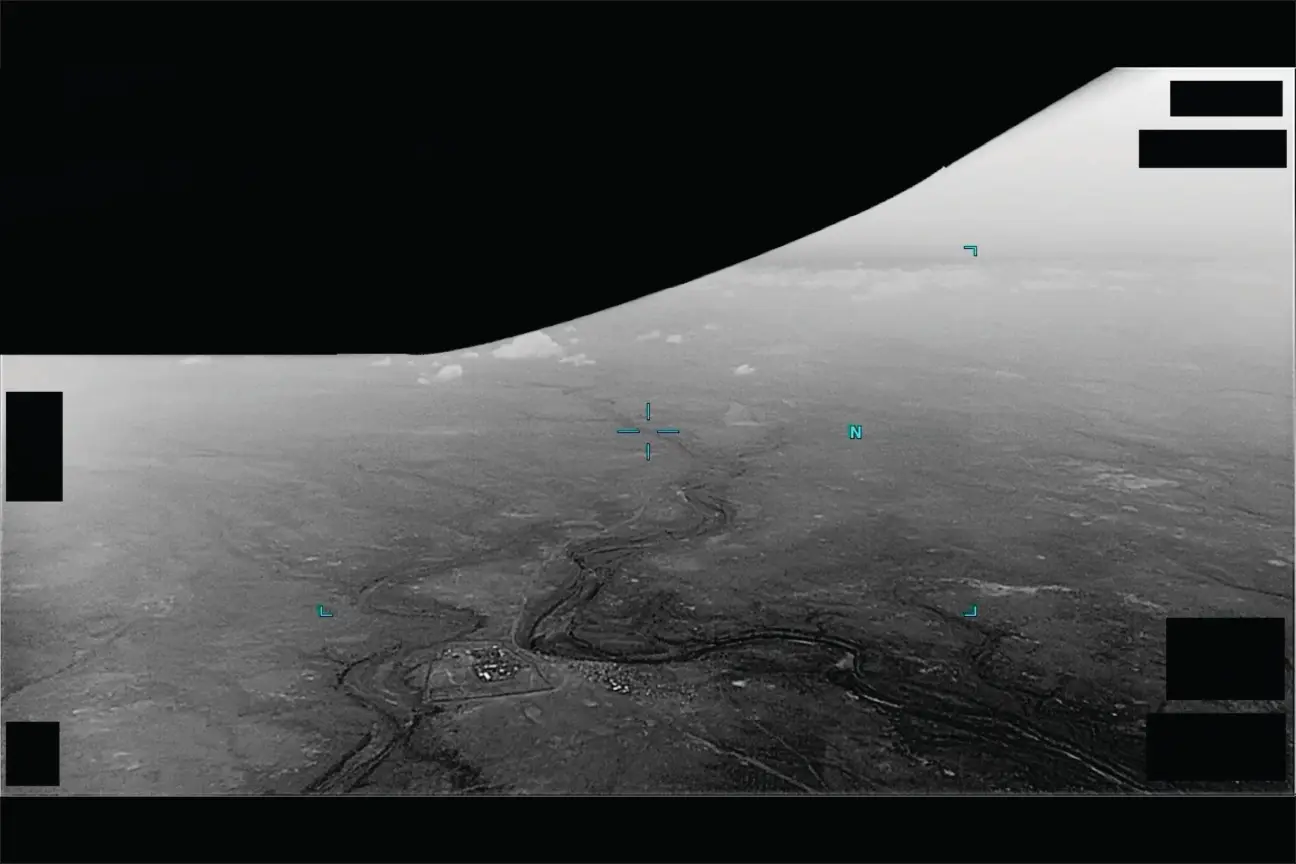
Raw Telemetry Released
The videos aren't just visual records; they contain raw telemetry data, including altitude, airspeed, and infrared signatures, providing the hard math required for serious academic study.
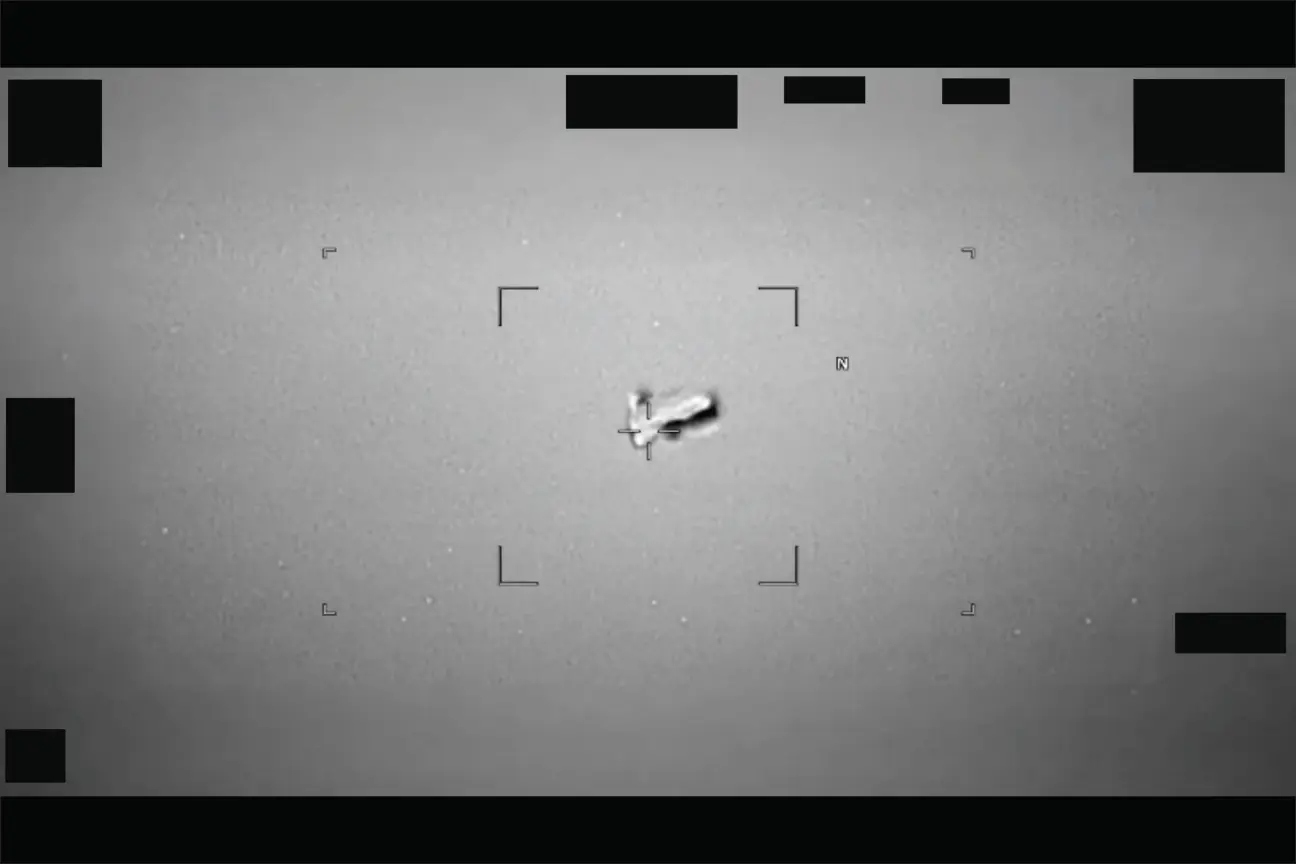
Universities Step In
Major research universities have formed independent task forces to download and analyze the PURSUE database, treating the UAP phenomenon as a legitimate astrophysical anomaly rather than a fringe topic.

Crowdsourcing the Analysis
By making the data public, the government has effectively crowdsourced its UAP investigation, utilizing the combined processing power and expertise of thousands of civilian data scientists.
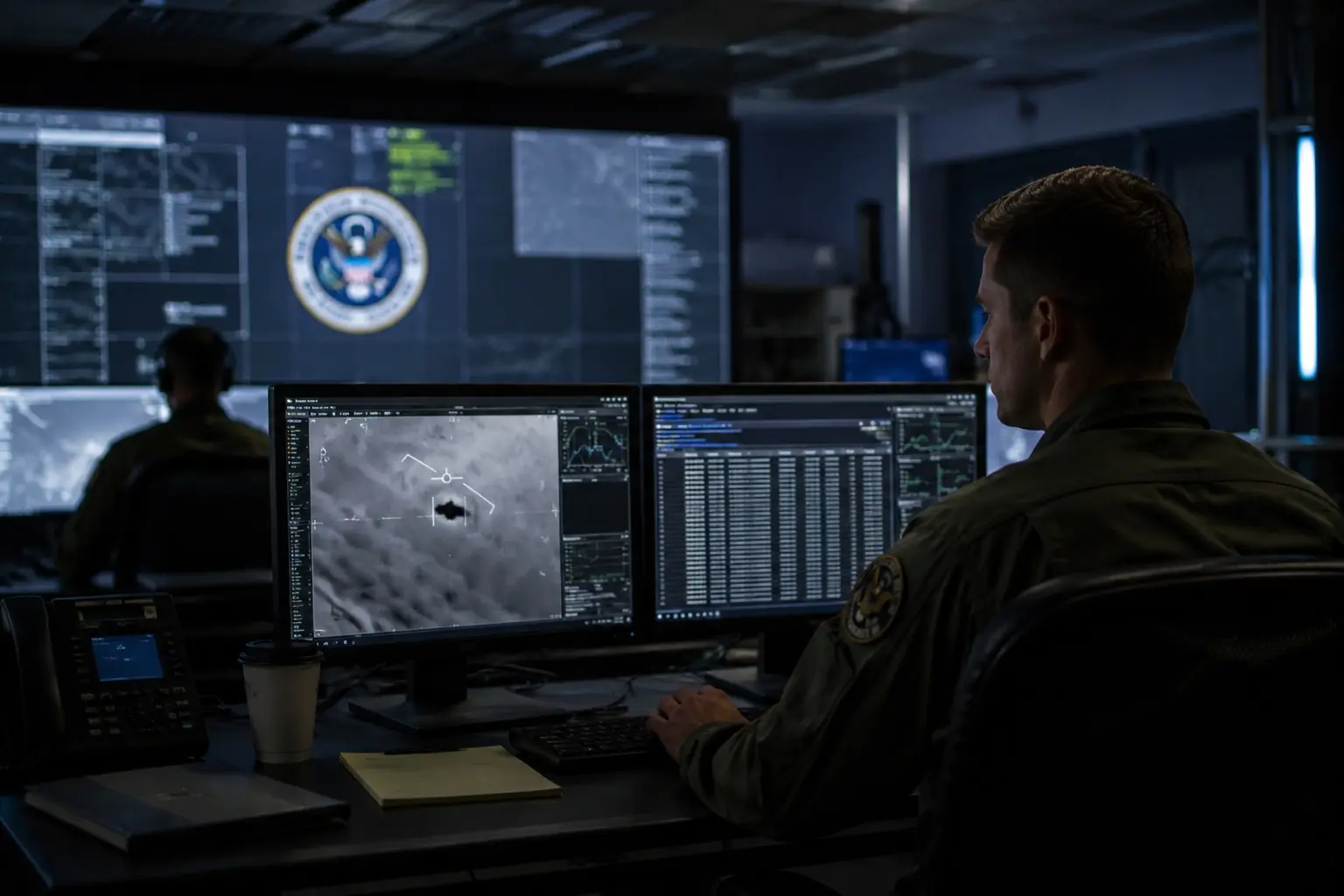
Applying Machine Learning
Academic researchers are deploying their own custom machine learning algorithms to track the objects in the videos, calculating acceleration rates that seemingly defy known aerodynamics.
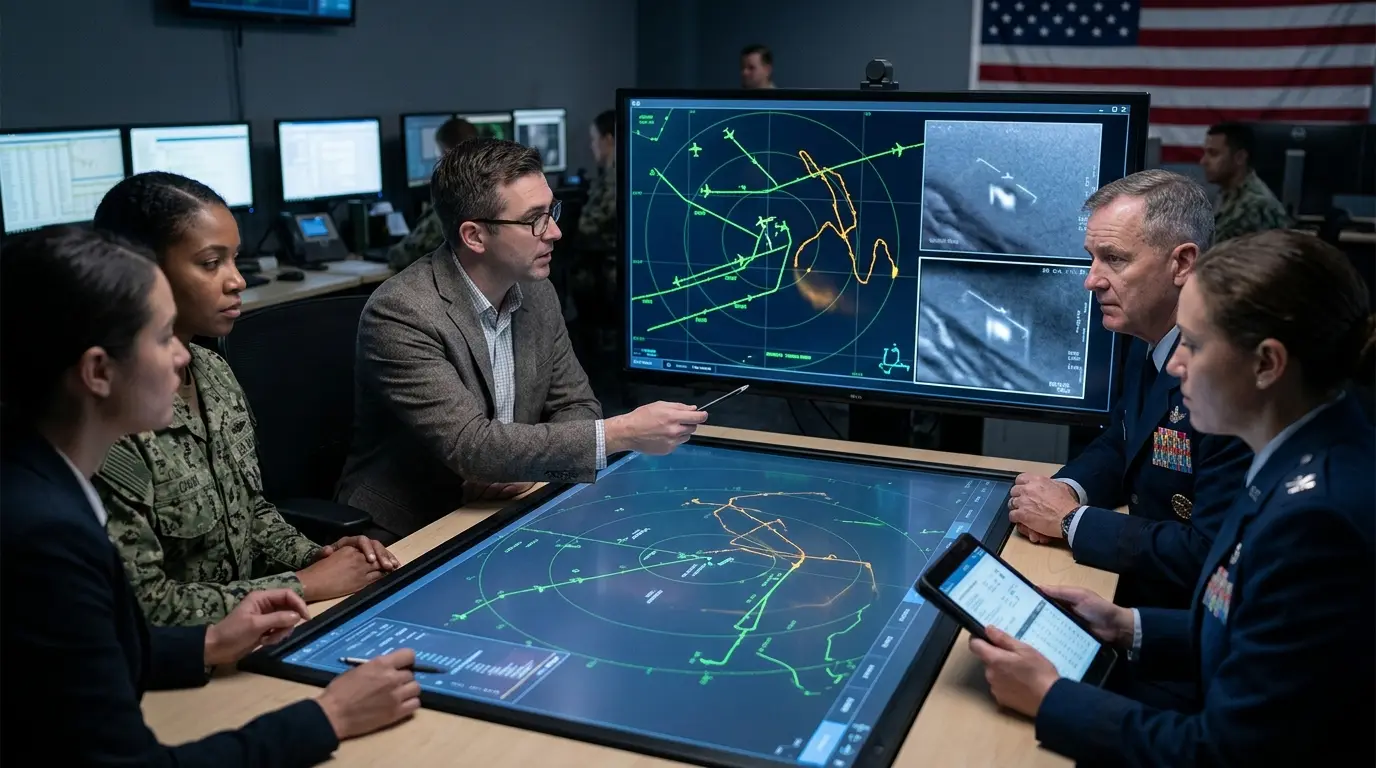
Bridging the Civilian-Military Divide
This unprecedented data sharing is bridging the historical divide between secretive Pentagon programs and open academic inquiry, forcing a collaborative approach to solving the mystery.
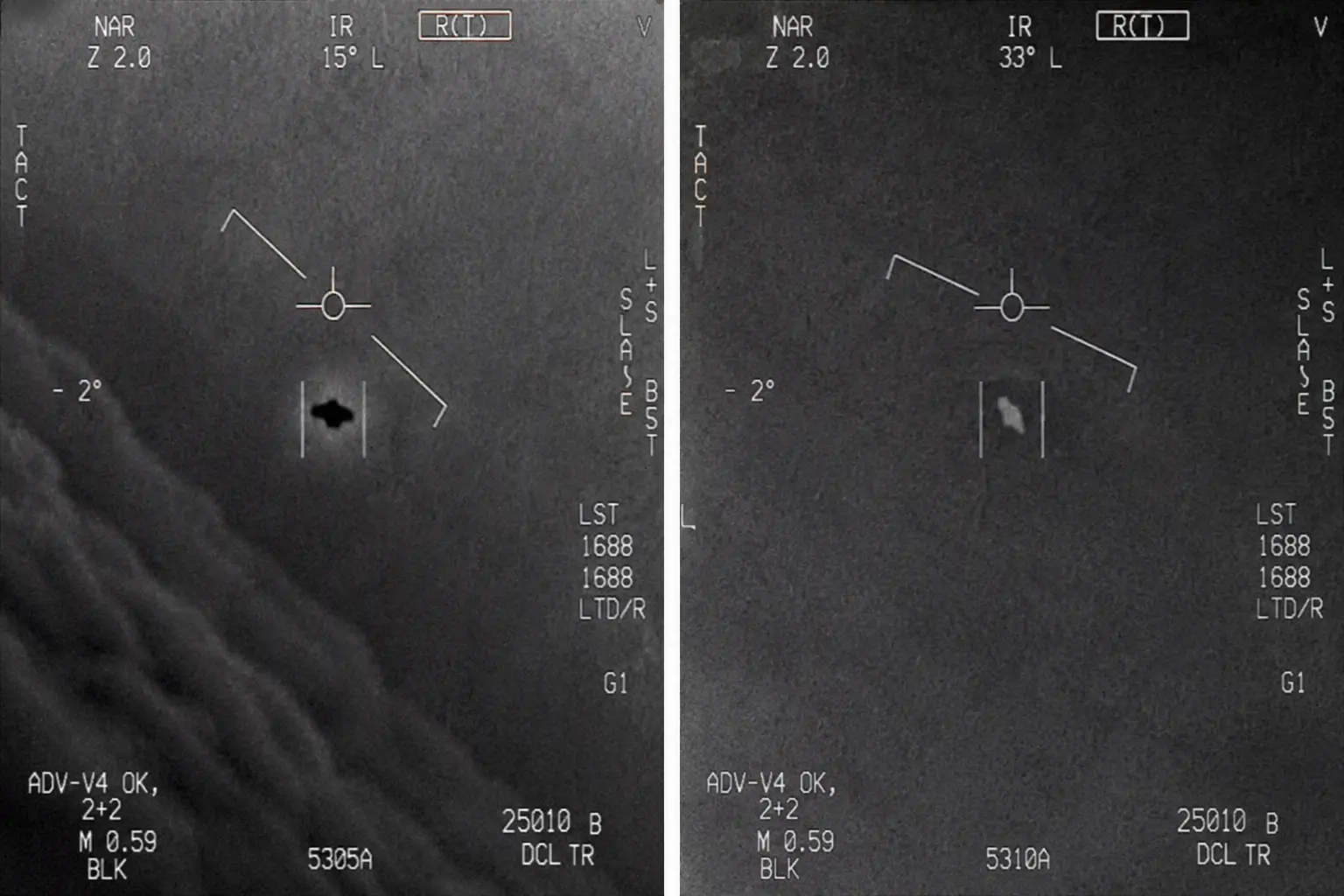
The Push for More Data
While grateful for the videos, the scientific community is already lobbying the Department of War for the release of uncompressed radar cross-sections to paint a complete physical picture of the craft.
)
)
)
)
)