Rare earths and Arctic security: How is China involved in Greenland’s Kvanefjeld project?

Trump’s interest in Greenland is driven not just by its strategic Arctic location, but also by its vast rare earth and critical mineral resources, which have drawn China’s attention as a potential investor and processing partner, raising the stakes in a growing geopolitical contest.
Trump's push for Greenland
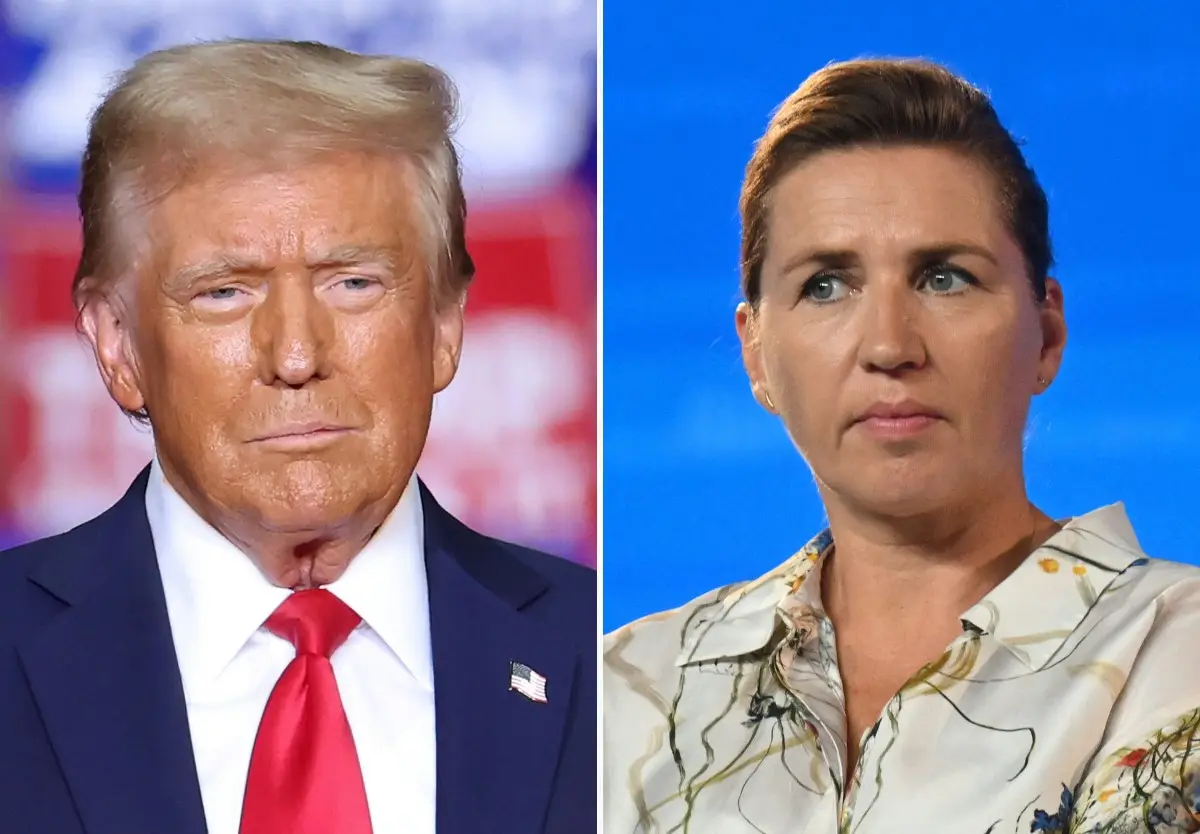
US President Donald Trump has made Greenland a central focus of his second term, framing the Arctic island as a national security priority and repeatedly warning of Russian and Chinese influence in the region. He also announced 10 percent tariffs on European and NATO allies, including Denmark, Norway, Sweden, France, Germany, the UK, the Netherlands, and Finland as part of broader trade pressure, adding that the tariffs could go up to 25 per cent from June 2026. Trump’s interest in Greenland is driven not just by its strategic Arctic location, but also by its vast rare earth and critical mineral resources, which have drawn China’s attention as a potential investor and processing partner, raising the stakes in a growing geopolitical contest.
Greenland’s rare earth potential and global supply gaps
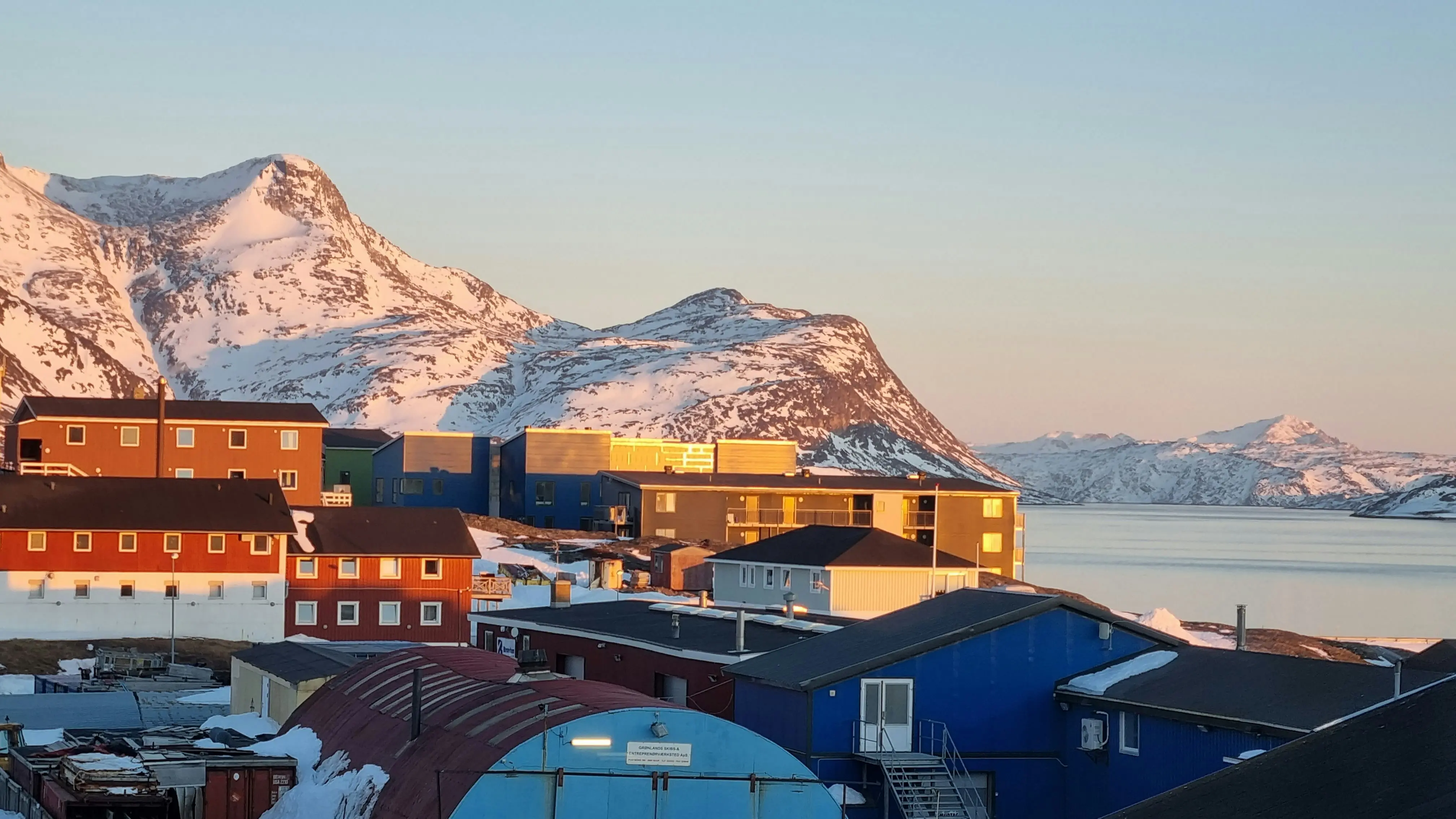
Greenland sits at the heart of a growing global scramble for rare earth elements (REEs) including iron ore, graphite, tungsten, palladium, vanadium, zinc, gold, uranium, copper, and oil. These are essential for defence systems, renewable energy, telecommunications and electric vehicles. The island ranks eighth in the world for rare earth reserves, with 1.5 million tons and is estimated to hold significant REE deposits, including at Kvanefjeld and Tanbreez. These minerals are critical for modern technology and national security, especially as China currently dominates global rare earth processing.
Why rare earths matter for Arctic security
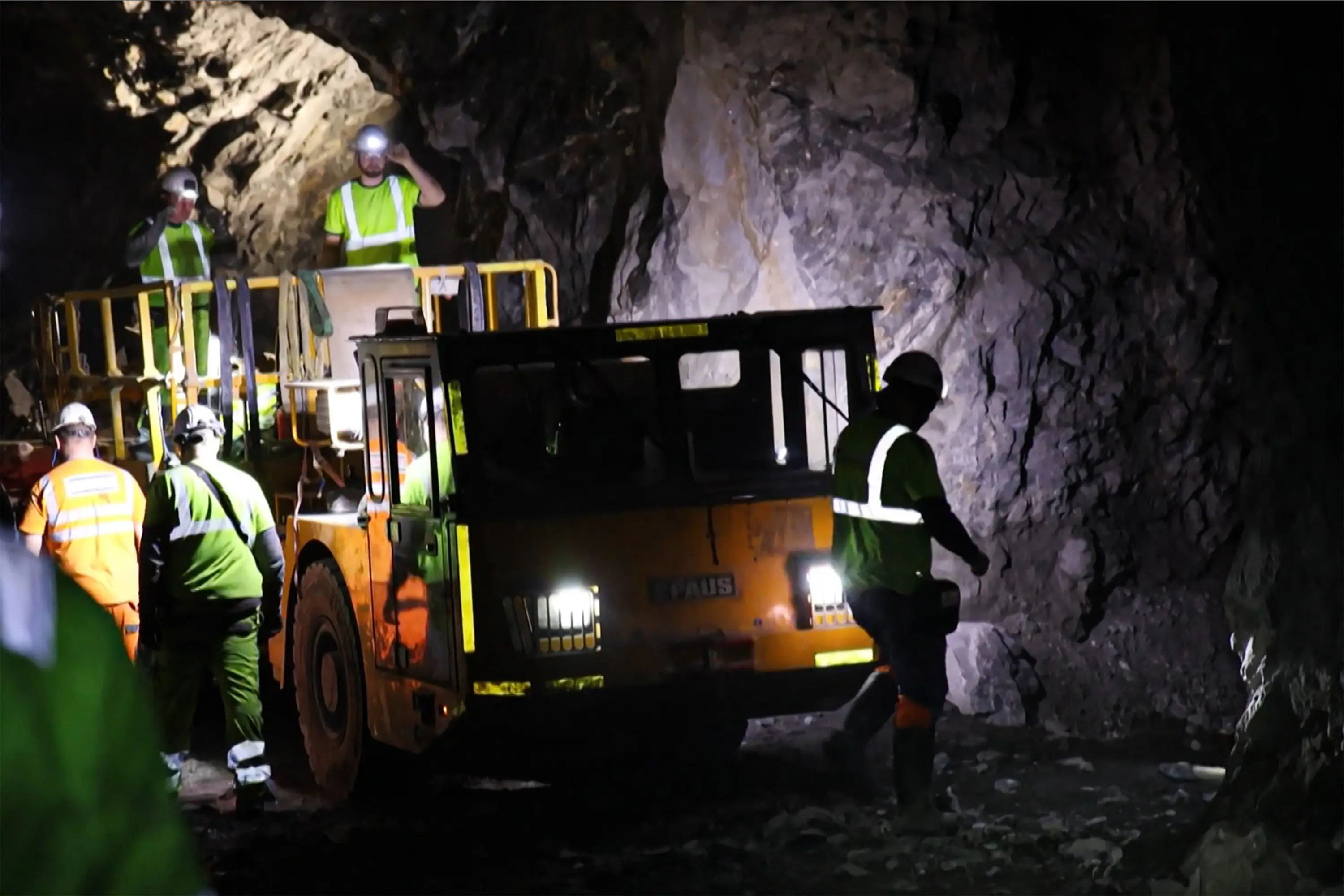
The United States and its allies view rare earth supply chains as strategic vulnerabilities because China controls most processing and separation capacity. Disruptions or export restrictions by Beijing could affect military systems and commercial industries alike, prompting Western policymakers to seek new sources of REEs outside China. Greenland’s reserves thus have both economic and security implications.
The Kvanefjeld project’s appeal and controversy
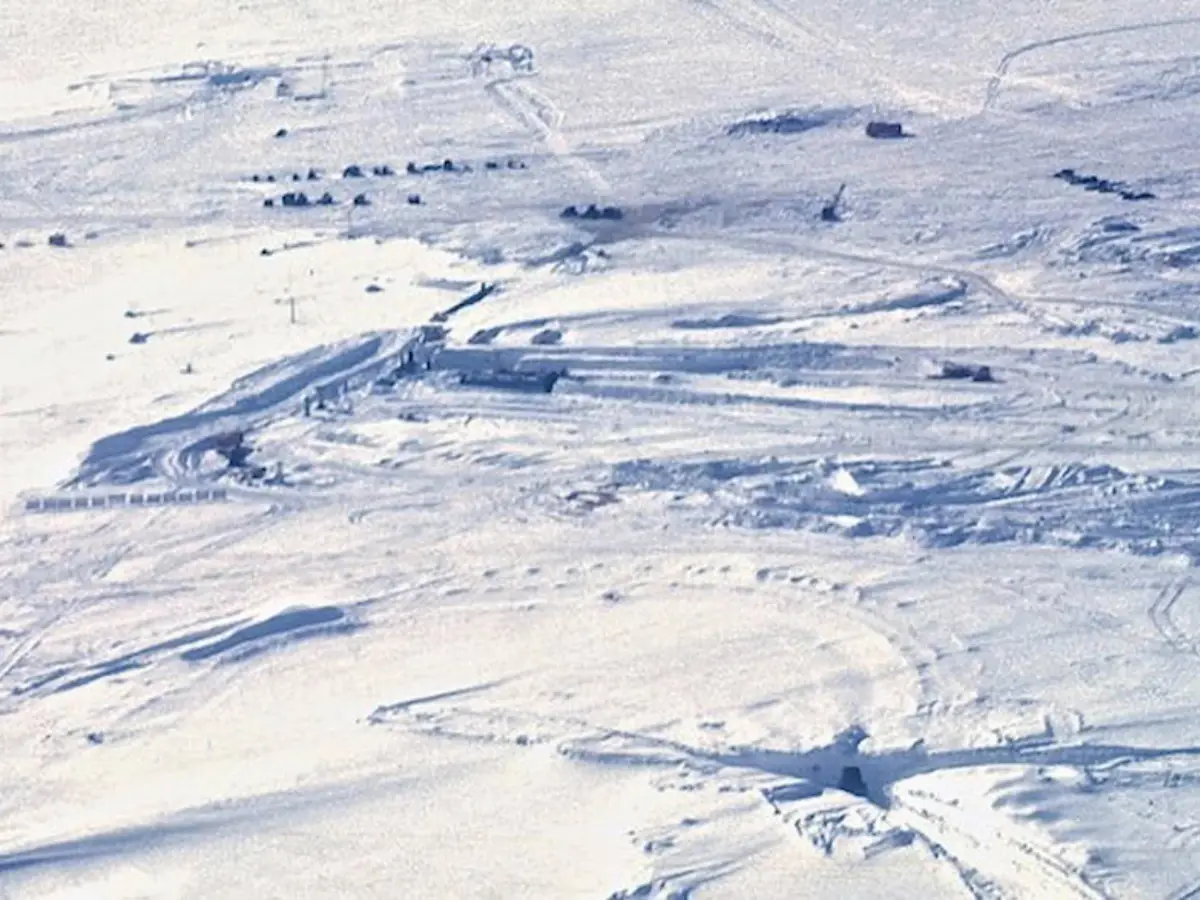
Kvanefjeld is one of the largest known rare earth deposits globally, with millions of tonnes of minerals, including heavy rare earths prized for specialised applications. However, the project’s development has stalled due to environmental and public health concerns, particularly the presence of uranium in the ore, which triggered legislation banning uranium mining and effectively blocked exploitation. This political obstacle underscores the complexity of Arctic mining in environmentally sensitive regions.
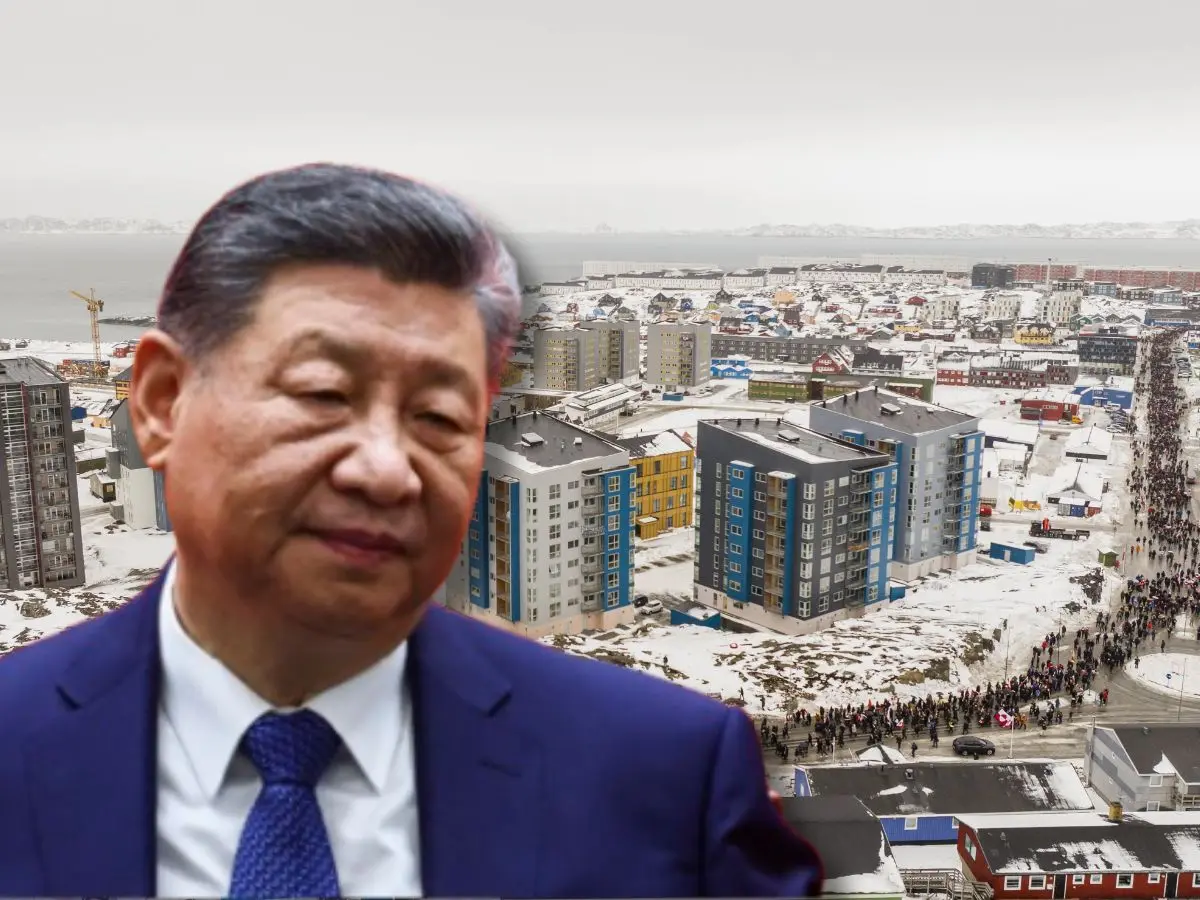
China’s involvement in the Kvanefjeld project
The Kvanefjeld project is majority-owned by Australian company Greenland Minerals, but China’s Shenghe Resources is its largest shareholder and strategic partner. The Atlantic Council notes that this has been raising concerns in Washington, which sees the mining sector as a backdoor for Chinese encroachment in the Arctic. Shenghe signed an MOU in 2018 to lead the processing and marketing of materials extracted from the site.
China’s expanding Arctic footprint
In 2018, China launched its Arctic policy, also known as the ‘Polar Silk Road’, in which it controversially referred to itself as a ‘Near-Arctic State’. In October 2024, Beijing and Moscow signed agreements to develop shipping along the Northern Sea Route (NSR) in the Russian Arctic, a coastal Arctic passage that can significantly shorten Europe-Asia voyages compared with traditional routes. Chinese firms also hold stakes in Russian LNG projects and are involved in resource and data-cable projects in the region.
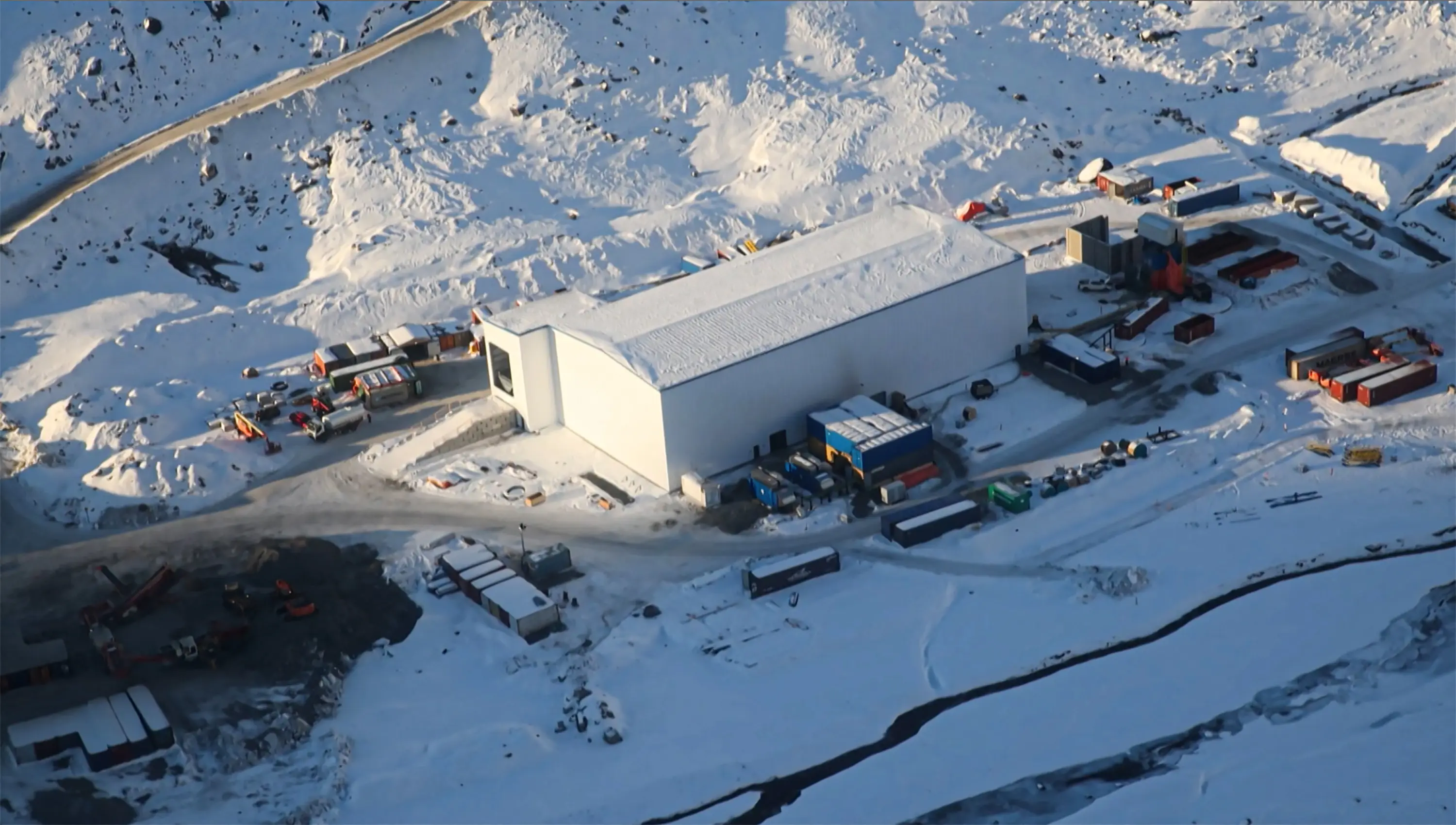
China’s stalled infrastructure push
According to the Centre for Strategic & International Studies, for more than a decade, China has sought to gain a foothold in Greenland through airports, an abandoned naval station, and a satellite ground station, but its ambitions have been largely stalled and curtailed by US and Danish stakeholders. While Beijing has yet to establish a Polar Silk Road of strategic significance, its dominance in rare earth separation and processing still gives China leverage, allowing potential access to Greenland’s resources through processing and offtake agreements rather than direct ownership.
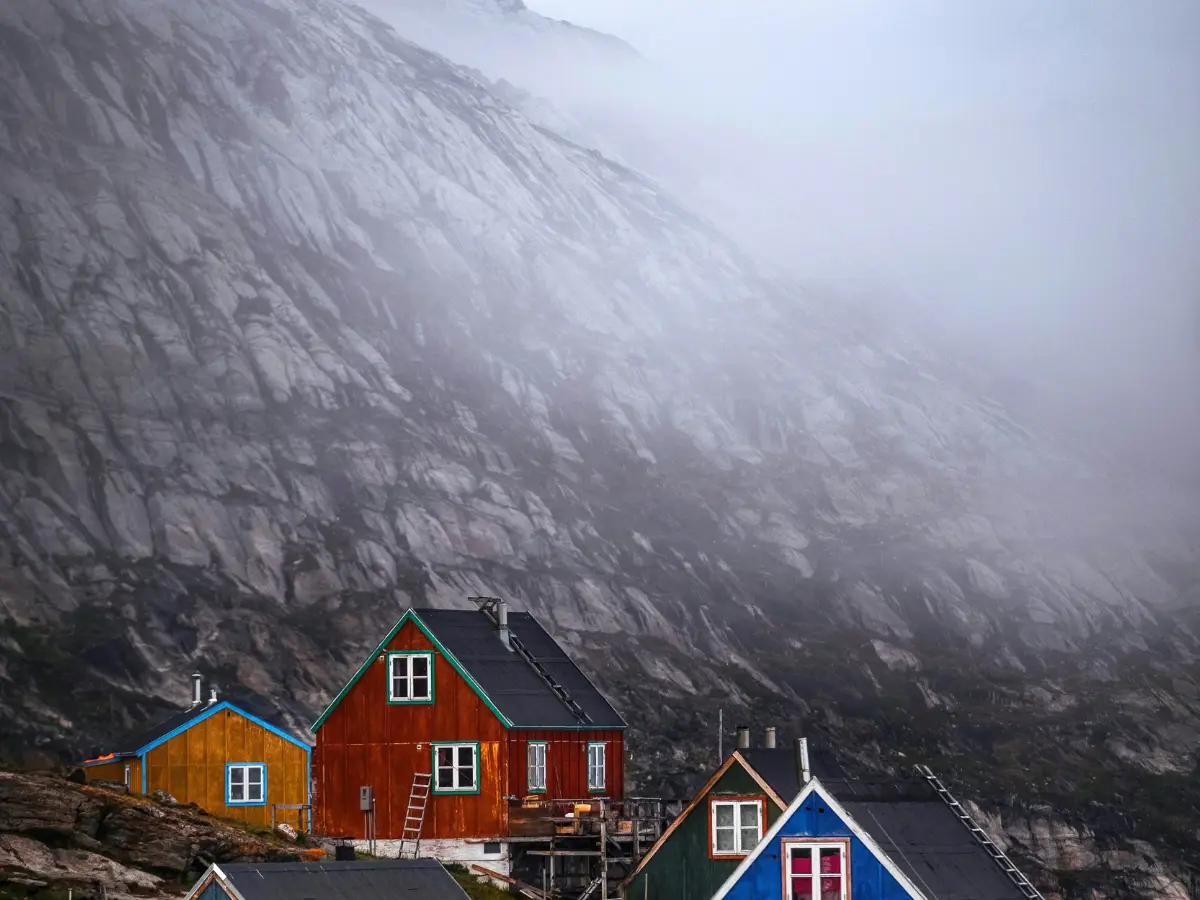
Infrastructure and investment challenges
Developing rare earth mining in Greenland faces significant hurdles. Harsh Arctic conditions, limited transport and energy infrastructure, and high upfront capital requirements make mining ventures expensive and technically demanding. For projects like Kvanefjeld to proceed, investment in ports, power generation and logistics corridors will be essential.
Balancing partnerships and sovereignty
In May 2025, Naaja Nathanielsen, Greenland's Minister for Business and Mineral Resources, urged the United States and European Union to increase investment in the Arctic territory’s mining sector, noting that investment is essential for economic development. She also emphasised that without sufficient capital from the US or Europe, Greenland may feel pressure to accept investment from China or other sources, complicating geopolitical dynamics in the region.
)
)
)
)
)