Range vs Speed: Why missile range matters more than speed in modern fighter jet combat

In modern aerial warfare, missile range is more critical than speed. Doctrines like "first look, first kill" rely on hitting enemies from Beyond Visual Range (BVR) before they can respond. Advanced missiles like the Meteor use ramjets to create a massive No Escape Zone.
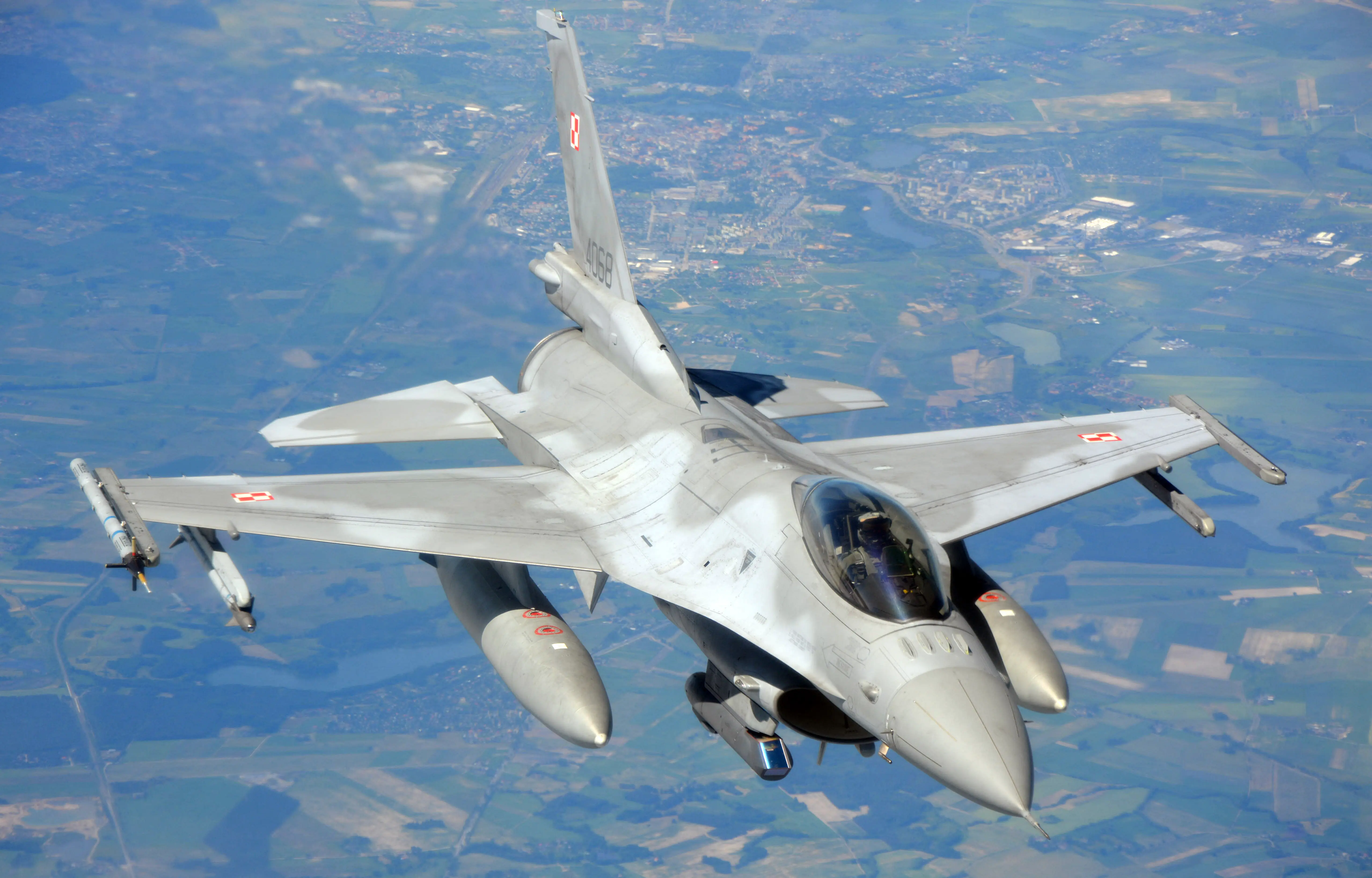
First Look, First Shot, First Kill The Core Doctrine
Modern air combat is defined by the mantra "first look, first shot, first kill". RUSI analysts explain that if a fighter jet can launch a missile from 150 km away while the enemy can only shoot from 100 km, the battle is effectively over before it begins, regardless of who is faster.
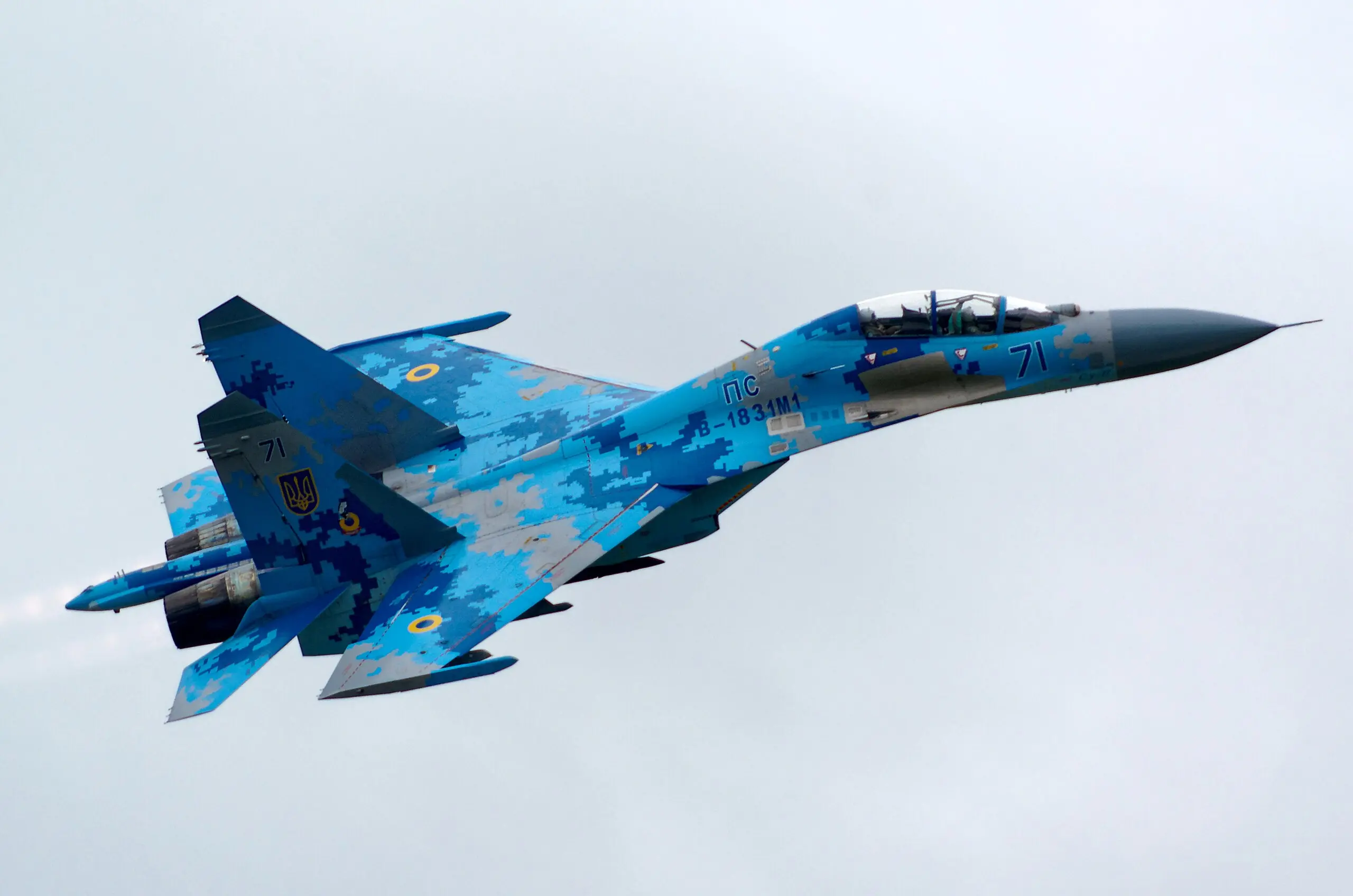
The 'No Escape Zone' (NEZ) Where Speed Doesn't Help
The "No Escape Zone" is the area where a target cannot outrun or out-turn a missile. MBDA notes that long-range missiles like the Meteor use ramjets to sustain power, expanding this lethal zone to over 60 km, ensuring the enemy dies even if they turn and flee at Mach 2.
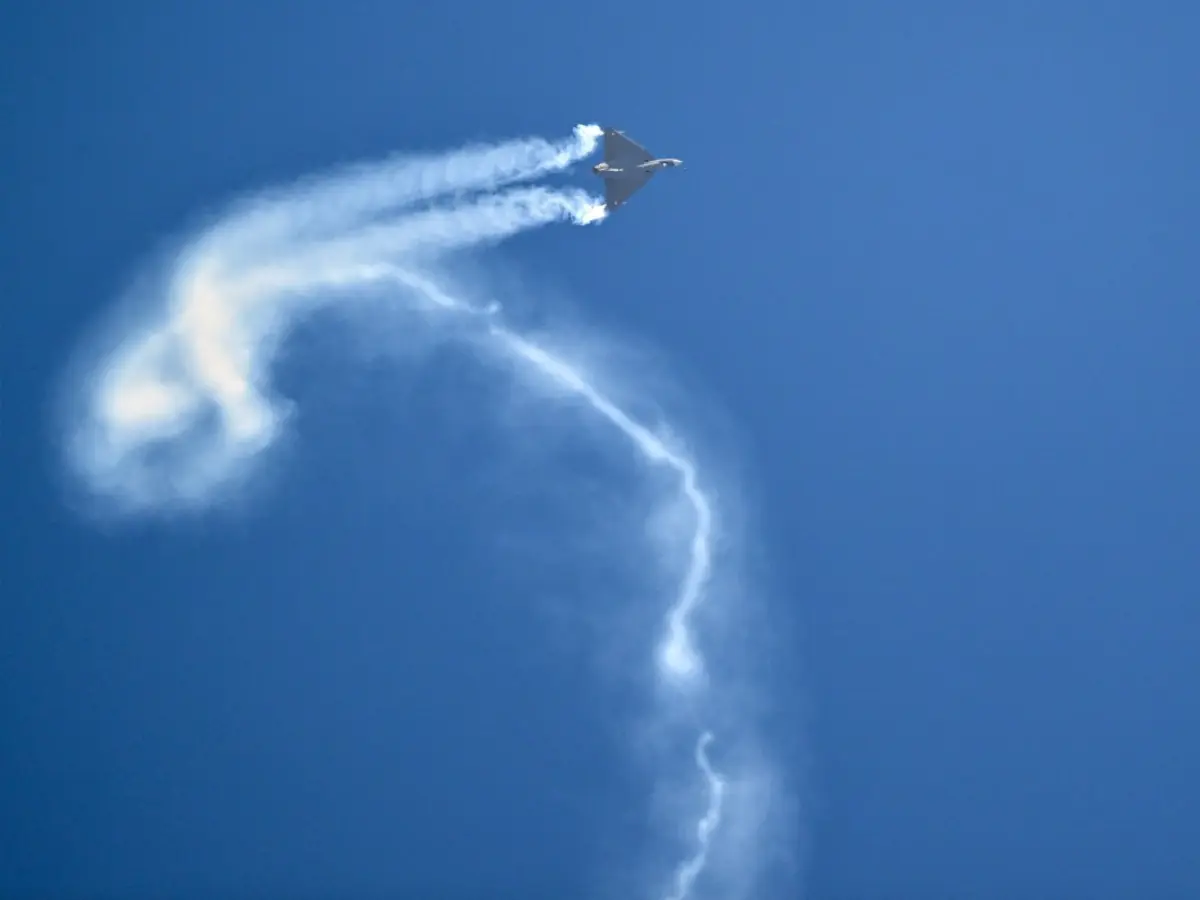
Killing the 'Force Multipliers' Targeting Tankers and AWACS
Long-range missiles like China’s PL-15 (200 km+ range) are designed to destroy vital support aircraft. The International Institute for Strategic Studies (IISS) reports that by pushing the engagement zone back, these weapons force tankers and radars to retreat, blinding the enemy fleet.
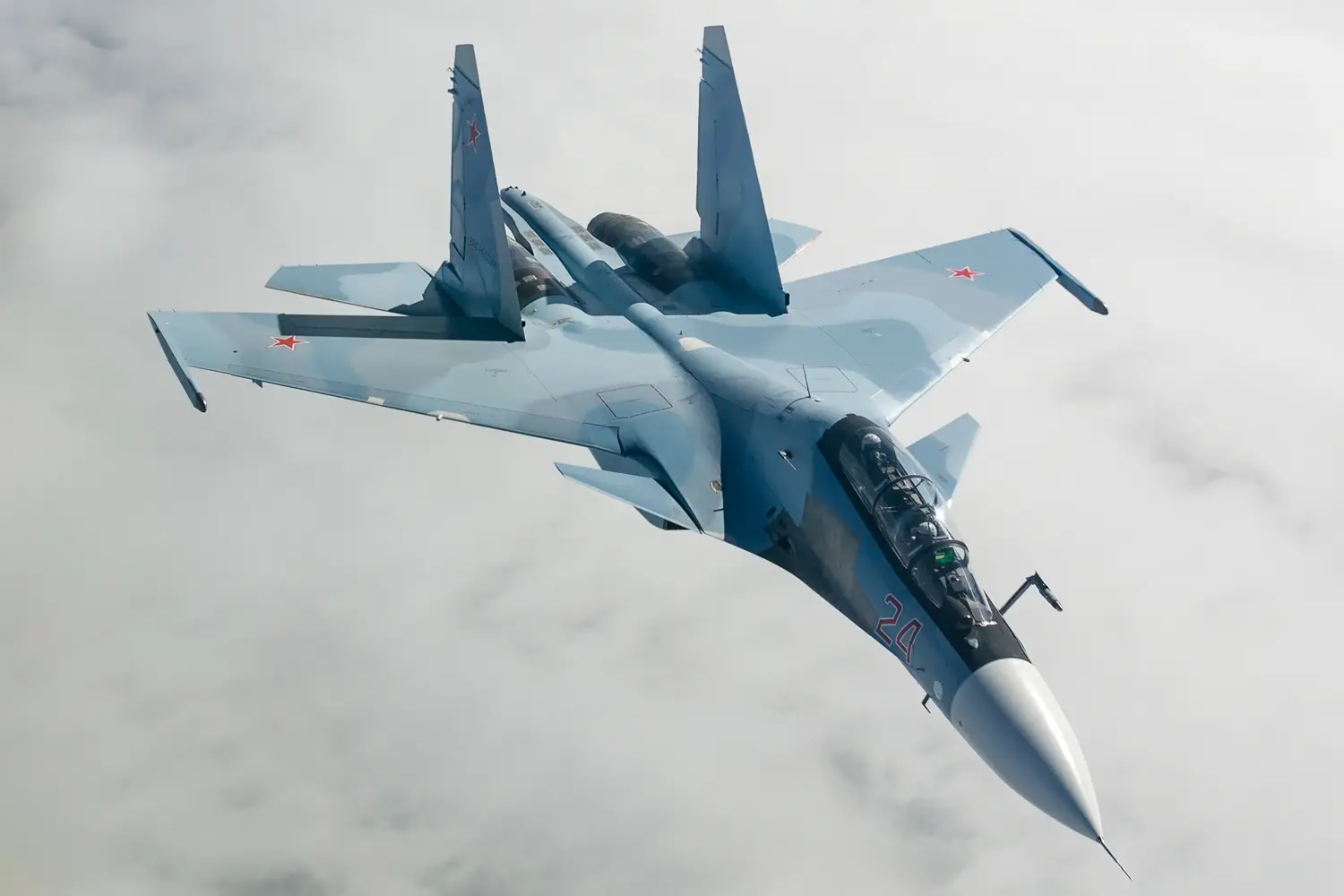
Speed Bleeds, Range Sustains Energy Management
A standard rocket motor burns out in seconds, coasting the rest of the way. The War Zone highlights that long-range ramjet missiles maintain their speed throughout the flight, hitting the target with maximum kinetic energy, whereas a faster short-range missile would run out of steam.
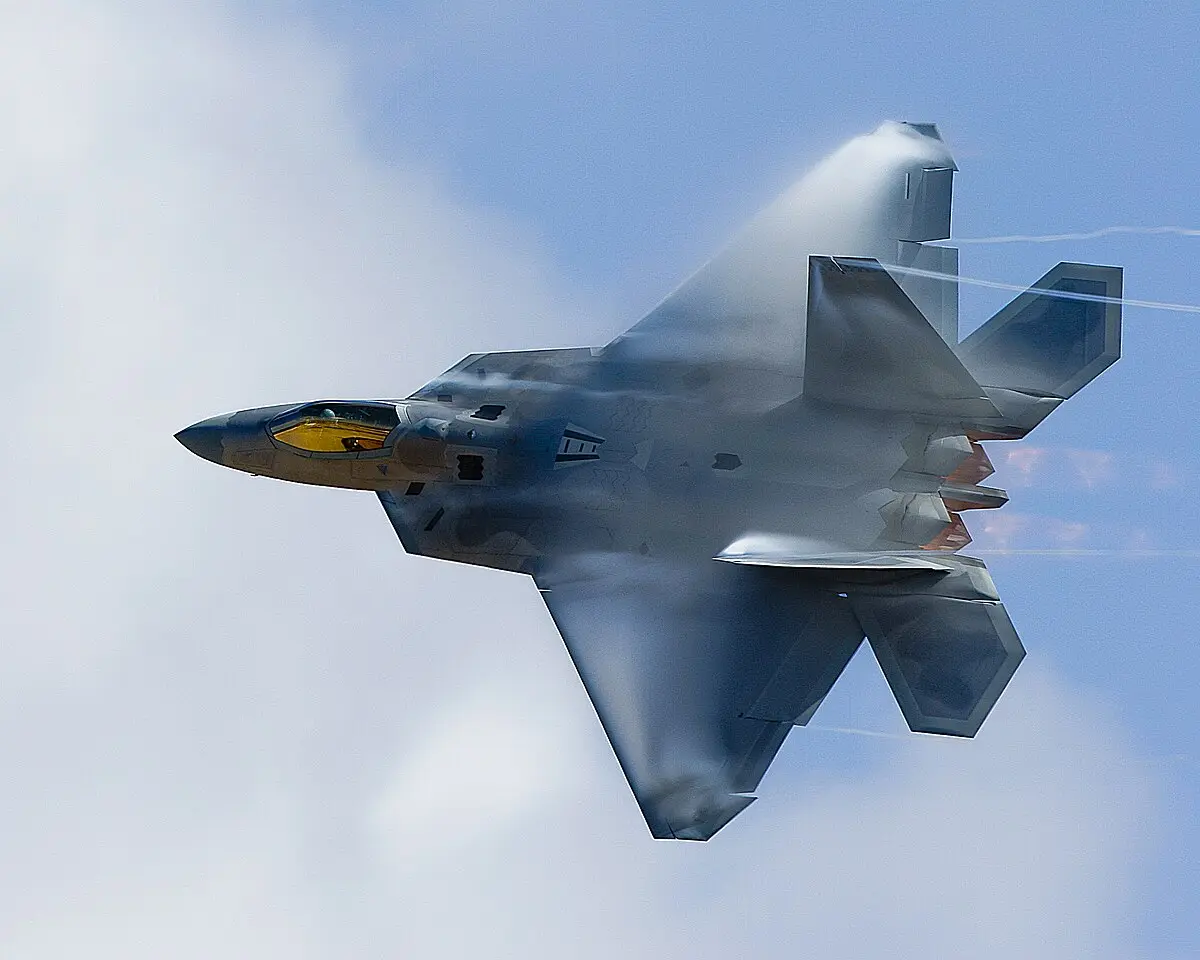
Stealth Synergy
Stealth jets like the F-35 rely on range to survive. Lockheed Martin data suggests that by firing from deep Beyond Visual Range (BVR), stealth fighters can destroy non-stealth enemies without ever entering their detection radius or risking a close-range dogfight.
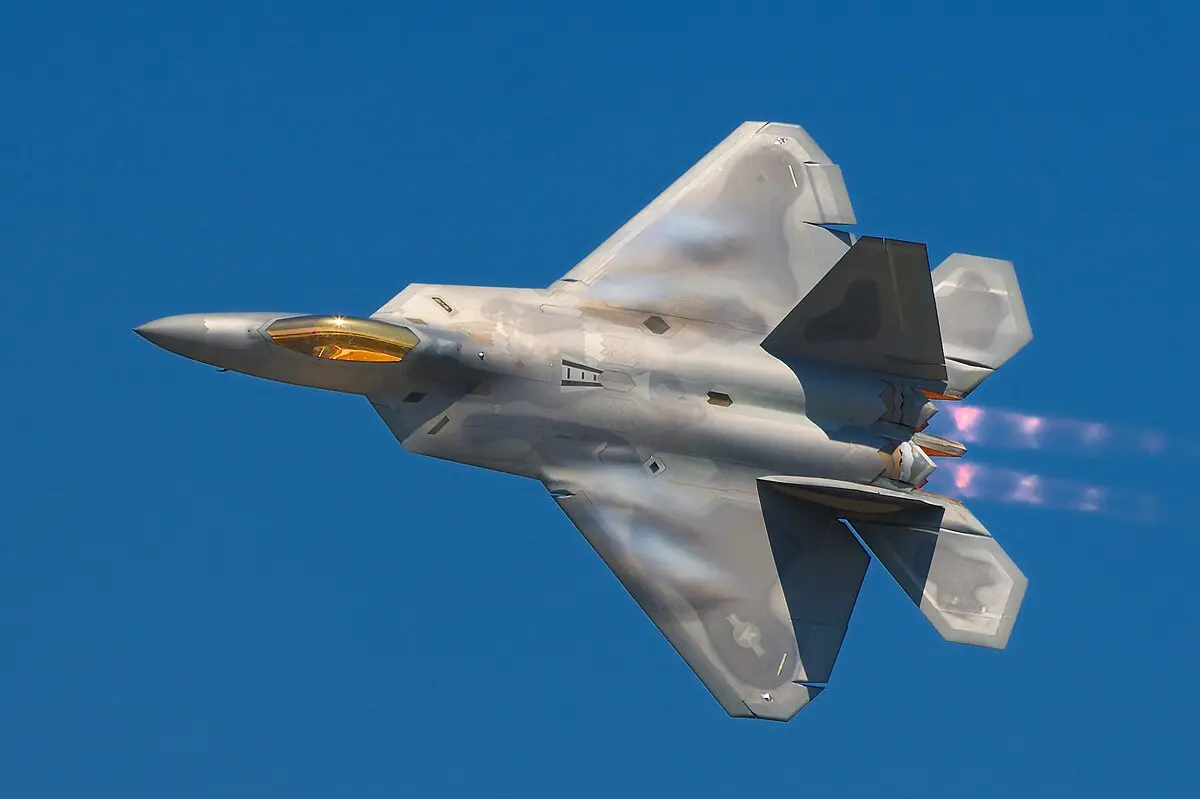
Avoiding the 'Merge' Dogfighting is a Coin Toss
Entering visual range (the "merge") negates superior technology, turning combat into a dangerous coin toss. Air & Space Forces Magazine notes that modern doctrine treats a dogfight as a tactical failure; the goal is to kill from a distance where the enemy cannot return fire.
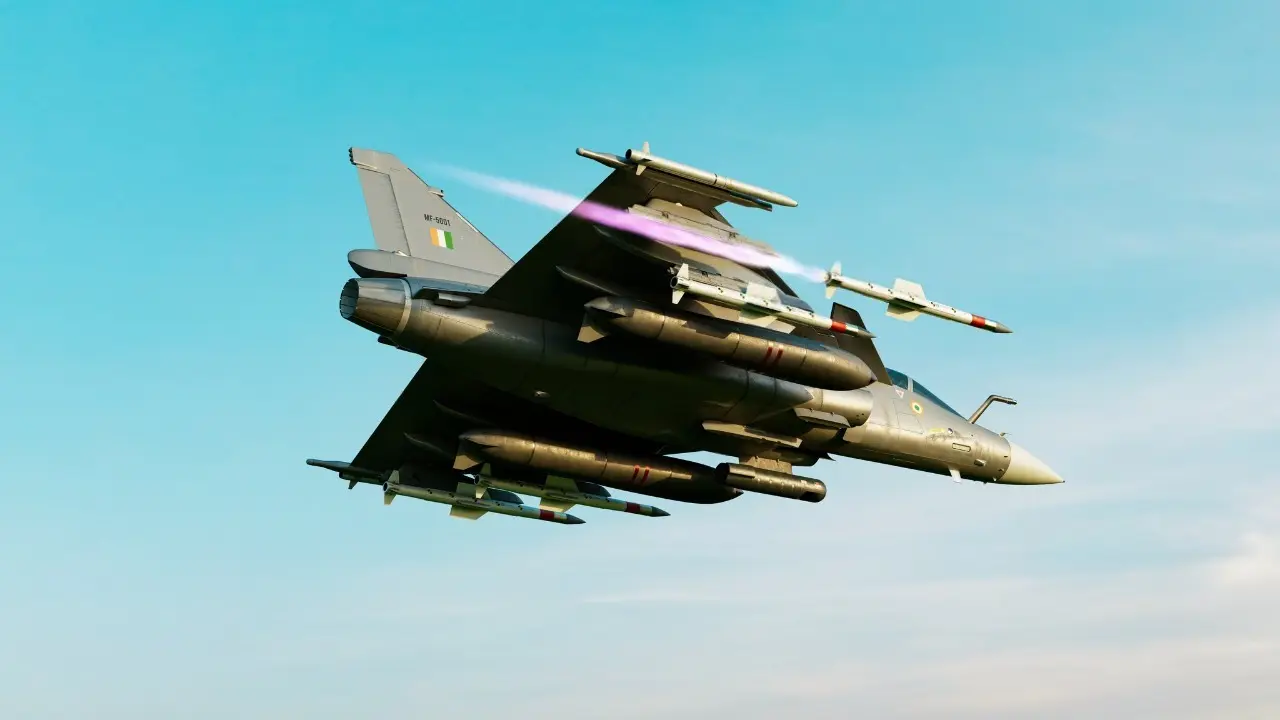
Strategic Area Denial Pushing the Enemy Back
Range allows a smaller force to defend a larger area. CSIS explains that a jet equipped with very long-range missiles can enforce an "Anti-Access/Area Denial" (A2/AD) bubble, preventing enemy bombers from even entering the contested airspace.
)
)
)
)
)