Rain, storms and turbulence: Can the B-52 bomber fly in bad weather?

Unlike fragile stealth aircraft, the B-52 bomber safely navigates extreme weather due to massive 185-foot wings that bend to absorb severe turbulence. The US Air Force is also upgrading the fleet with advanced digital radars featuring precise, colour-coded storm tracking.
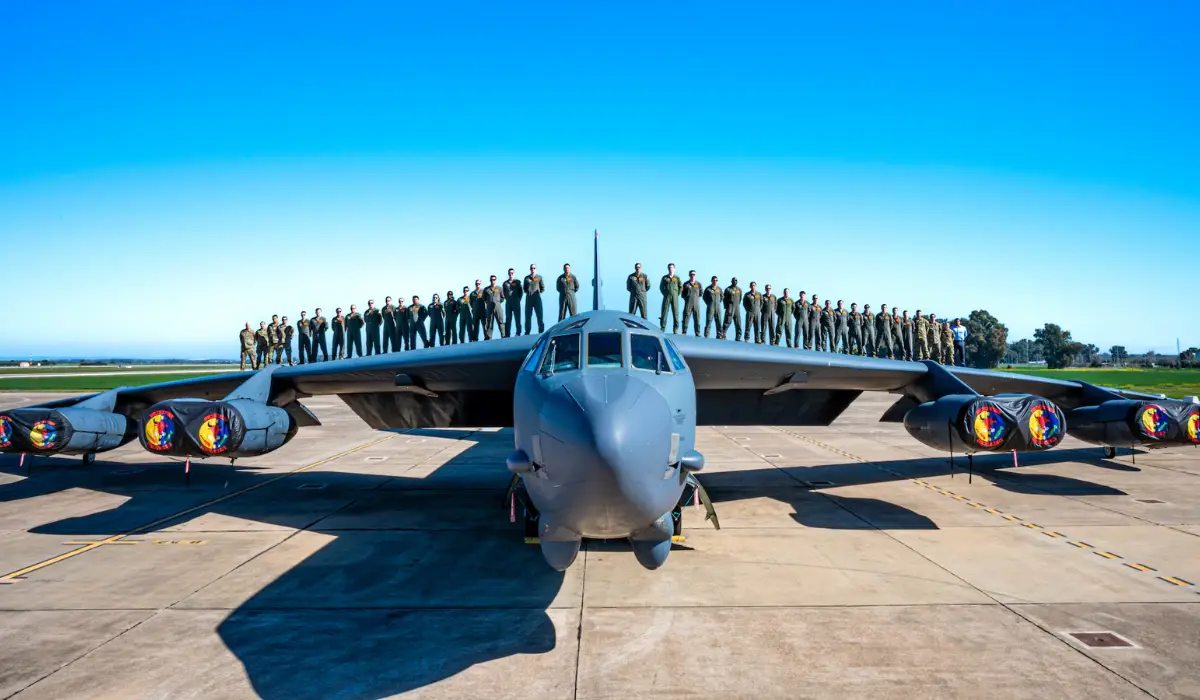
A True All-Weather Bomber
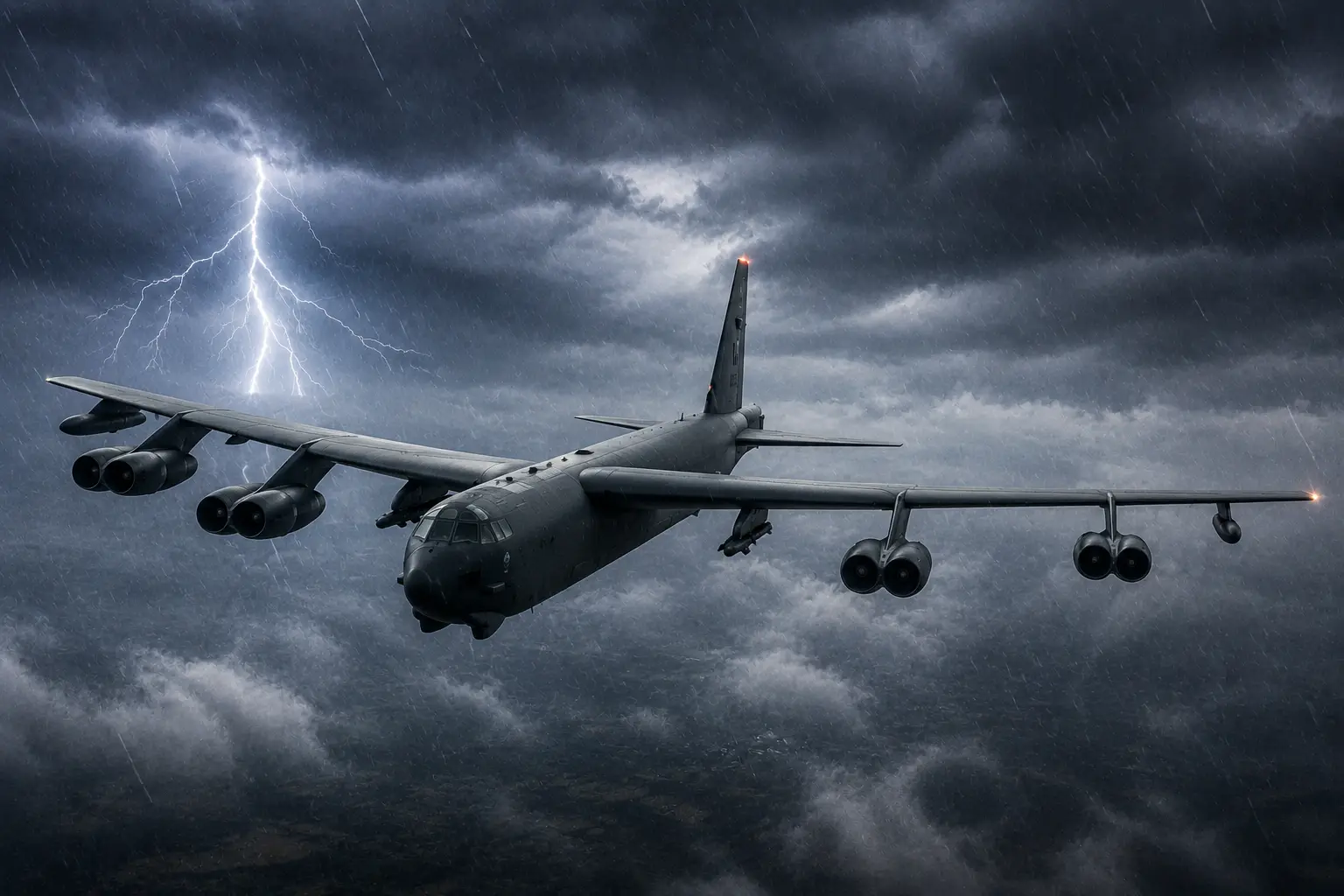
Unlike modern stealth aircraft that struggle in extreme rain, the B-52 Stratofortress is built to withstand severe weather. The 70-year-old heavy bomber routinely operates in harsh atmospheric conditions without damaging its exterior.
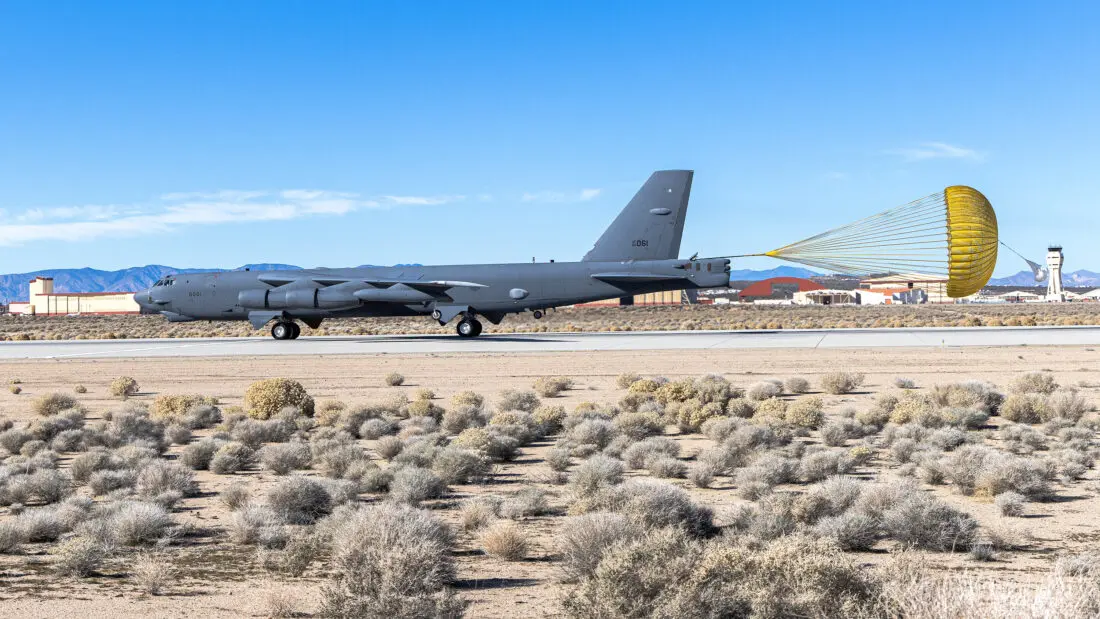
No Fragile Stealth Coatings
Stealth bombers like the B-2 rely on delicate radar-absorbing materials that degrade quickly in heavy moisture. Because the B-52 entirely lacks this fragile skin, it can fly through massive rainstorms without requiring expensive, immediate repairs.
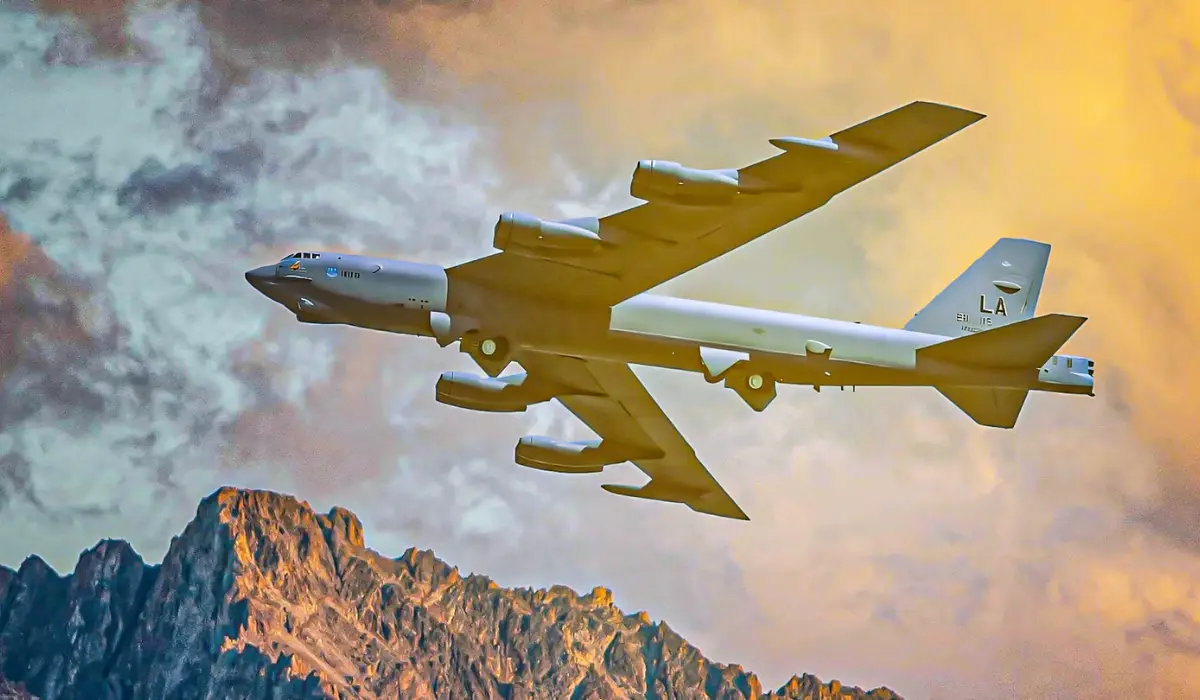
Massive Flexible Wings
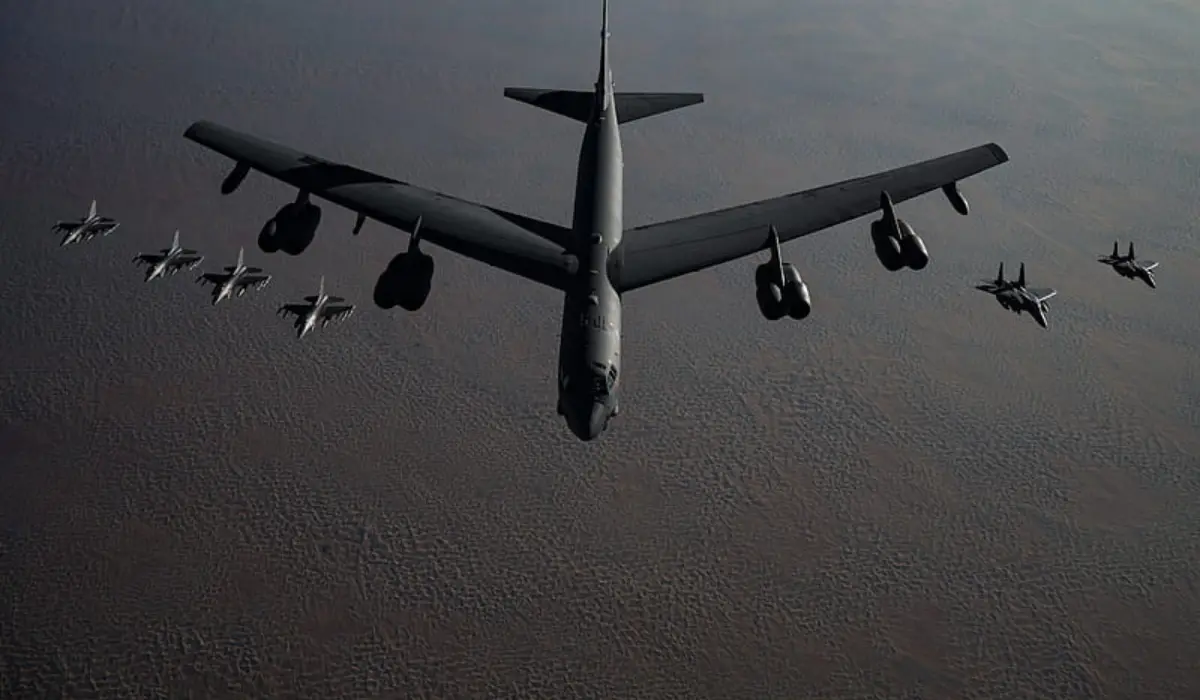
The aircraft features an enormous 185-foot wingspan specifically designed to flex significantly under aerodynamic stress. During severe turbulence, these massive wingtips can safely bend several feet up and down to absorb the intense physical shock.
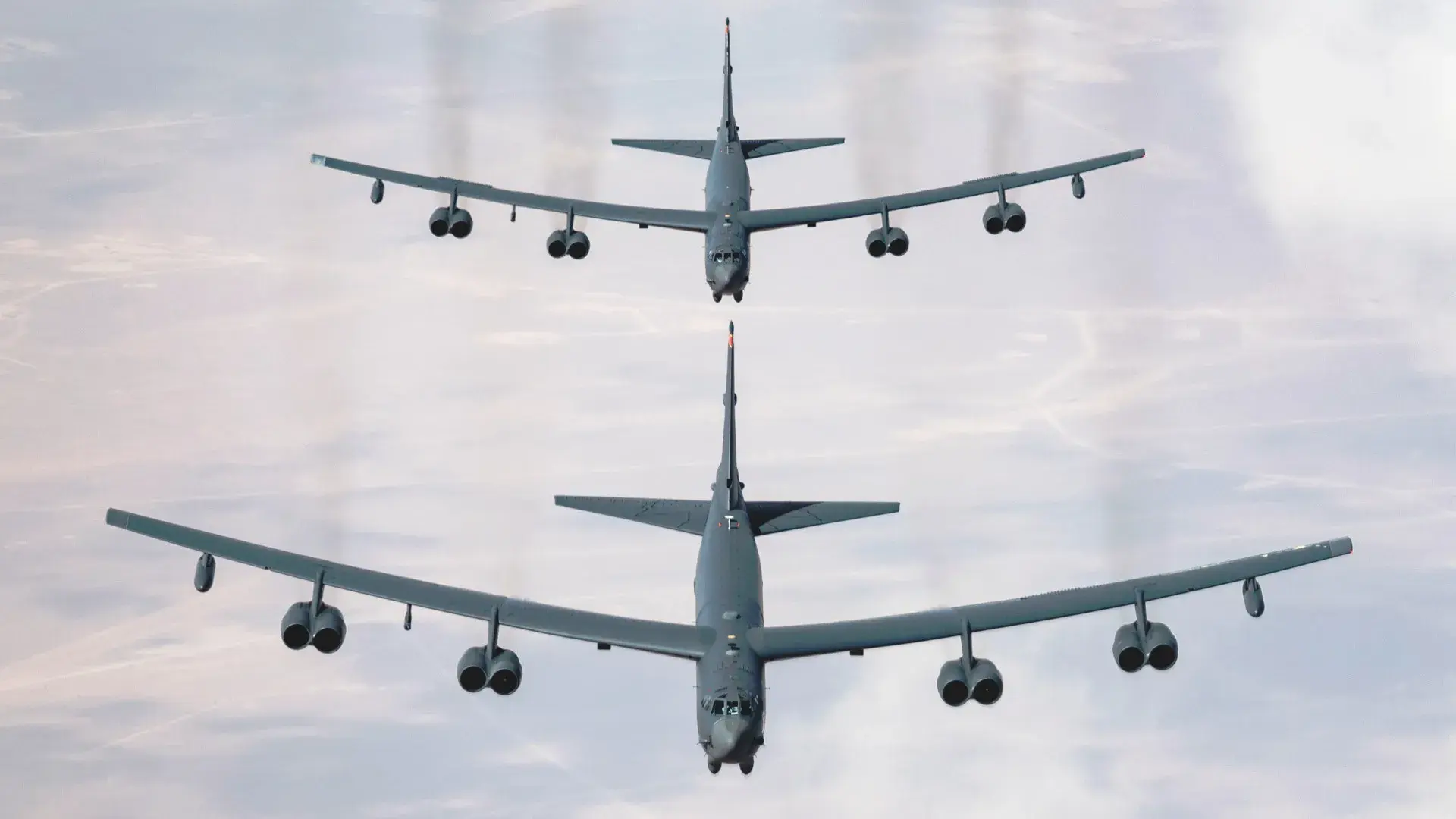
Smoothing the Ride
This extreme structural flexibility acts exactly like a massive shock absorber for the heavy aircraft. Instead of fighting turbulent winds rigidly, the wings bend to smooth out the ride and prevent structural overload.
A Major Radar Upgrade
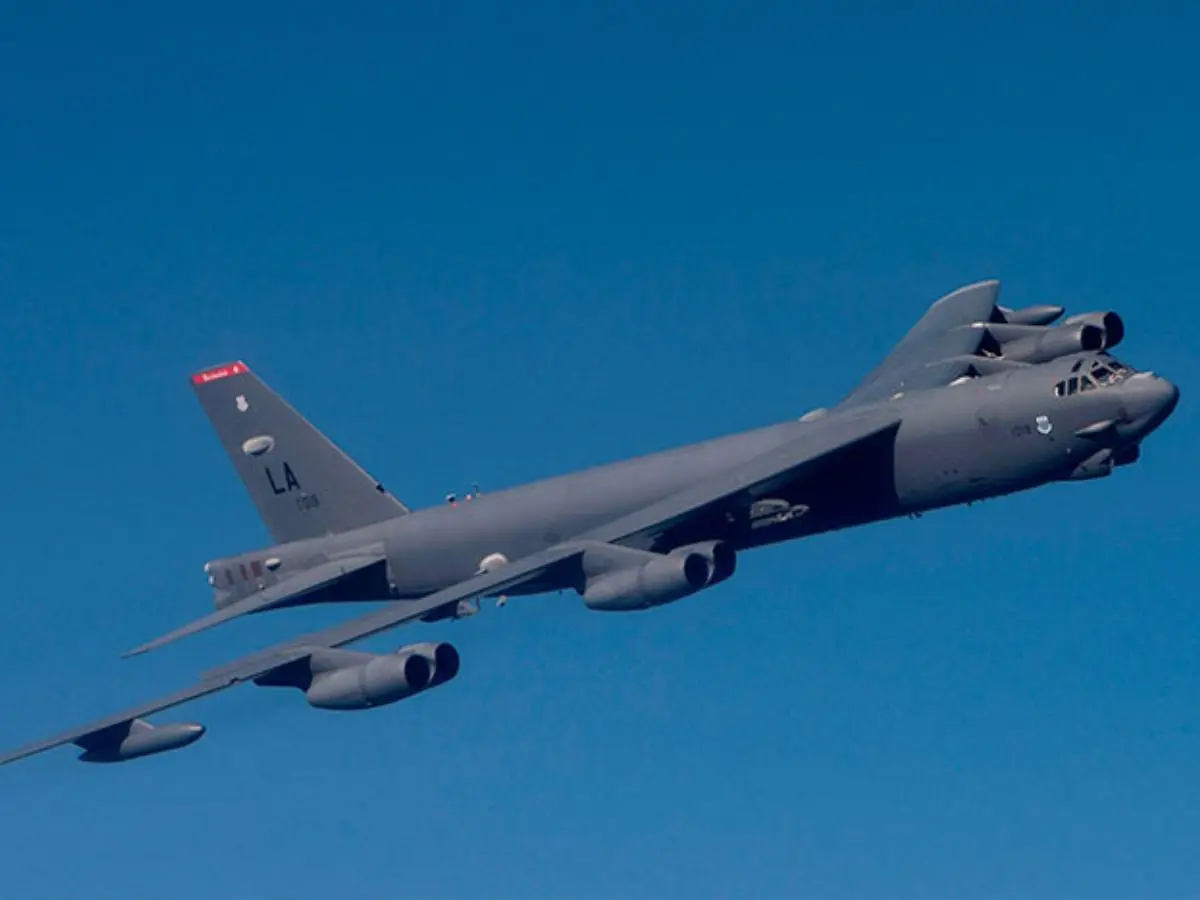
The US Air Force is currently upgrading the entire fleet with advanced APQ-188 Active Electronically Scanned Array radars. This modern technology provides flight crews with a purpose-built weather mode that previous generations completely lacked.
Colour-Coded Storm Tracking
The new digital radar replaces vague, green-scale returns with precise, colour-coded imagery of active weather patterns. This clarity allows pilots to instantly identify hazardous precipitation intensity and navigate safely around the worst storms.
Expanding the Battlespace
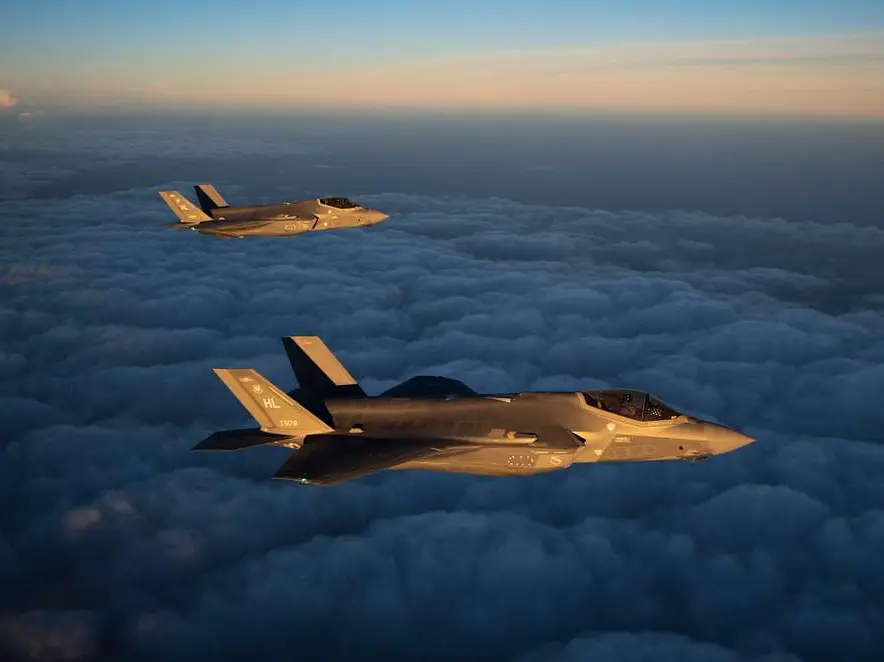
These physical structural advantages and modern sensor upgrades guarantee the bomber can strike targets regardless of the weather. Military commanders can confidently deploy the massive aircraft into contested environments when intense storms ground other jets.
)
)
)
)
)