Rahul Gandhi calls Modi's 9 appeals 'proof of failure’: Here’s complete list of what PM said

Amid a West Asia crisis, PM Modi urged citizens to adopt austerity measures, including working from home, use of EVs and avoiding gold or foreign travel to save foreign exchange. Rahul Gandhi criticised the appeal, calling it proof of government failure.
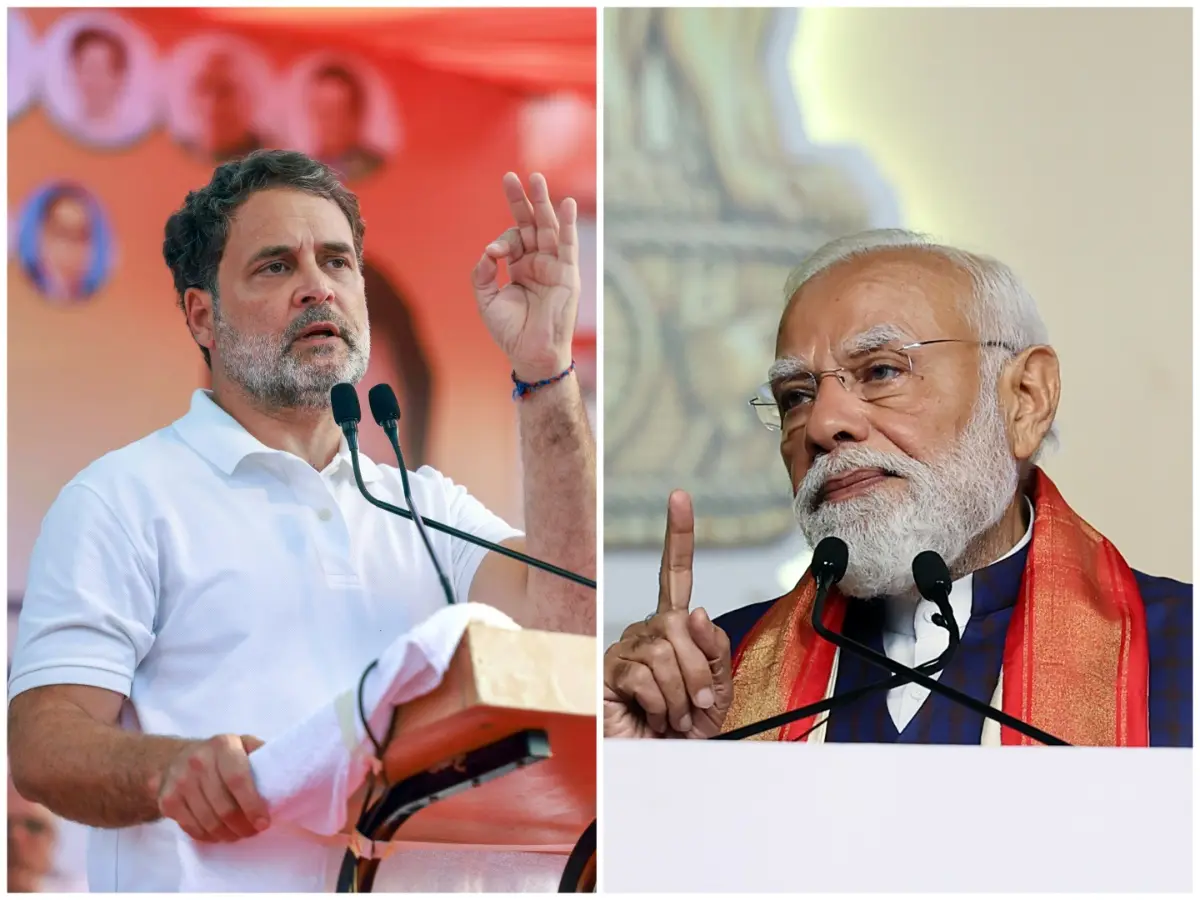
Rahul Gandhi on PM Modi
Leader of Opposition in the Lok Sabha, Rahul Gandhi, criticised Prime Minister Narendra Modi on Monday after the latter urged citizens to work from home, avoid foreign travel, and limit gold purchase as part of a list of austerity measures amid the ongoing Gulf crisis. Responding to Modi's “Nation First, Duty Above Comfort” address, the senior Congress leader described the Prime Minister as “compromised” amid mounting economic pressure, arguing that people were being forced “to sacrifice due to government failures.” “Yesterday, Modi ji asked the public to make sacrifices -- don’t buy gold, don’t travel abroad, use less petrol, cut down on fertiliser and edible oil, use the metro, and work from home. These are not advisories -- they are proof of failure," he said on X.
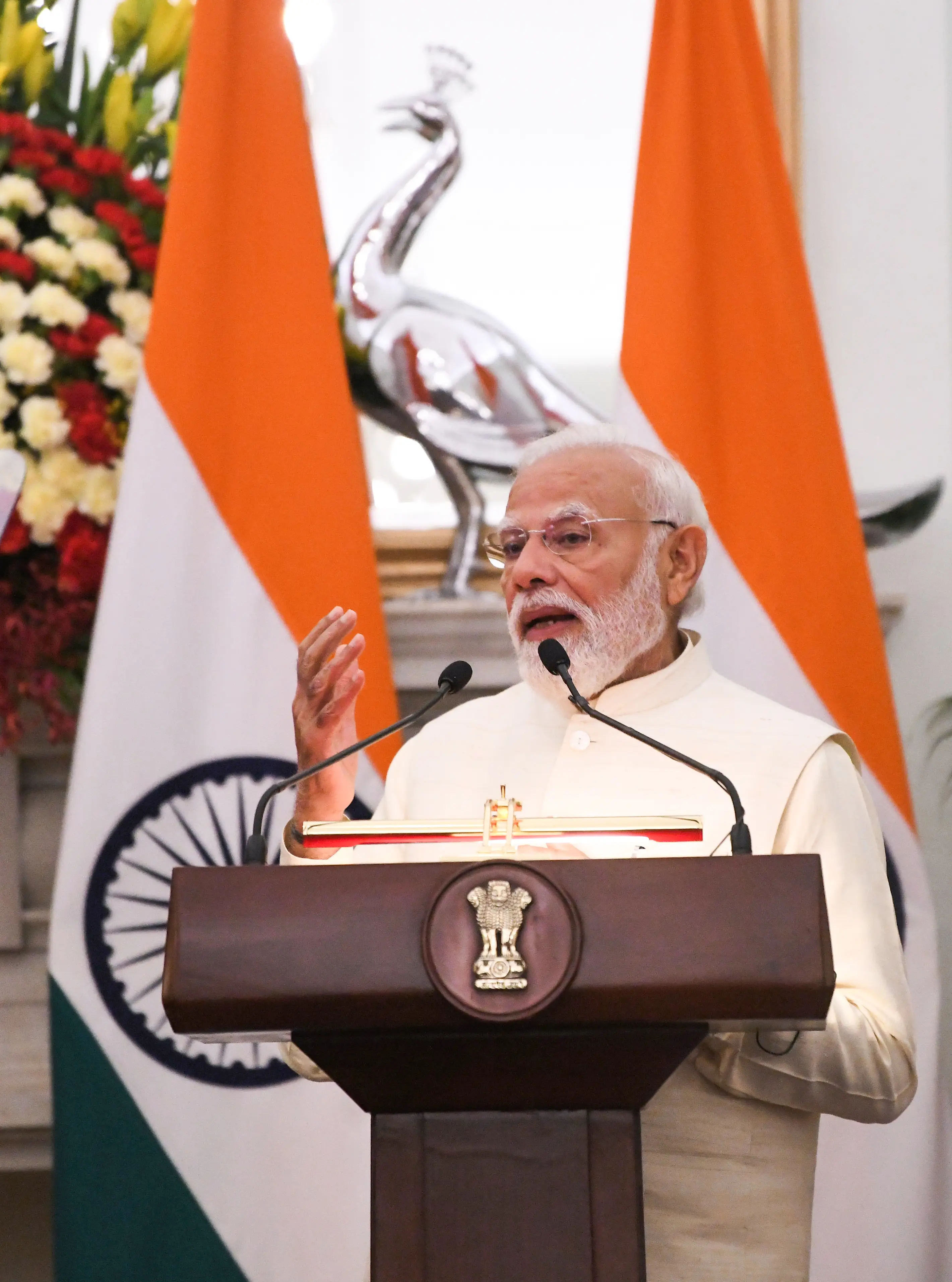
PM Modi's all suggestions
Prime Minister Narendra Modi on Sunday directed people to help the nation conserve petrol, diesel and foreign exchange reserves by using public transport, suggesting avoiding unnecessary foreign travel and avoiding the use of non-essential gold purchases. "Patriotism is not only about the willingness to sacrifice one's life on the border. In these times, it is about living responsibly and fulfilling our duties to the nation in our daily lives," PM Modi said in Hyderabad.
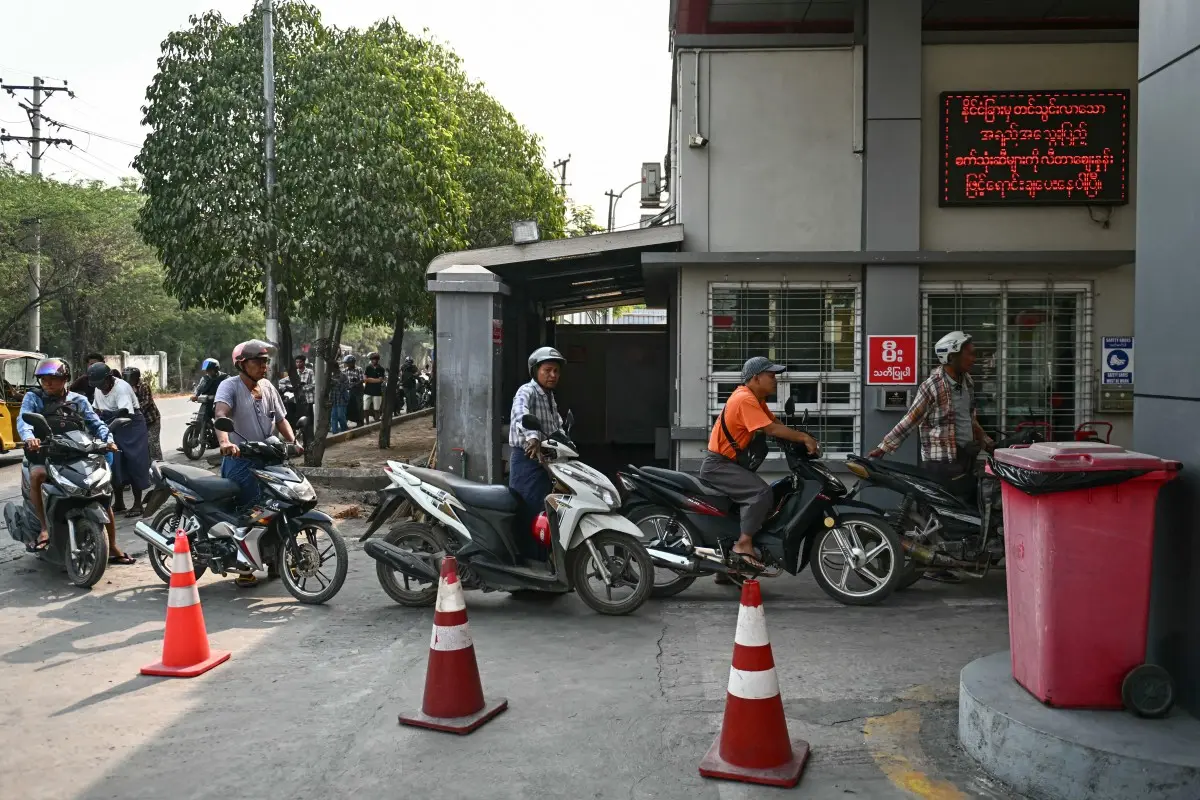
PM Modi on use petrol and diesel sparingly
PM Modi requested citizens to immediately restrain in fuel consumption, stressing the need to curb dependence on imported energy. "In this time of global crisis, we have to make a resolution keeping duty paramount and fulfil it with complete dedication. A big resolution is to use petrol and diesel sparingly. We must curb our use of petrol and diesel," he said.
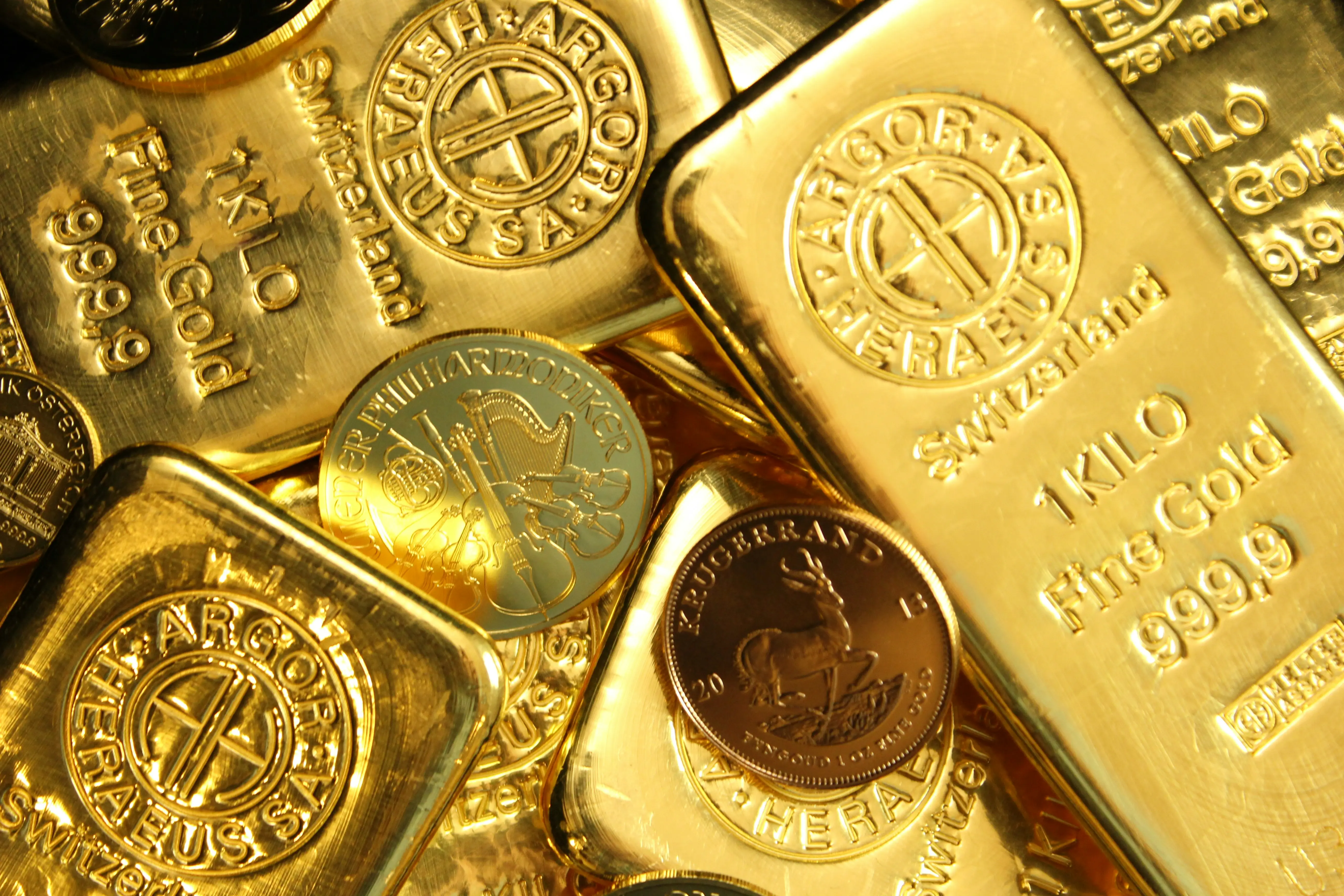
PM Modi's appeals to avoid Gold
Modi urged citizens to refrain from purchasing gold for at least a year, stating that gold imports place added strain on India’s foreign exchange reserves during periods of global uncertainty and economic stress. “Gold purchases are another area where foreign exchange is used extensively. In the national interest, we must resolve not to purchase gold for a year,” he said.
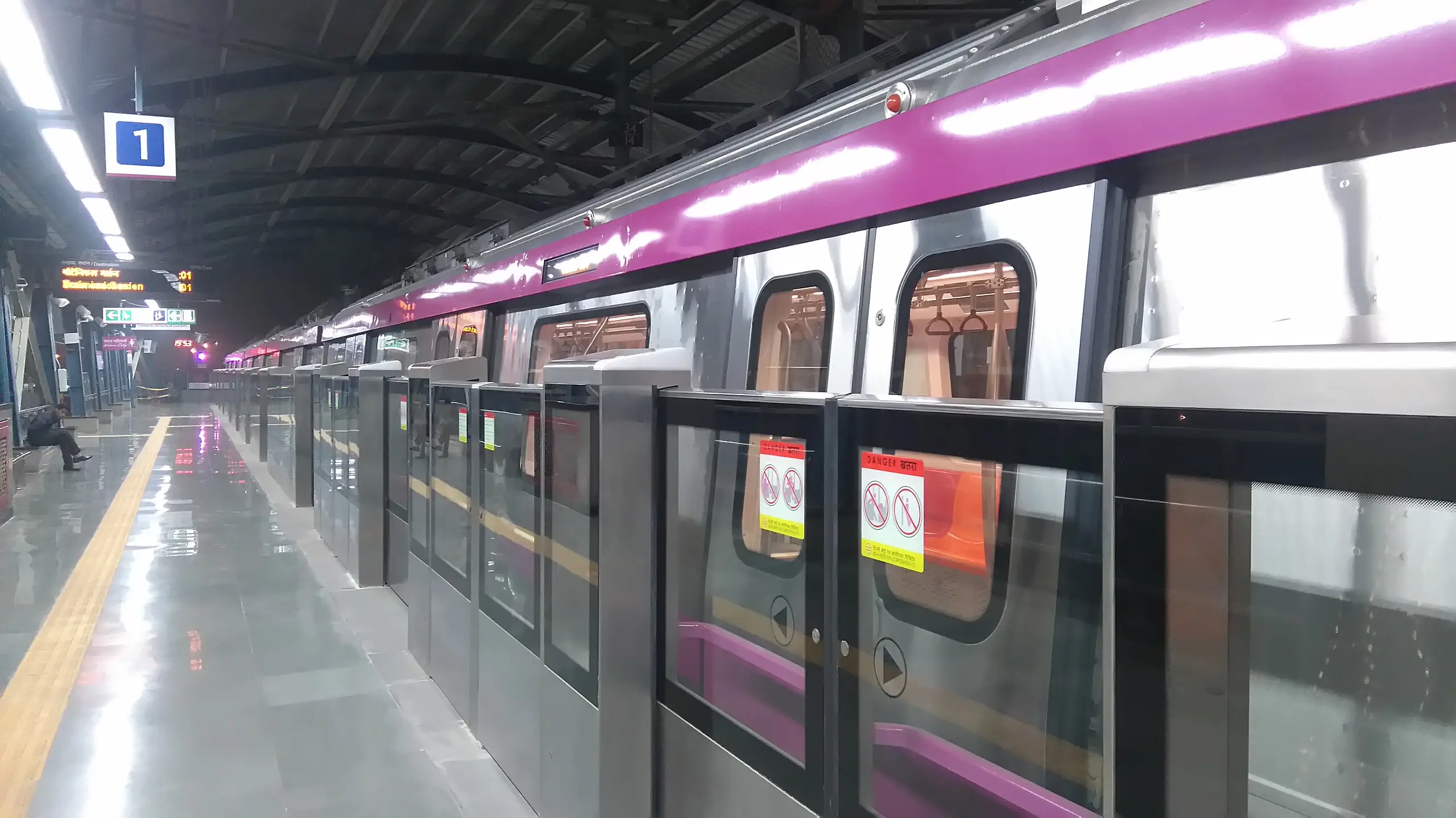
Use of Metro Transport
The Prime Minister encouraged people living in urban areas to make greater use of public transport systems, particularly metro networks, in an effort to cut down fuel consumption. He called for a shift towards more efficient and shared modes of mobility in cities with metro connectivity. "In cities with metro lines, we should decide to travel by metro only," he said.

Carpooling
Modi also promoted carpooling as an effective measure to conserve fuel when the use of private vehicles is unavoidable. He stressed that shared commuting could substantially ease pressure on fuel demand. " If we must use a car, then we should try to carpool," PM Modi urged.
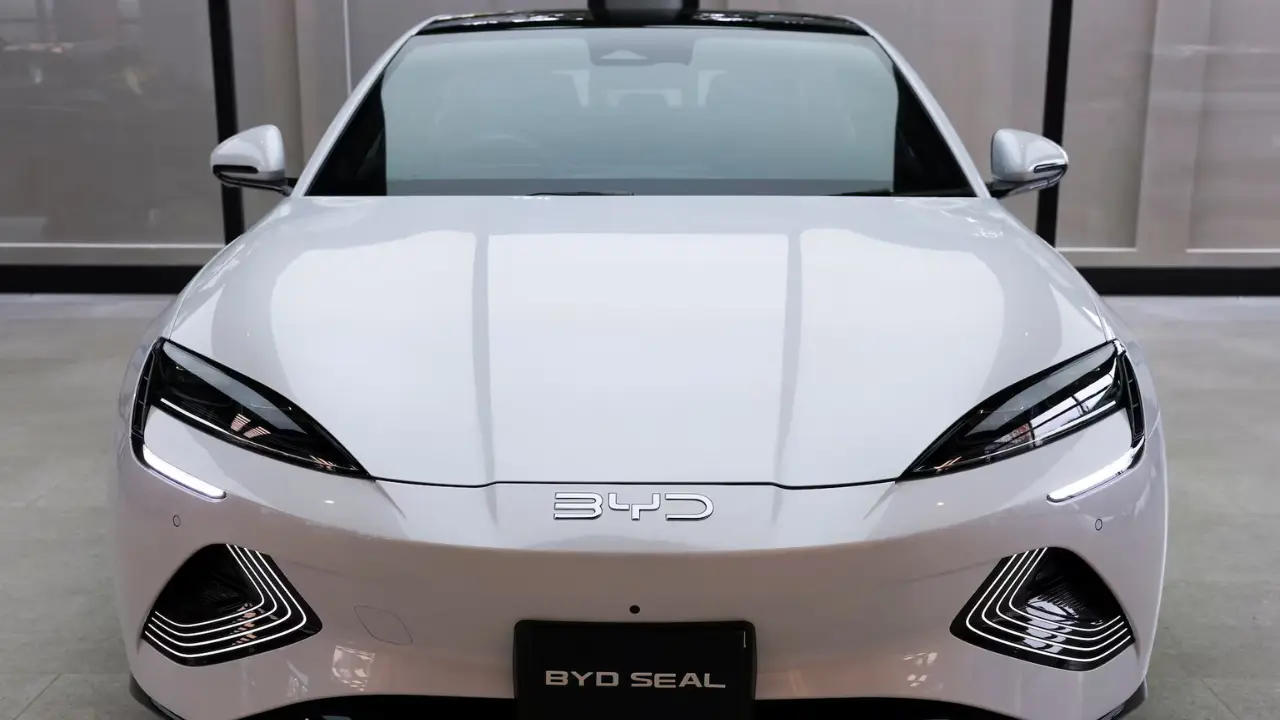
Use electric vehicles
PM Modi also urged people to maximise the use of electric vehicles if they have it. He stated that EV adoption should be encouraged as part of broader efforts to reduce fossil fuel dependence. "People with electric vehicles should try to use them as much as possible," PM Modi requested.

PM Modi's work from home appeal
Highlighting Covid-era practices, PM Modi urged institutions and citizens to revive work-from-home arrangements where possible, adding that remote work systems help reduce travel, fuel consumption and overall economic pressure."During the Corona period, we developed many systems of work from home, online meetings, and video conferences, and we even became accustomed to them. Today, the demands of the times are such that if we restart these systems, it will be in the national interest. We must prioritise work from home, online conferences, and virtual meetings again," he said.

Online meetings
PM Modi also encouraged the increased use of virtual meetings and digital collaboration platforms to minimise unnecessary travel. He noted that systems extensively adopted during the COVID-19 pandemic continue to be useful amid the present global crisis. Emphasising the value of video conferencing for official and professional interactions, he said digital tools can sustain productivity while reducing transportation needs and fuel consumption.
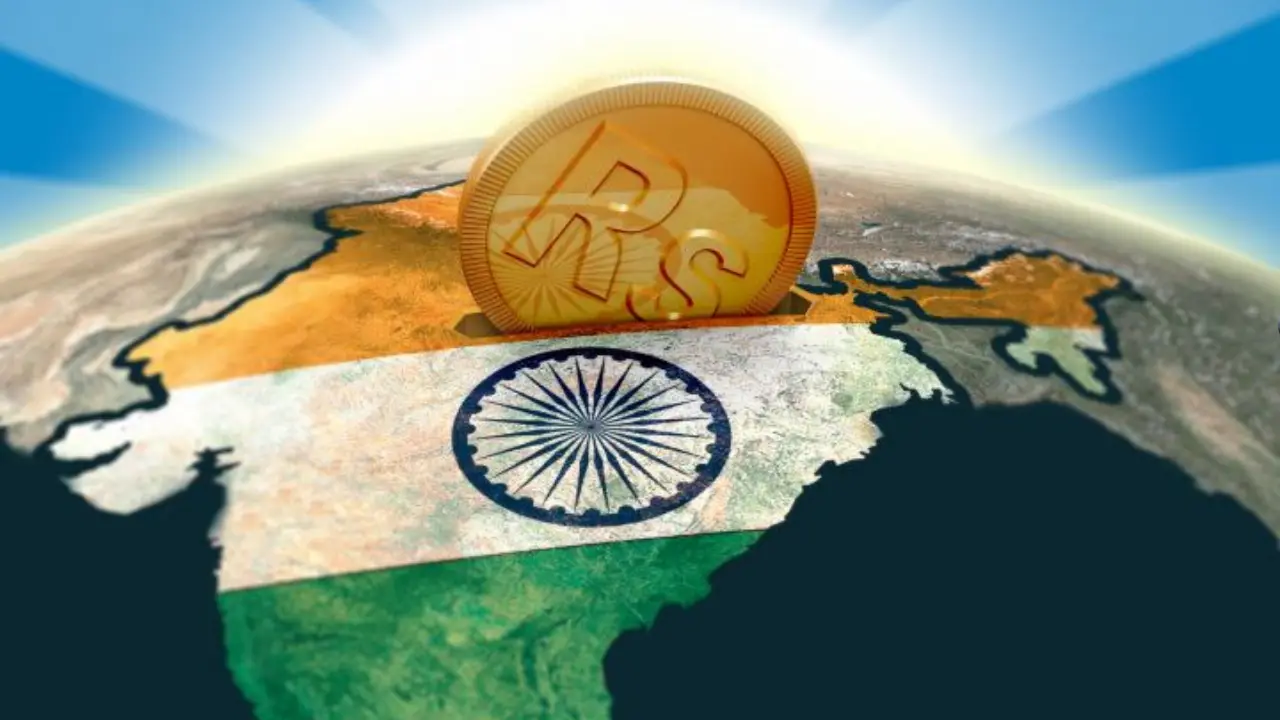
Conserving Foreign Exchange
Connecting everyday consumer habits with the country’s economic stability, the Prime Minister appealed to citizens to cut down on imports and help preserve foreign exchange reserves. "We must also place a strong emphasis on saving foreign exchange, as petrol and diesel have become so expensive globally... It is our responsibility to save the foreign currency spent on purchasing petrol and diesel," he said.
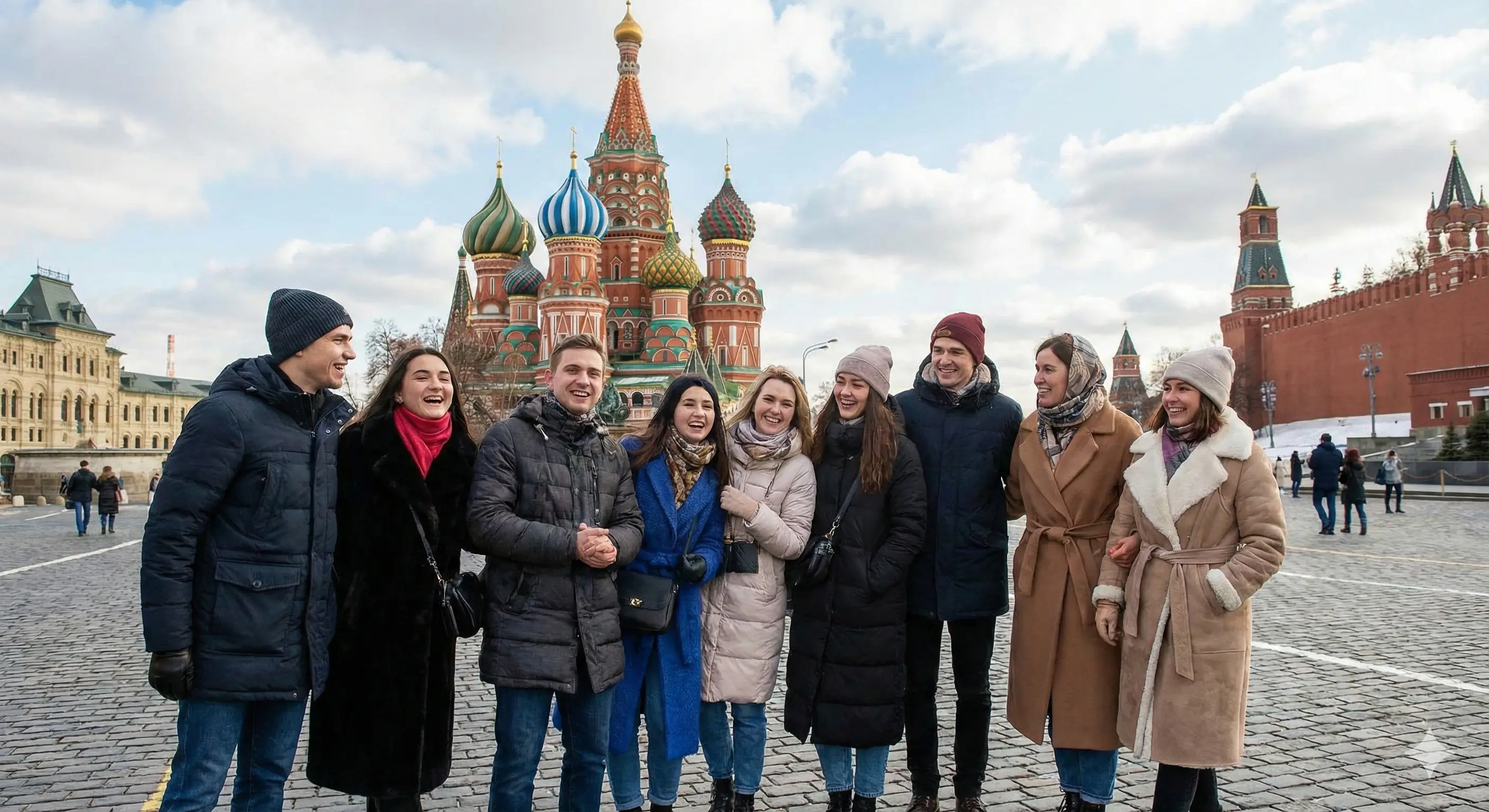
Postpone travelling abroad
PM Modi advised citizens, especially the middle class, to postpone non-essential overseas travel, including vacations and destination weddings. He noted that such foreign travel increases pressure on the country’s foreign exchange reserves at a time of global economic uncertainty. "The growing culture of weddings abroad, travelling abroad, and vacationing abroad is becoming prevalent among the middle class. We must decide that during this time of crisis, we should postpone travelling abroad for at least a year," he said.
)
)
)
)
)