Raghav Chadha’s switch to BJP tests anti-defection laws of India

Rajya Sabha Chairman has given his decision regarding Raghav Chada’s “merger” with the BJP. The move brings attention to the legal framework of defection laws in India.
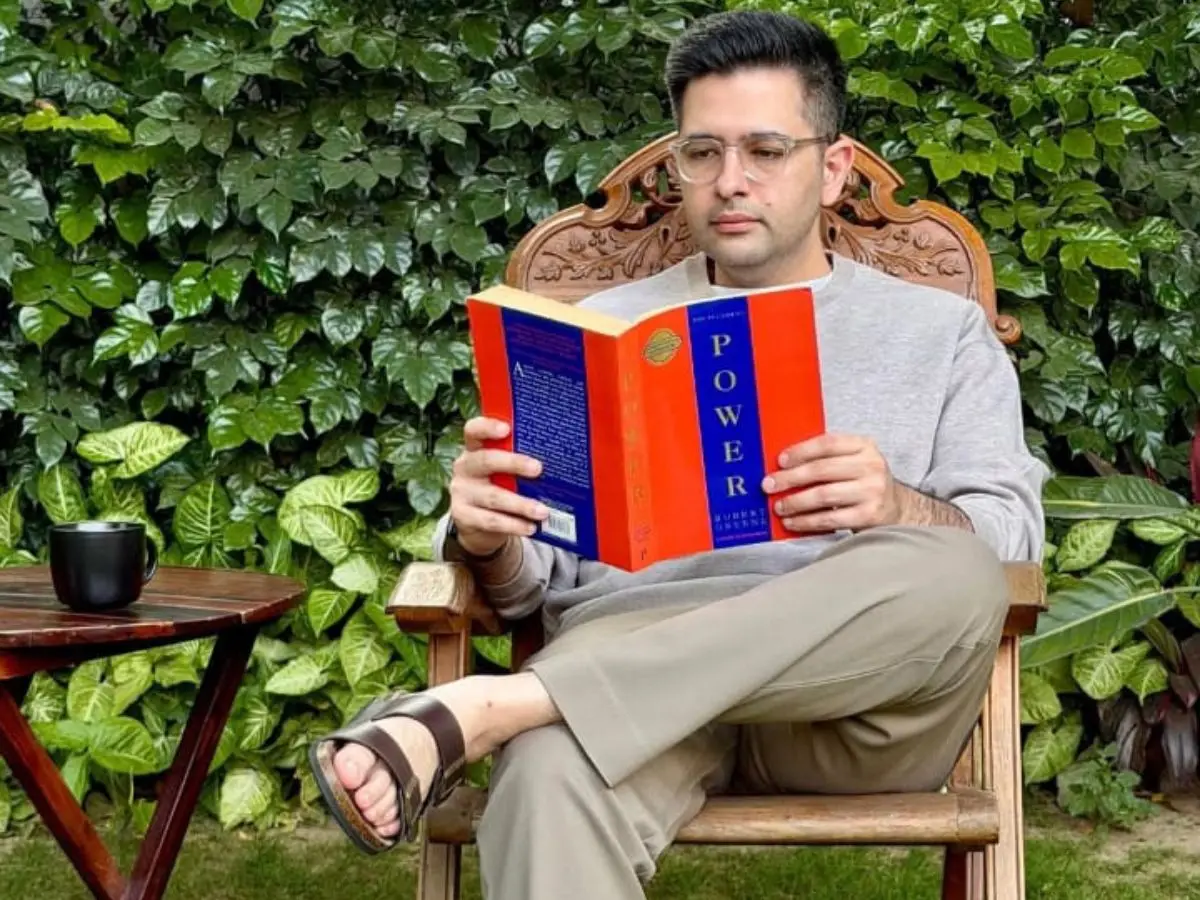
Rajya Sabha merger approved
Rajya Sabha Chairman CP Radhakrishnan has officially accepted the merger of seven Aam Aadmi Party (AAP) MPs with the Bharatiya Janata Party (BJP). Raghav Chadha’s move to join the ruling party brings renewed attention to the constitutional framework governing defections.

Crucial ‘two-thirds’ figure
Raghav Chadha, along with six other Rajya Sabha members who were elected to the upper house on an AAP ticket, has joined the ruling party. This means that two-thirds of the party members in the house have opted to merge themselves with the BJP. This specific number is very crucial for the defecting MPs as it allows them to “merge” with the BJP without losing their seats.

’Merger’ exception
Under the anti-defection law, a party merger is exempt from disqualification if at least two-thirds of its legislative party members agree to merge with another party. To claim protection under this clause, a specific “twin test” has to be specified. First, the organisational merger, i.e. the original party must merge with another political party, and second, at least two-thirds of the members of its legislative party must adopt the merger.

The road often taken
Chadha and his companions are part of a broader trend of politicians seeking protection from disqualification under the merger clause. Such defections have taken place both in Parliament as well as the State Assemblies.

State Assembly instances
In March 2016, 12 out of 15 members of the Telugu Desam Party joined the Telangana Rashtra Sena (TRS) in the Telangana Assembly, a move accepted by the Assembly Speaker. Six MLAs of the Bahujan Samaj Party (BSP), representing 100 per cent of the BSP’s legislative group in the Rajasthan Assembly, joined the Indian National Congress (INC) in September 2019. In June 2019, 12 out of 18 Congress MLAs moved to the TRS, a merger validated by the Speaker.

Judicial Precedent
Ten out of fifteen Congress MLAs in the Goa Assembly joined the BJP in 2019. The Speaker upheld the merger and in a legal petition, the Bombay High Court affirmed the decision, ruling that a “deemed merger” occurs once two-thirds of a legislative party decide to join another.

The 91st Amendment
These developments can be seen in the context of preventive reforms in the past. Earlier, a “split provision” in India’s anti-defection law allowed a split in a political party if one-third of its legislators broke away, allowing a group of party members to form a new group without losing their seats. The 91st Constitutional Amendment Act, 2003, aimed at strengthening anti-defection laws, removed this exception because of frequent misuse.
)
)
)
)
)