Rafale, Su-30, MiG-29, Apache & more: How India will display air power at its first Republic Day parade after Operation Sindoor

Formations will include Rafale, Su-30, and MiG-29 fighter jets, alongside Apache and Light Combat Helicopters (LCH). Transport and maritime aircrafts like the C-130, C-295, and P-8I will also be on display.
A parade shaped by conflict and change
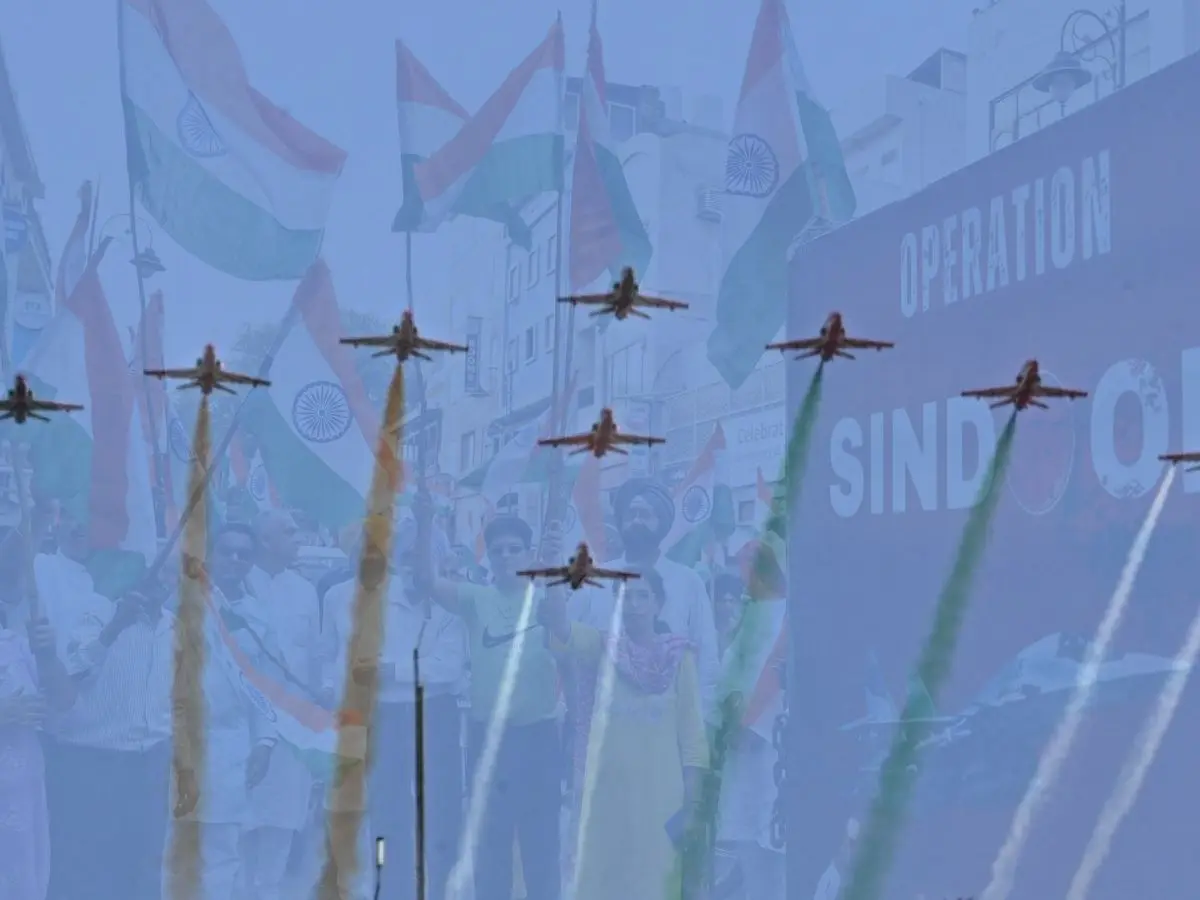
India’s Republic Day parade on January 26 will mark a decisive break from tradition. It is the first since Operation Sindoor and the first to adopt a phased battle array format that mirrors real combat sequencing rather than ceremonial display. Held on Kartavya Path, the parade will reflect how India now chooses to communicate military readiness: layered, integrated and operationally credible. This year's parade will also honour the 150th anniversary of the national song ‘Vande Mataram'.
Operation Sindoor
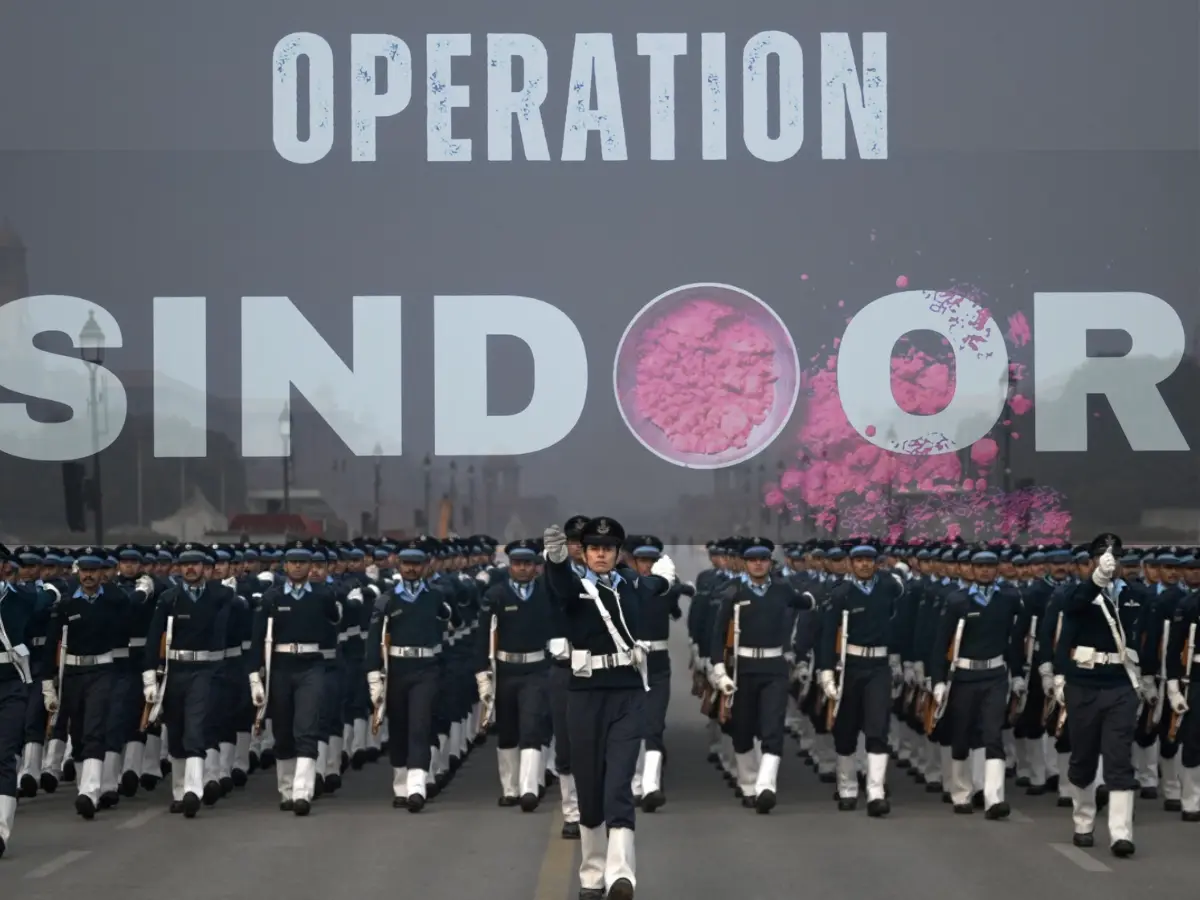
Operation Sindoor was a high-precision, tri-services military campaign launched against Pakistan in May 2025 in response to a major terror attack in Pahalgam. A defining feature of this year’s Republic Day parade will be the Indian Army’s phased Battle Array, which will be presented along with live commentary to explain the operational roles of participating units in real time. The display will consist of a flypast that will feature a diverse fleet of frontline aircraft. Formations will include Rafale, Su-30, and MiG-29 fighter jets, alongside Apache and Light Combat Helicopters (LCH). Transport and maritime aircrafts like the C-130, C-295, and P-8I will also be on display.
Rafale
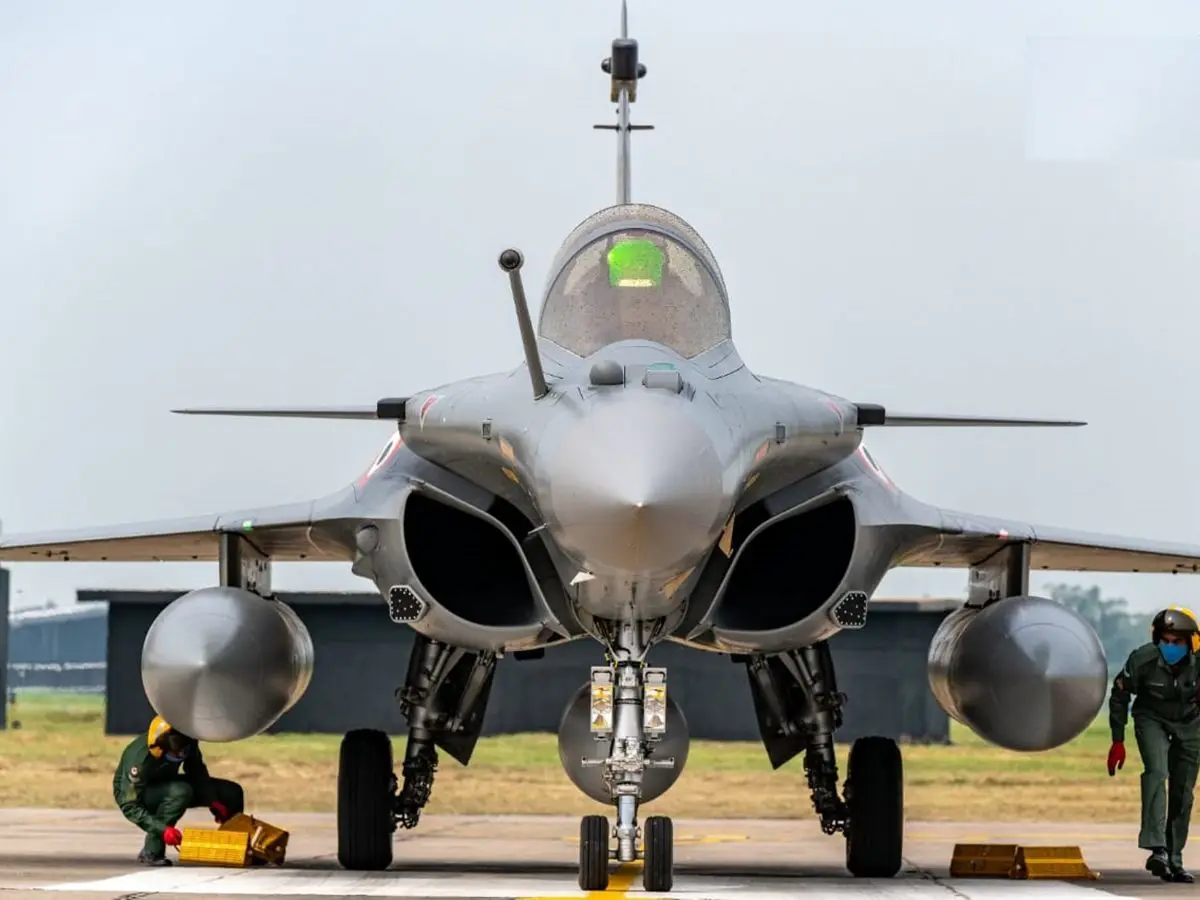
The Rafale fighter will feature in the flypast as the Indian Air Force’s most capable multirole platform. It is a is a twin-jet fighter aircraft able to operate from both an aircraft carrier and a shore base. Rafale can carry out air-to-ground strikes as well as air-to-air attacks and interceptions during the same sortie. Equipped with AESA radar, Meteor beyond-visual-range missiles and advanced electronic warfare systems, the aircraft played a central role during Operation Sindoor in precision strike and deterrence tasks. SCALP missiles were fired from Rafale on Pakistani targets. Its prominence comes as the Defence Ministry prepares to discuss Rs 3.25 lakh crore deal for 114 additional Rafale jets, highlighting its long-term place in India’s force structure.
Su-30MKI
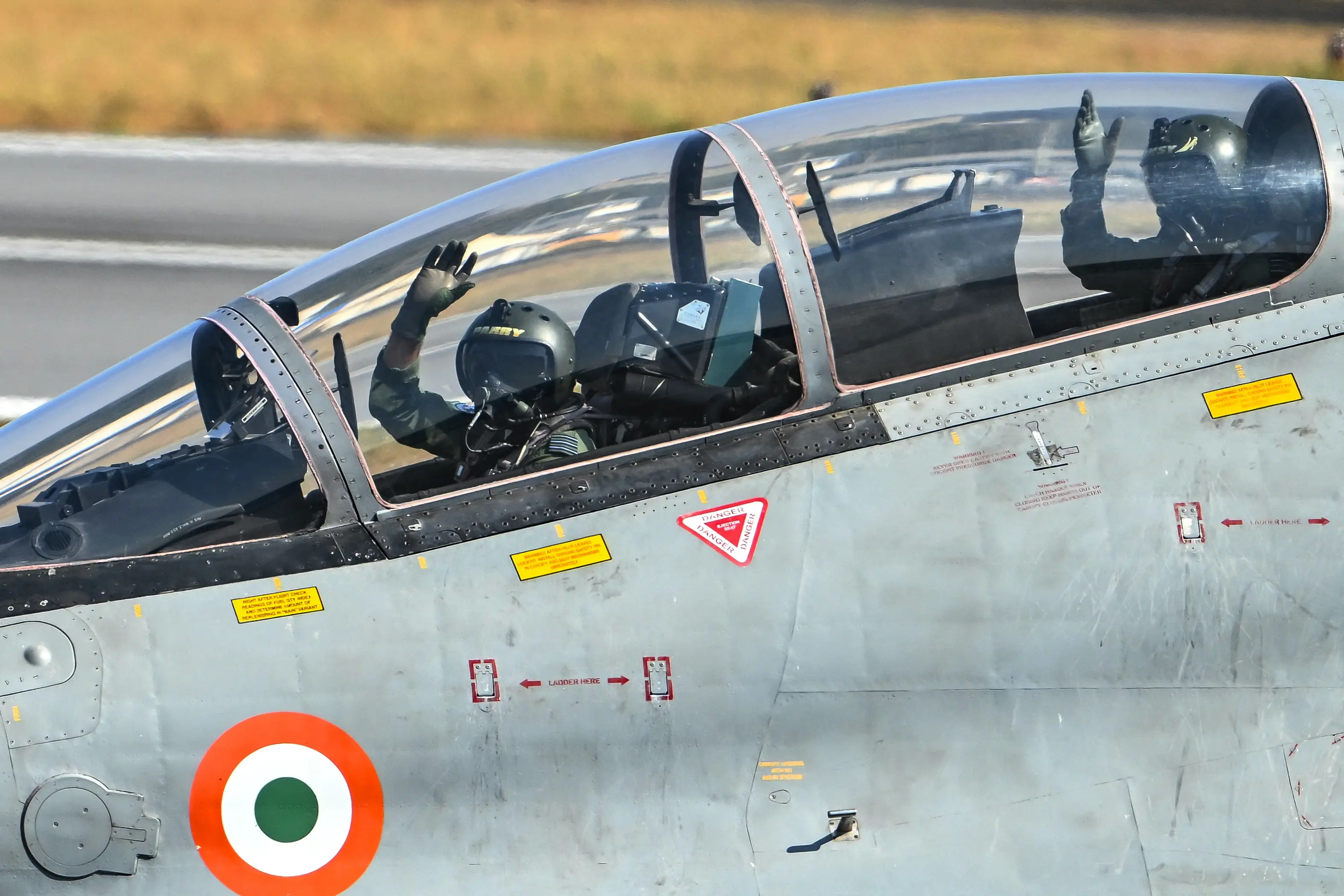
The Su-30MKI remains the backbone of India’s fighter fleet. With long endurance, thrust-vectoring engines and a heavy weapons payload, it provides air superiority and deep-strike capability. During Operation Sindoor, India launched its BrahMos missiles from Sukhoi-30s. Upgraded avionics and indigenous weapons integration have kept the platform relevant, allowing it to operate as both a fighter and a force multiplier during high-intensity operations.
MiG-29
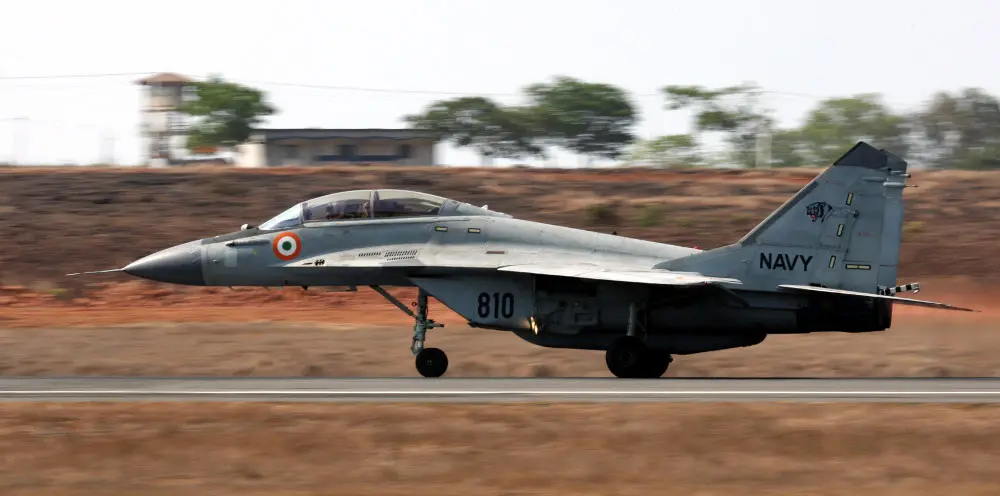
The all weather, carrier based, air dominance fighter, MiG-29 continues to serve as a fast-response interceptor, particularly suited to air defence roles. Modernised variants feature improved radar, avionics and weapon systems, enabling quick reaction alert duties and maritime strike tasks, especially along India’s western seaboard. According to the Indian Navy's official website, "The aircraft has a maximum speed over twice the speed of sound (about 2000 kmph), can pull up to 8 times the force of gravity, can climb to an altitude of over 65000 feet." Operating as a composite networked force, the Indian Navy, during Operation Sindoor, deployed its Carrier Battle Group (CBG) equipped with MiG-29K fighter jets and airborne early warning helicopters.
Apache and Mi-17 helicopters
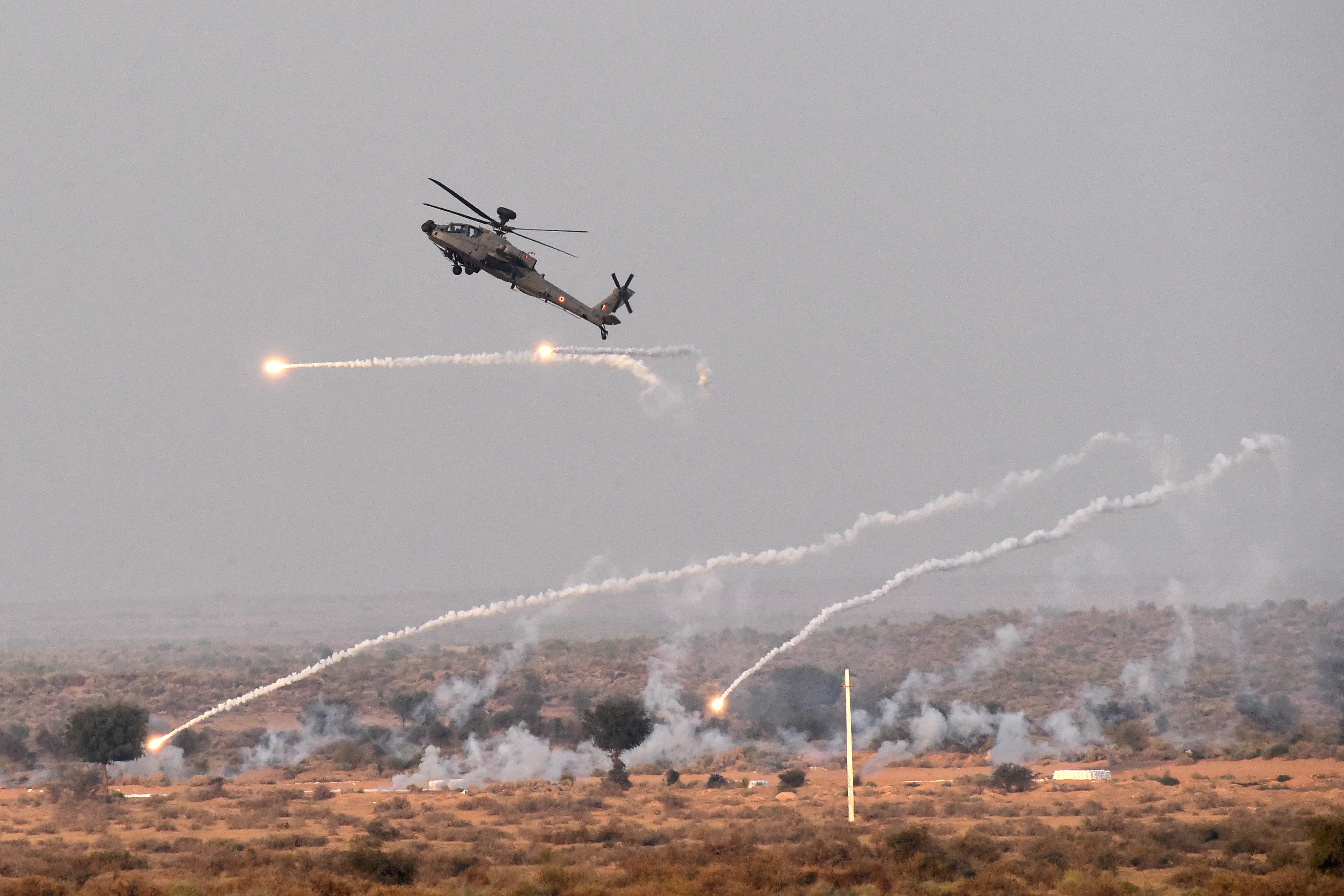
The AH-64E Apache attack helicopter represents India’s dedicated close air support capability. Heavily armed, the Apache's arsenal includes a 30 mm M230 chain gun for close support, 70 mm Hydra rockets for area saturation, and AGM-114 Hellfire missiles that can destroy armoured vehicles and tanks from over six kilometres away. They operating in coordination with ground forces to neutralise armour and fortified positions. Mi-17 helicopters serves as the backbone of the Indian Air Force's (IAF) medium-lift fleet, used for troop transport, logistics, high-altitude missions (like in the Himalayas), disaster relief, and combat support
LCH
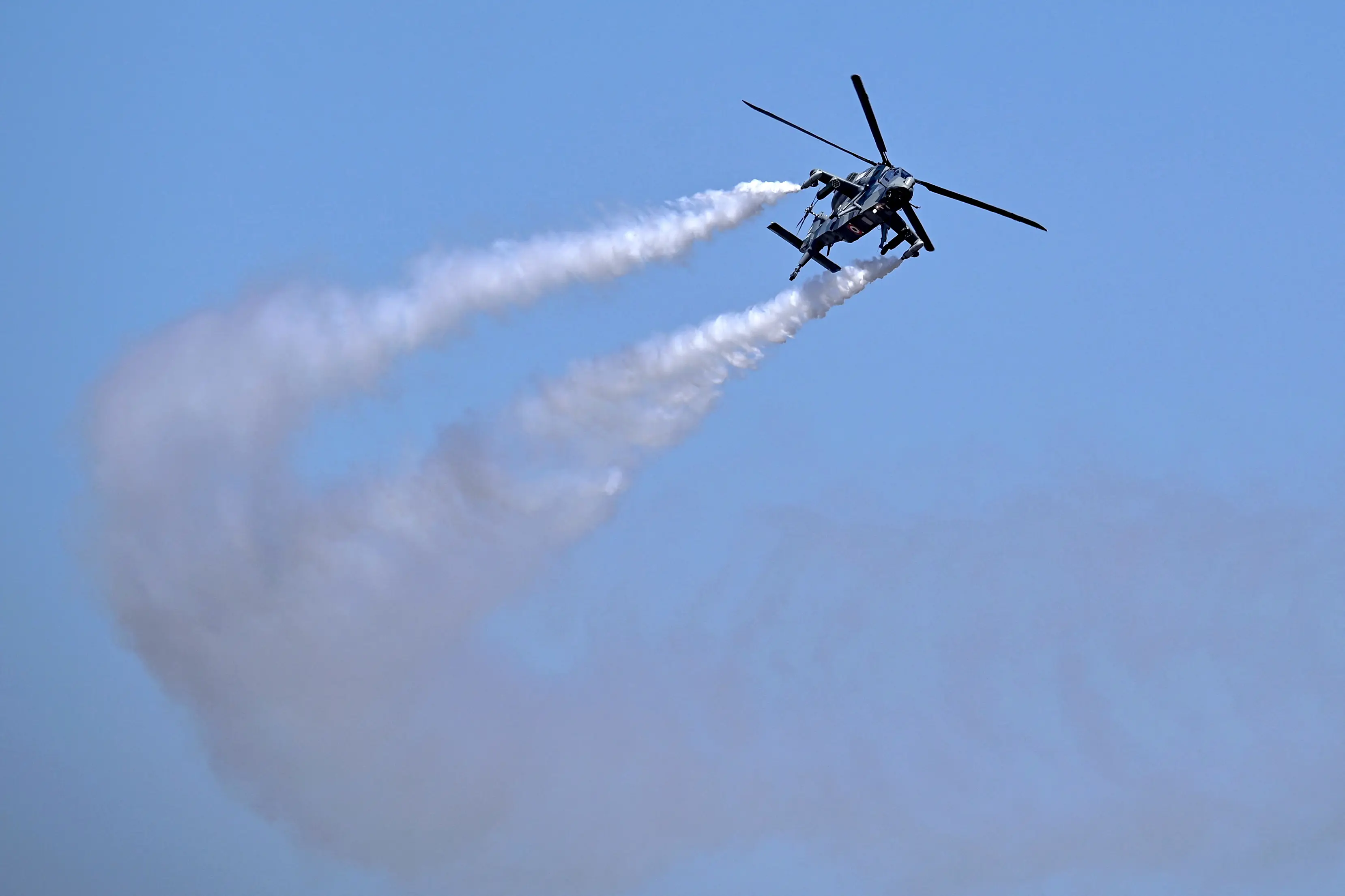
According to the press release, Indian Army's ALH WSI and Light Combat Helicopter (LCH) will also participate in the flypast. The Light Combat Helicopter Prachanda hghlights India’s focus on indigenous platforms. The LCH is the first indigenous Multi-Role Combat Helicopter designed and manufactured by HAL. It has potent ground attack and aerial combat capability.
C-130 and C-295
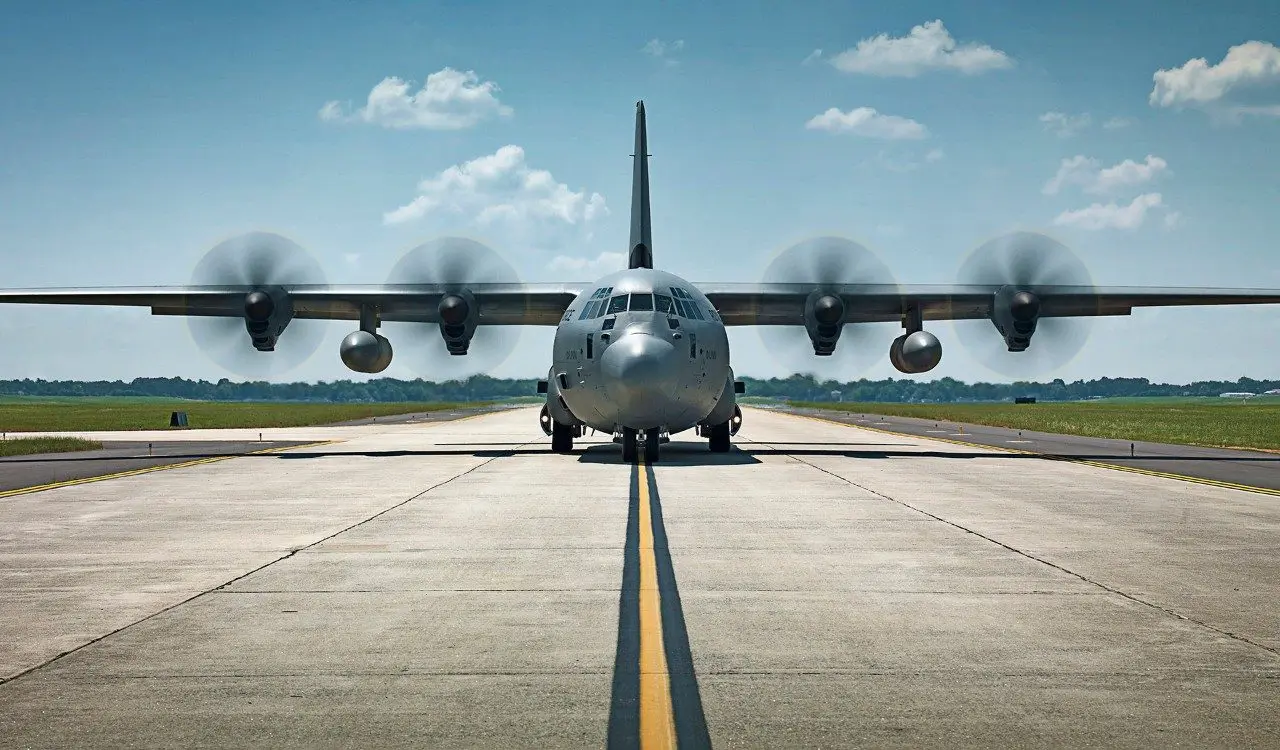
The flypast concludes with the C-130J and C-295 transport aircraft, symbols of India’s expanding airlift capacity. The C-130J Super Hercules is a tactical-by-design medium-sized airlifter that supports special operations and rapid deployment. 'From medevac and aerial refueling to firefighting and humanitarian relief, it delivers every mission, anywhere', according to Lockheed Martin. Airbus C-295 is a medium-range twin-engine turboprop tactical transport aircraft. It strengthens regional connectivity, reinforcing India’s ability to move forces swiftly across theatres.
)
)
)
)
)