Rafale-M vs Rafale-C: Key differences between India’s naval and air force jets

Authored By Subhadra Srivastava
Published: May 01, 2025, 08:47 IST | Updated: May 01, 2025, 08:47 IST
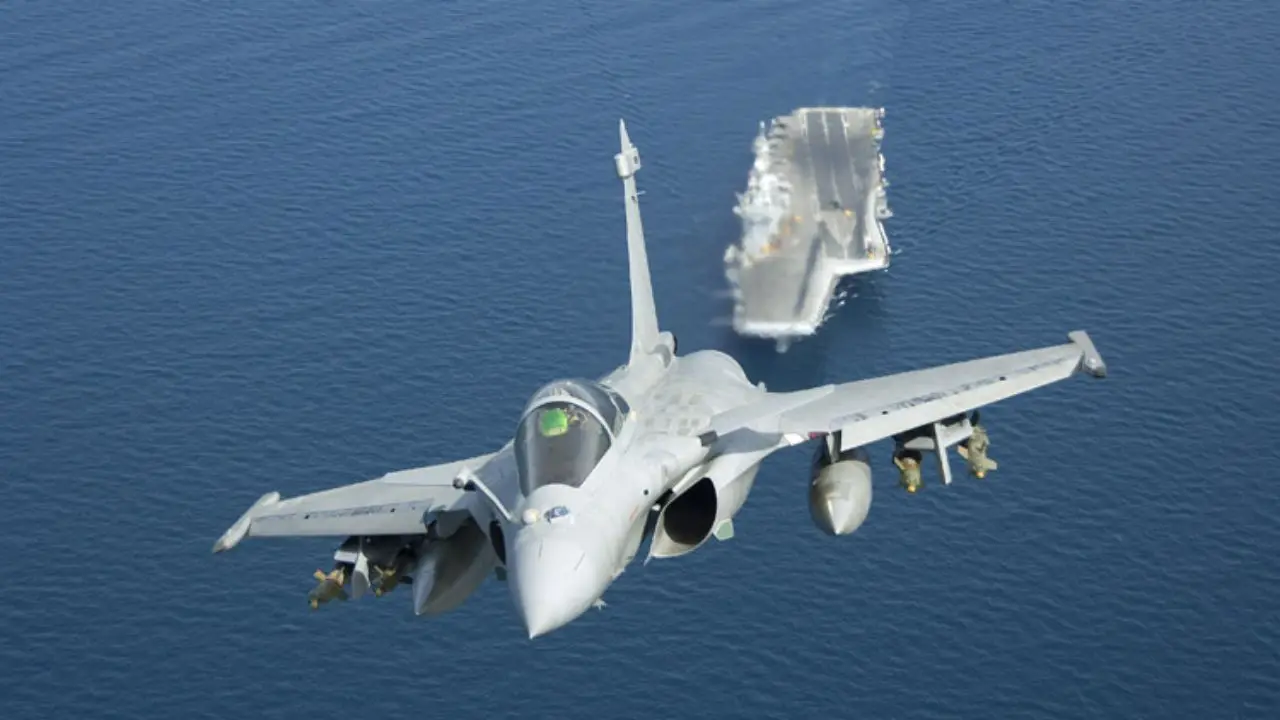
The Rafale-M and Rafale-B & C, while sharing several commonality, are configured differently to serve distinct operational requirements. The maritime Rafale features a longer, reinforced nose and a strengthened carriage and undercarriage operations.
1 / 16
India and France on Monday signed a Rs 63,000 crore government-to-government deal for 26 Rafale Marine (Rafale-M) fighter jets for the Indian Navy. This is to be the first export order of the naval variant of the French fighter jet and is separate from the 36 Rafale jets already inducted into the Indian Air Force between 2019 and 2022.
2 / 16
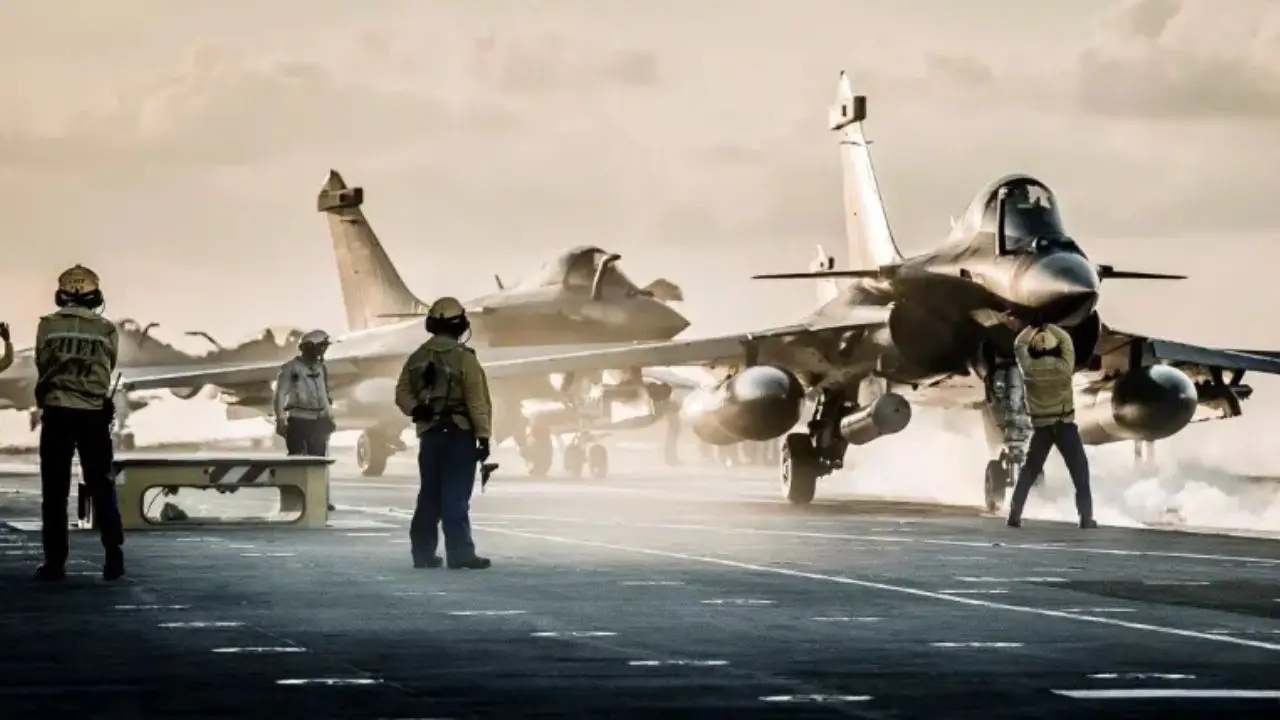
The Rafale-M and Rafale-C jets, while sharing several commonality, are configured differently to serve distinct operational requirements. The maritime Rafale (M varient) features a longer, reinforced nose and a strengthened carriage and undercarriage operations. India also has Rafale-B model, which is currently only used for training purposes.
3 / 16
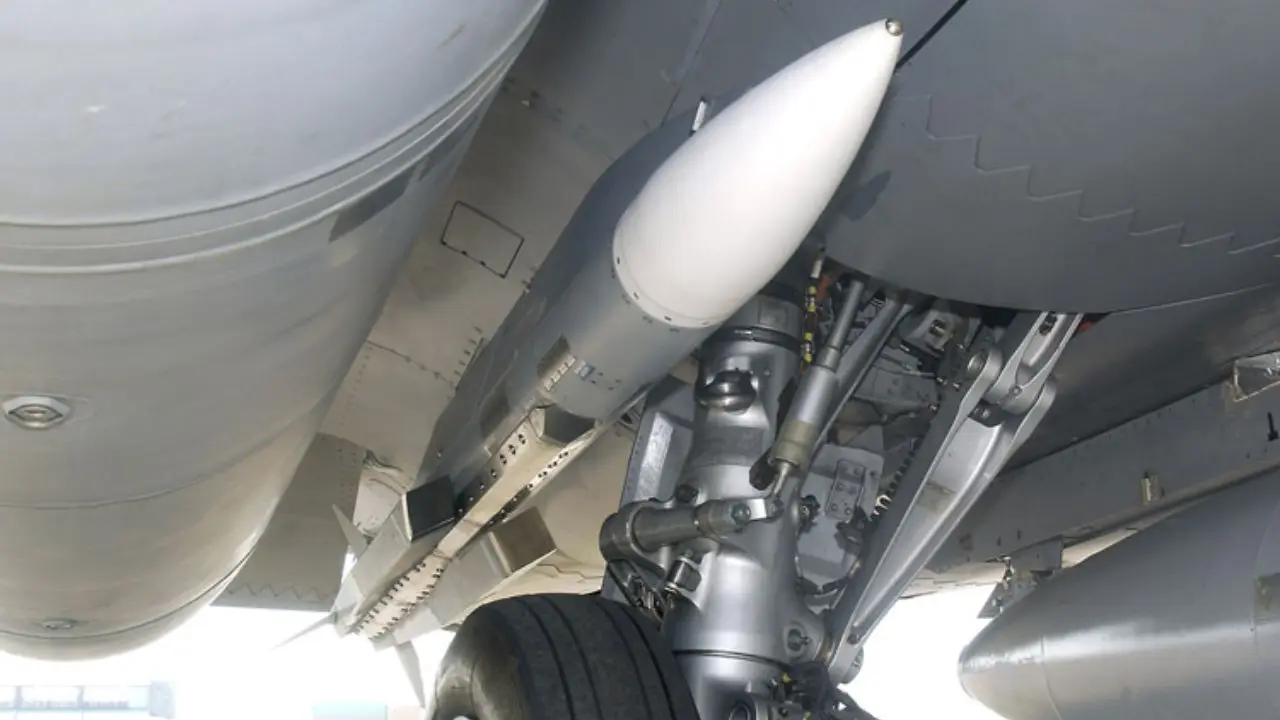
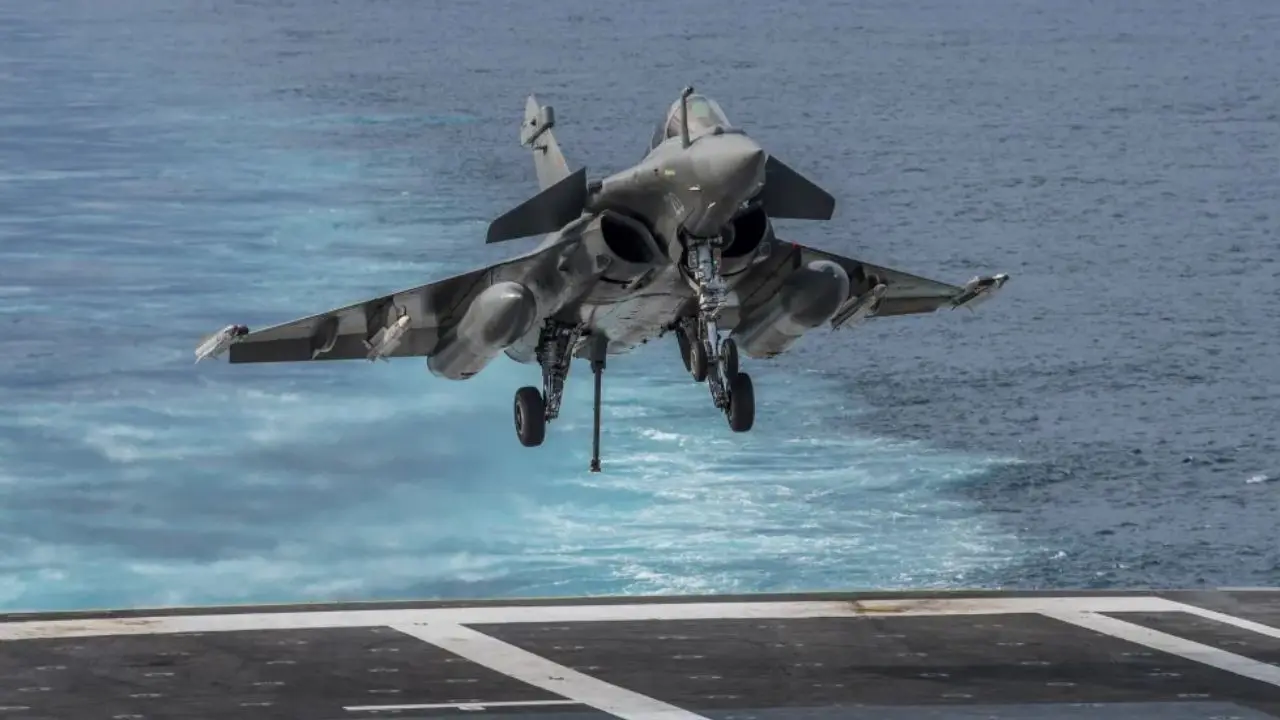
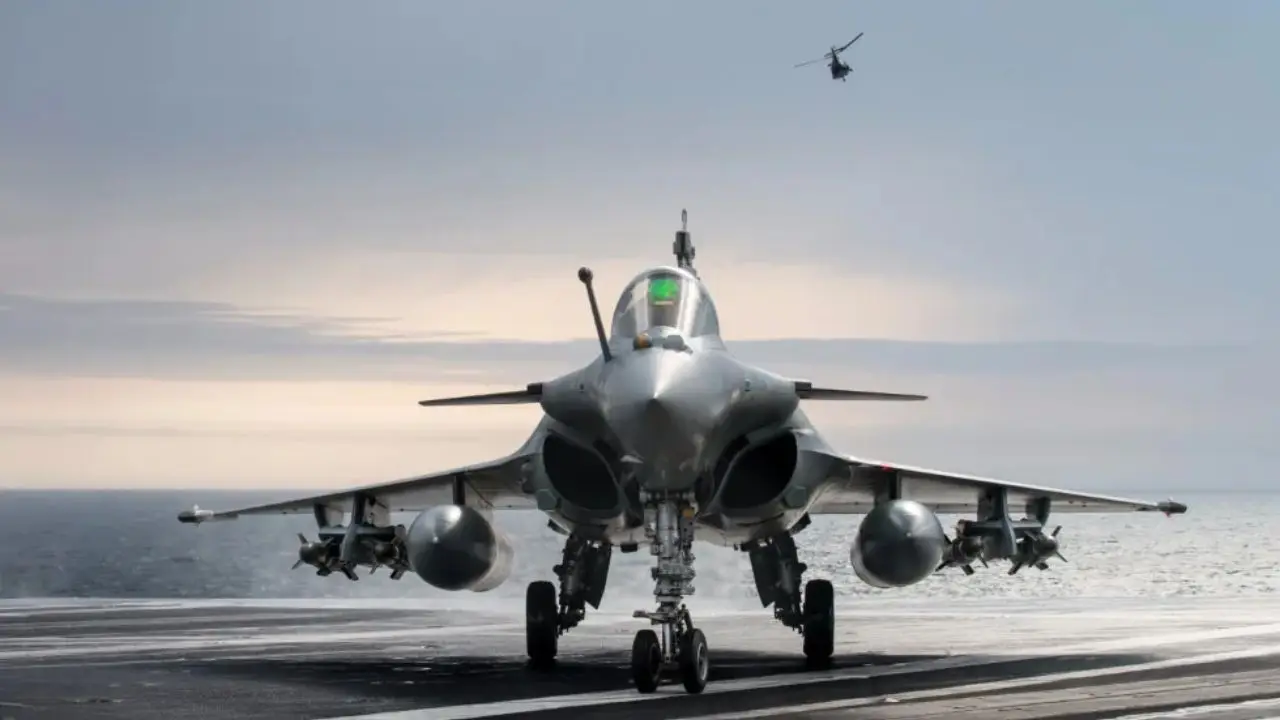
The Rafale-Marine is specifically designed for carrier-based operations. It will be deployed aboard India’s aircraft carriers INS Vikrant and INS Vikramaditya who currently operate MiG-29s. Key modifications of Rafale-M include reinforced landing gear and a tail hook to enable arrested landings on a moving carrier deck. It also features a 'jump strut' nose wheel for short takeoffs, including catapult launches. It's foldable wings are for efficient hangar storage, anti-corrosion coatings suited to saltwater environments, and a microwave landing system for deck-based precision landings.
4 / 16
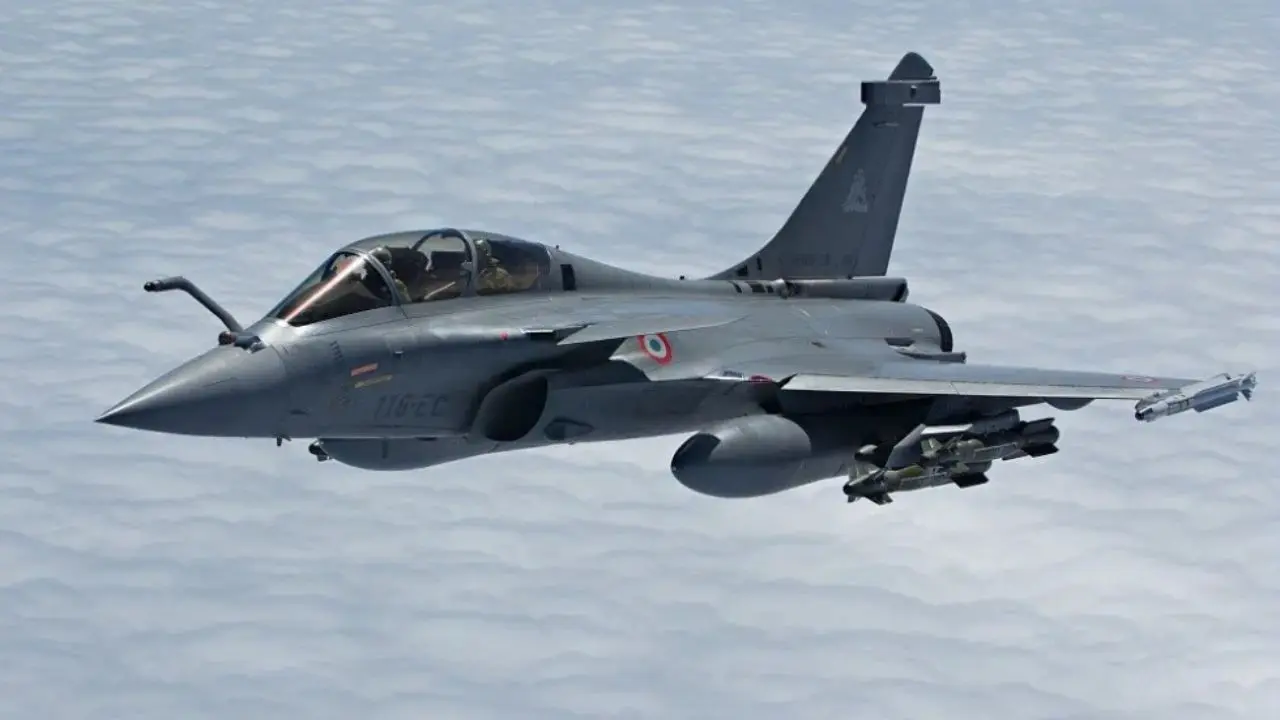
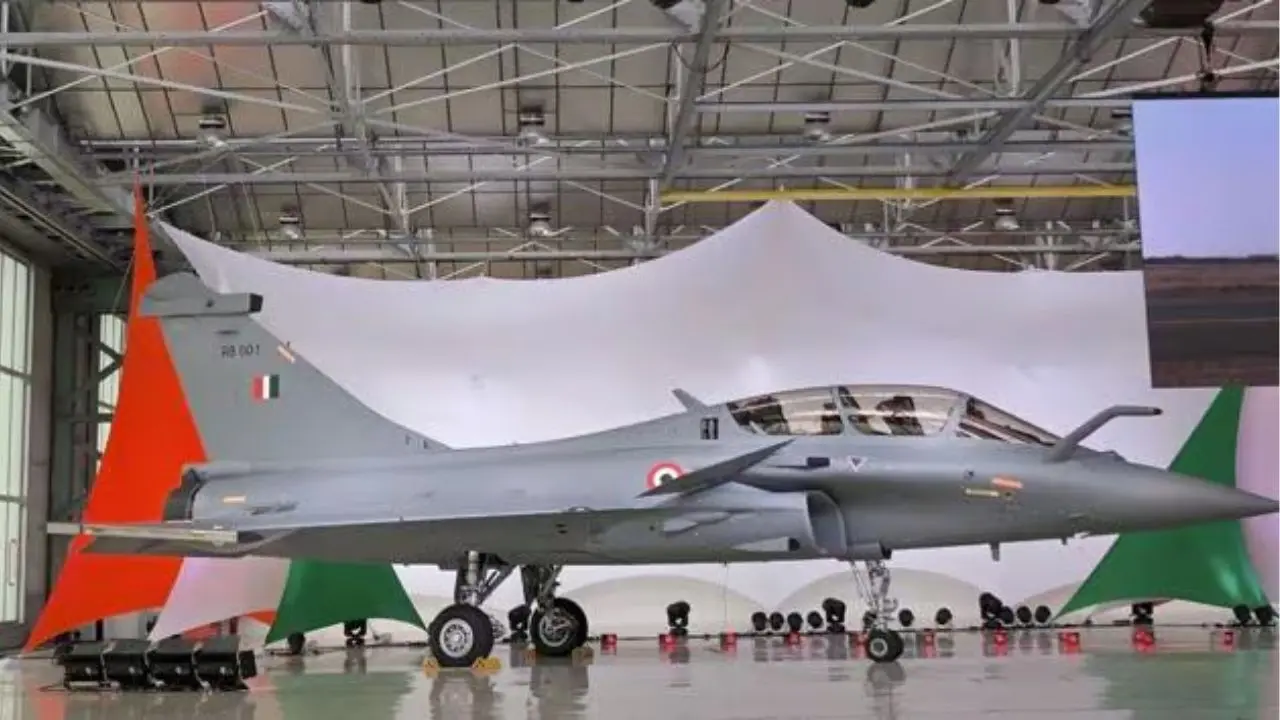
In contrast, the Rafale-C are land-based jets. They were inducted in two configurations: 30 twin-seater DH variants and six single-seater EH variants. These jets operate from standard airfields and do not possess these additional modifications such as tail hooks, folding wings, or maritime-grade materials.
5 / 16
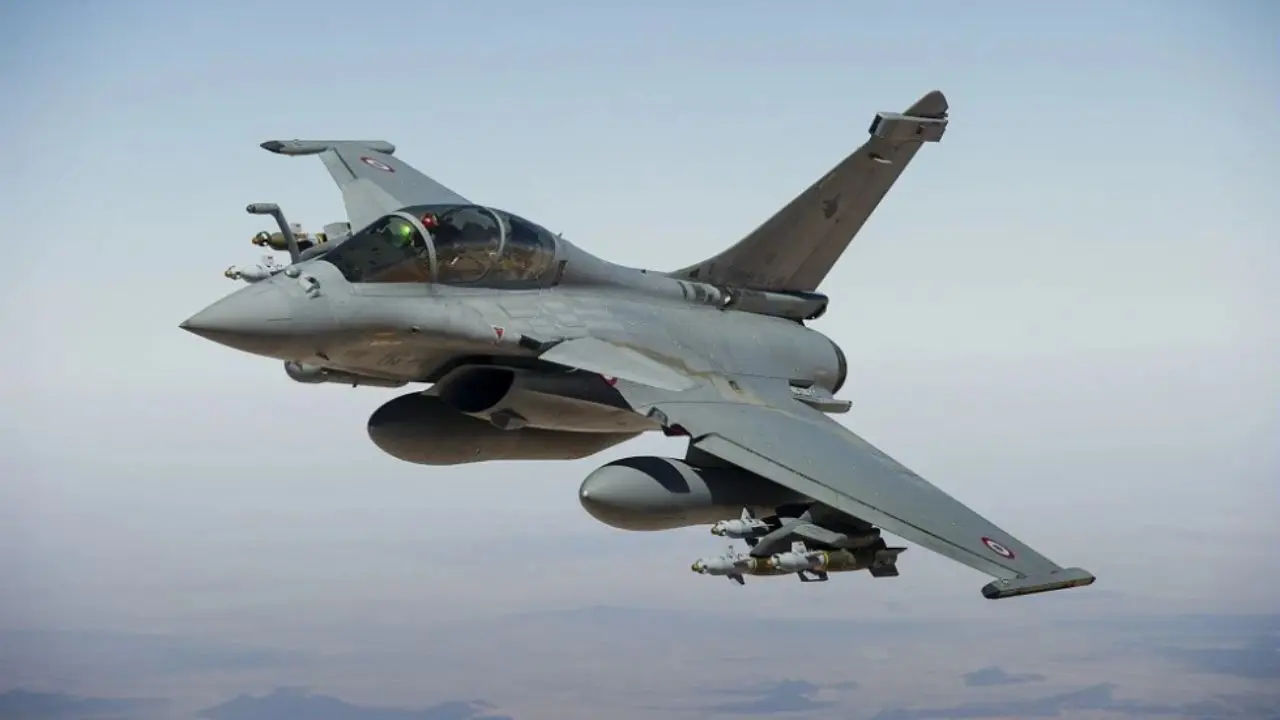
Mission profiles also differ significantly. The Rafale-M will support naval operations including anti-ship warfare, maritime strike, carrier air defence, and over-water reconnaissance. It is equipped to carry Meteor beyond-visual-range air-to-air missiles, MICA interception missiles, SCALP long-range stand-off missiles and precision-guided 'Hammer' munitions.
6 / 16
The Rafale-C focus on air superiority, deep strike, and potential nuclear delivery roles. These are integrated with enhancements that specific for Indian terrains and needs, including the BrahMos-A air-launched cruise missile, low-band jammers, and helmet-mounted displays for air dominance.
7 / 16
The Rafale-M’s slightly heavier frame in comparison due to naval-specific adaptations results in minor trade-offs in payload and range, though both the variants use the same Snecma M88-2 engines with similar performance characteristics, including supercruise capability and a range of about 3,700 km.
8 / 16
Together, both the Rafale-M and Rafale-C enhance India’s multi-domain combat readiness. The naval variant is set to replace the ageing MiG-29K fleet, while the IAF’s jets strengthen the Air Force’s regional air superiority and strike capabilities especially during times like these.
9 / 16
India and France on Monday signed a Rs 63,000 crore government-to-government deal for 26 Rafale Marine (Rafale-M) fighter jets for the Indian Navy. This is to be the first export order of the naval variant of the French fighter jet and is separate from the 36 Rafale jets already inducted into the Indian Air Force between 2019 and 2022.
10 / 16
The Rafale-M and Rafale-C jets, while sharing several commonality, are configured differently to serve distinct operational requirements. The maritime Rafale (M varient) features a longer, reinforced nose and a strengthened carriage and undercarriage operations. India also has Rafale-B model, which is currently only used for training purposes.
11 / 16
The Rafale-Marine is specifically designed for carrier-based operations. It will be deployed aboard India’s aircraft carriers INS Vikrant and INS Vikramaditya who currently operate MiG-29s. Key modifications of Rafale-M include reinforced landing gear and a tail hook to enable arrested landings on a moving carrier deck. It also features a 'jump strut' nose wheel for short takeoffs, including catapult launches. It's foldable wings are for efficient hangar storage, anti-corrosion coatings suited to saltwater environments, and a microwave landing system for deck-based precision landings.
12 / 16
In contrast, the Rafale-C are land-based jets. They were inducted in two configurations: 30 twin-seater DH variants and six single-seater EH variants. These jets operate from standard airfields and do not possess these additional modifications such as tail hooks, folding wings, or maritime-grade materials.
13 / 16
Mission profiles also differ significantly. The Rafale-M will support naval operations including anti-ship warfare, maritime strike, carrier air defence, and over-water reconnaissance. It is equipped to carry Meteor beyond-visual-range air-to-air missiles, MICA interception missiles, SCALP long-range stand-off missiles and precision-guided 'Hammer' munitions.
14 / 16
The Rafale-C focus on air superiority, deep strike, and potential nuclear delivery roles. These are integrated with enhancements that specific for Indian terrains and needs, including the BrahMos-A air-launched cruise missile, low-band jammers, and helmet-mounted displays for air dominance.
15 / 16
The Rafale-M’s slightly heavier frame in comparison due to naval-specific adaptations results in minor trade-offs in payload and range, though both the variants use the same Snecma M88-2 engines with similar performance characteristics, including supercruise capability and a range of about 3,700 km.
16 / 16
Together, both the Rafale-M and Rafale-C enhance India’s multi-domain combat readiness. The naval variant is set to replace the ageing MiG-29K fleet, while the IAF’s jets strengthen the Air Force’s regional air superiority and strike capabilities especially during times like these.
)
)
)
)
)