Radar ghosts? Why did F-22 fly with transponders deactivated to reach Israel as US–Iran nuclear talks hang by a thread?

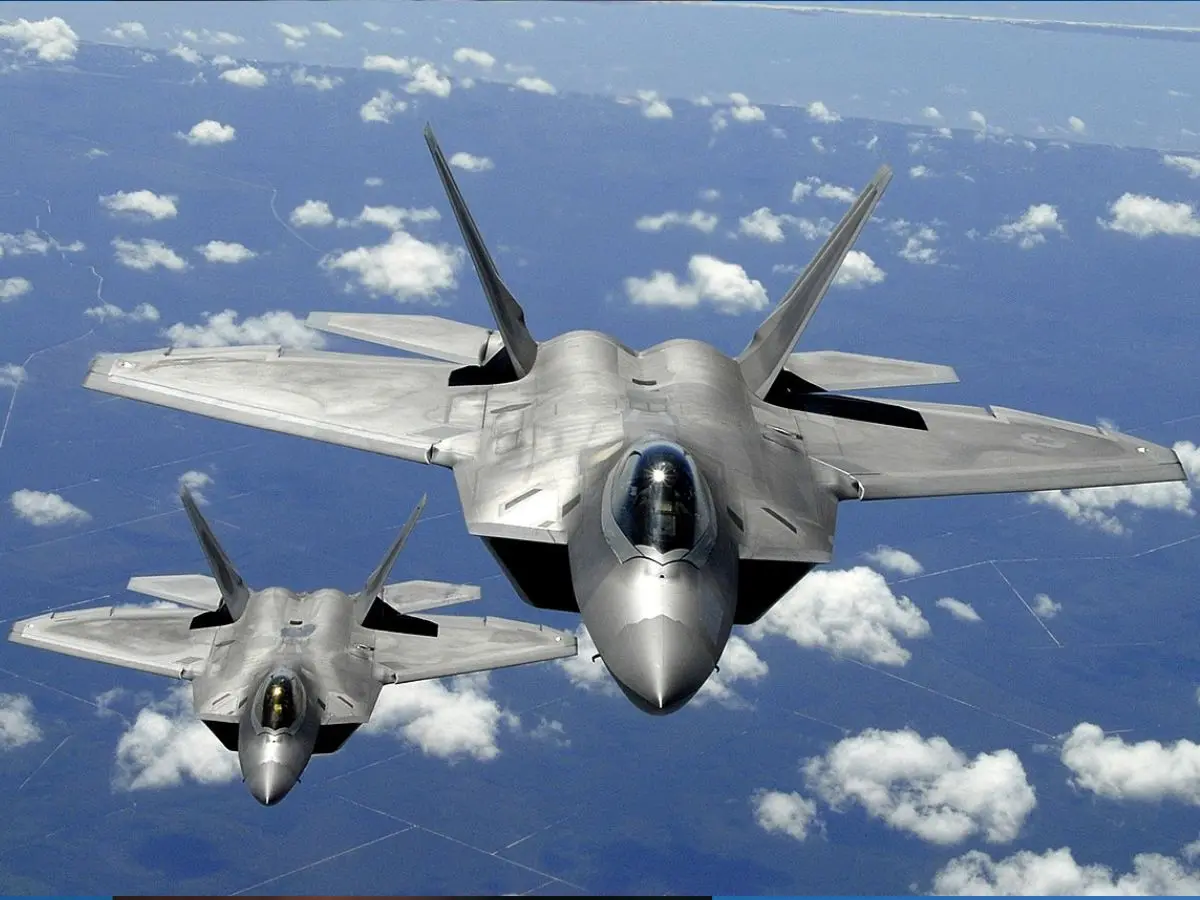
Around a dozen US Air Force F-22 stealth fighter jets landed at an Israeli Air Force base in southern Israel on Monday, an unusual operational move amid heightened tensions between the United States and Iran
Rare deployment amid rising tensions
Around a dozen US Air Force F-22 stealth fighter jets landed at an Israeli Air Force base in southern Israel on Monday, an unusual operational move amid heightened tensions between the United States and Iran. The deployment, reported by The Times of Israel and other outlets, comes as Israel and Gulf partners prepare for a possible escalation if diplomatic efforts over Tehran’s nuclear programme falter. The arrival follows sightings of the aircraft departing from RAF Lakenheath in the United Kingdom on February 24.
Transponders switched off en route
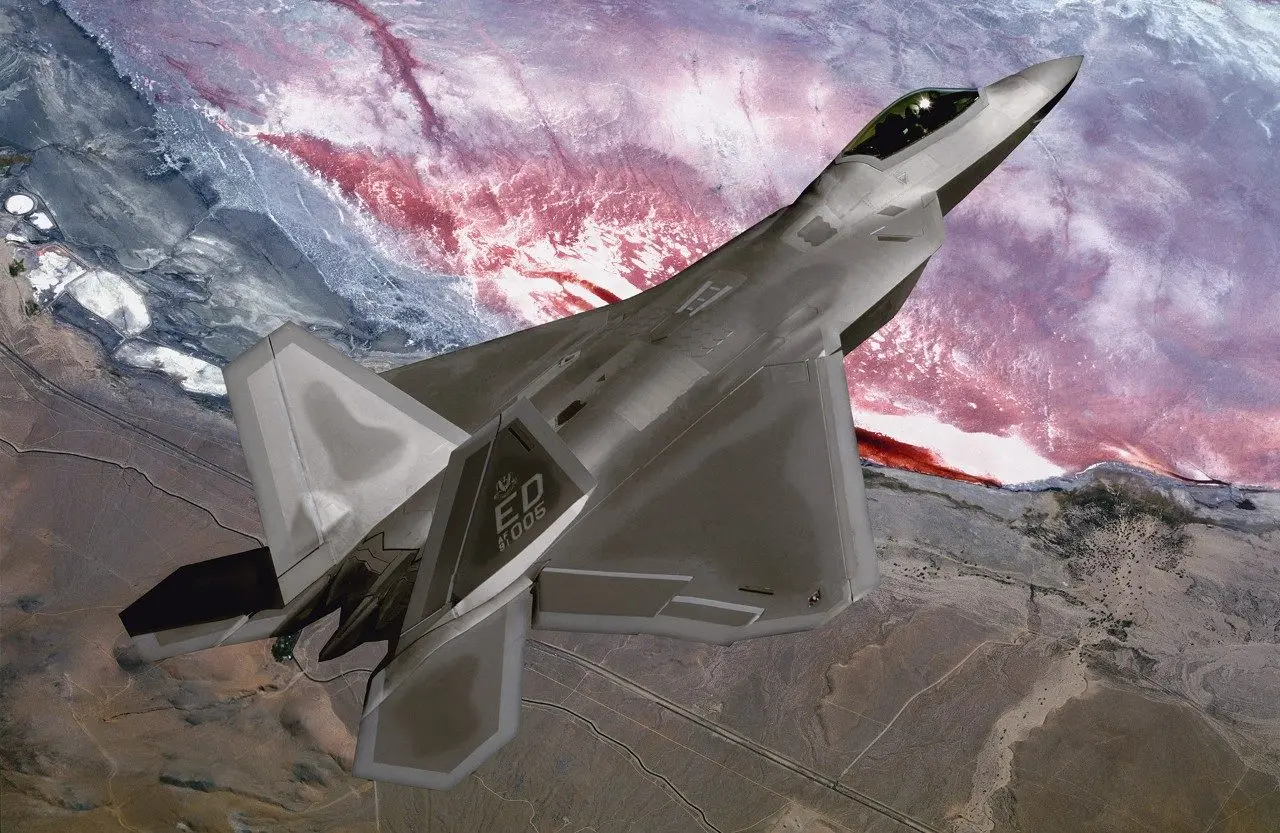
The fighters flew with their transponders deactivated but were accompanied by refueling tankers with their transponders on, ABC said. This practice, while often used for operational security, made the movement less apparent until they actually landed.
Why fighter jets turn transponders off
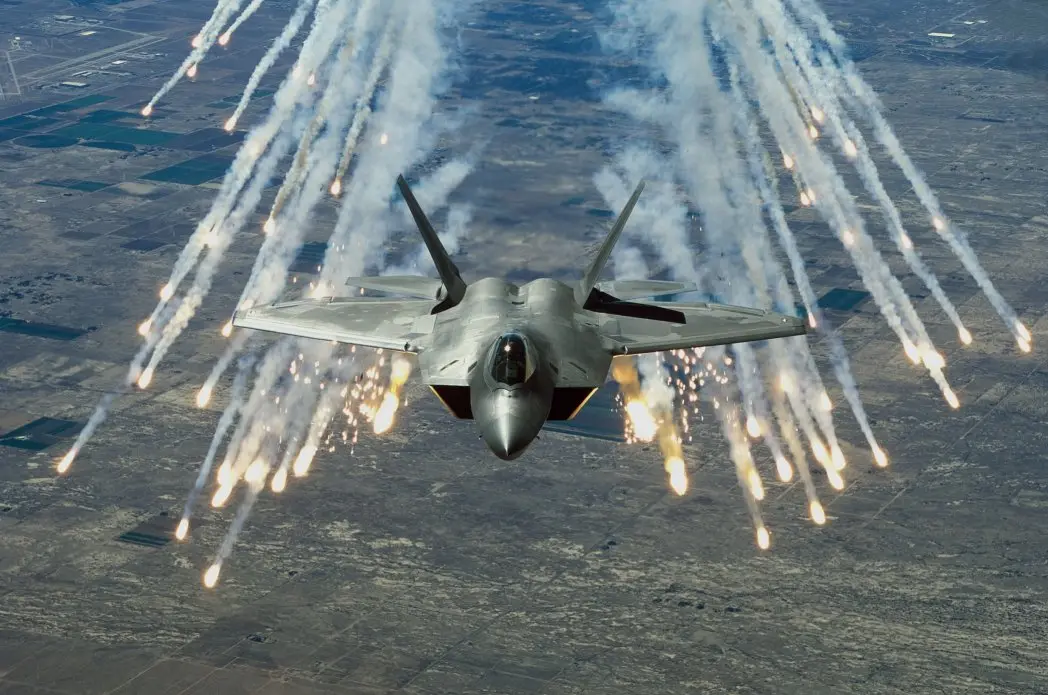
Fighter aircraft often deactivate transponders during sensitive missions to maintain operational security. Doing so reduces real-time public visibility of flight paths, timing and formation details. In deployments linked to potential conflict zones, limiting digital traceability prevents adversaries from analysing routes, readiness patterns or force composition. It is a precautionary measure rather than an unusual one in military aviation.
Context of nuclear negotiations
The movement comes as US and Iranian officials prepare for further talks in Geneva. US President Donald Trump, addressing Congress, warned that Iran is developing missiles capable of threatening US interests and reiterated: “I will never allow the world’s number one sponsor of terror to have a nuclear weapon.” He added that while diplomacy is preferred, he would not hesitate to confront threats.
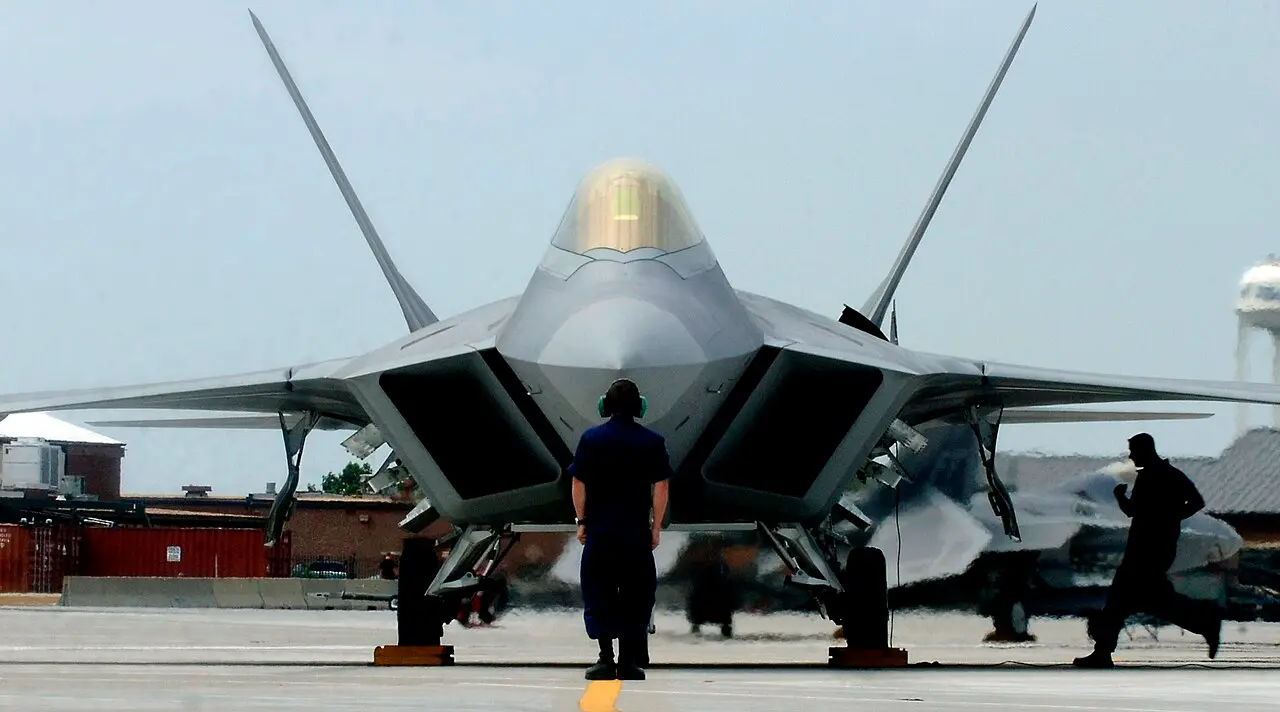
Why the F-22 matters
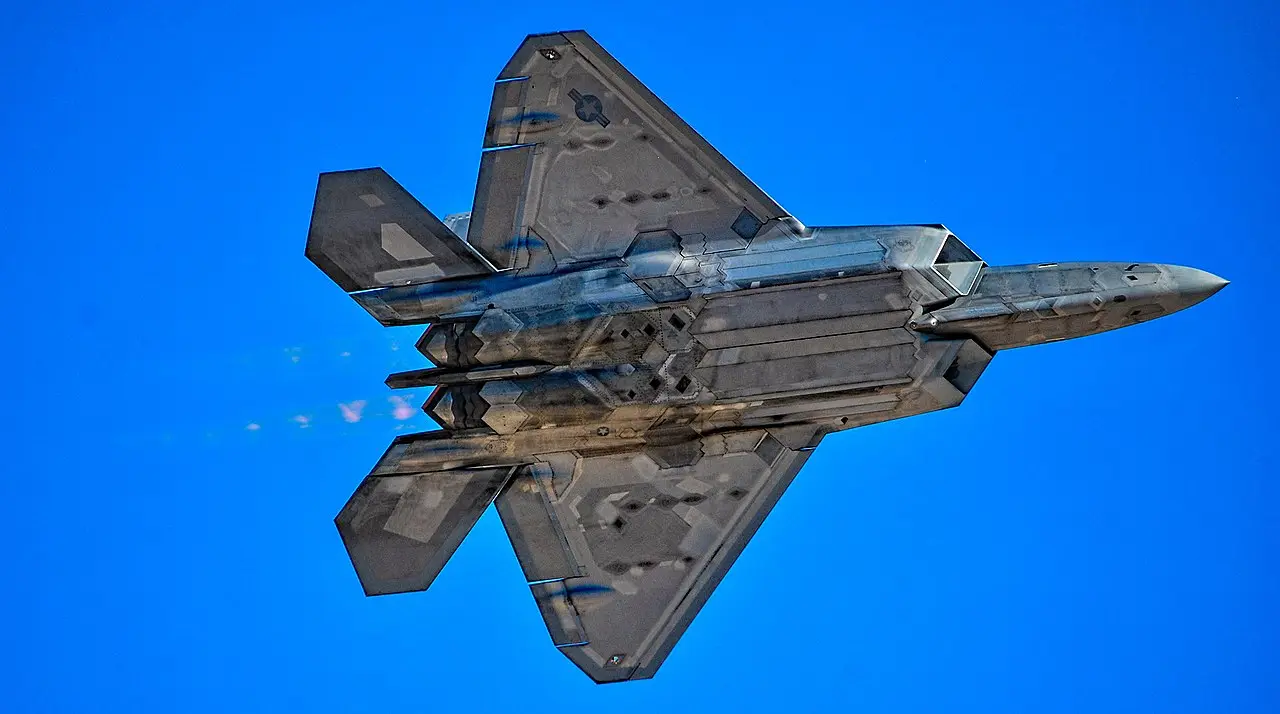
The F-22 Raptor remains the US Air Force’s most advanced air-superiority fighter. It combines very low observable stealth, supercruise above Mach 1.5 without afterburner, integrated avionics and sensor fusion. In combat configuration, it carries AIM-120 AMRAAM and AIM-9 Sidewinder missiles internally, preserving its stealth profile.
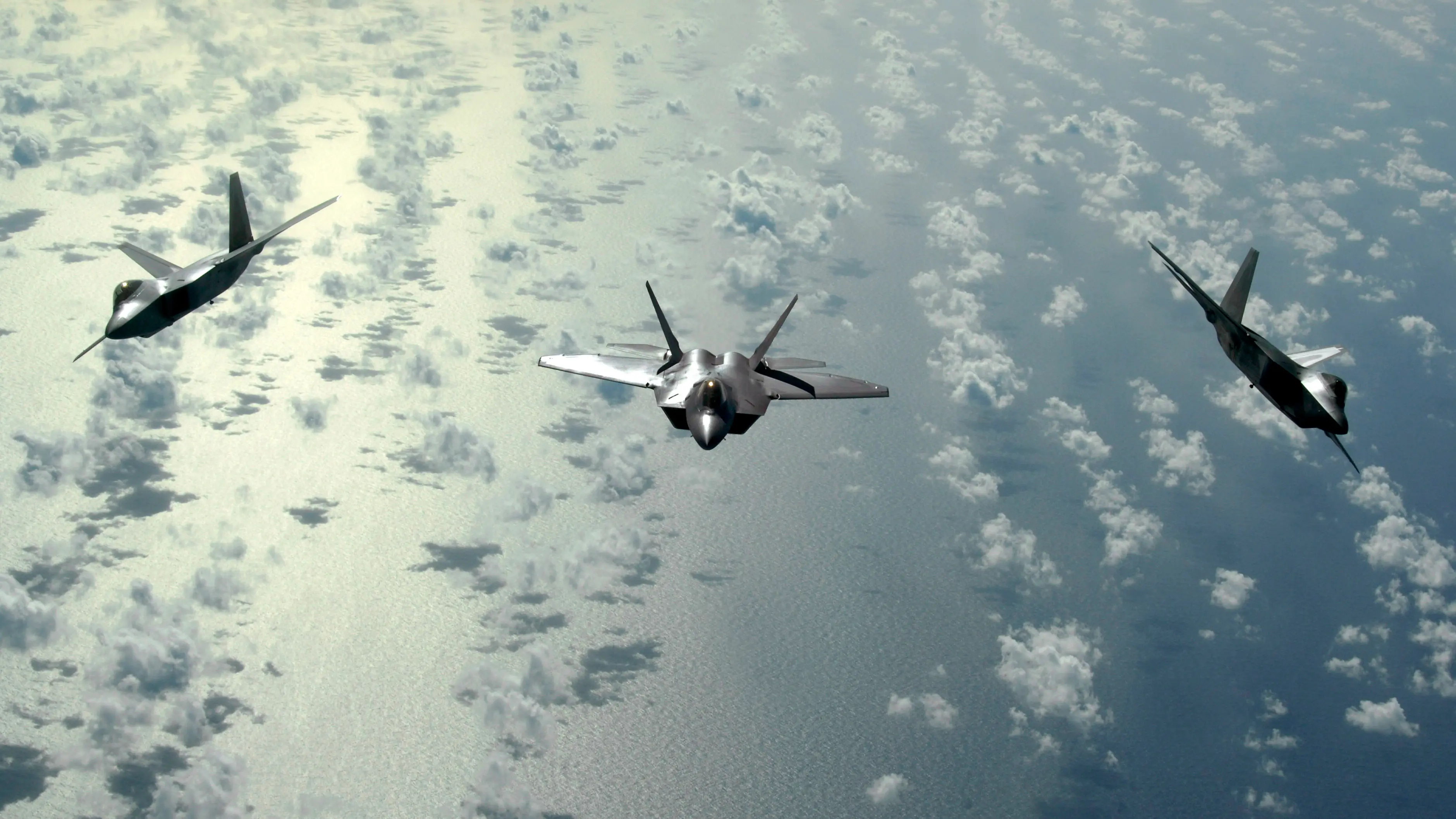
Designed for contested airspace
Built to penetrate heavily defended airspace, the F-22 is intended to suppress enemy aircraft and surface-to-air missile systems, establishing air dominance for follow-on operations. Its engines generate more thrust than any current US fighter engine, allowing rapid response over long distances.
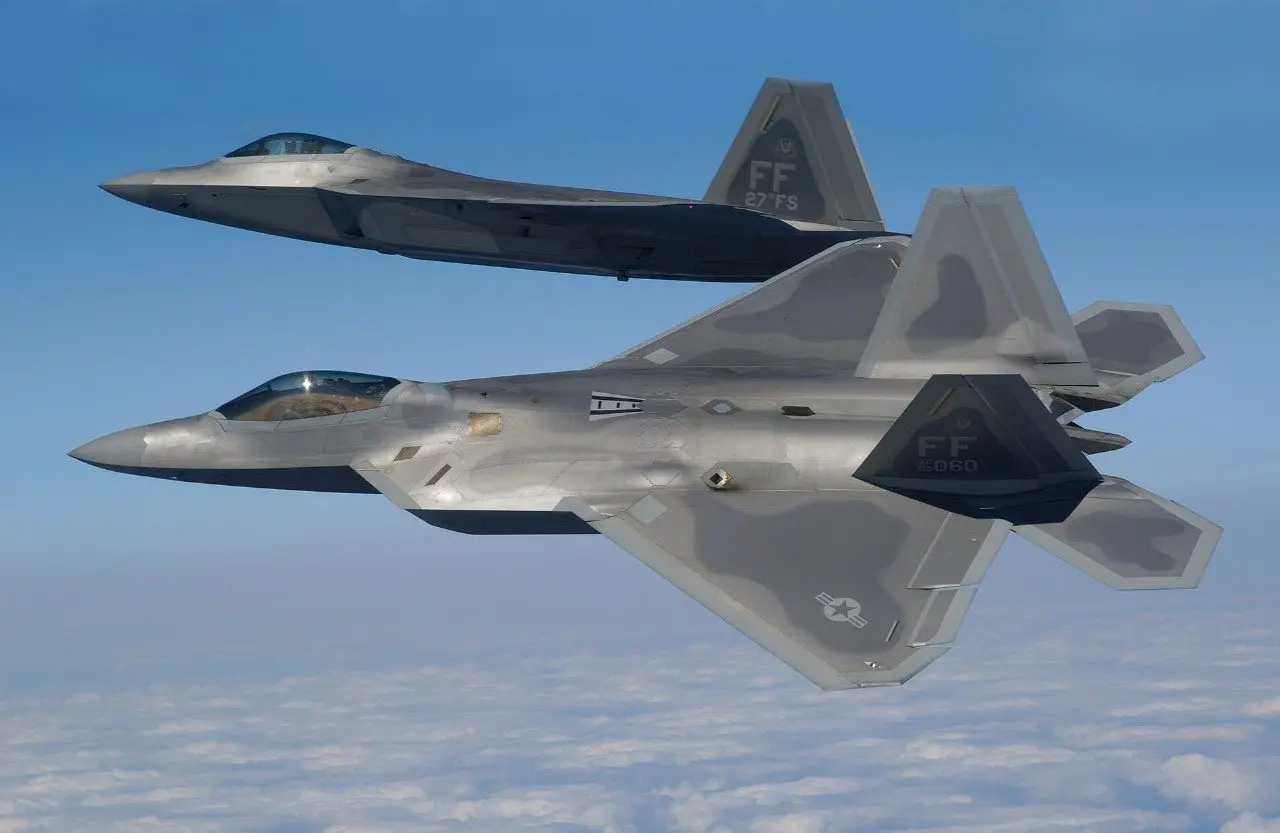
Deterrence alongside diplomacy
The deployment forms part of a broader US military build-up in the region, with multiple fighter types repositioned. While talks continue, the arrival of stealth aircraft with transponders off shows a parallel message: diplomacy remains open, but credible military capability is already in place.
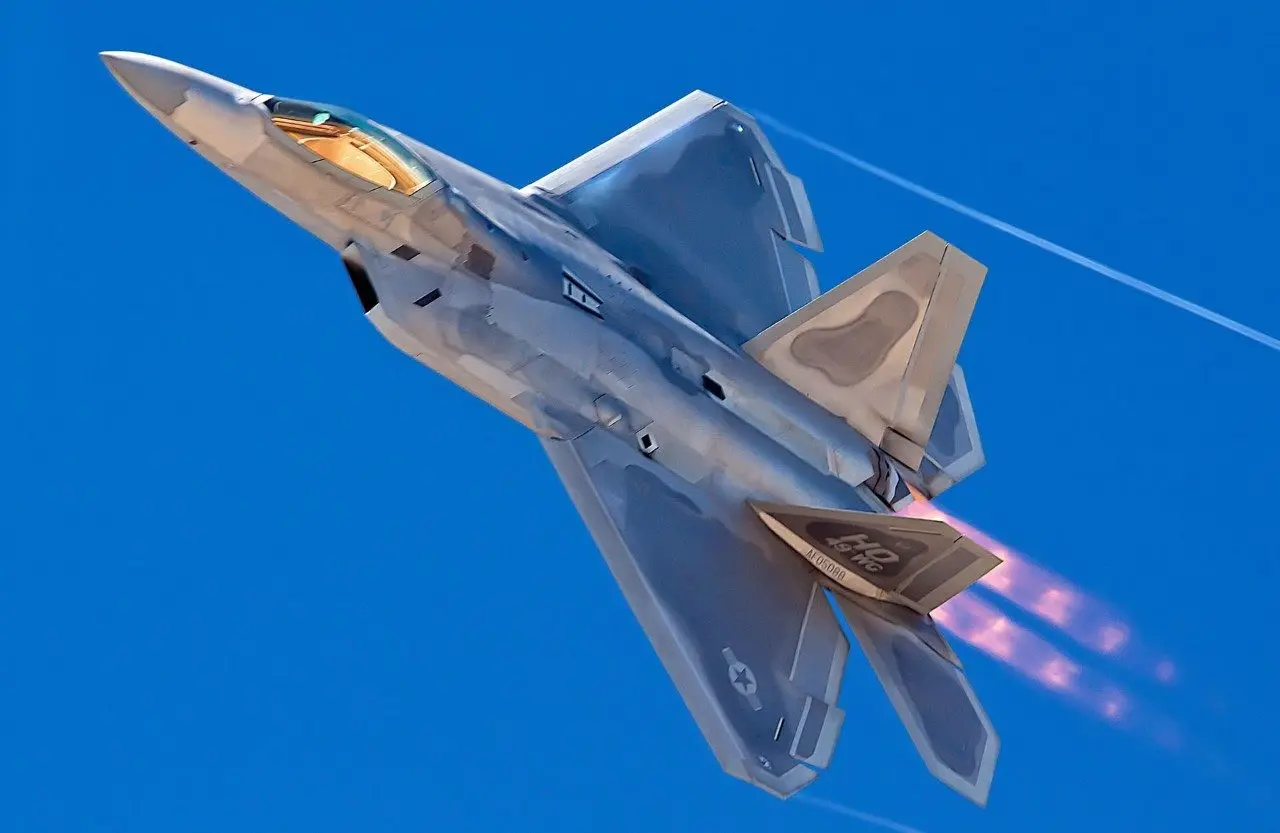
Scale of US military presence
The arrival of the F-22 forms part of a wider US military build-up across the region, with reports indicating that more than 150 aircraft, including F-35s and other fighter platforms, have been repositioned to strategic bases in Europe and the Middle East. In parallel, the USS Abraham Lincoln carrier strike group is operating in the Arabian Sea, while the USS Gerald R. Ford, the United States’ largest aircraft carrier, is expected to reinforce the deployment. The concentration of air and naval assets under US Central Command underscores the seriousness with which Washington is approaching the ongoing standoff with Iran.
)
)
)
)
)