‘Radar evasion’: What makes US sea drones difficult to detect or track

US sea drones evade detection using extremely low radar cross-sections that blend with waves. By employing silent electric propulsion and passive AI sensors, they operate in electromagnetic silence, remaining invisible to enemy radar.
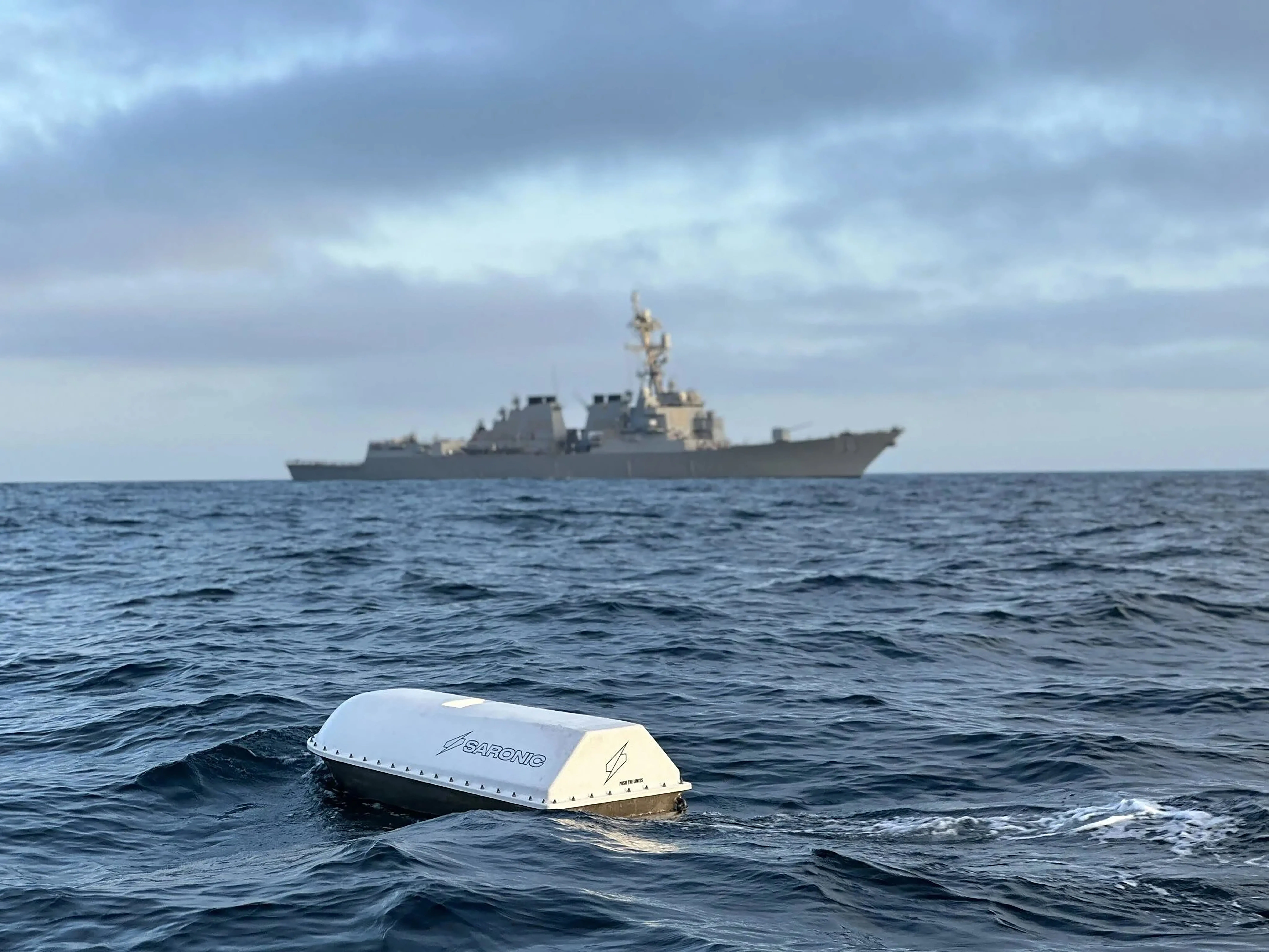
Blending into sea clutter
Surface sea drones are designed with extremely low profiles, creating a radar cross-section comparable to a small bird. This allows them to blend into ocean waves, confusing traditional enemy radar systems that routinely filter out natural sea clutter.
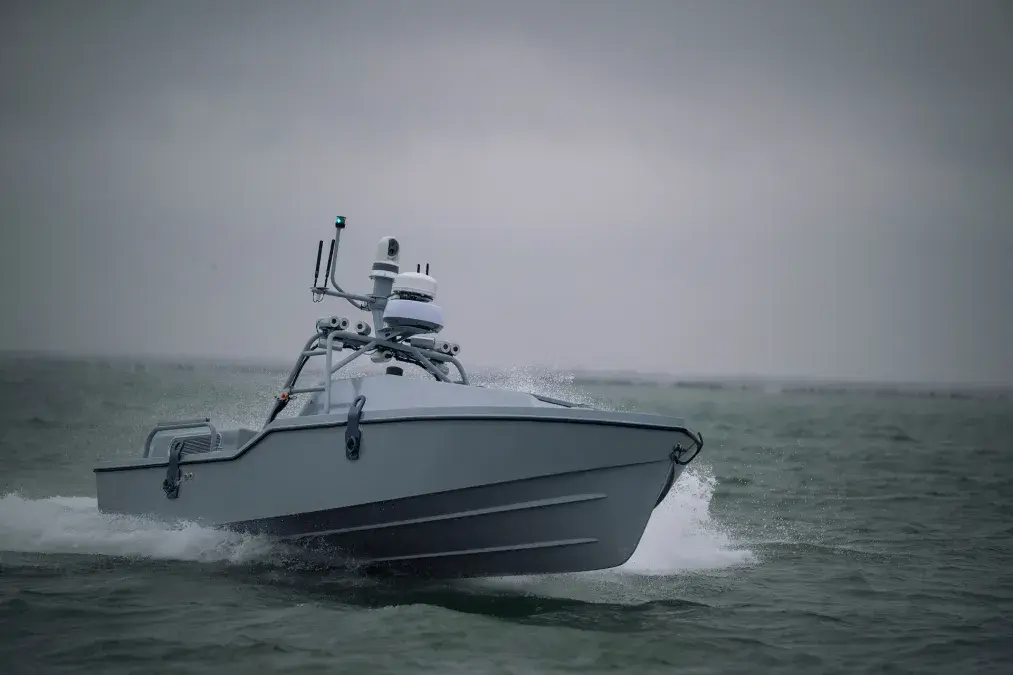
Near-silent electric propulsion
To evade sophisticated underwater tracking, advanced US drones utilise hybrid engine systems. By switching to electric propulsion during stealth operations, they eliminate acoustic engine noise, becoming practically invisible to enemy sonar arrays.
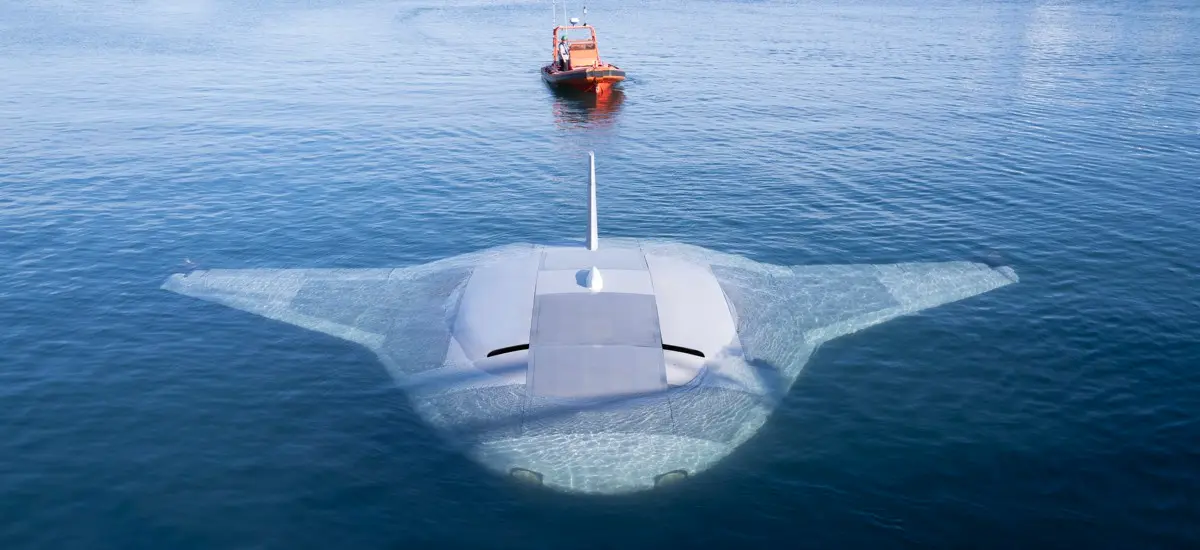
Passive intelligence sensors
Traditional ships constantly emit active radar waves, making them incredibly easy for adversaries to track. US sea drones avoid this vulnerability by relying solely on passive optical and thermal cameras, allowing them to observe enemies without emitting detectable signals.
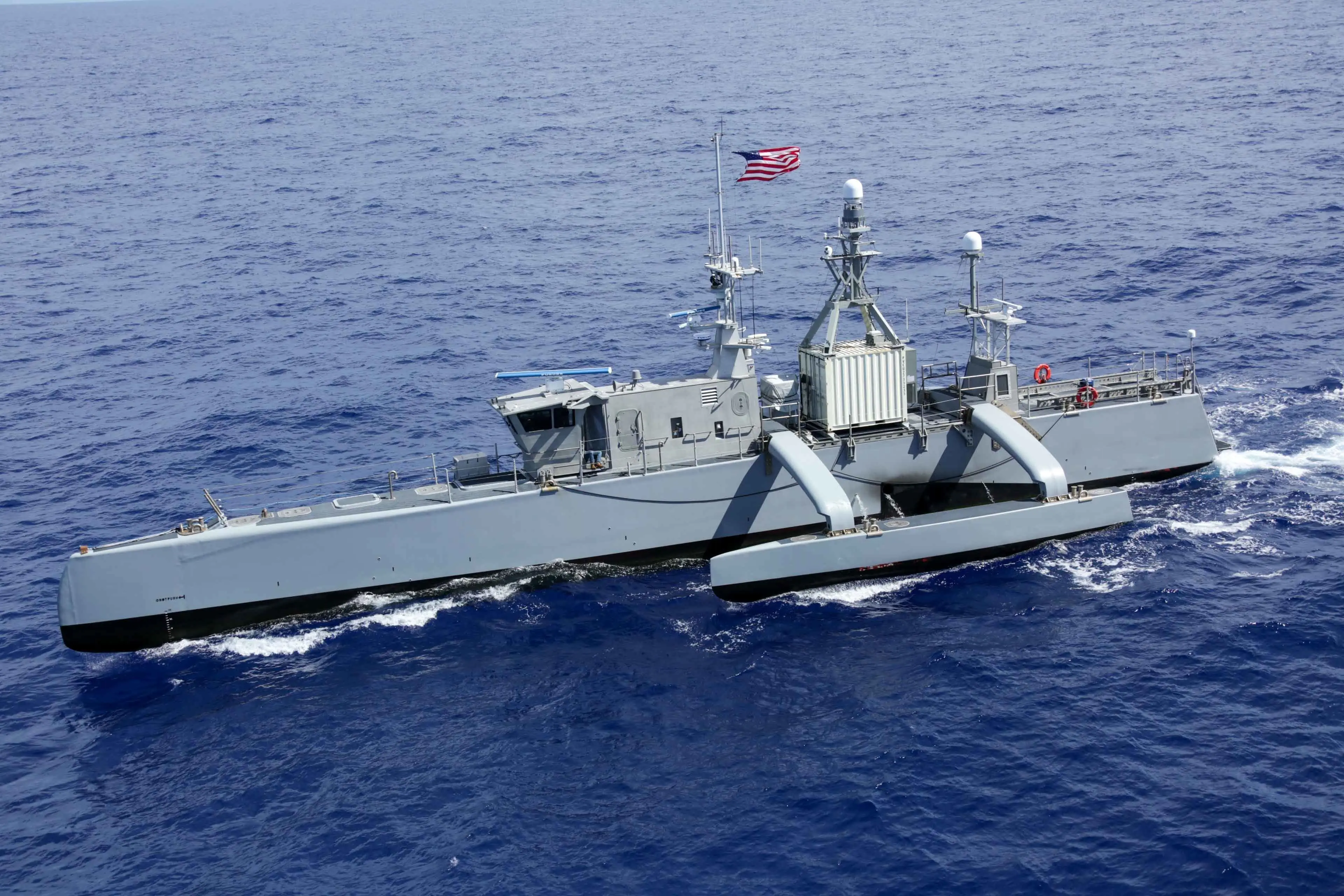
Electromagnetic silence
Maintaining a constant radio link with a command centre instantly exposes a drone's location to electronic warfare units. American uncrewed vessels use onboard artificial intelligence to process data independently, completing complex missions in total electromagnetic silence.
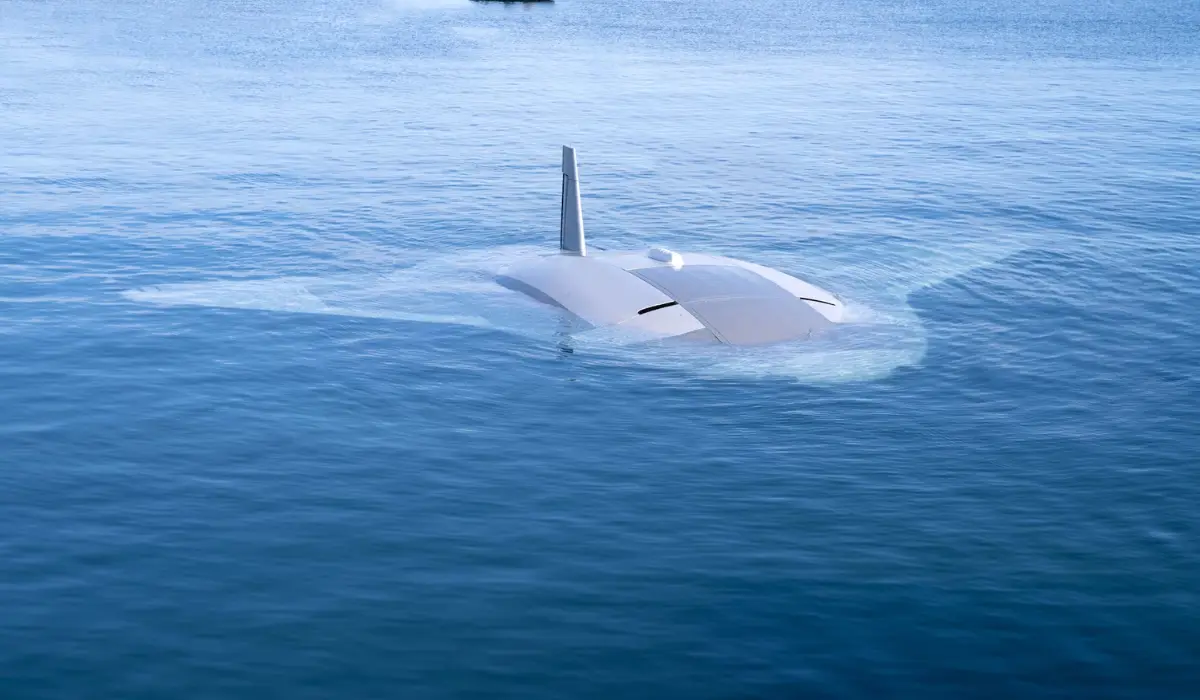
Submerged submarine deployment
To bypass heavy coastal radar networks entirely, the US Navy is adapting its Virginia-class submarines to launch specific underwater drones. Releasing these autonomous vehicles while fully submerged ensures they enter contested waters without ever breaking the surface.
)
)
)
)
)