Radar blackout over Tehran? How EA-18G Growlers on USS Abraham Lincoln and Gerald R. Ford could blind Iran’s military

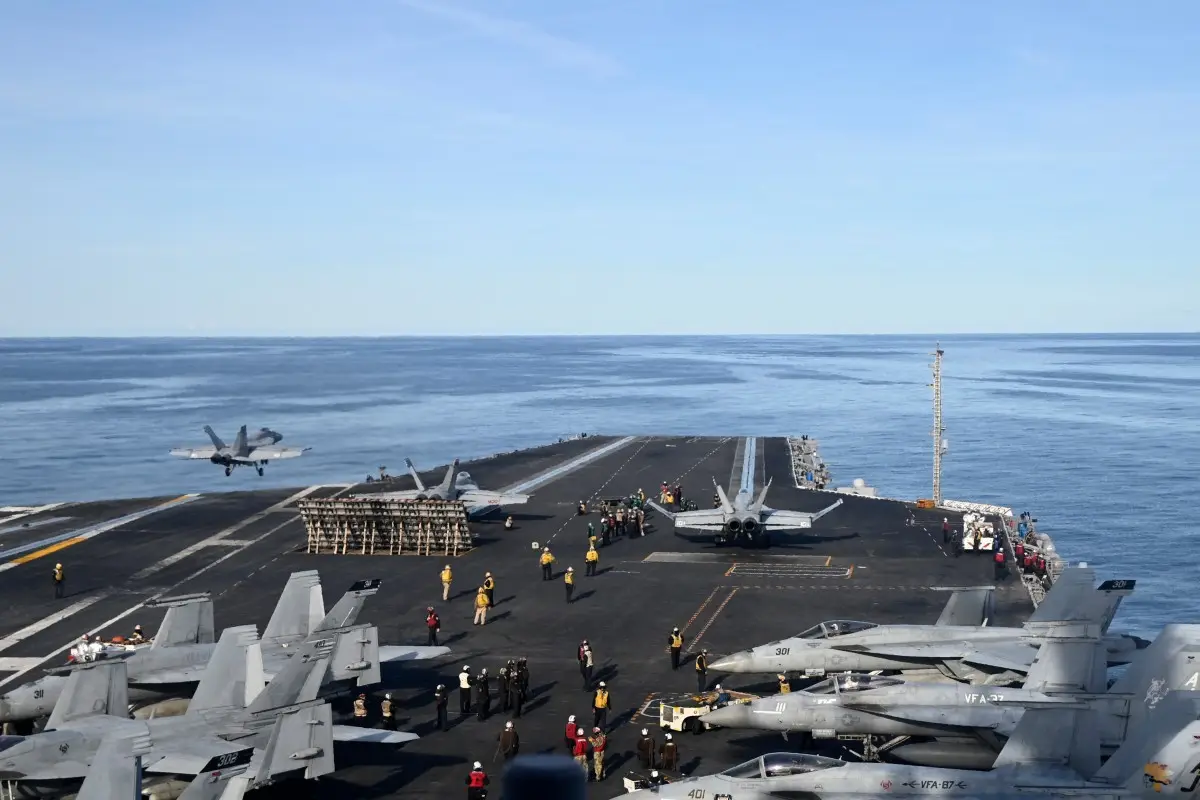
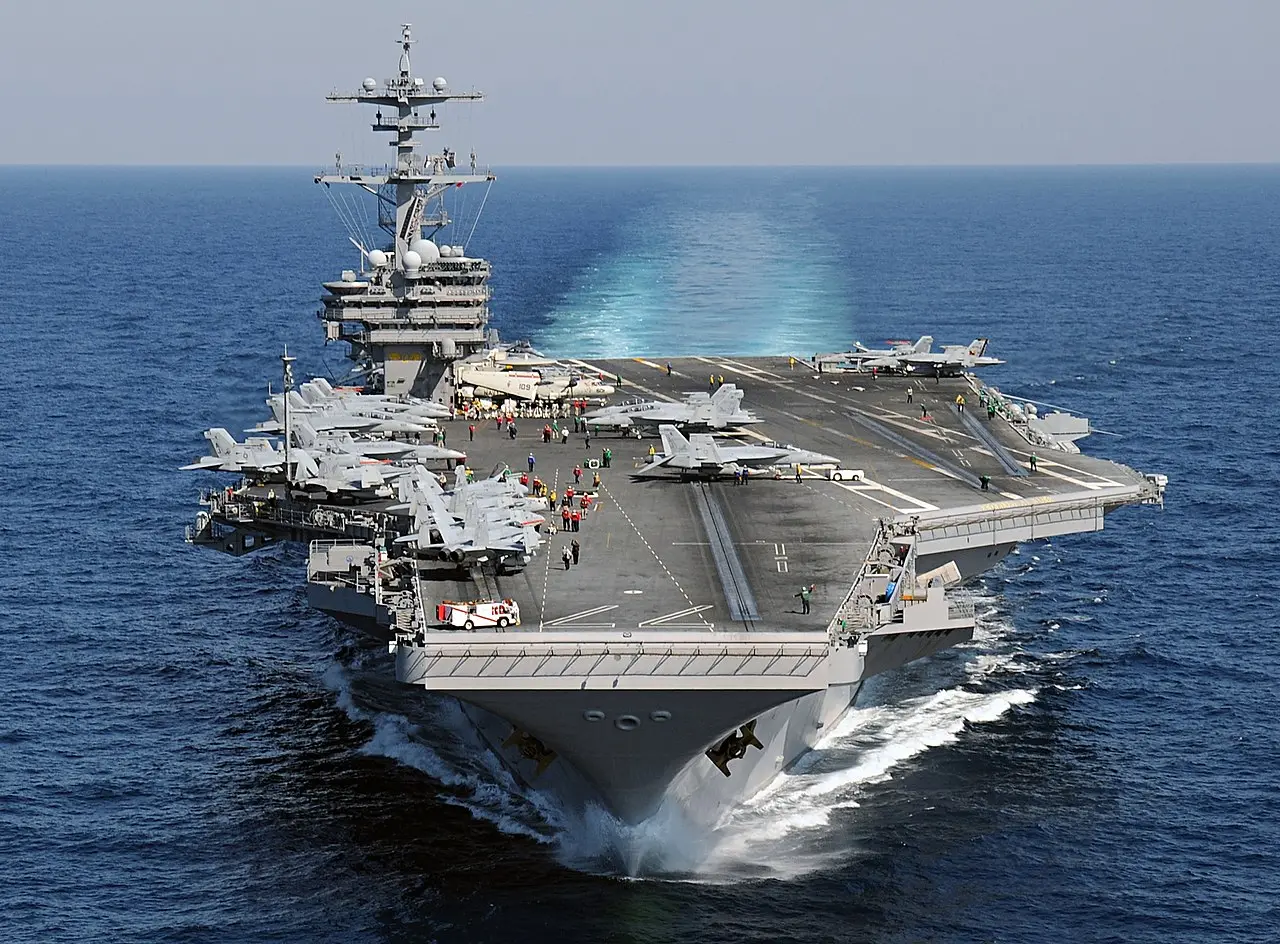
The US previously struck Iran’s nuclear facilities during operations in 2025, and now two aircraft carriers, USS Gerald R. Ford and USS Abraham Lincoln, along with guided-missile destroyers, fighter jets and surveillance aircraft, are being positioned in and around Middle East waters.
Carrier deployment amid regional tensions
The United States has deployed additional naval air power to the Middle East as tensions with Iran continue to dominate regional security concerns. US President Donald Trump has already threatened military action against Iran if no agreement on the diplomatic talks between the two nations is reached. As a response, Tehran has also warned it would retaliate. The US previously struck Iran’s nuclear facilities during operations in 2025, and now two aircraft carriers, USS Gerald R. Ford and USS Abraham Lincoln, along with guided-missile destroyers, fighter jets and surveillance aircraft, are being positioned in and around Middle East waters. These deployments add advanced airborne electronic warfare capabilities through EA-18G Growler aircraft to focus.
Relevance
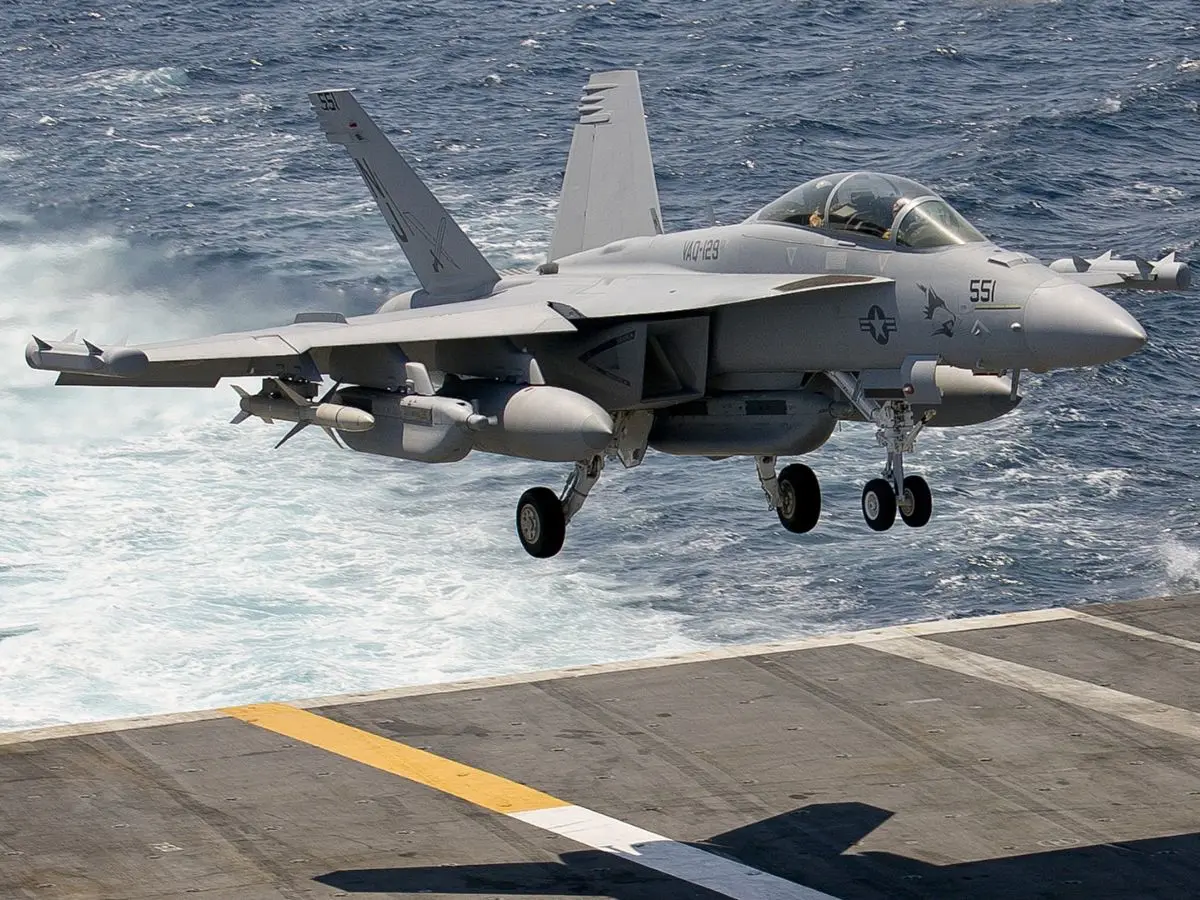
The USS Gerald R. Ford was also part of the Caribbean strike force ordered by Trump last October, when the US shifted the carrier and its strike group into the region to intensify pressure on Venezuela’s government, contributing to the military campaign that preceded the capture of Nicolás Maduro.
The electronic warfare aircraft at the centre
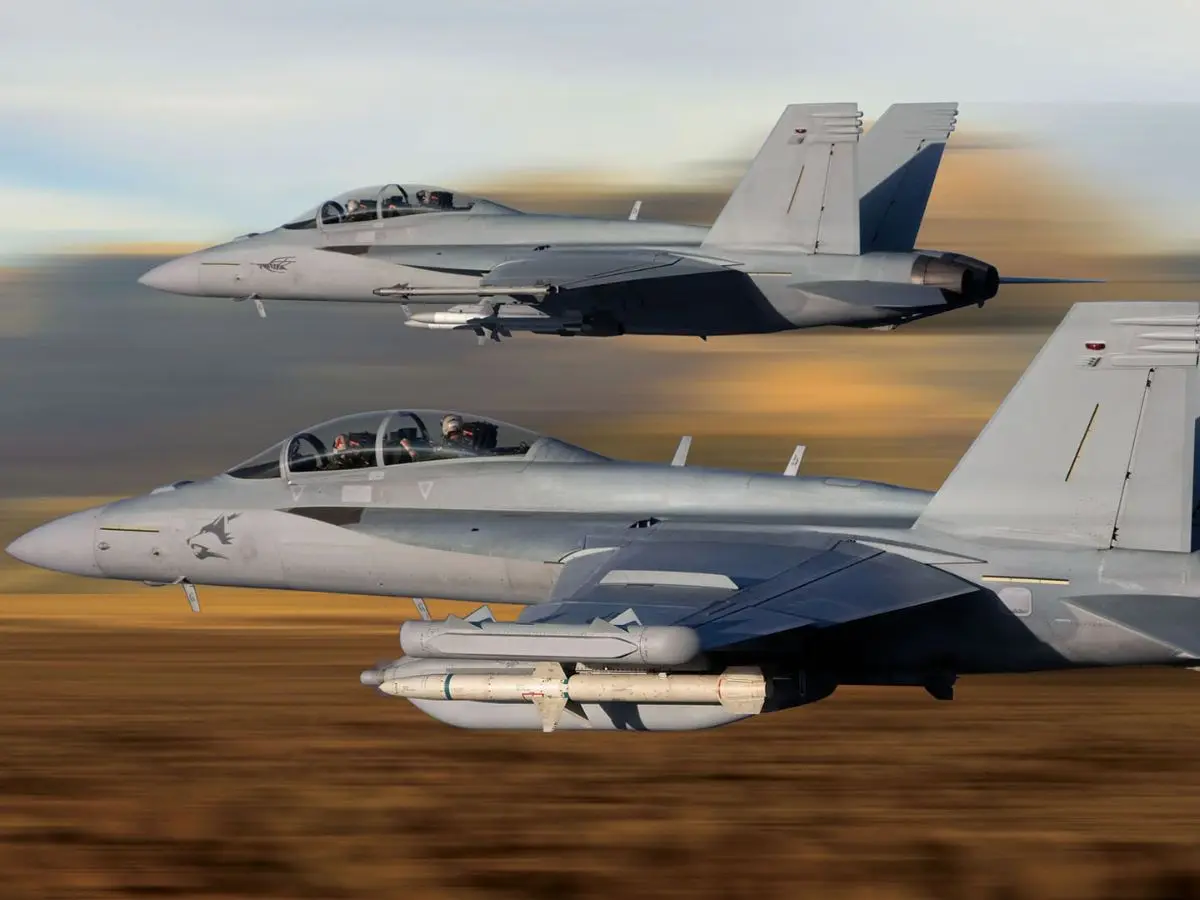
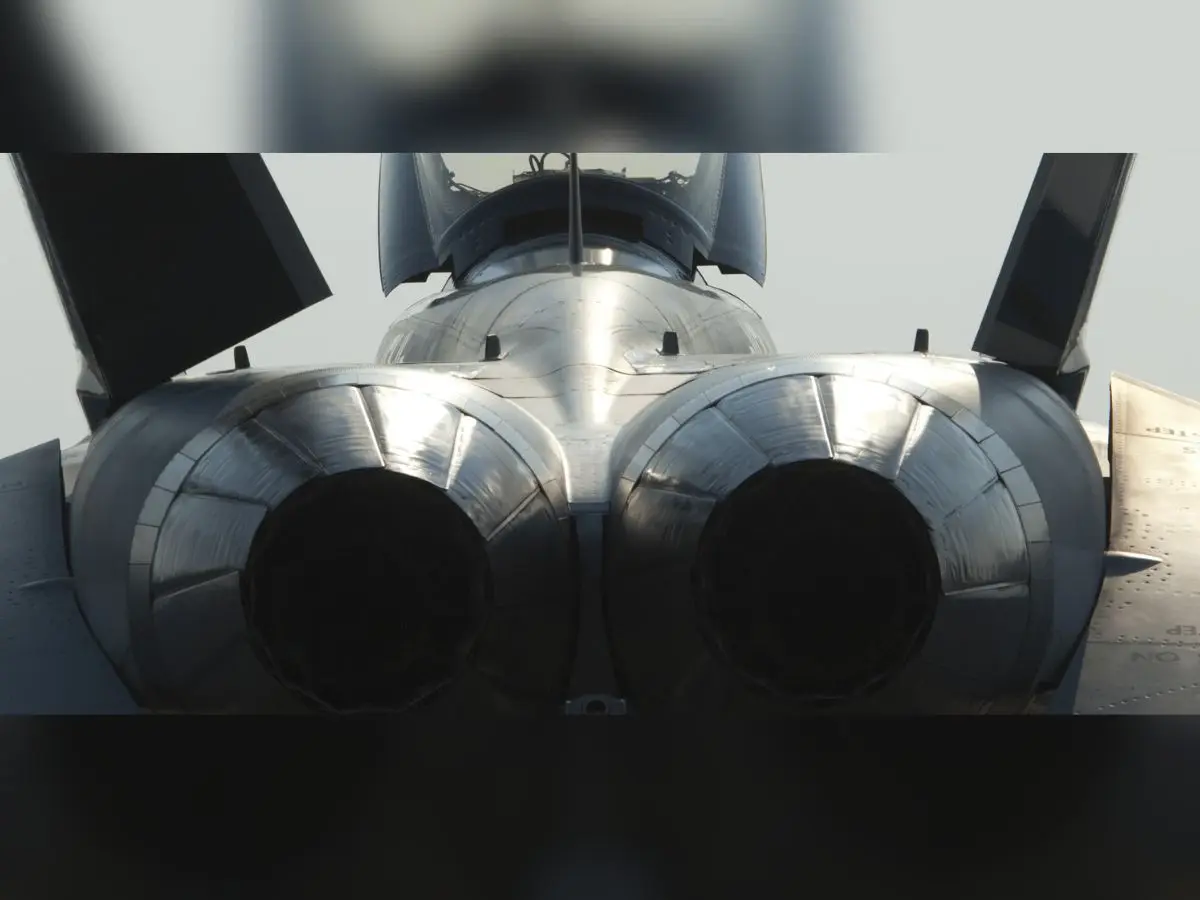
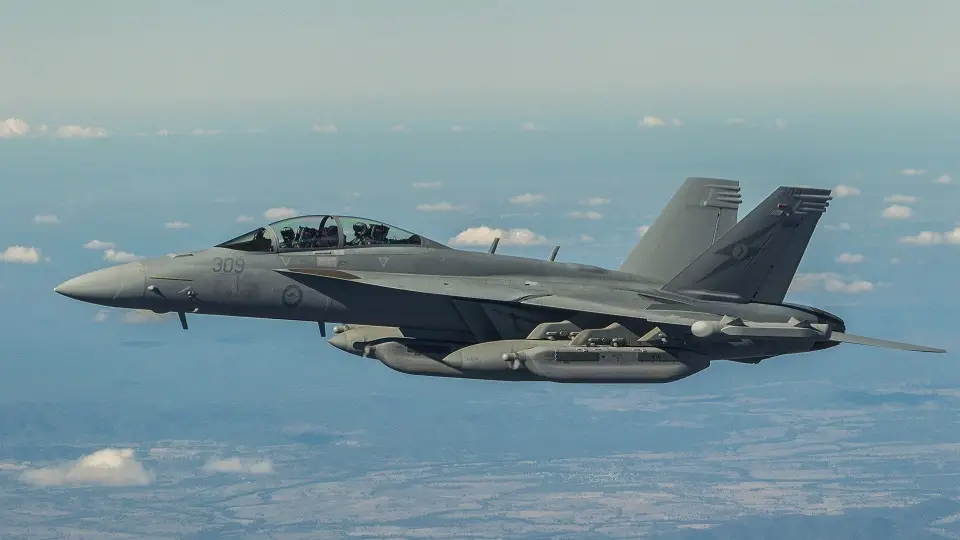
The EA-18G Growler, developed by Boeing, is a specialised variant of the F/A-18 Super Hornet designed for electronic attack missions. It is operated by the United States Navy and it's allied forces. The aircraft’s primary role is to disrupt enemy radar, communications networks and air defence systems, allowing friendly aircraft to operate with reduced risk.
Capabilities designed to suppress air defences
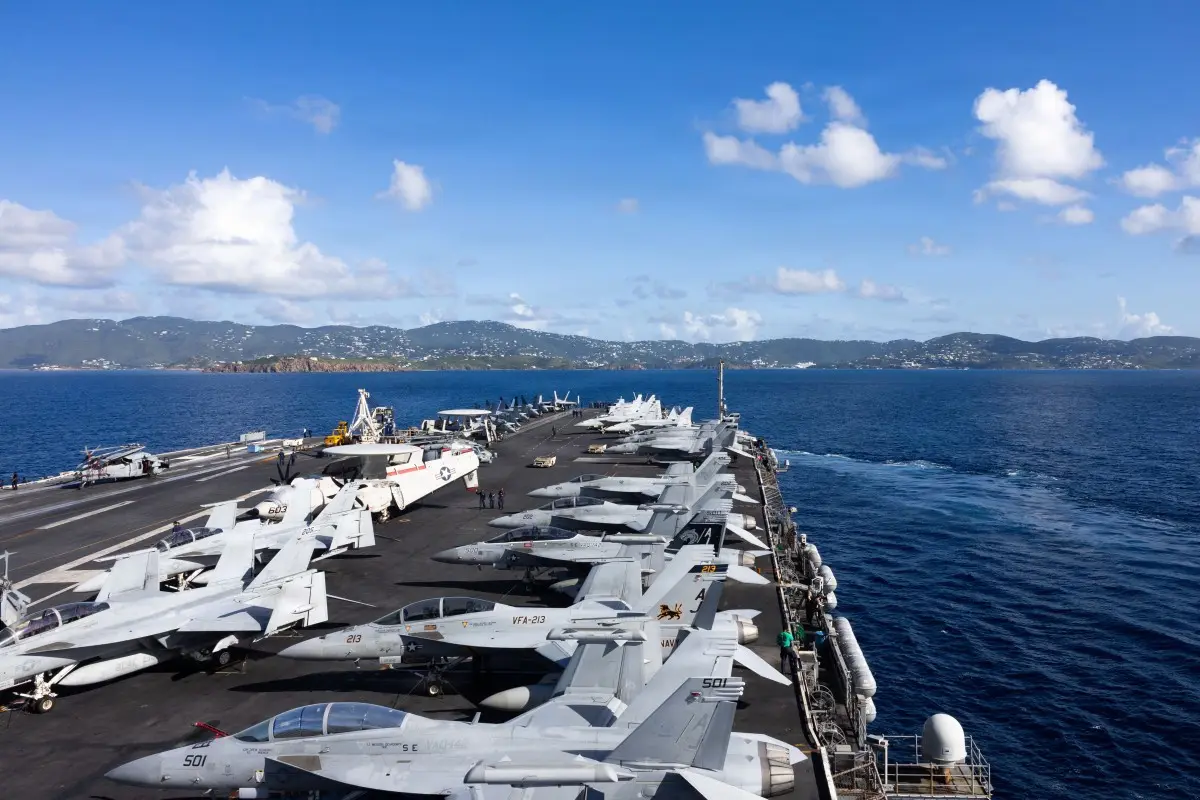
Official programme data shows the Growler carries advanced ALQ-99 Low and High band jamming pods, electronic surveillance receivers and anti-radiation missiles designed to detect and neutralise radar emitters. These systems allow the aircraft to interfere with early warning networks and surface-to-air missile guidance systems. Defence evaluation reports note that the Growler can conduct stand-off jamming, enabling it to operate beyond the reach of many hostile air defence systems while still affecting their performance.
Integration with carrier strike operations
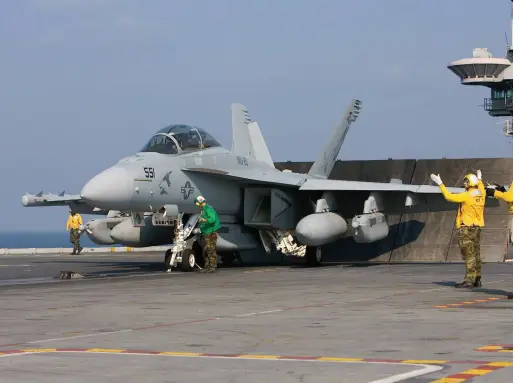
Growlers deployed aboard American aircraft carriers operate as part of a coordinated air wing. They typically escort strike aircraft, using electronic warfare systems to suppress or degrade defensive sensors before conventional strike platforms enter contested airspace. Naval aviation doctrine identifies the aircraft as a key enabler for complex carrier air operations, particularly in environments with layered missile and radar threats.
Role within multi-domain warfare strategy
Carrier air wings equipped with Advanced Electronic Attack (AEA) suites and open mission systems allow integrated electronic warfare operations that enhance protection for friendly forces. Electronic attack aircraft play a critical role in wider joint force missions by disrupting enemy communications and targeting integrated air defence networks.
Physical features
It has a maximum speed on Mach 1.8 and a thrust of 44,000 pounds. It has a length of 60.2 feet. It has two F414-GE-400 turbofans and a range of 1,570 kms. EA-18G Growlers enable coordinated naval, air and coalition operations by degrading hostile sensors and command systems simultaneously. This capability highlights the increasing importance of controlling the electromagnetic spectrum, which has become a fundamental requirement for conducting modern air combat operations.
Operational history and development
Programme documentation highlights that the EA-18G entered operational service in 2009 and replaced the EA-6B Prowler as the US Navy’s primary carrier-based electronic warfare aircraft. Ongoing upgrades have improved radar detection, signal processing and network integration, allowing the platform to adapt to increasingly sophisticated air defence technologies. These capabilities could blind Iran's radar in case of a coordinated attack by the US army.
)
)
)
)
)