R-37M to PL-15: Top 7 air-to-air missiles that can destroy a fighter jet from 300 km away

With stealth aircraft, electronic warfare and hypersonic manoeuvres shaping 21st-century warfare, the world’s most capable AAMs have become decisive tools for air dominance.
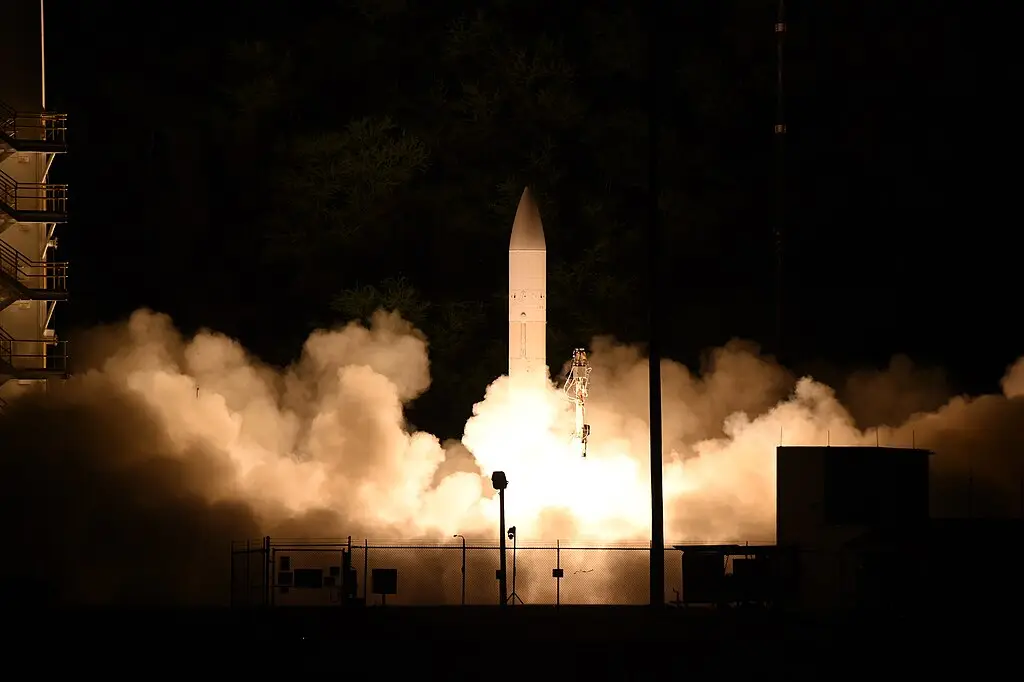
Introduction
Air combat has evolved from close-range dogfights to engagements conducted hundreds of kilometres apart. Modern air-to-air missiles (AAMs) now rely on long-range tracking, high-speed propulsion and advanced seekers to strike targets that pilots never see visually. With stealth aircraft, electronic warfare and hypersonic manoeuvres shaping 21st-century warfare, the world’s most capable AAMs have become decisive tools for air dominance. Below is a detailed look at the top seven, ranked by range, kill probability and combat performance.
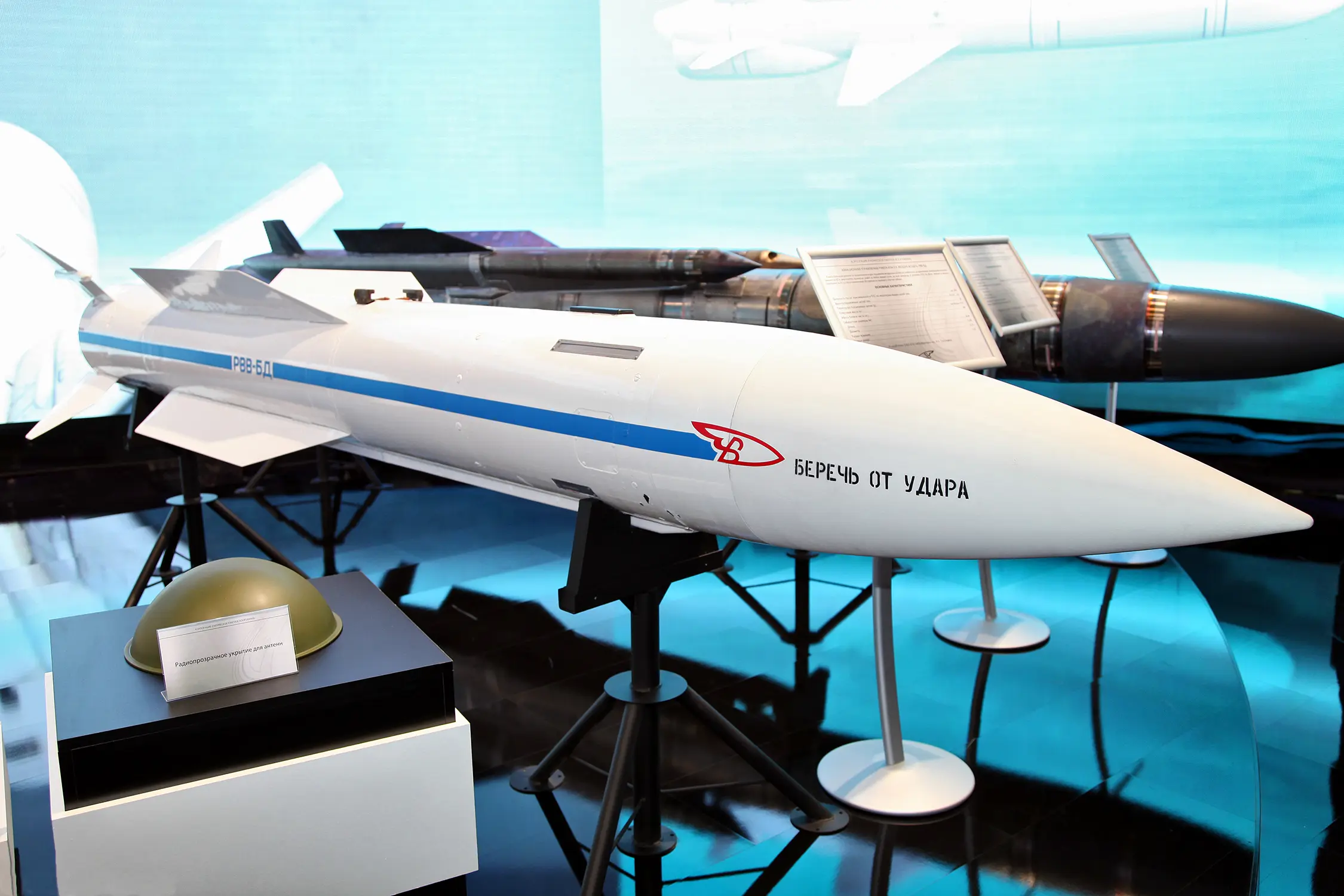
1. R-37M (Russia) – extreme-range specialist
The R-37M, developed for aircraft such as the MiG-31BM and Su-35, is currently one of the longest-range operational AAMs. With an estimated reach of up to 400 km and speeds near Mach 6, it is tailored to intercept high-value targets including airborne warning and sniper aircraft. Its radar seeker and data-link mid-course guidance enable it to remain effective despite electronic countermeasures.
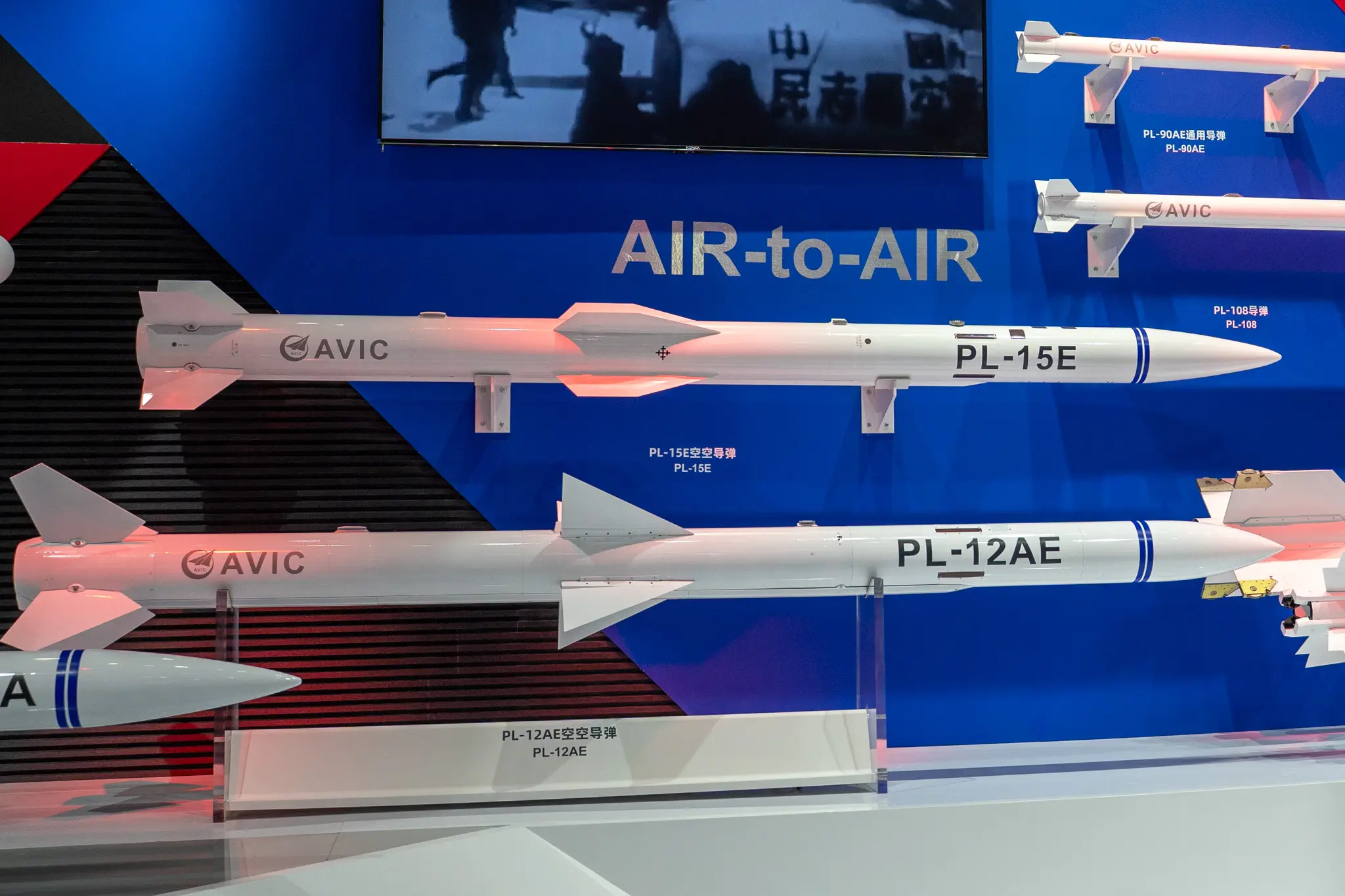
2. PL-15 (China) – long-range precision
China’s PL-15 is designed to challenge Western air power with a reported engagement range exceeding 300 km. A dual-pulse motor and active electronically scanned array (AESA) seeker make it resilient to jamming and evasive manoeuvres. It is deployed on platforms such as the J-20 and J-16 and is viewed as central to China’s anti-air superiority doctrine.
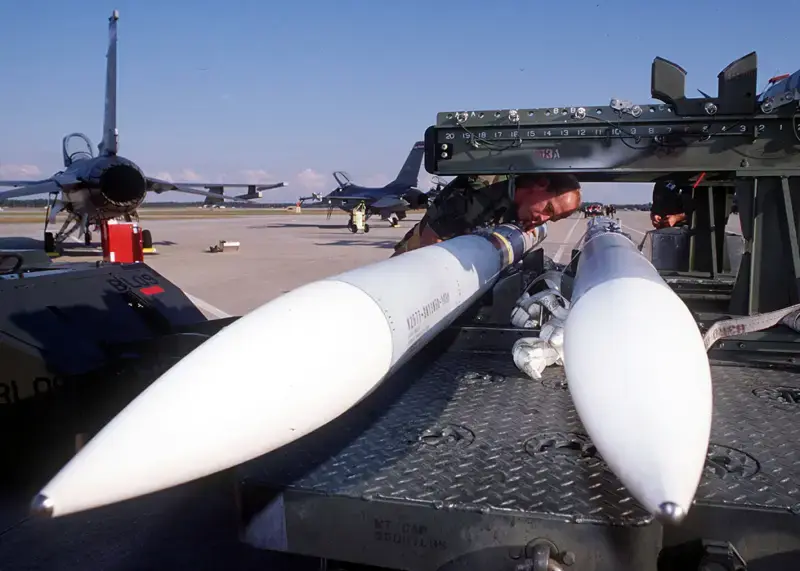
3. AIM-260 JATM (United States) – successor to the AMRAAM
The AIM-260 Joint Advanced Tactical Missile is the US response to rapid Asian missile developments. Although details remain classified, its range reportedly surpasses that of the AIM-120D, pushing beyond 200 km. The JATM is designed specifically to counter stealth aircraft and highly manoeuvrable fighters in heavily contested airspace.
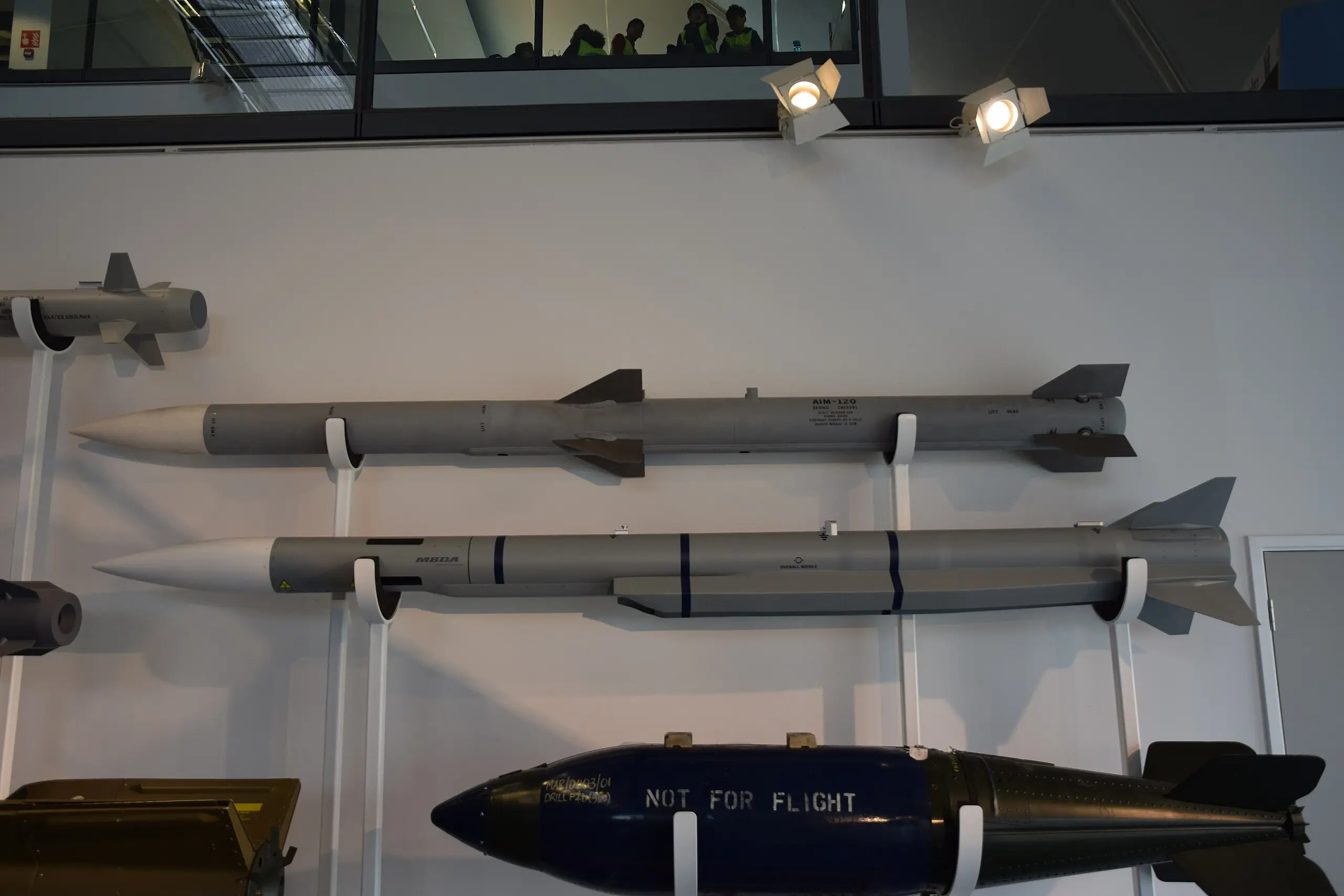
4. AIM-120D AMRAAM (United States) – proven in combat
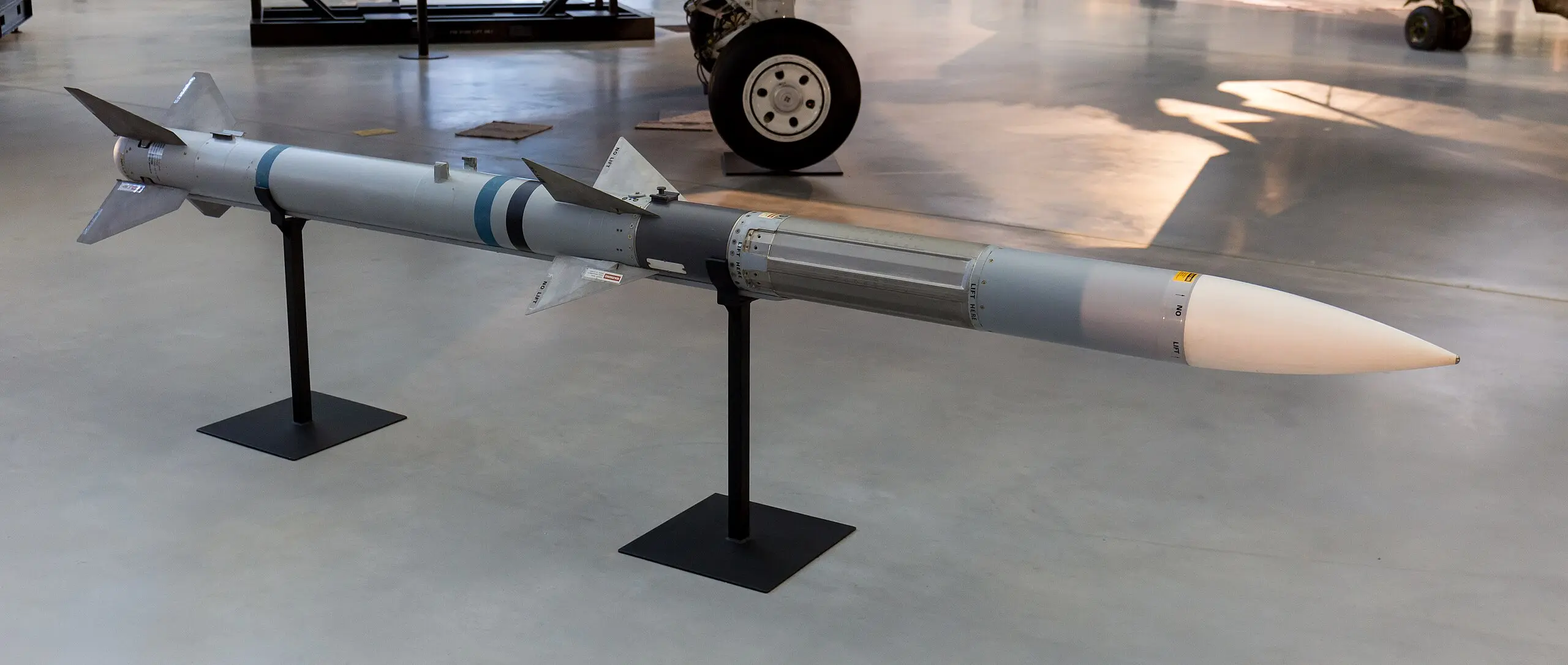
Still widely regarded as the world’s most successful beyond-visual-range missile, the AIM-120D has a range of roughly 180 km and has been used effectively in multiple conflicts. GPS-aided guidance and two-way datalink capability allow mid-course updates, maintaining track even as targets change direction.
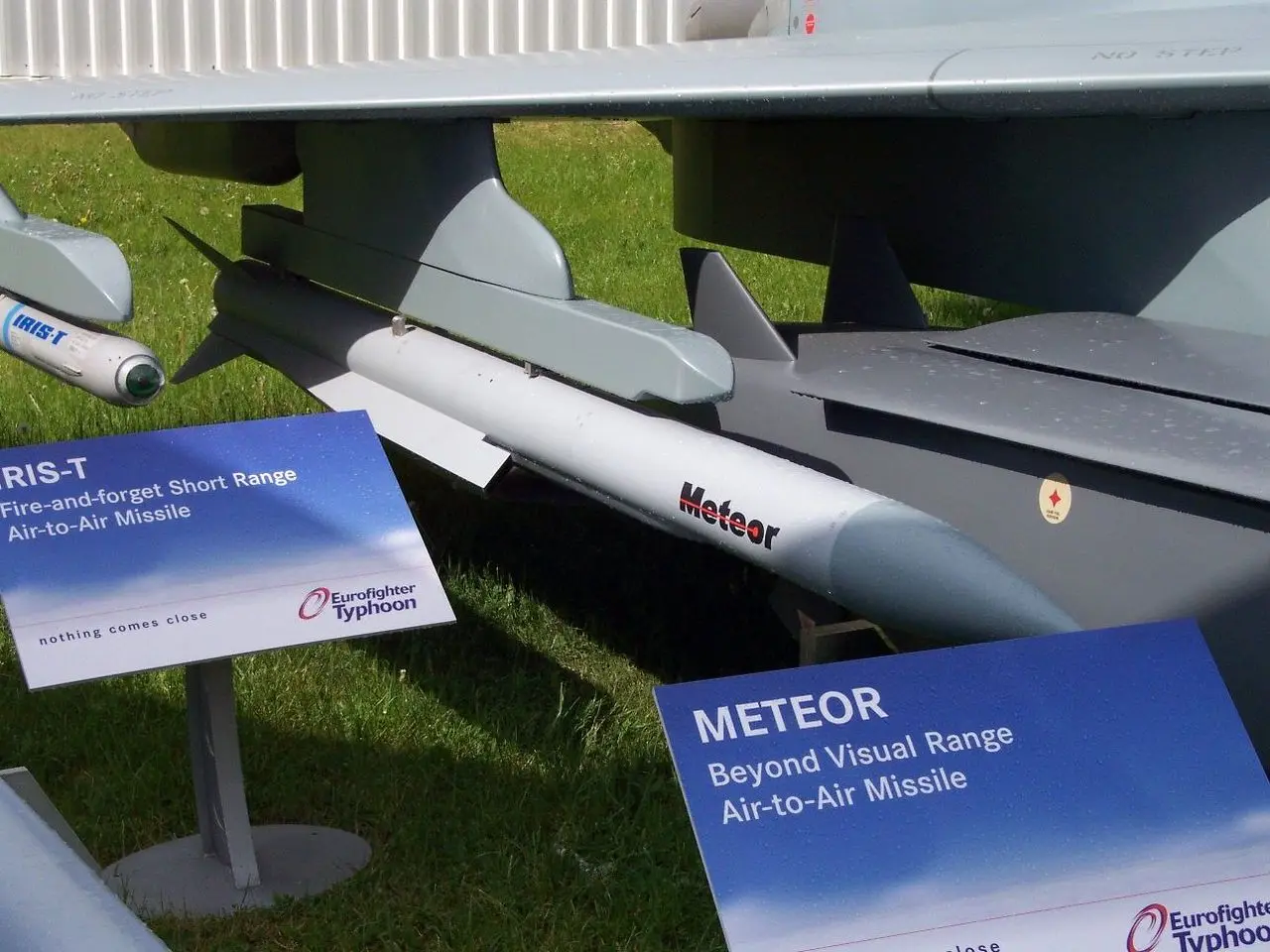
5. Meteor (Europe) – unmatched no-escape zone
The Meteor, developed by MBDA, stands out not by raw range alone (approx. 150 km) but by its exceptionally large ‘no-escape zone’ created by a ramjet propulsion system. The missile can maintain energy deep into the final phase of engagement, giving targets limited chance to evade.
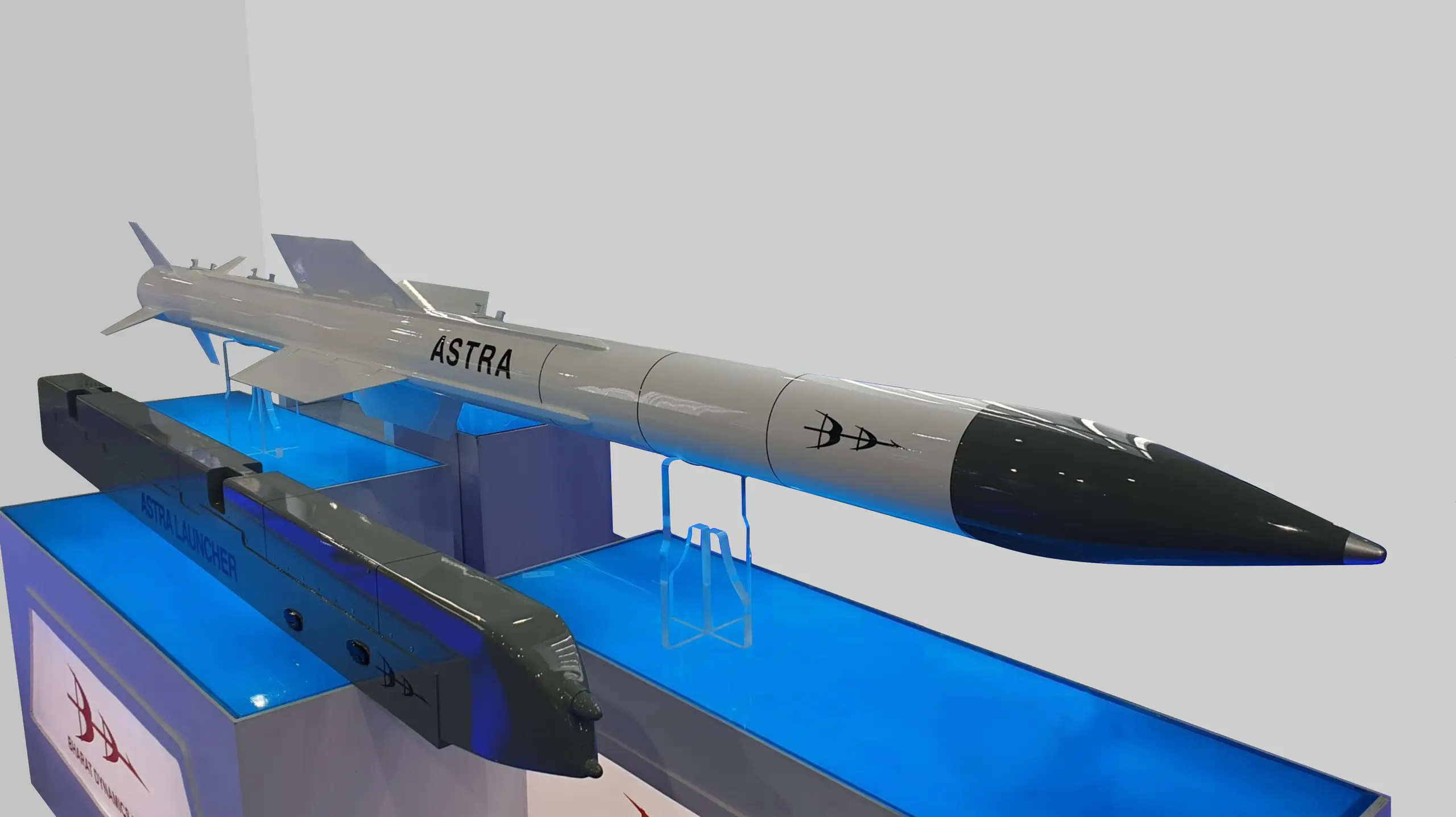
6. Astra Mk-2 (India) – rapidly emerging contender
India’s Astra Mk-2, developed by DRDO, features a range of about 160 km and supports lock-on-before-launch and lock-on-after-launch capability. Integration is underway on Su-30MKI, LCA Tejas and MiG-29 platforms. A longer-range Astra Mk-3, powered by a dual-pulse rocket motor, is currently in development.
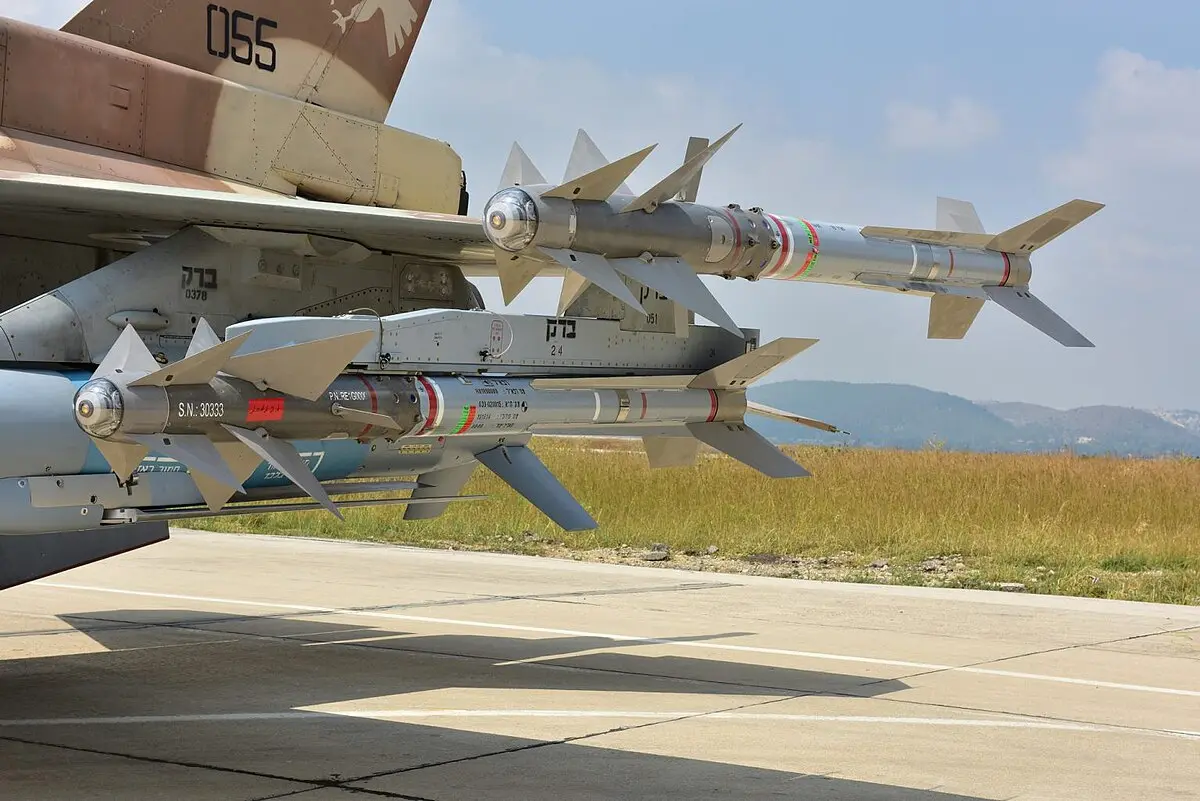
7. Python-5 (Israel) – close-combat dominance
Although not the longest-range missile on this list, the Python-5 is considered one of the most lethal within visual range. Its electro-optical seeker can identify targets in highly cluttered environments, and its high agility enables successful engagements even when fired from extreme off-boresight angles.
Conclusion
Air-to-air missiles now play a larger role than ever in determining the balance of air power. With the continued rise of stealth aircraft, long-range sensors, and network-centric warfare, these weapons are evolving into faster, smarter and harder-to-evade systems. Nations are investing heavily in extended-range and hypersonic variants, ensuring that the future of aerial combat will be defined not by who sees the enemy first, but by who can strike from furthest away with the greatest certainty of success.
)
)
)
)
)