Quantum radar: The tech that could end fighter jet stealth as we know it

Quantum radar could soon spot even the best stealth jets, making them visible in battle. By using entangled photons to spot aircraft that hide from traditional radar, this new tech may end the era of invisible warplanes and change how nations fight and defend their skies forever.
What is Quantum Radar?
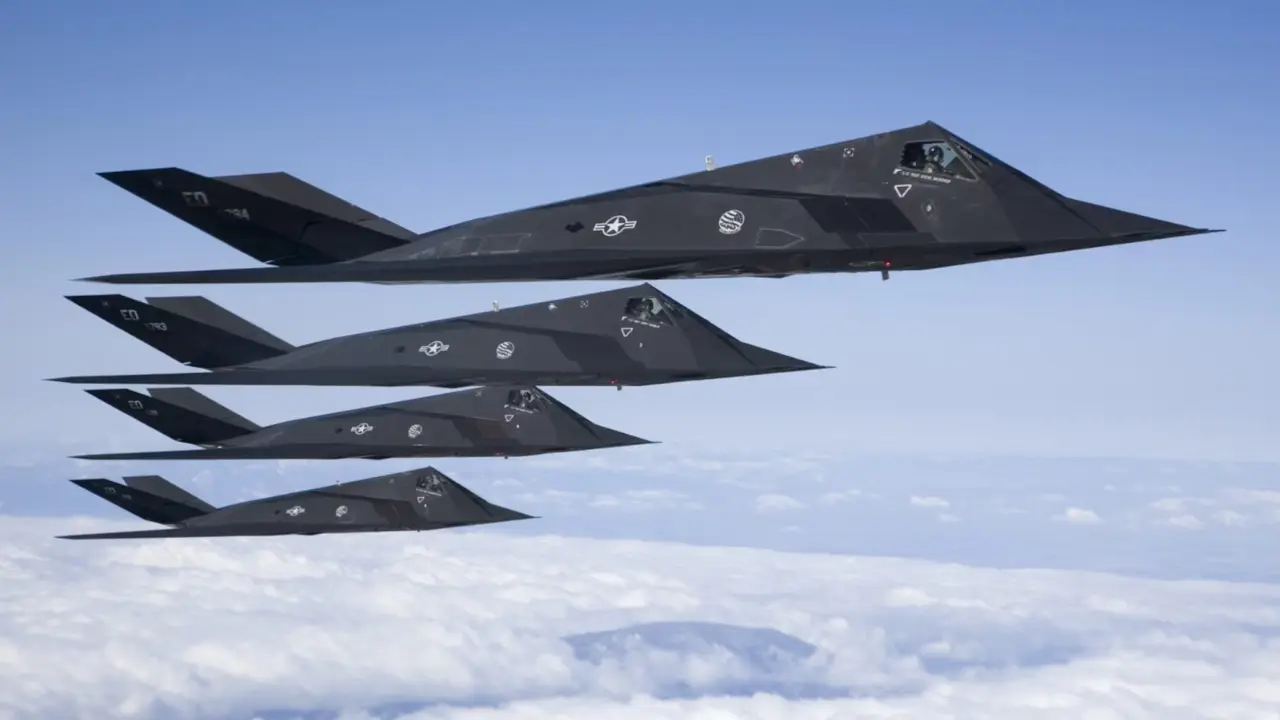
Quantum radar works by using entangled photons tiny particles of light to spot objects, even when those objects try to avoid detection. Unlike standard radar, which sends out a signal and looks for echoes, quantum radar sends out special quantum markers. If these photons interact with an aircraft, their quantum state changes in a way no decoy or jammer can fake.
How Does It Beat Stealth?
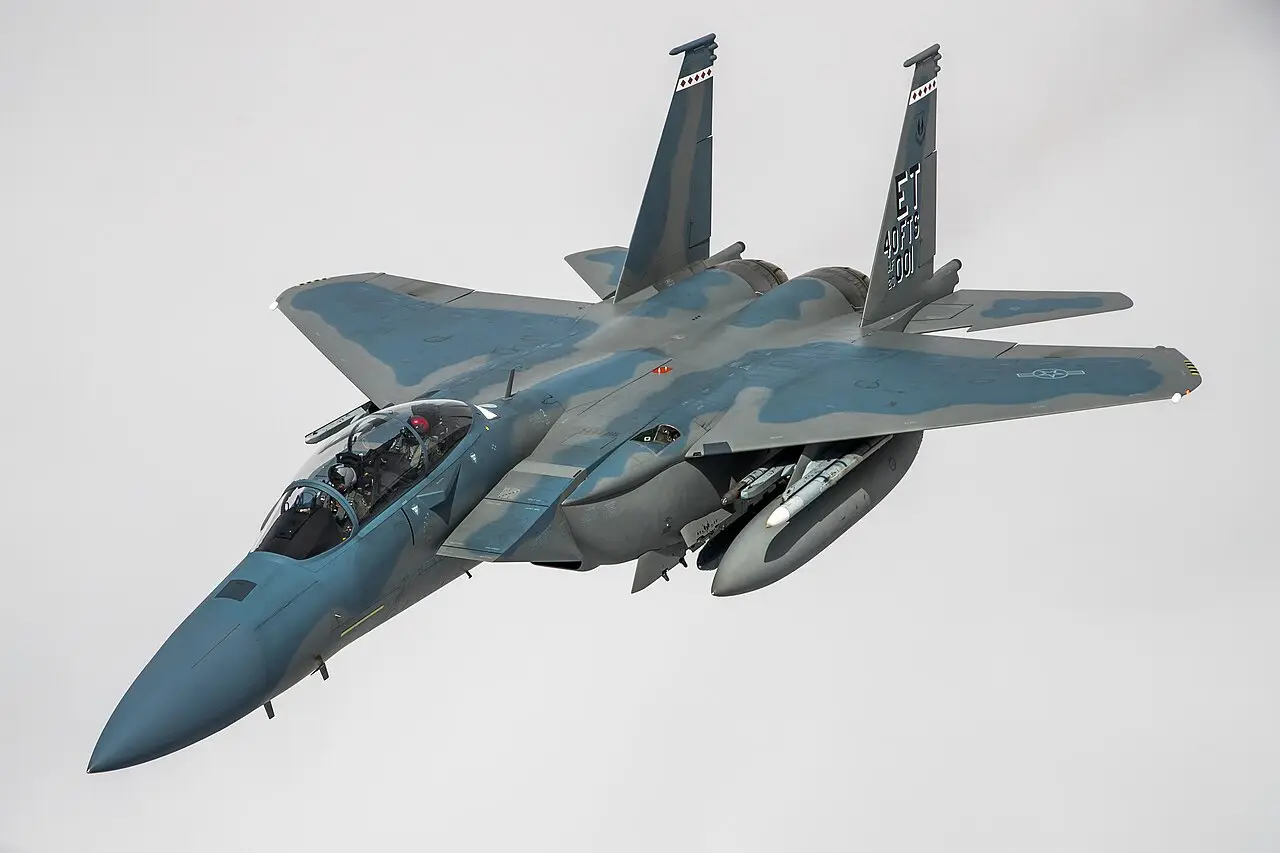
Stealth jets like the F-22 and F-35 are shaped to scatter radio waves and are coated to absorb radar. This tricks traditional radar into missing or underestimating their true location. Quantum radar, though, can detect the change in quantum properties of “returning” photons, even when only a small number bounce back. That means even the best stealth can’t erase all traces a returning photon always has a quantum “signature” that betrays its presence.
How Far Can Quantum Radar See?
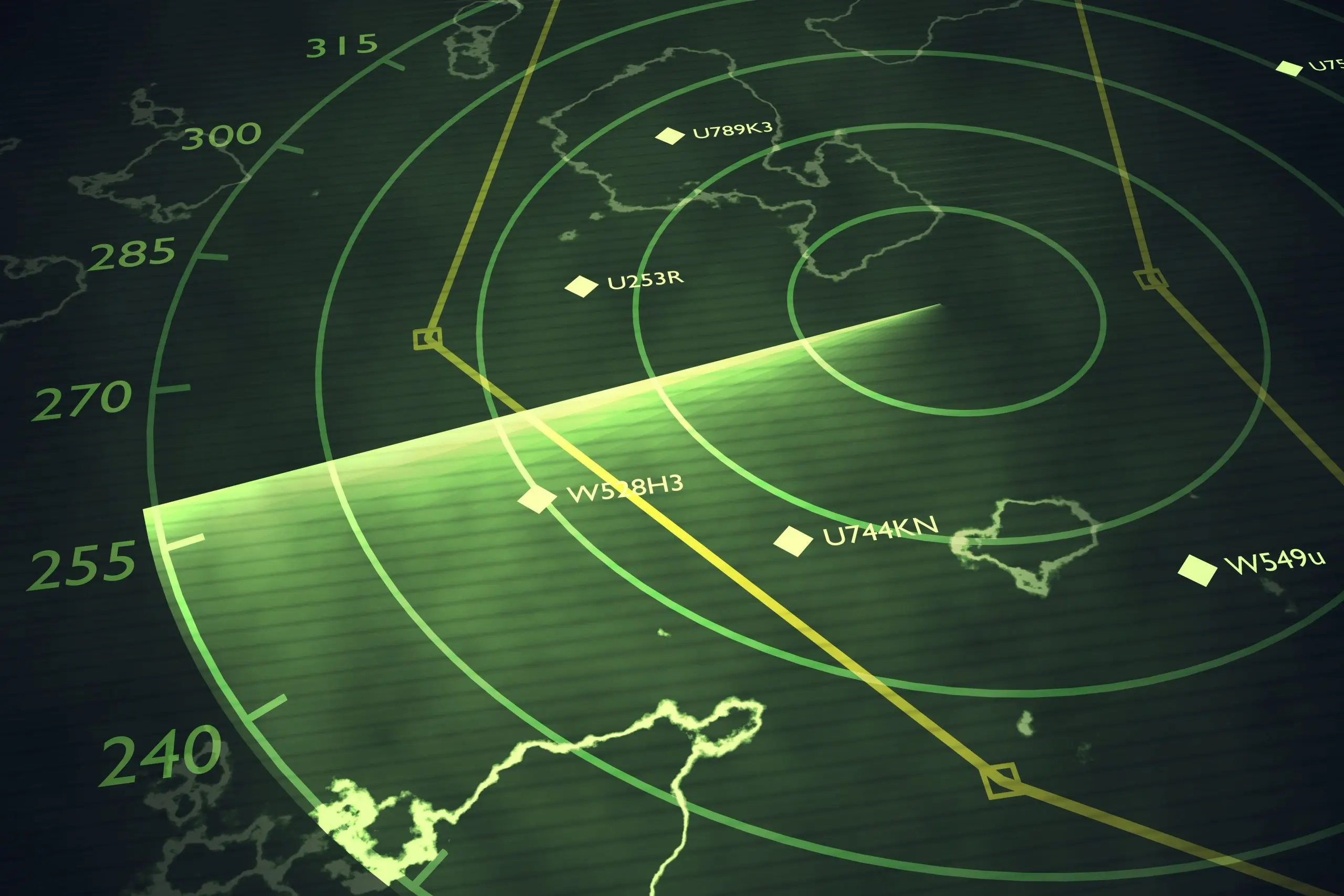
Chinese quantum radar prototypes have claimed to spot stealth targets at up to 100 km (62 miles). New four-channel “photon catcher” detectors can track objects in different directions at once. As technology improves, the operational range and clarity could only get better, making traditional aerial hiding strategies obsolete.
What About Jamming and Decoys?
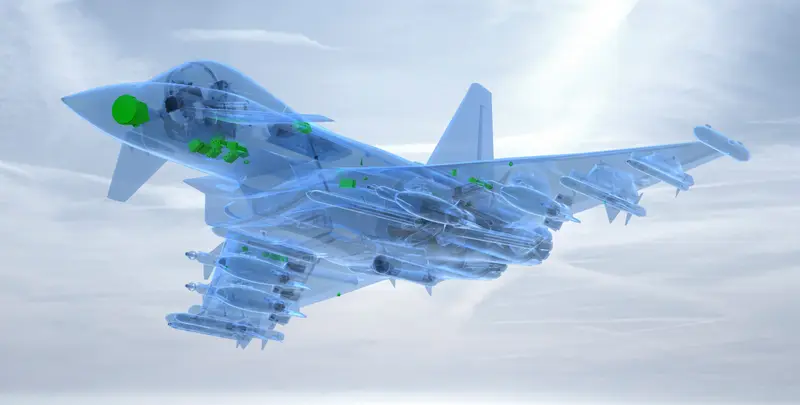
One major advantage is that quantum radar is naturally resistant to electronic jamming and spoofing. Because each photon is unique, any attempt to send back a fake signal or block the radar would break the quantum connection alerting defenders that something is wrong. This makes it far harder for stealth jets to use electronic tricks to survive.
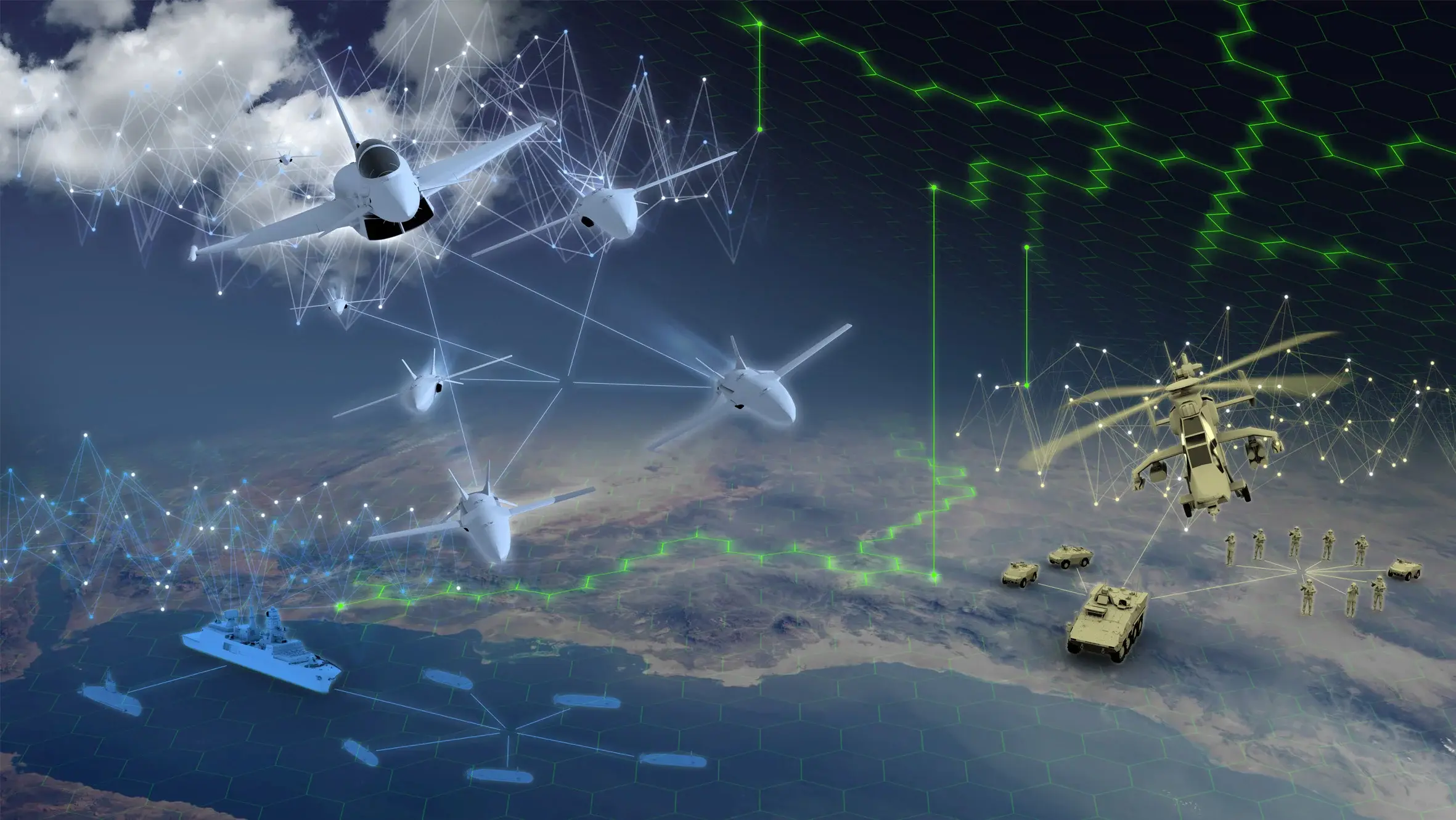
Future Air Defence Networks
If widely deployed, quantum radars could network across satellites, drones, ships, and ground stations, creating a seamless “quantum sensor net” watching every angle of the sky. With low power needs and high sensitivity, these systems might spot jets, cruise missiles, or even hypersonic threats by their smallest quantum disturbance.
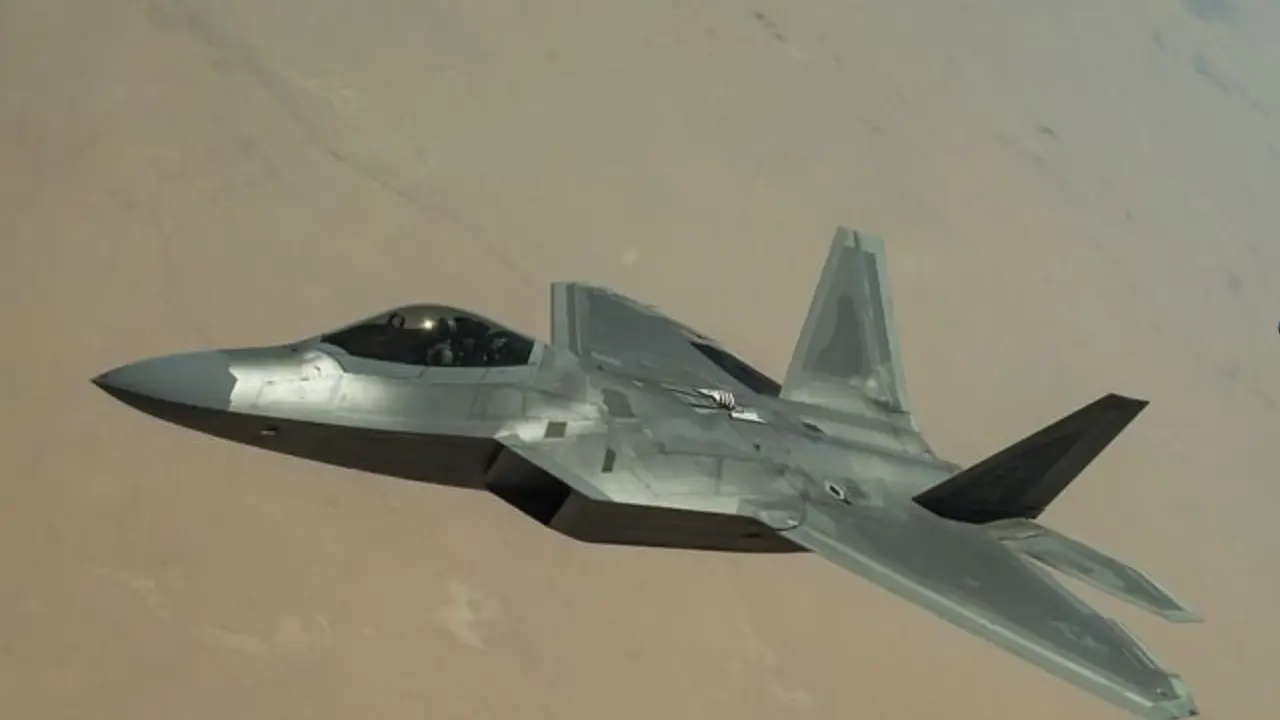
The Stealth - Detection Arms Race
A world full of quantum sensors could mean stealth jets may need to rely more on speed, agility, advanced countermeasures, or digital warfare. Aircraft designers might shift from just shaping and coating jets for stealth to focusing on disrupting quantum detection actively a new layer in the arms race.
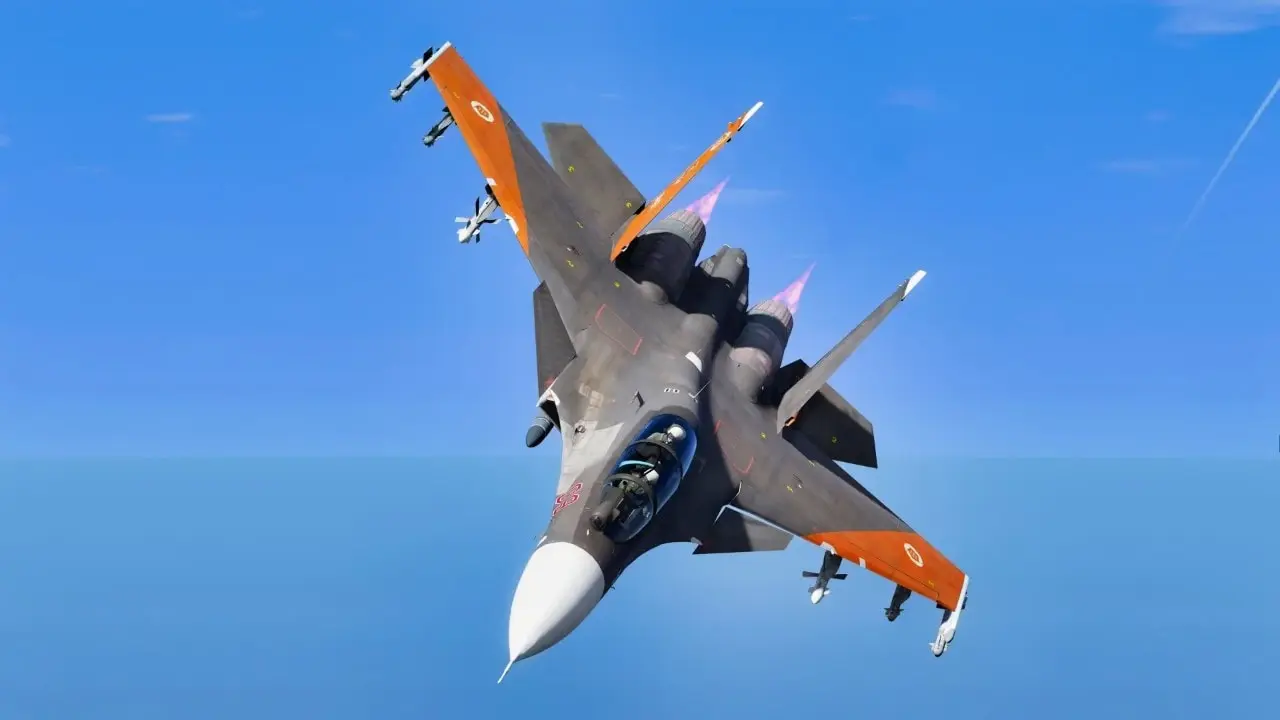
Can Quantum Radar Really End Stealth?
While the promise is huge, experts caution quantum radar still faces engineering and real-world hurdles, like range, weather effects, and battlefield use. Many field trials are ongoing, especially in China, but a true “stealth killer” quantum radar on the battlefield has yet to be fully proven. Still, the technology is advancing and its widespread use would change military strategy for good.
)
)
)
)
)