QS Asia Rankings 2026: Top 10 universities in India on the Asian map

The QS Asia University Rankings 2026 has come up with the list of the Universities which has topped in Asia. The list ranked from the highest to lowest, placing different Universities at different positions based on academic and research. Let's have a look at the top 10 Indian Universities.
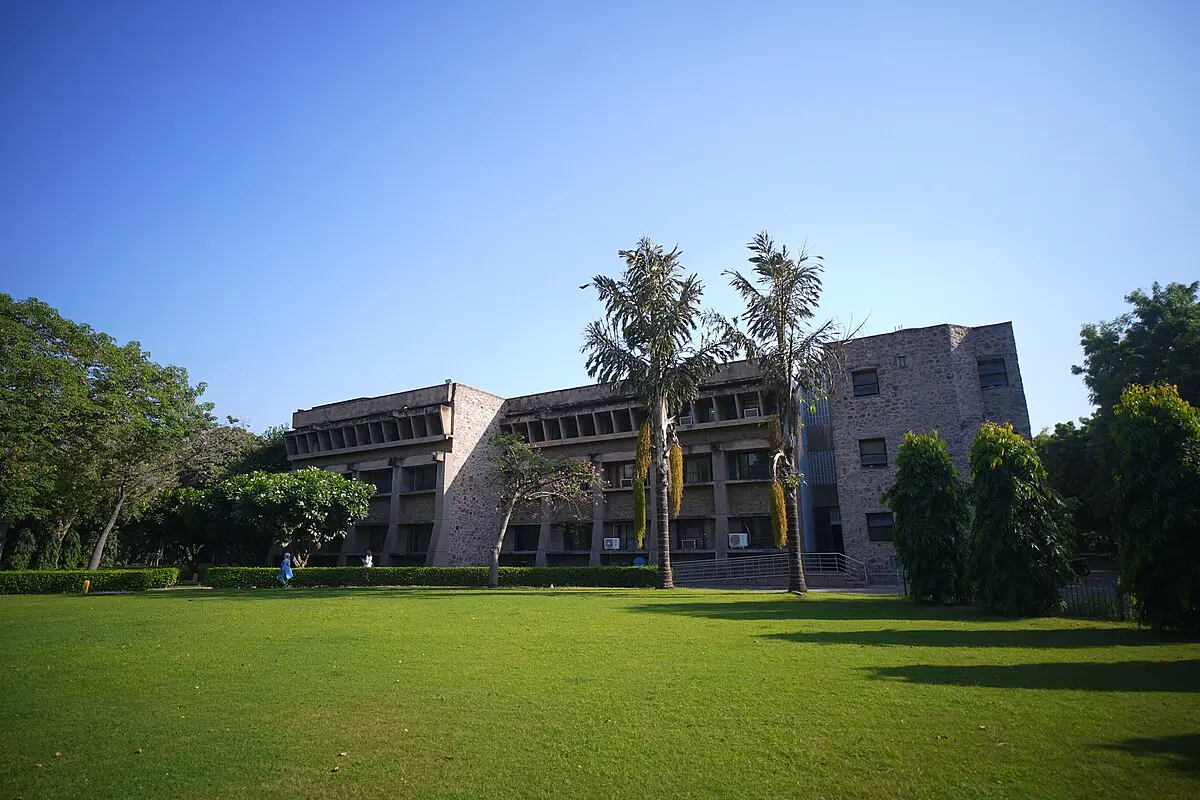
1. University of Delhi (DU), Delhi
Ranked 95th in Asia, DU remains India’s highest-ranked Central University. The institution excels in academic and employer reputation, staff qualifications, and international research collaboration. DU offers diverse undergraduate and postgraduate curricula, attracting talent nationwide. Its focus on innovation, inclusivity, and impactful research reflects its collective commitment to academic excellence and global engagement.
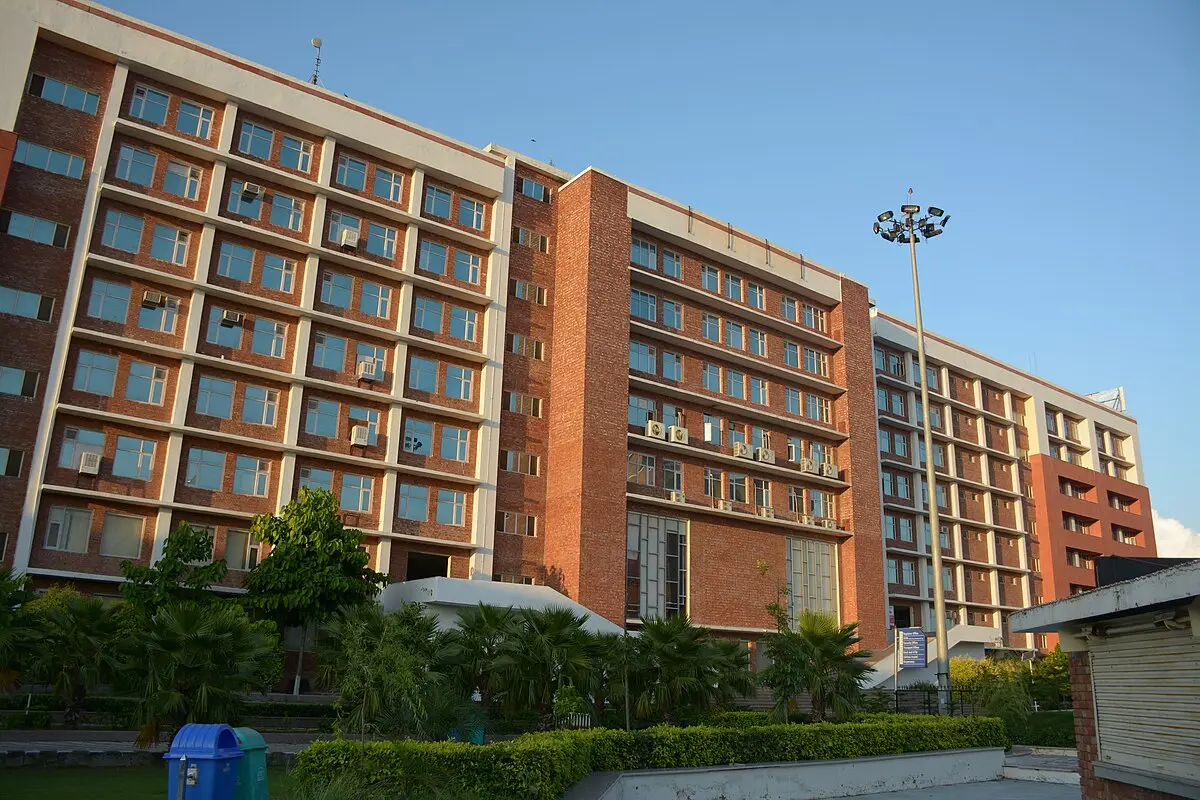
2. Chandigarh University
Along with an impressive 109th overall rank in Asia, Chandigarh University clinched the first position among all the Private Universities in India at the QS Asia University Rankings 2026. This consistent rise for more than five consecutive editions underscores the expanding presence and recognition of the University across Asia’s higher education landscape.

3. Jawaharlal Nehru University (JNU), Delhi
Positioned at 130th in Asia, JNU is renowned for its liberal arts and interdisciplinary approach, ranking 2nd in India. The university fosters critical thinking, social engagement, and advanced research, especially in the humanities and social sciences. JNU’s campus culture encourages debate and progressive thought, and the institution regularly features among India’s elite for academic productivity and intellectual leadership.

4. O. P. Jindal Global University (JGU)
The government recognises it as an Institution of Eminence which offers a wide range of undergraduate, postgraduate, and doctoral programs across 12 schools. Known for its interdisciplinary approach, global engagement, and high faculty-to-student ratio, JGU has been ranked 160th in Asia and the fourth University in India.

5. Amity University, Noida
Amity University ranks 187th in Asia and 5th in India as per the QS Asia University Rankings 2026. It has shown consistent growth in research and academics, with notable programs in management and technology. Amity University Kolkata made a debut in QS Asia Rankings with a rank of 249 in Southern Asia, highlighting regional progress.

5. Lovely Professional University (LPU)
LPU has significantly improved in the QS Asia University Rankings 2026, rising from 226th to 187th rank overall in Asia. With strong international research collaborations, it has earned the 56th rank in Asia for International Research Network. LPU’s commitment to infrastructure and global partnerships underpins its rise. With Amity University, it also secures the same spot among the top universities in India based on the new ranking in Asia.

6. Jamia Millia Islamia
Jamia Millia Islamia slipped slightly from 188th to 197th rank in the QS Asia University Rankings 2026 after a previous rise. Despite the setback, it remains among India’s top universities, known for its focus on diversity, research collaboration, and scholarship initiatives. It faces challenges but aims to regain upward momentum.

7. Symbiosis International (Deemed University)
Symbiosis International improved its ranking in the QS Asia University Rankings 2026 to 200th from 216th in 2025. It ranks 23rd in India and is recognised for strong employer reputation and academic programs. Globally, it appears in the 601-800 band and is noted for research and graduate employability.

8. Anna University Chennai
Anna University is ranked 204th in the QS Asia University Rankings 2026 with a strong academic and research presence in engineering and technology disciplines. It holds an 8th rank in India and continues to grow its influence in science and innovation through quality education and industry engagement.

9. Manipal Academy of Higher Education, Manipal, Karnataka,
Manipal Academy of Higher Education (MAHE) is ranked in the 206 in the QS Asia University Rankings 2026. It is recognised as one of India's top private universities with notable improvements in research quality, teaching, industry engagement, and international outlook. MAHE's performance highlights its growing global reputation and strengthened research ecosystem.

10. Savitribai Phule Pune University, Pune
Savitribai Phule Pune University is ranked 207th in the QS Asia University Rankings 2026, though it experienced a drop from its 173rd position in 2025. The university scored well in faculty-student ratio and papers per faculty, but faces challenges with academic reputation. Despite setbacks in NIRF rankings, it remains a significantly higher education institution in India.
)
)
)
)
)