Psycho at 65: 8 surprising facts about Hitchcock’s masterpiece

Director Alfred Hitchcock’s horror masterpiece turns 65. To celebrate this milestone, here are seven little-known facts about Psycho that might just make you see the classic in a whole new light.
Psycho at 65: 8 surprising facts about Hitchcock’s masterpiece
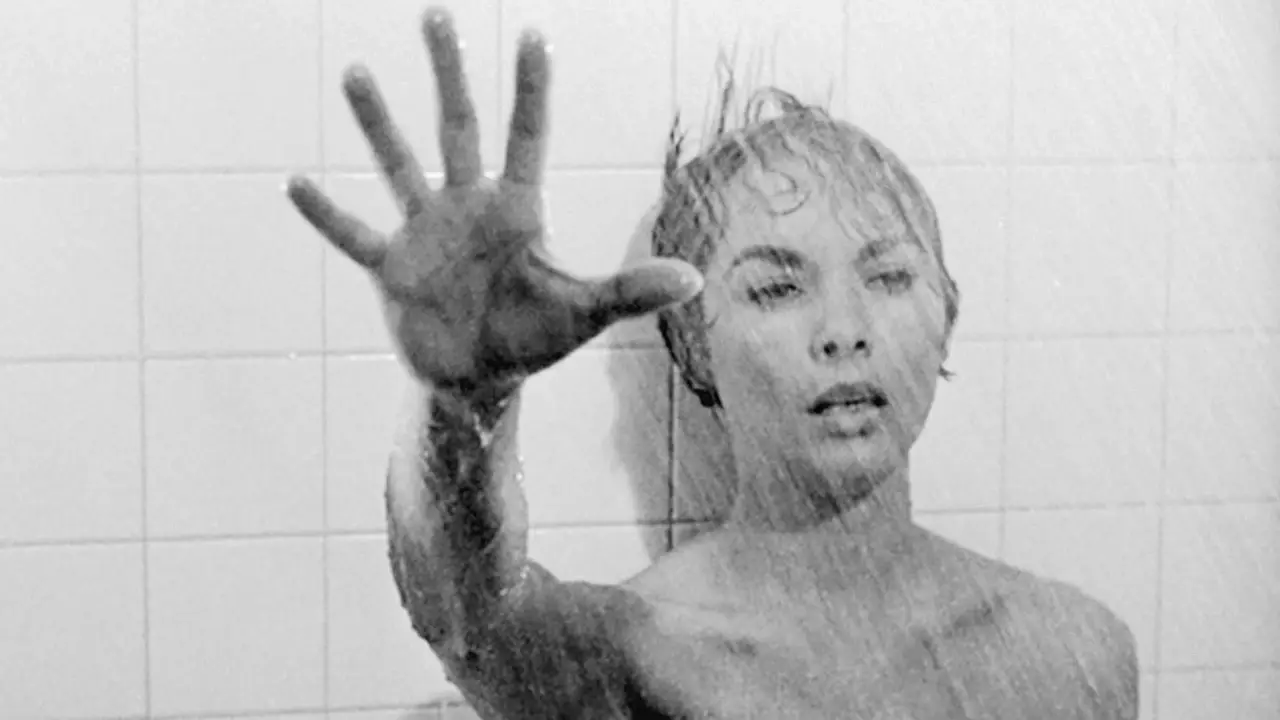
This year marks the 65th anniversary of Alfred Hitchcock’s Psycho, the groundbreaking thriller that redefined horror cinema and left audiences shocked, terrified, and unable to take showers the same way again. Released in 1960, the film not only became one of Hitchcock’s most iconic works but also a landmark in movie history, influencing generations of filmmakers.
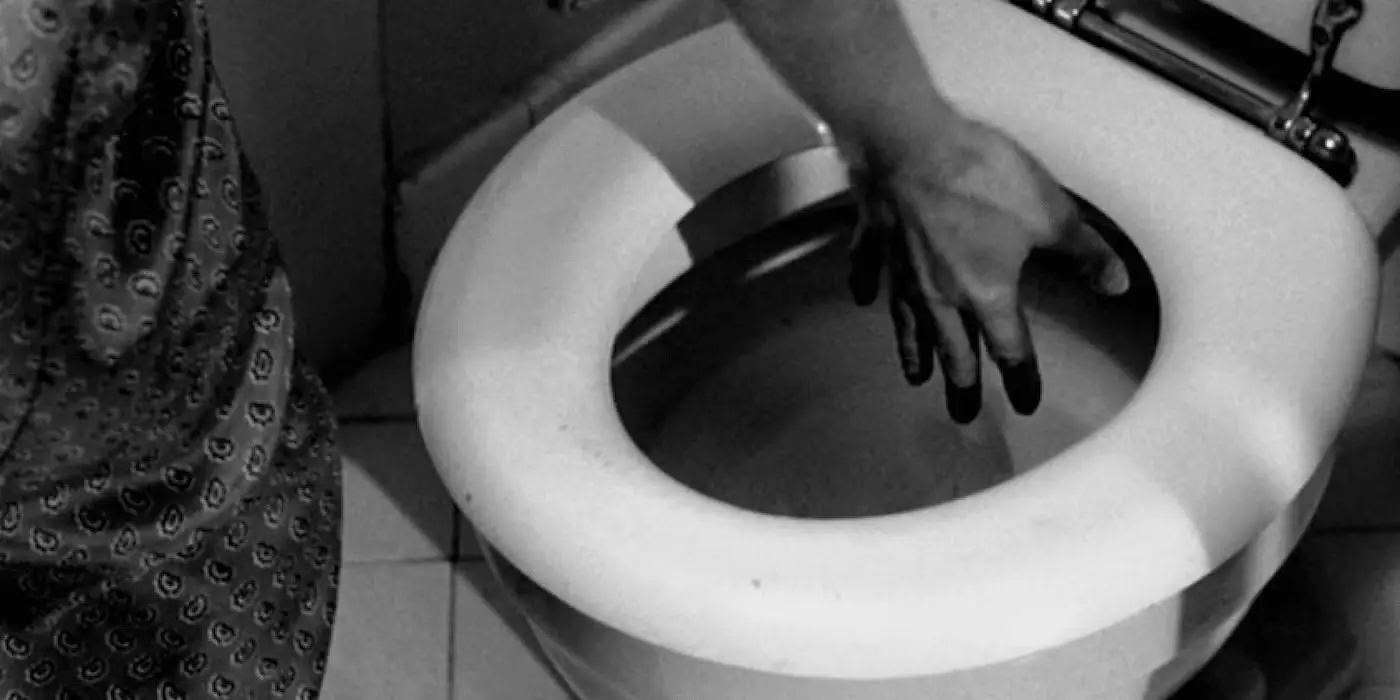
Flushing taboos
Psycho was among the first mainstream films to show a toilet flushing on screen, a seemingly small detail that caused quite a stir with 1960s viewers.
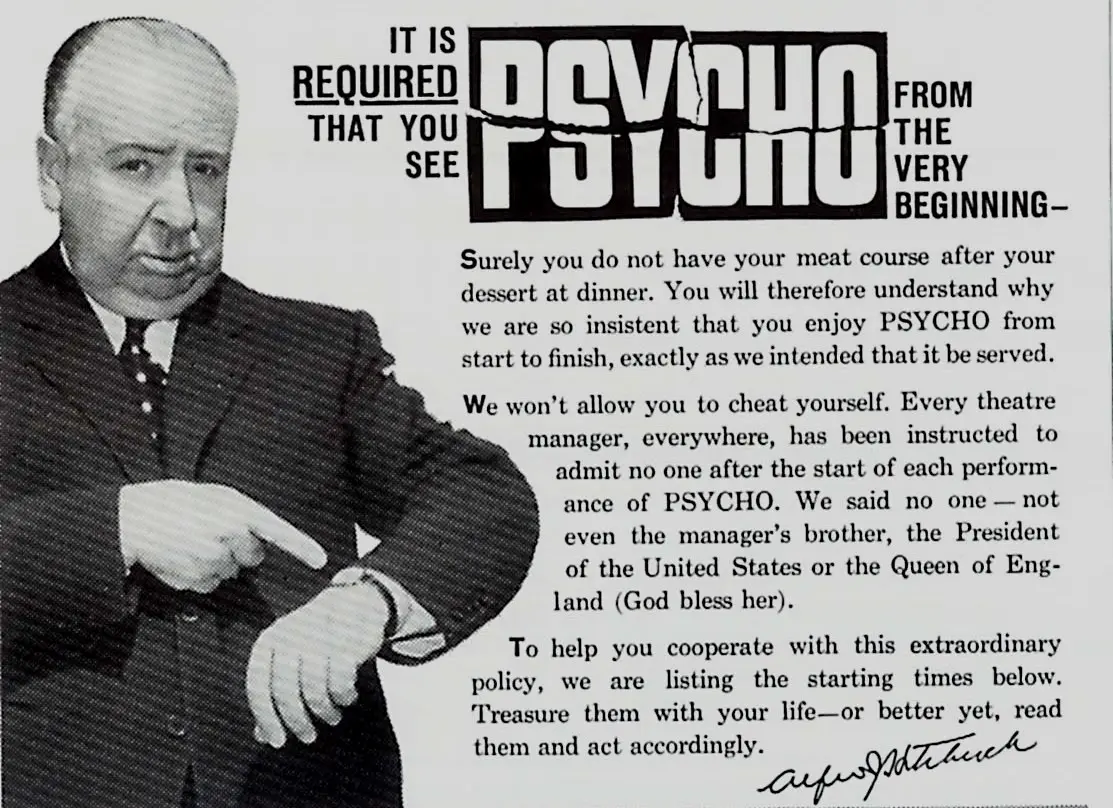
No latecomers allowed
Hitchcock insisted that theatres refuse admission to latecomers, heightening the tension and ensuring everyone experienced the film from the very start.
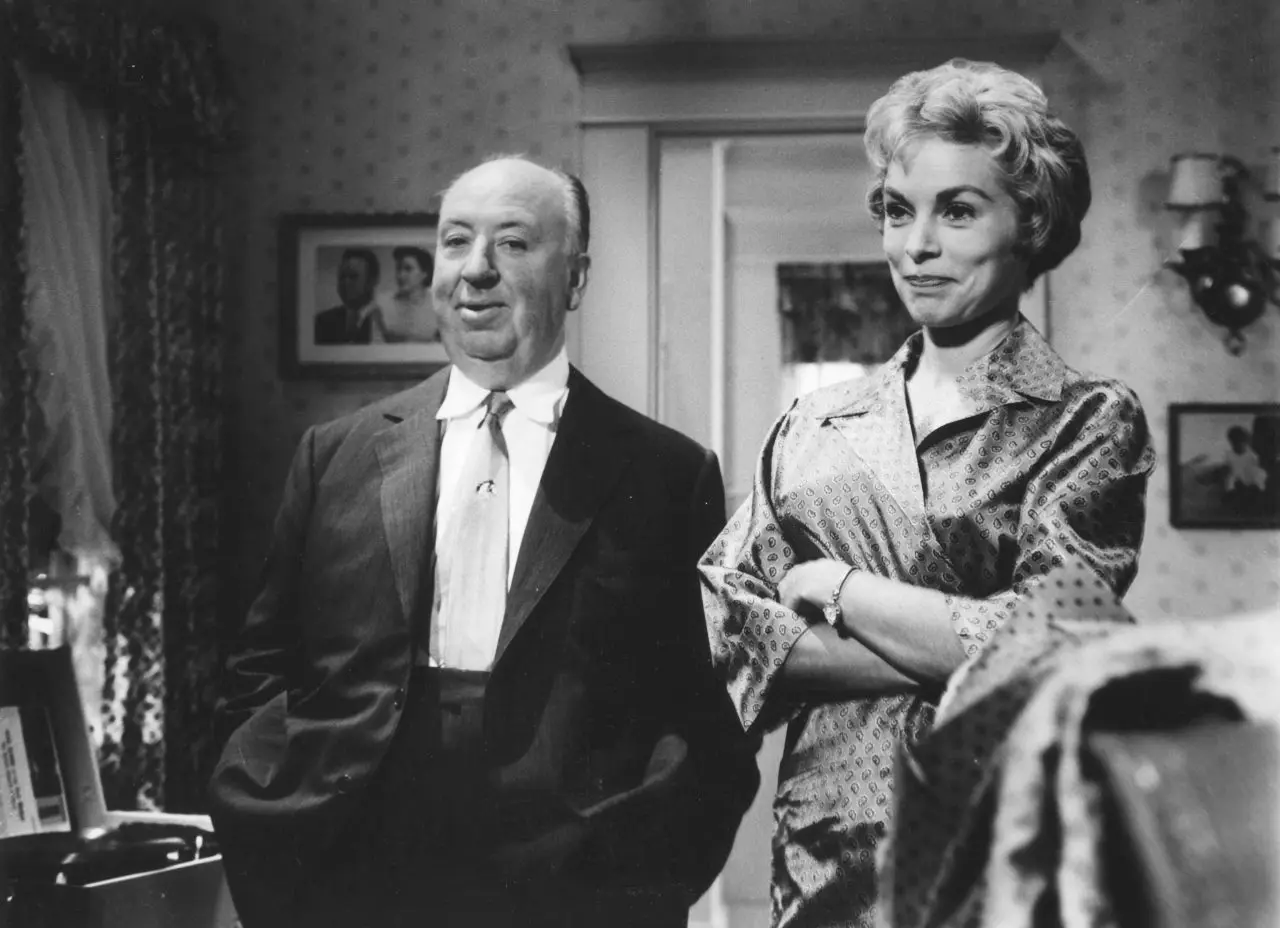
Hitchcock’s secretive strategy
To keep the film’s plot under wraps, Hitchcock bought up as many copies of Robert Bloch’s novel as possible before the movie’s release, ensuring audiences had no way to spoil the shocking ending.
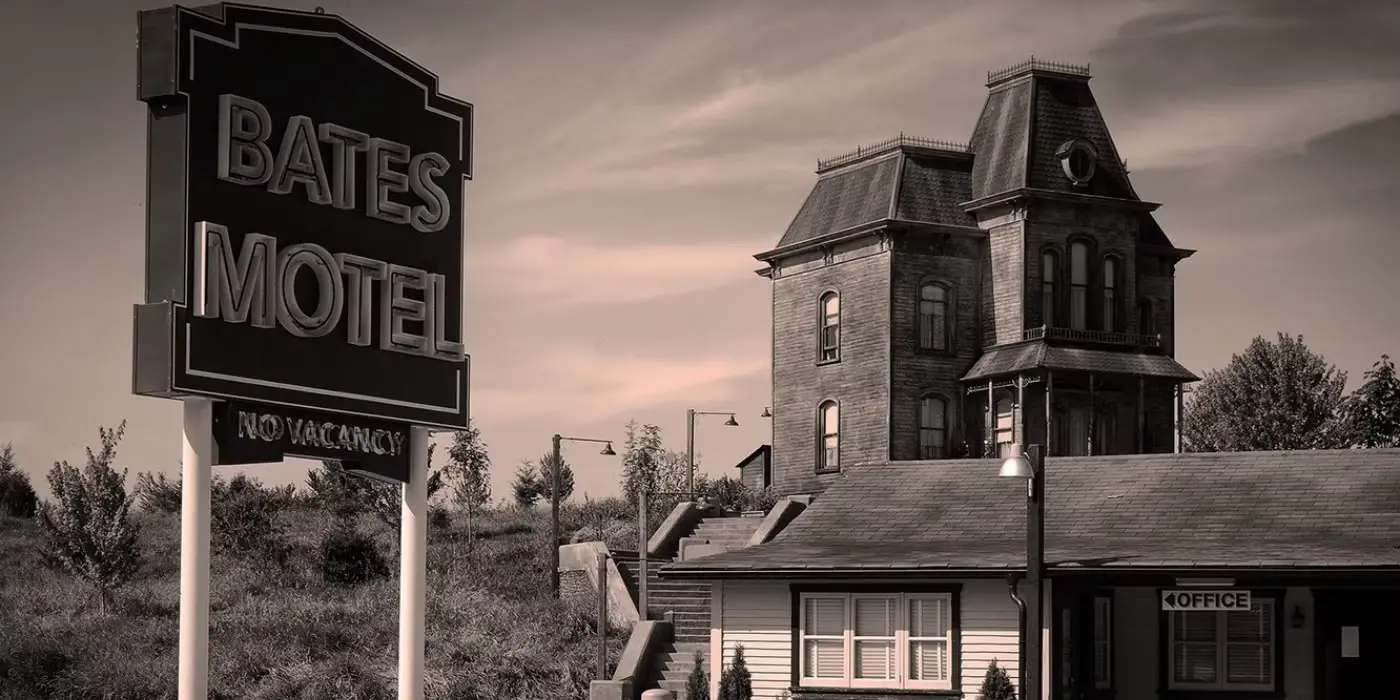
The Bates Motel lives on
The eerie Bates house facade was so iconic that it was preserved and still stands today on the Universal Studios backlot, a testament to the film’s lasting impact.
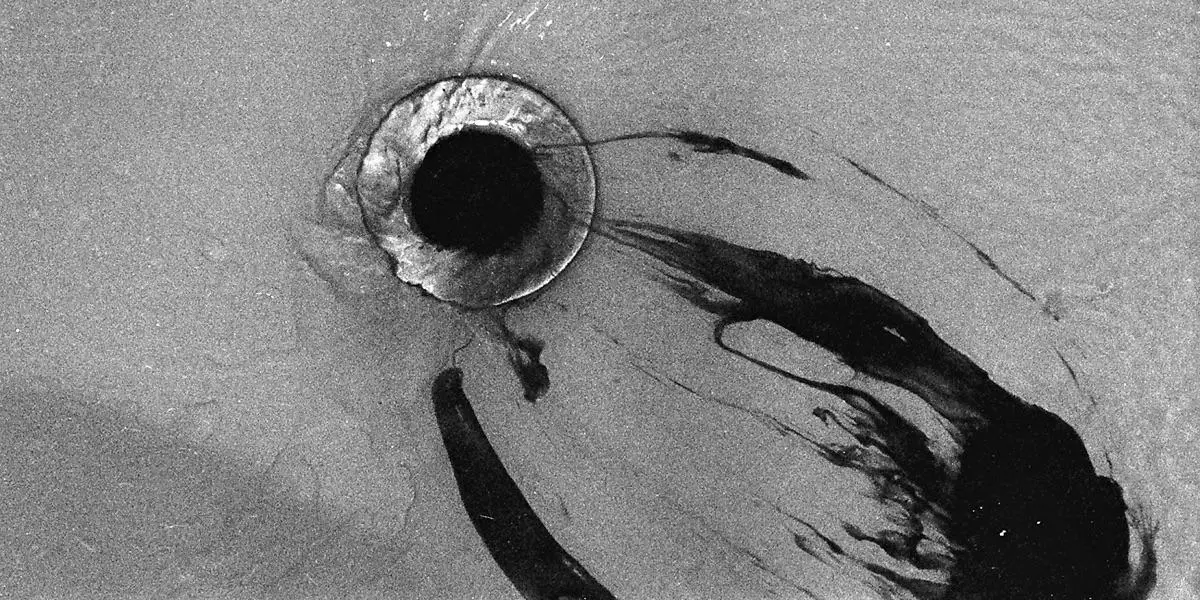
The “Blood” was actually chocolate syrup
Filming in black and white meant Hitchcock could experiment with textures. Bosco chocolate syrup was chosen for its thick, convincing look, and it swirled disturbingly well down the drain
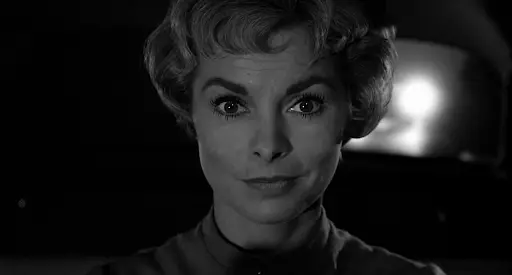
Janet Leigh avoided showers for the rest of her life
After filming Psycho, Janet Leigh admitted she preferred baths, and if she had to take a shower, she always locked the door, pulled the curtain back, and kept one eye on the bathroom entrance.
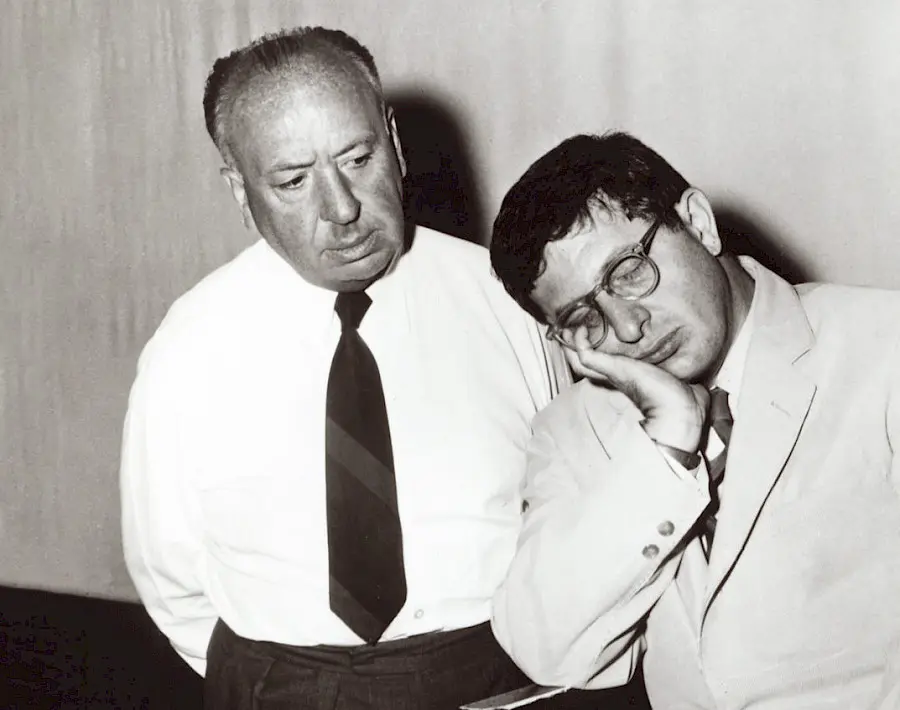
Bernard Herrmann fought for the screeching violins
Hitchcock initially wanted the shower scene to be silent, but composer Bernard Herrmann convinced him to use his now-famous string score. The piercing violins became one of the most recognisable sounds in cinema history.
)
)
)
)
)