Remembering Prince Philip: Lesser-known facts about the Duke of Edinburgh


Born in Greece
He was born in Corfu in 1921 - the only son of Prince Andrew of Greece and Princess Alice of Battenberg. However, the family was exiled during his childhood. Eventually, Philip moved to Britain to live with relatives, while his father went to Monaco and his mother to Switzerland.

Multilingual person
The Duke of Edinburgh was multilingual – he was Greek by nationality and has lived much of his life in Britain and could speak French fluently.

First royal TV interview
The pioneering prince presented his own show in 1957, gave the first royal TV interview in 1961 and let in the cameras for a 1969 documentary that transformed how the world saw the Windsors.

Revered as a god
The prince is revered as a god in a village on the island of Tanna. The cult grew when he appeared in person in 1974. They had exchanged gifts and pictures.

The Navy man
He was mentioned in despatches for his role in winning the 1941 Battle of Cape Matapan, Italy's worst naval defeat. He was in Tokyo Bay for the Japanese surrender.

Sportsperson
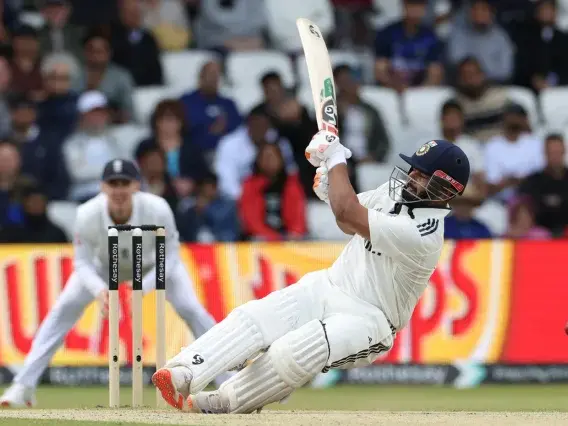
He captained his school cricket and hockey teams and opened the 1956 Melbourne Olympics. A keen yachtsman, he played polo and led the International Equestrian Federation from 1964 to 1986. He captained an England cricket XI in 1949.

Warning to Prince Charles
Prince Charles was given a stern word of warning from his father Philip before committing to marry Princess Diana. He warned his son that he should either propose to his girlfriend or end the relationship.

A creative man
The Duke was a very creative man, especially when it comes to jewellery. He repurposed his mother’s tiara to create the Queen’s engagement ring and wedding bracelet.

Prolific author
Prince Philip was a prolific author and over the years had written several books on environmentalism, horses, and other animal subject. The long list includes, Selected Speeches 1948-1955 (1957); Birds from Britannia (1962); Down to Earth (1988); and Survival or Extinction: A Christian Attitude to the Environment (1989).
)
)
)
)
)