Possible or not: Can fighter jets run on CNG?

Fighter jets cannot run on CNG due to its low energy density and need for massive, heavy pressurised tanks. Using gas would destroy the jet's aerodynamics, thrust-to-weight ratio, and make mid-air refuelling a dangerous engineering impossibility.
The Kerosene Standard
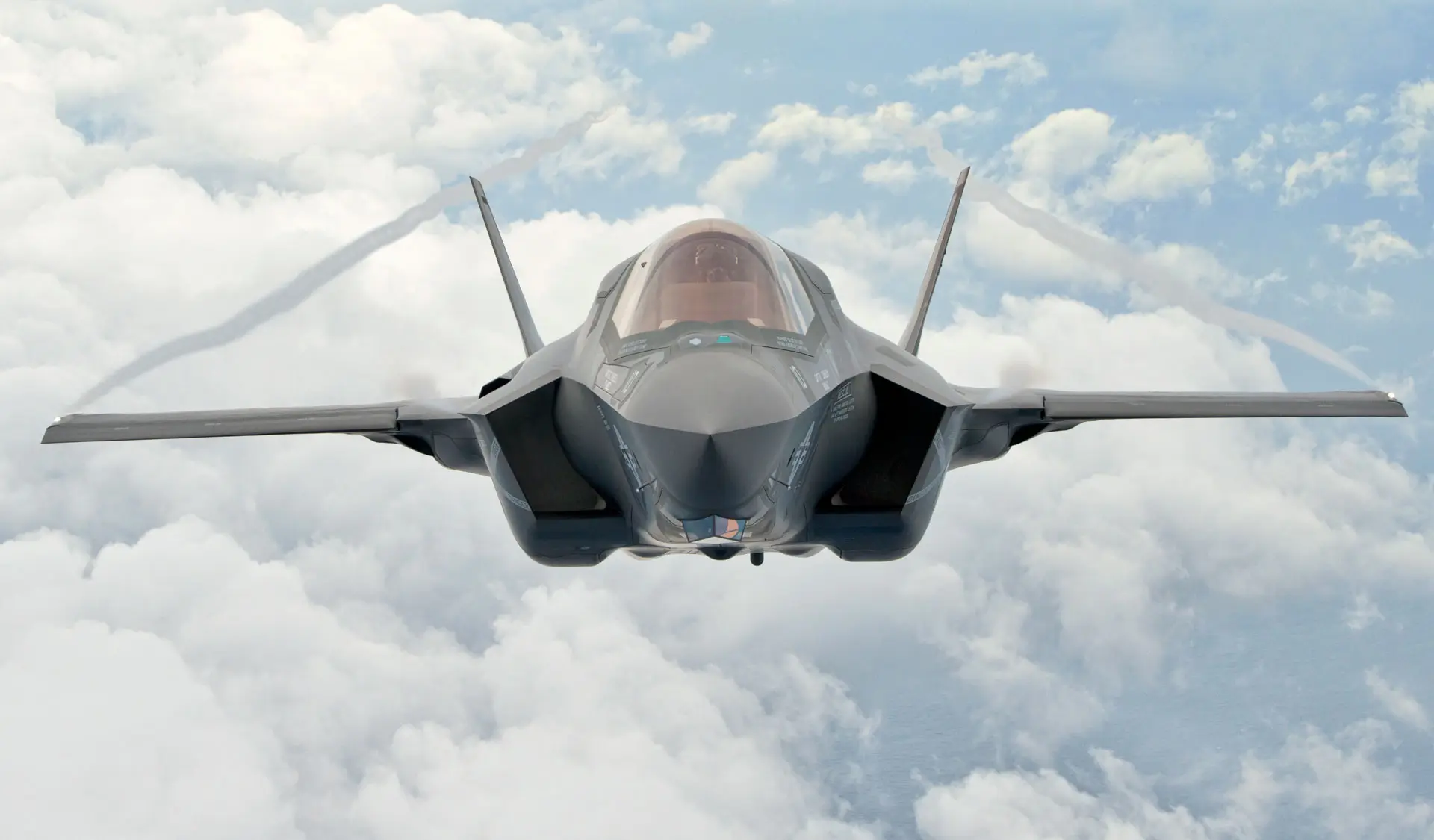
Fighter jets rely exclusively on highly refined kerosene-based liquids like Jet A-1 or JP-8 to achieve supersonic speeds. While Compressed Natural Gas (CNG) works well for urban civilian vehicles, the extreme aerodynamic physics of military aviation make it completely useless.
The Volume Problem
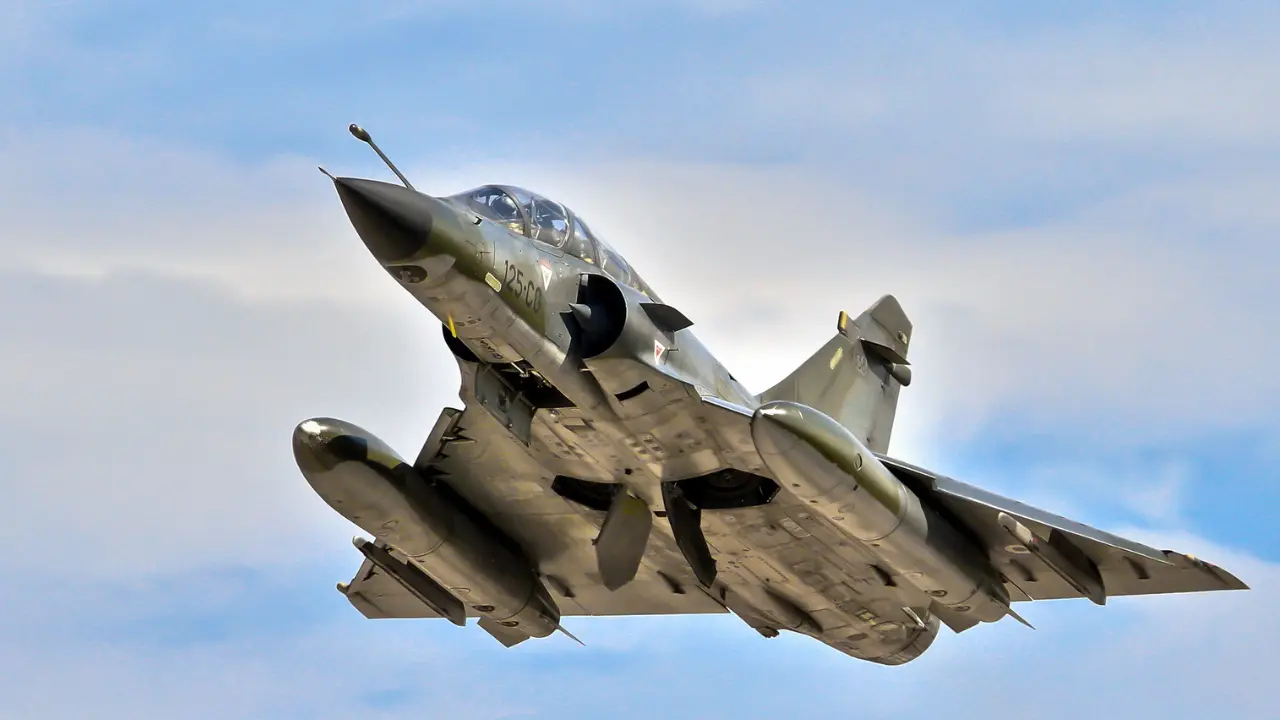
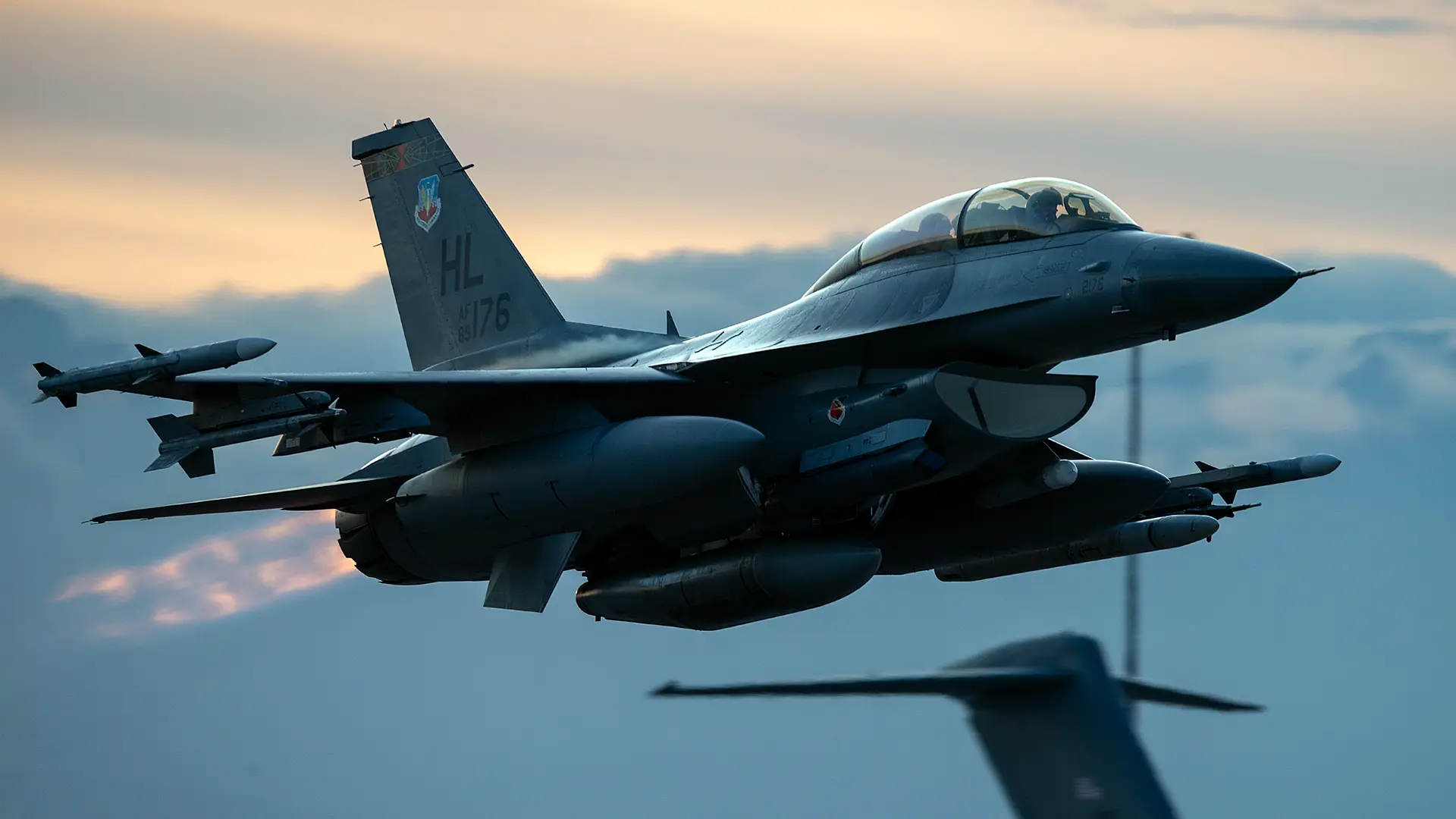
CNG possesses a terrible volumetric energy density compared to liquid aviation fuel. To achieve the exact same combat range as a standard F-16 interceptor, a jet running on CNG would require fuel tanks roughly four times larger than its current airframe.
The Weight of Pressure
Unlike liquid kerosene stored in flexible, lightweight wing bladders, CNG requires massive, thick-walled cylindrical tanks built to withstand 3,600 pounds per square inch of pressure. This extreme structural weight would completely destroy the fighter jet's vital thrust-to-weight ratio.
Aerodynamic Disaster
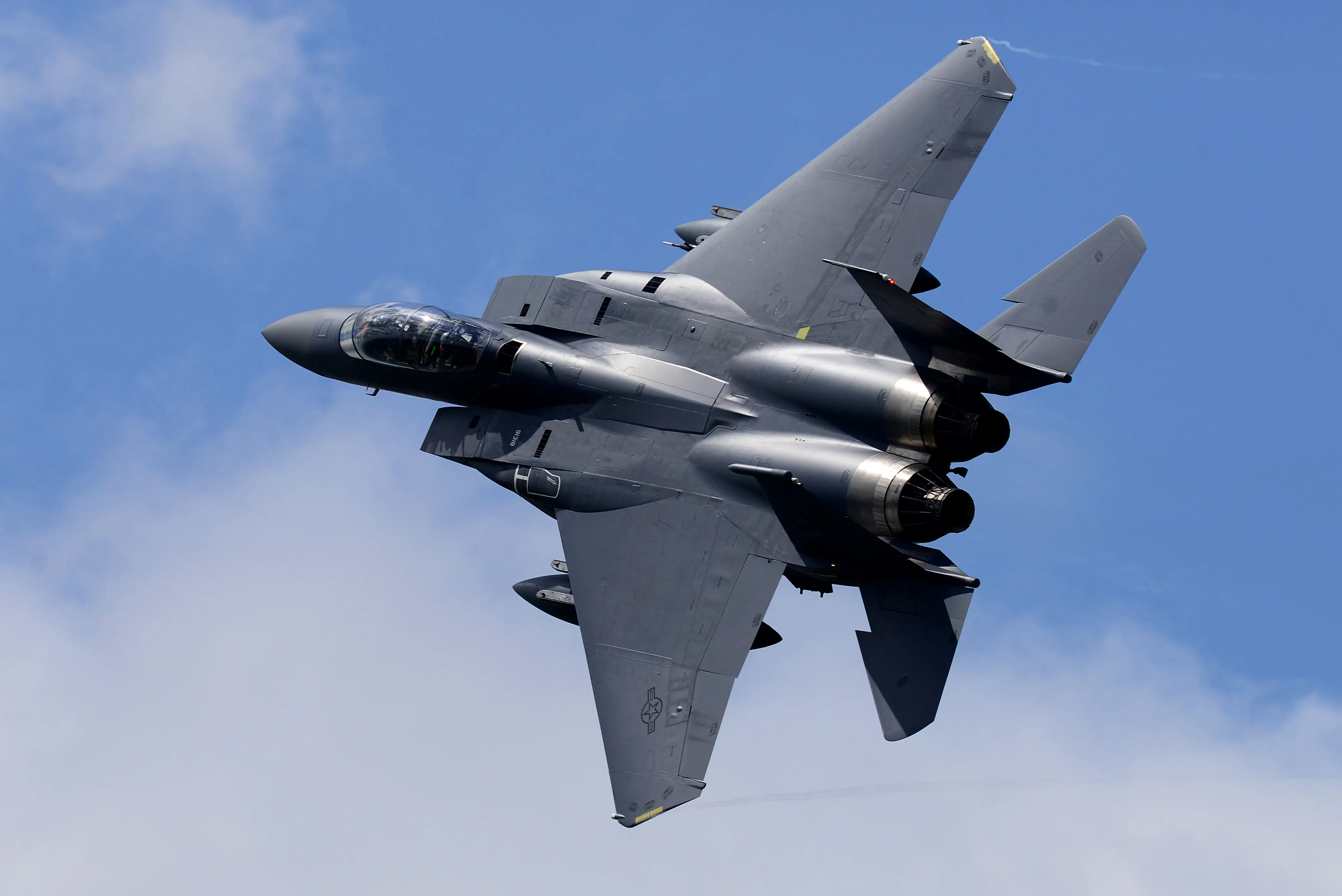
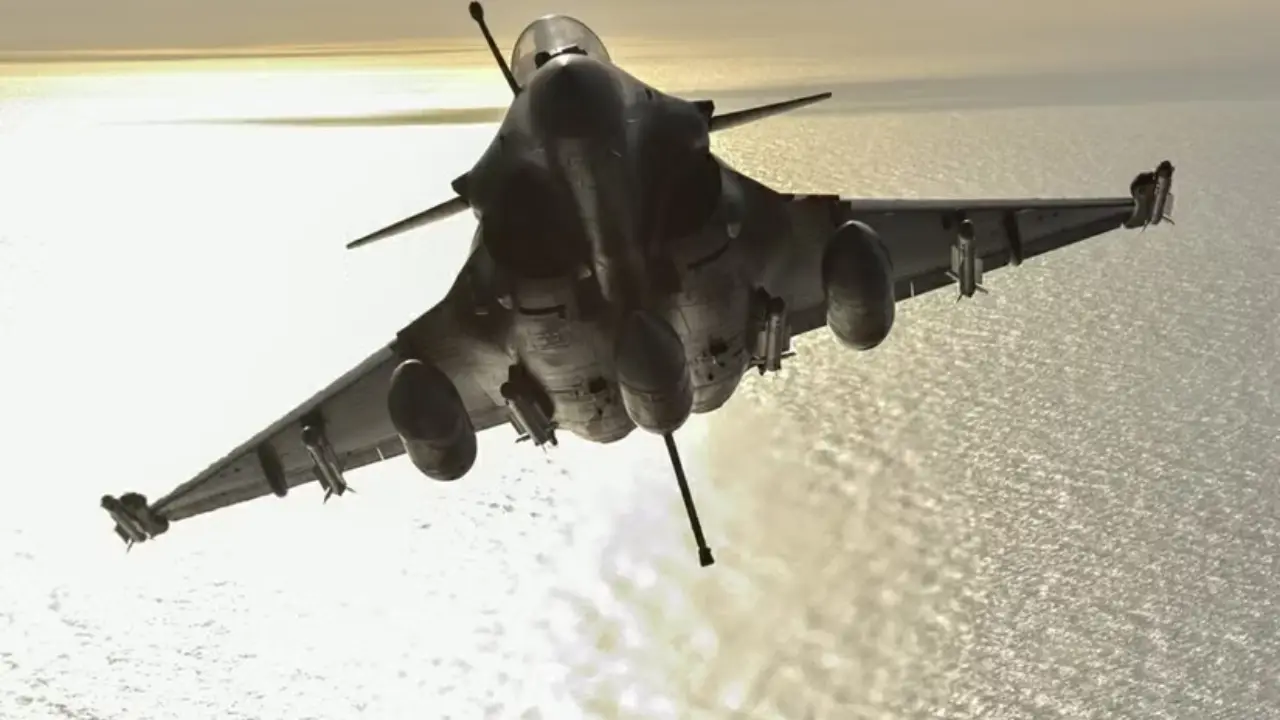
Strapping massive, pressurised gas cylinders to a sleek, USD 80 million fifth-generation fighter is an aerodynamic impossibility. The bloated airframe would generate massive atmospheric drag, instantly erasing the aircraft's stealth profile and preventing it from breaking the sound barrier.
Mid-Air Refuelling Fails
Modern air forces rely heavily on mid-air refuelling to project global military power. While pumping liquid jet fuel between two aircraft at 400 miles per hour is standard procedure, safely transferring highly pressurised CNG mid-air remains an unresolved engineering nightmare.
Combustion Chamber Physics
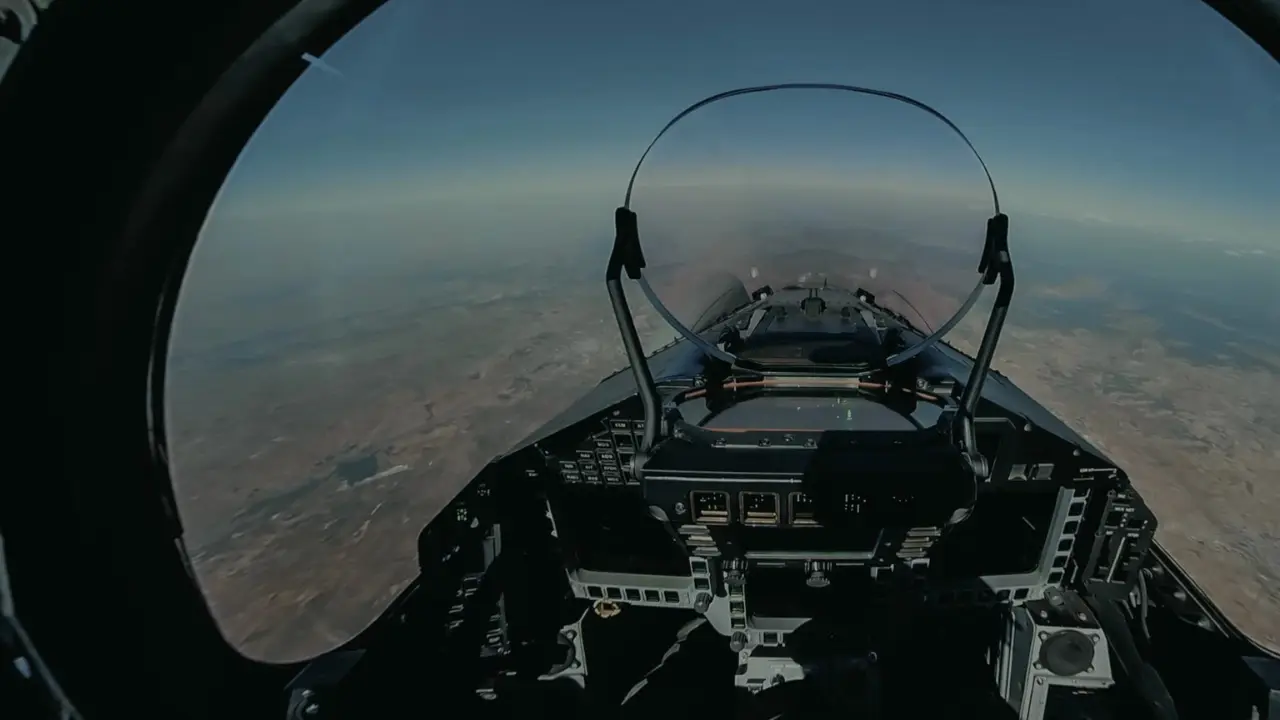
Military turbofan engines are specifically engineered to atomise heavy liquid hydrocarbon chains under extreme heat and compression. Feeding gaseous CNG into these multi-million dollar turbines would cause catastrophic thrust fluctuations, potentially triggering immediate mid-air engine stalls.
The Altitude Freeze
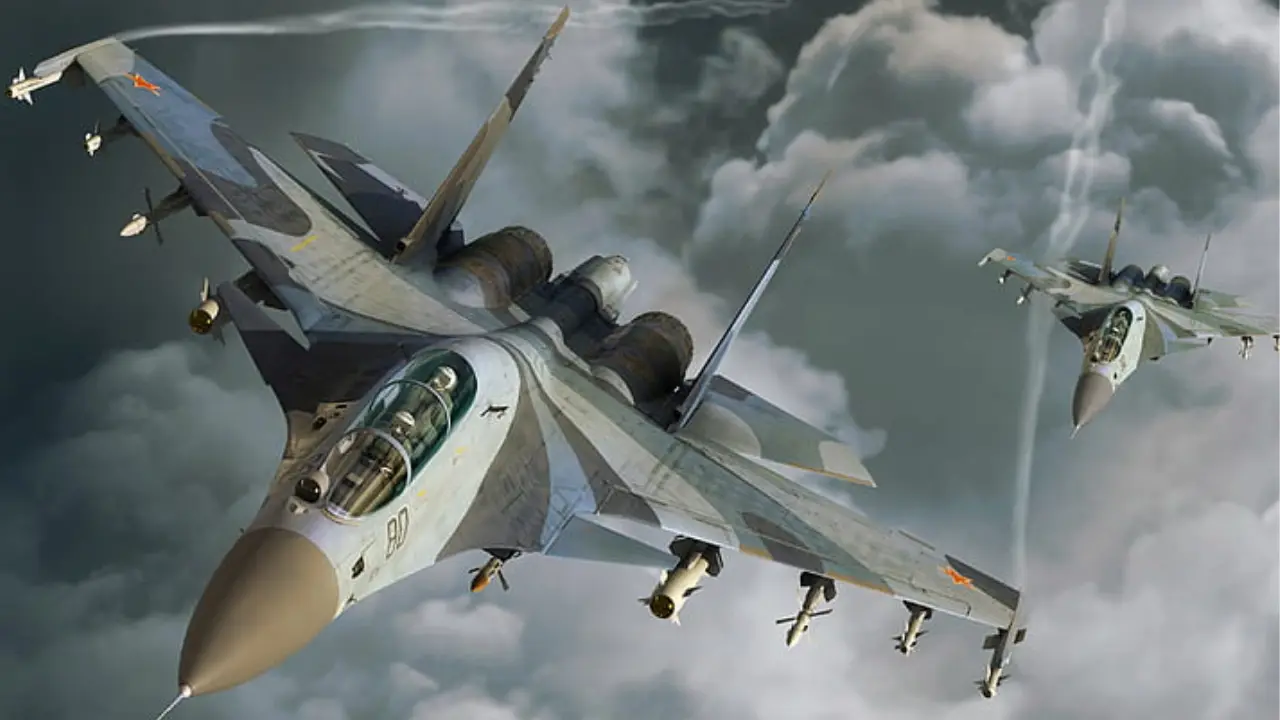
At 40,000 feet, external atmospheric temperatures routinely plummet to minus 50 degrees Celsius. Managing the pressure and flow dynamics of gaseous CNG under these extreme stratospheric conditions introduces lethal freezing risks that liquid aviation fuels completely avoid.
)
)
)
)
)