Possible or not: Can a helicopter drop a nuclear bomb?

Helicopters are versatile and powerful, but can they really drop a nuclear bomb like a jet or bomber? Let's explore the facts, history, and risks behind.
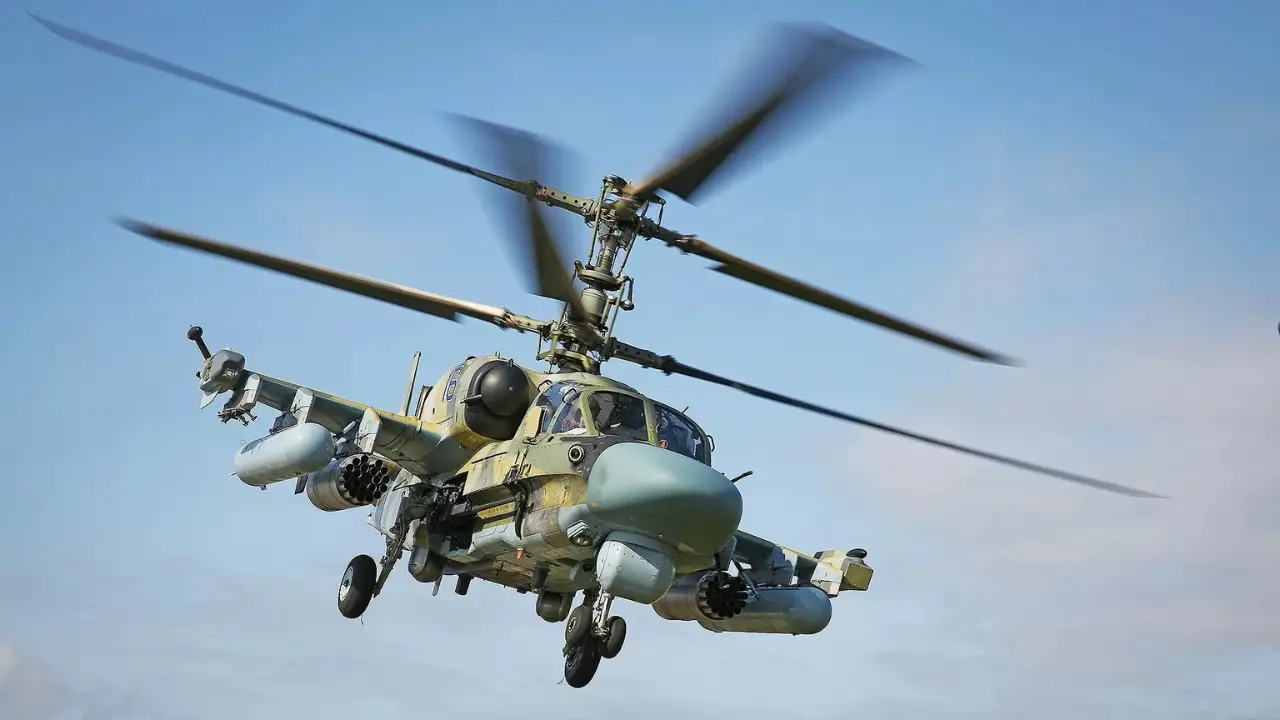
Aircraft are the Main Nuclear drop
Most nuclear bombs are designed for delivery by bombers or fast jets, not helicopters. Bombers like the B-52 or fighter jets like the F-35 are specially prepared to handle and drop nuclear gravity bombs safely at high speed and altitude.
Could a Helicopter Carry a Nuclear Bomb?
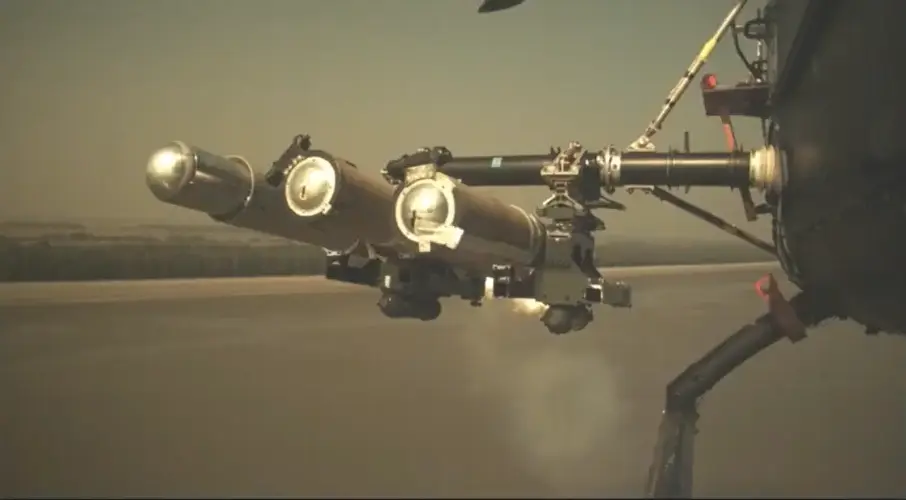
Technically, many helicopters have the lifting power to carry a nuclear bomb by weight, especially smaller tactical bombs. However, standard helicopters are not certified for nuclear delivery. They lack safety systems, protection, and structure needed for such a mission.
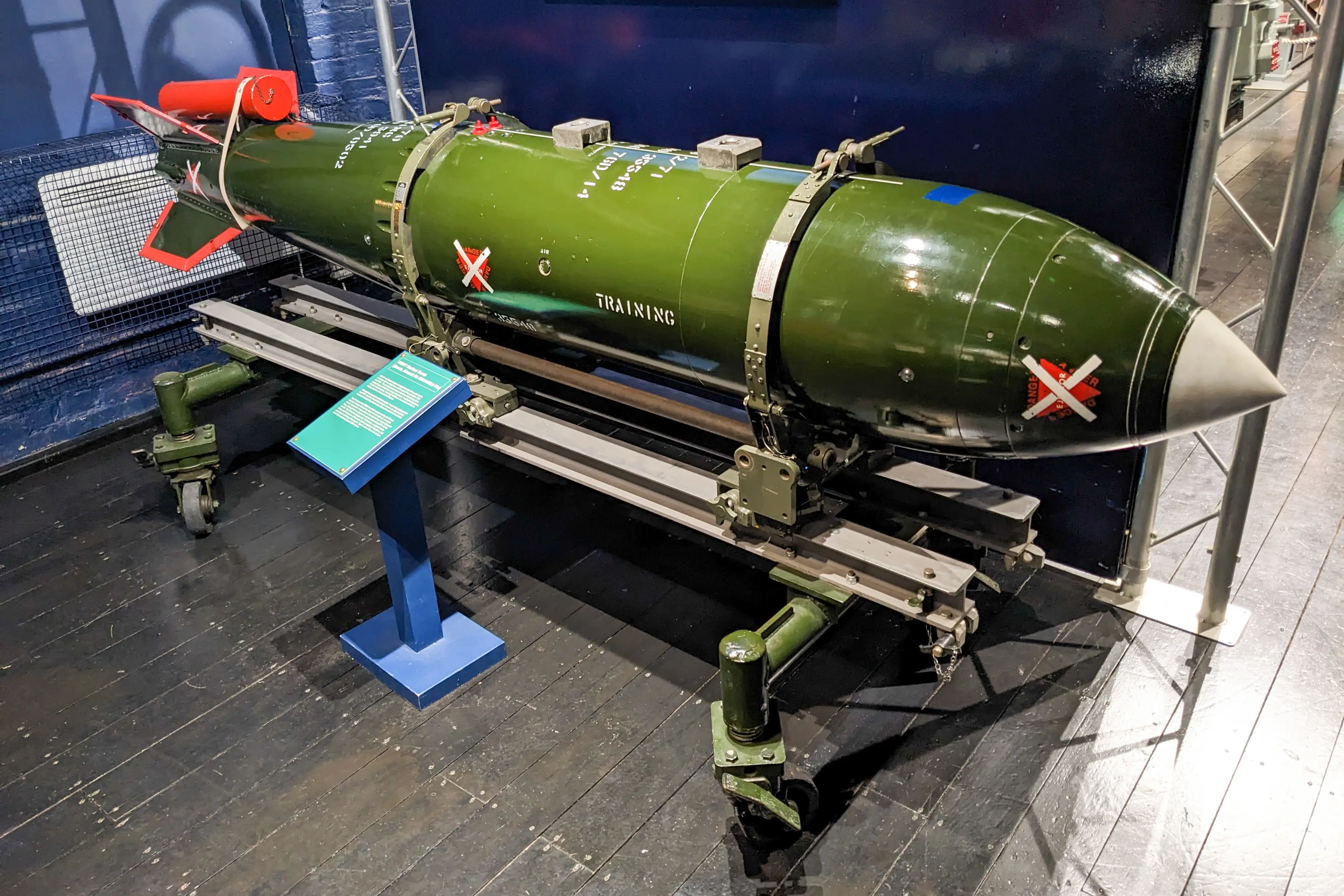
Has It Ever Happened? The WE.177 Exception
From 1971 to 1991, British naval helicopters could carry and drop the WE.177 nuclear depth bomb against submarines in the sea. These bombs were designed for unique anti-submarine missions, not as land-attack weapons. This setup was rare and ended over 30 years ago.

What Makes Helicopters Risky for Nuclear Drop?
Helicopters are slow and fly low, making them easy targets for air defences. They're also highly vulnerable to the shockwaves, heat, and electromagnetic pulse (EMP) effects from a nuclear blast. Reports warn that even at a few kilometres distance, a helicopter is unlikely to survive the detonation's force.
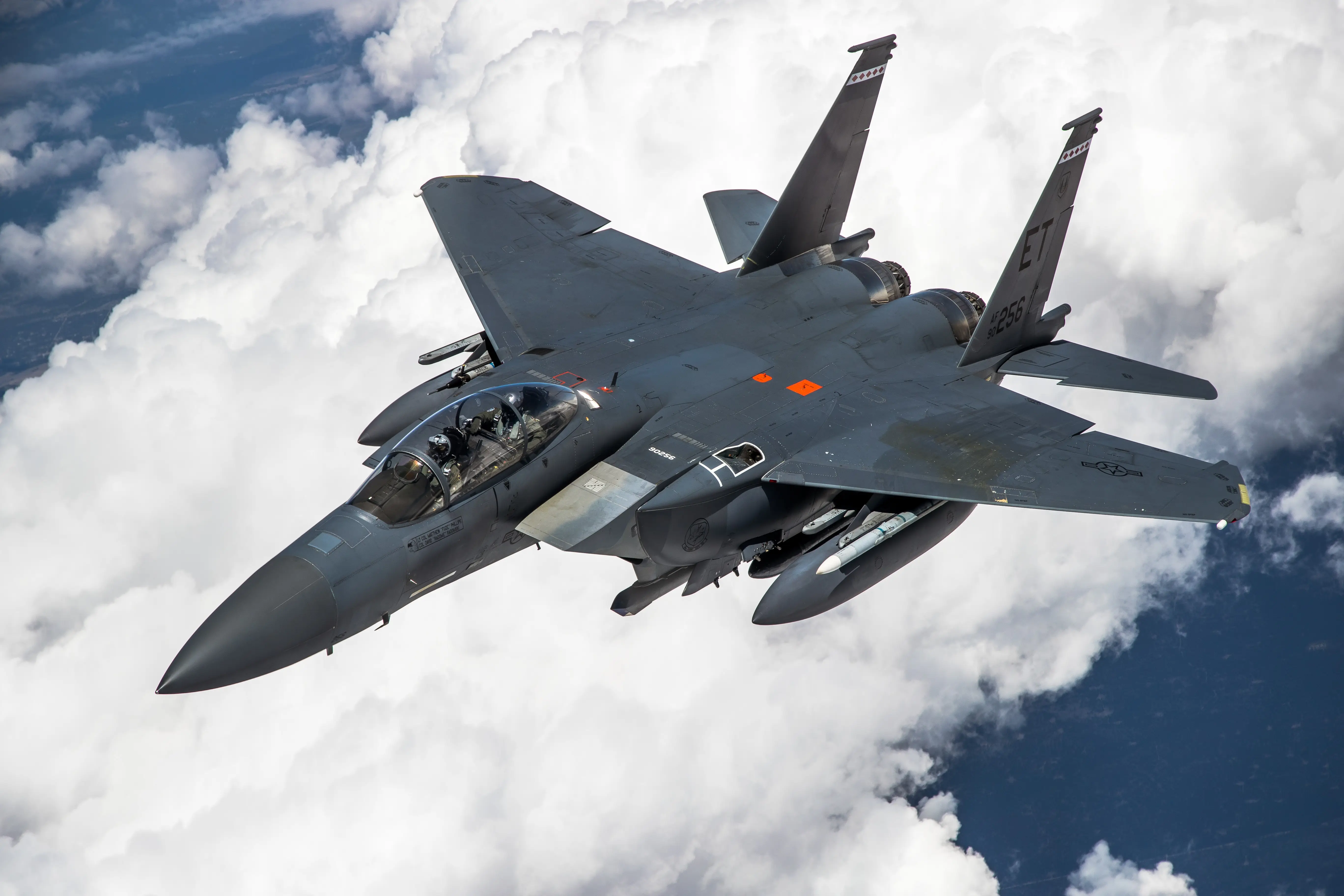
Why fighter jets Are Safer for Nuclear Bombs
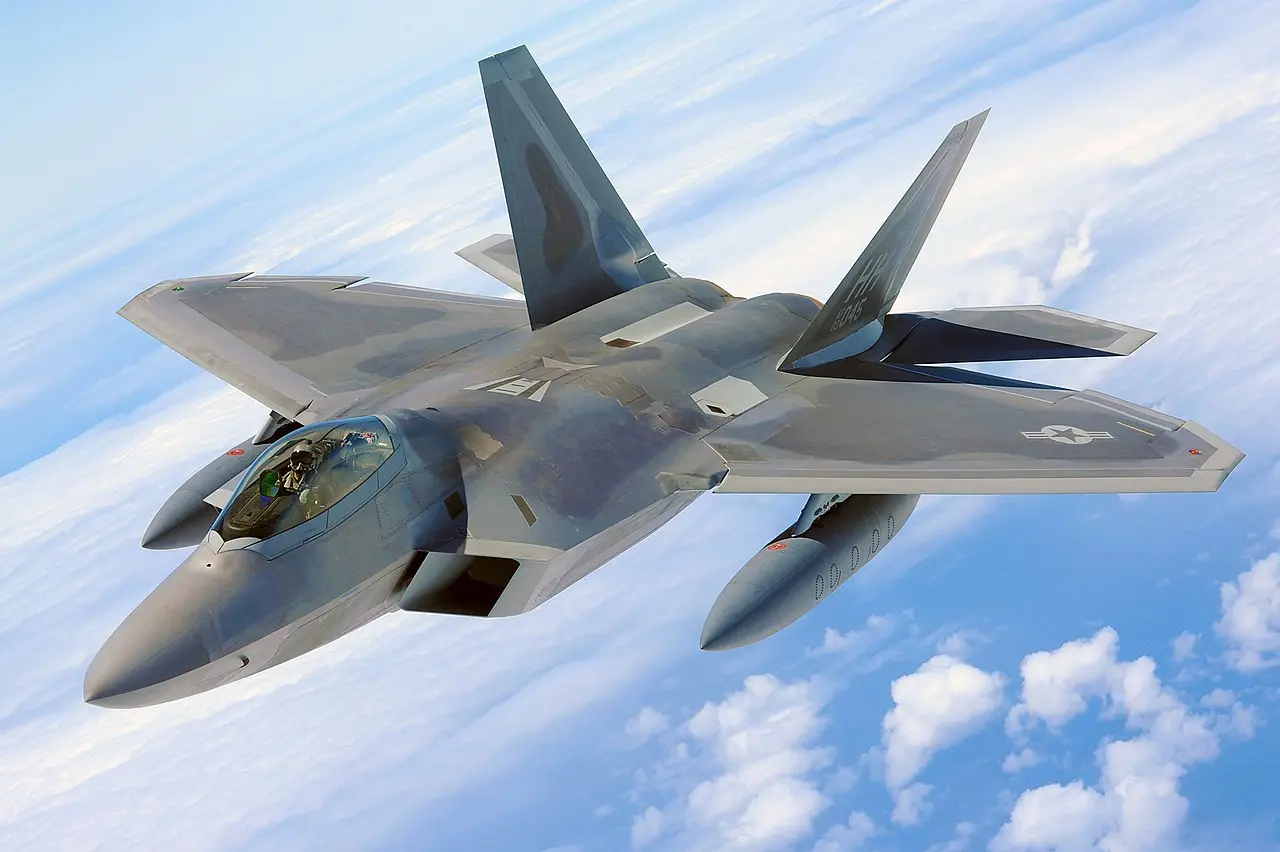
Fighter jets and bombers can release nuclear bombs from high altitude and escape quickly. Fast speed and greater distance provide a better chance of surviving the blast, heat, and resulting EMP. Most nuclear bomb designs and tactics are built around aircraft escape routes and bomb fuzing for air-detonation.
Modern Nuclear Strategy and Aircraft
Today, only specific planes and some advanced fighter jets are certified for nuclear bombs, with strict controls for launch, navigation, fuzing, and in-flight safety. And helicopters are not part of modern nuclear delivery plans but can be used for nuclear site support and emergency transport.
Could Future Tech Change This?
In theory, it’s possible to design a nuclear weapon that a helicopter could carry, but all safety, escape, and strategic concerns mean it remains highly unlikely. Military experts agree: jets and bombers will continue to be the main nuclear delivery platforms for the foreseeable future.
)
)
)
)
)