Portraits and Prayer: Thousands gather across Iran to honour slain leader Khamenei

Iran marks the 40th day of mourning for Ayatollah Ali Khamenei as nationwide rallies conclude the official Arba’een period. Tensions remain high as Tehran conditions its participation in the Islamabad peace talks on a permanent ceasefire in Lebanon.
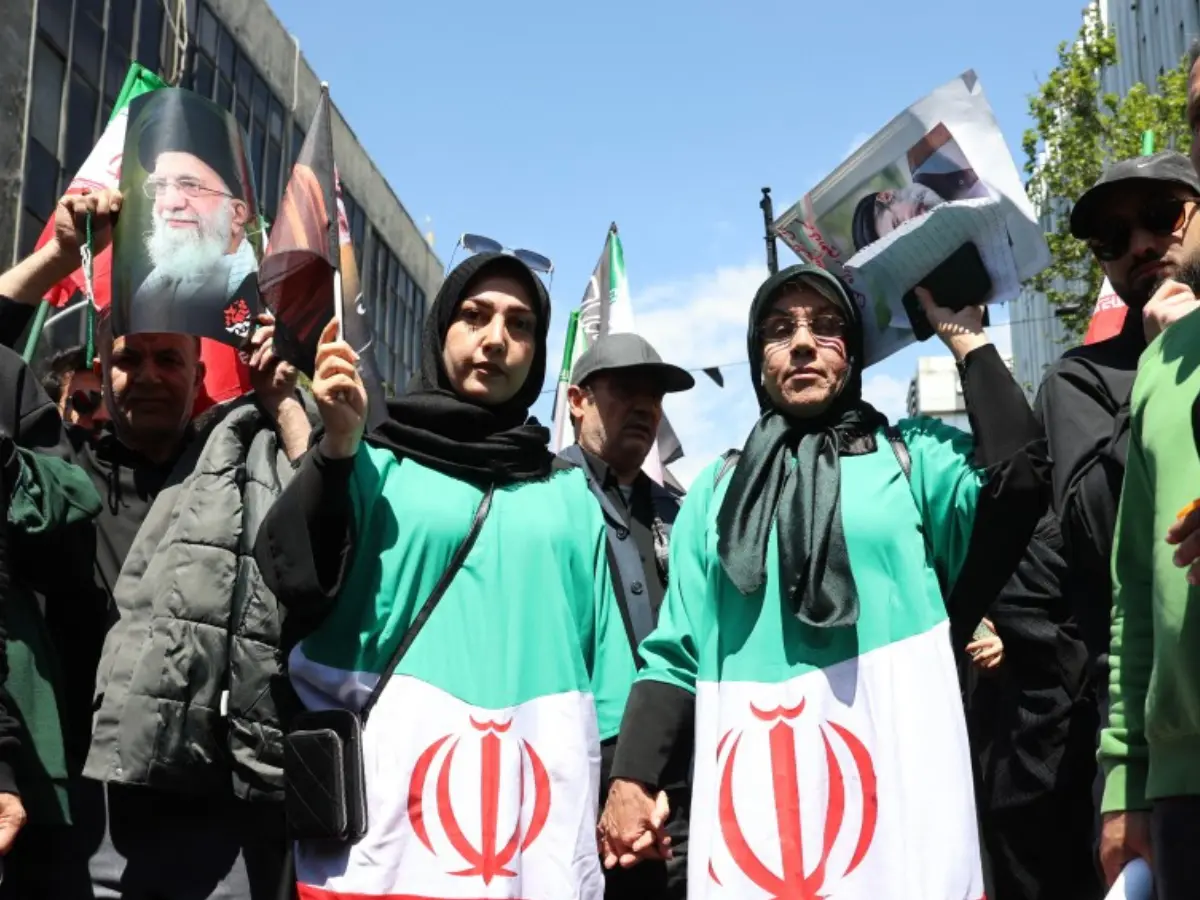
In memory of supreme leader Khamenei
Thousands in Iran took to the streets to mark 40 days of mourning for the death of supreme leader Ali Khamenei. The large crowd gathered days after the ceasefire deal was agreed upon between US and Iran brokered by Pakistan. What began as a joint military strike in Iran on February 28 has spread across the region far and beyond. Following the attack which killed Iranian supreme leader Ali Khamenei, Tehran conducted airstrikes on American bases in West Asia.
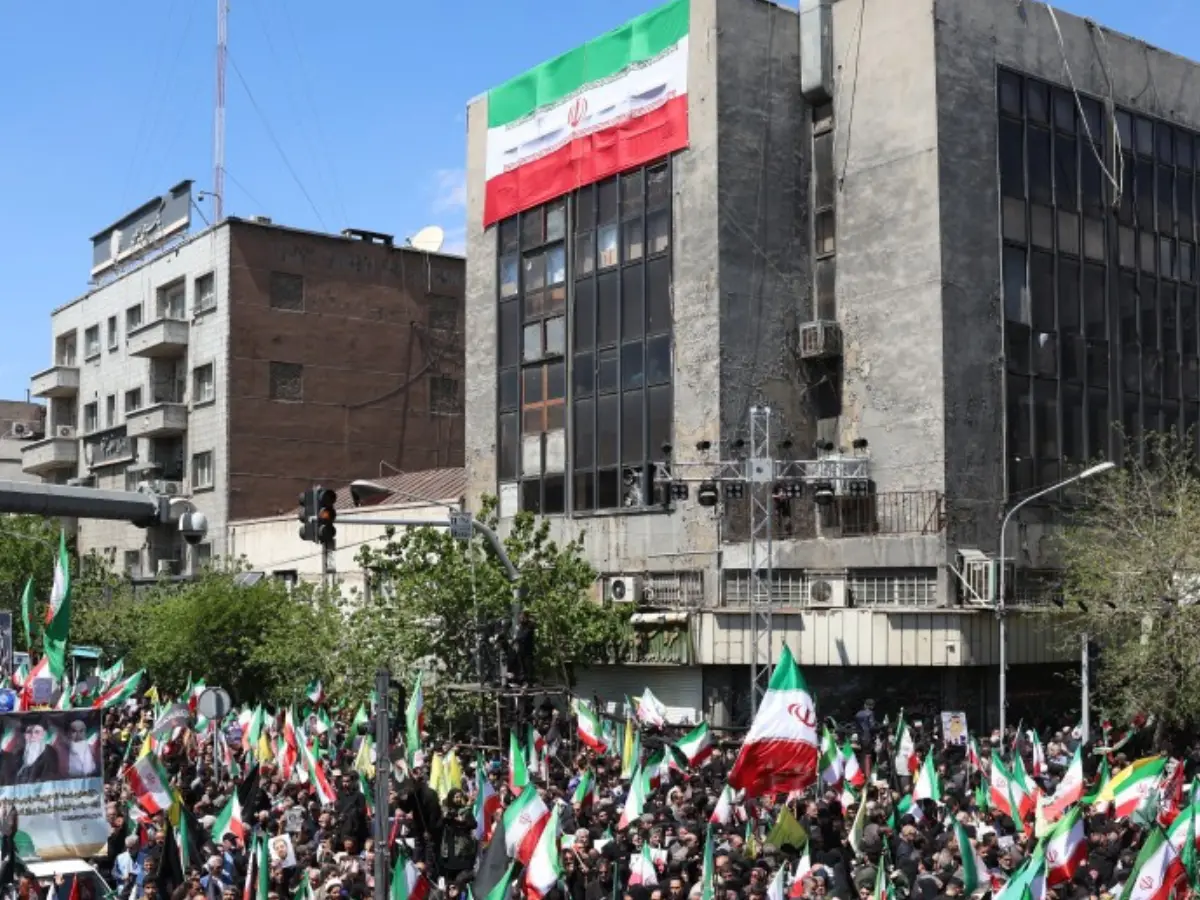
Cusp of peace talks
As Israel continues to strike Lebanon, Iran has warned of withdrawing from the agreement. The post by Pak PM Shehbaz Sharif mentioned, “With the greatest humility, I am pleased to announce that the Islamic Republic of Iran and the United States of America, along with their allies, have agreed to an immediate ceasefire everywhere, including Lebanon and elsewhere, effective immediately.”
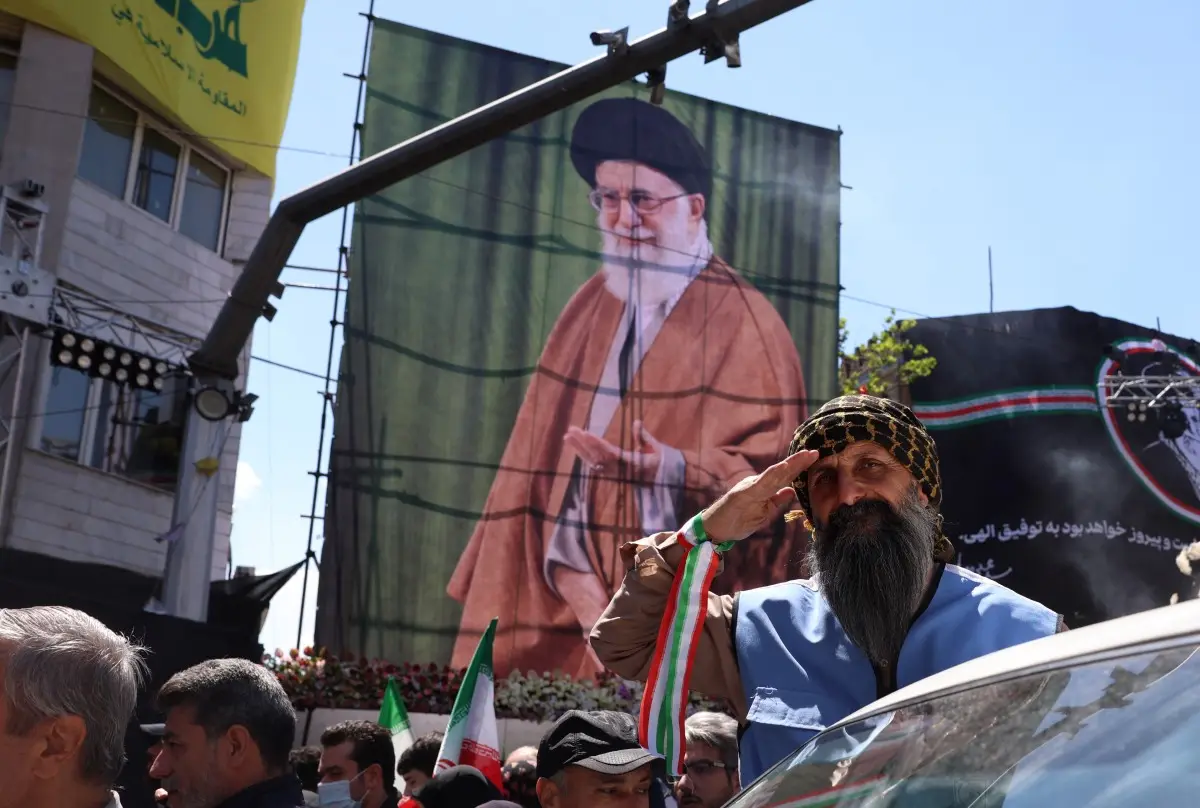
Traffic camera tracking led to Khamenei's assassination
Iran’s Ali Khamenei was killed as US and Israel launched strikes on Tehran. In the latest report it has surfaced that the traffic cameras in the capital were tracked to trace the movement of bodyguards of the supreme leader, details of which were reported by the news outlet Financial Times. In a major intelligence coup, the Mossad hijacked Iran’s domestic surveillance apparatus to dismantle the regime's security from within. By leveraging a compromised camera that overlooked the parking zone for Khamenei's guards, Israeli intelligence spent years cataloging the addresses, schedules, and roles of the Supreme Leader's personal protectors, turning a tool of state oppression into a tactical advantage for the current conflict.
)
)
)
)
)