How do South Koreans fight pollution? With pork


Sales of pork rises with rise of dust particles in air
This quirky correlation in Asia's fourth-largest economy, where air pollution outstrips industrialised peers, stems from an old belief attributed to coal miners, that the slippery pork oil helped cleanse dirt from their throats.
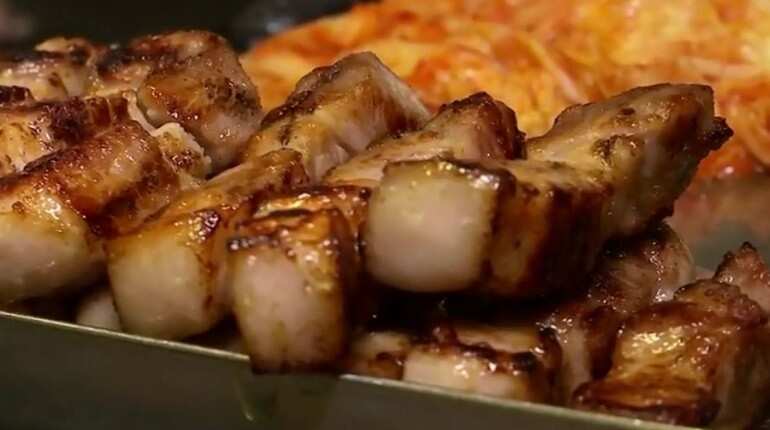
'Oil in pork meat soothes throat'
Scientists say there is no rationale for the belief, but pork sales jumped about a fifth on the year from February 28 to March 5, when pollutants blanketed most areas, data from major retailers E-Mart and Lotte Mart showed.
One of the common belief is that eating pork meat is helpful as the oil in it soothes the throat.
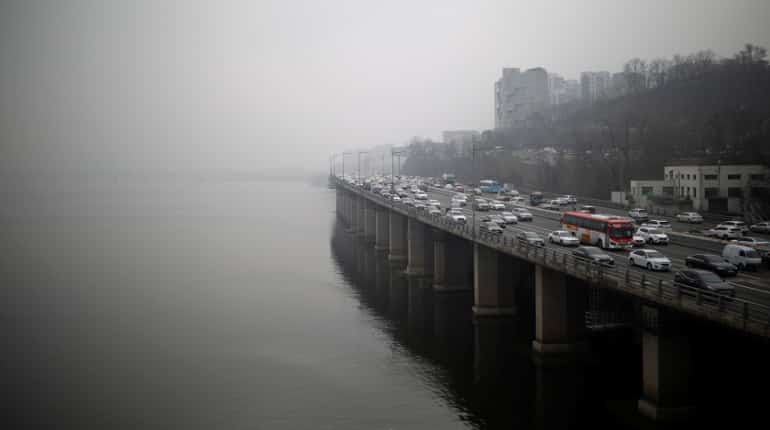
'Pollutants wafted in from China and North Korea'
South Korea faces a battle against unhealthy air, a combination of domestic emissions from coal-fired power plants and cars, and pollutants wafted in from China and North Korea.
Its air quality was the worst among its industrialised peers in 2017, data from the Organisation for Economic Cooperation and Development (OECD) grouping of wealthy nations showed.
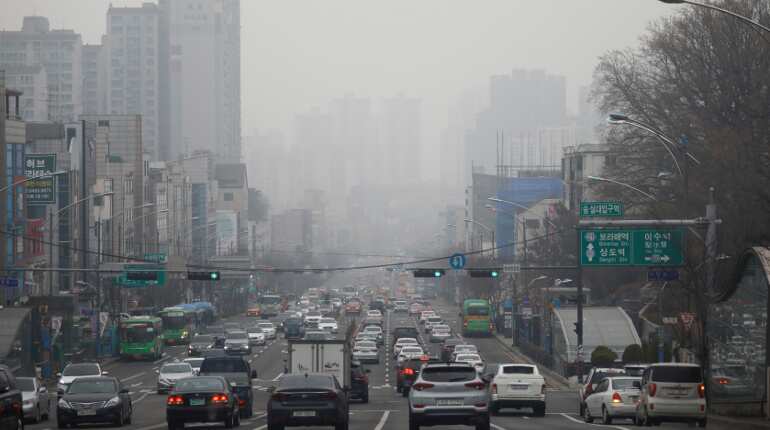
Pollution drives South Korea's policy and businesses
South Korea registers 25.1 micrograms per cubic metre of fine particulate matter smaller than 2.5 micrometres on average each year, just over double the OECD figure of 12.5, but far lower than the world average of 44.2.
The pollution has affected South Korean policy and businesses, driving up shares of companies that make air purifiers and masks.
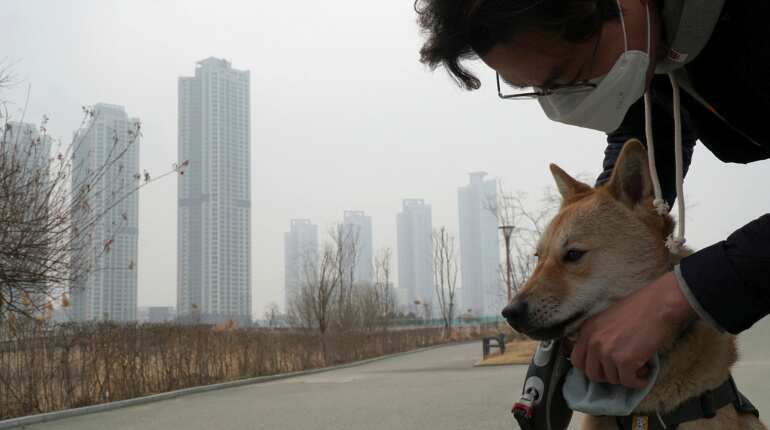
People resort to wearing masks and staying indoors
People battle air pollution by wearing masks and staying indoors. But in a country where 28 per cent of all households have a pet, furry companions are a priority too.
)
)
)
)
)