Pollution and Migration: Is toxic air forcing people to leave Delhi?

Delhi’s toxic air contributes to health risks and influences some residents’ decisions to temporarily or permanently leave the city. Despite continued migration inflows, pollution drives growing concern over quality of life and life expectancy.
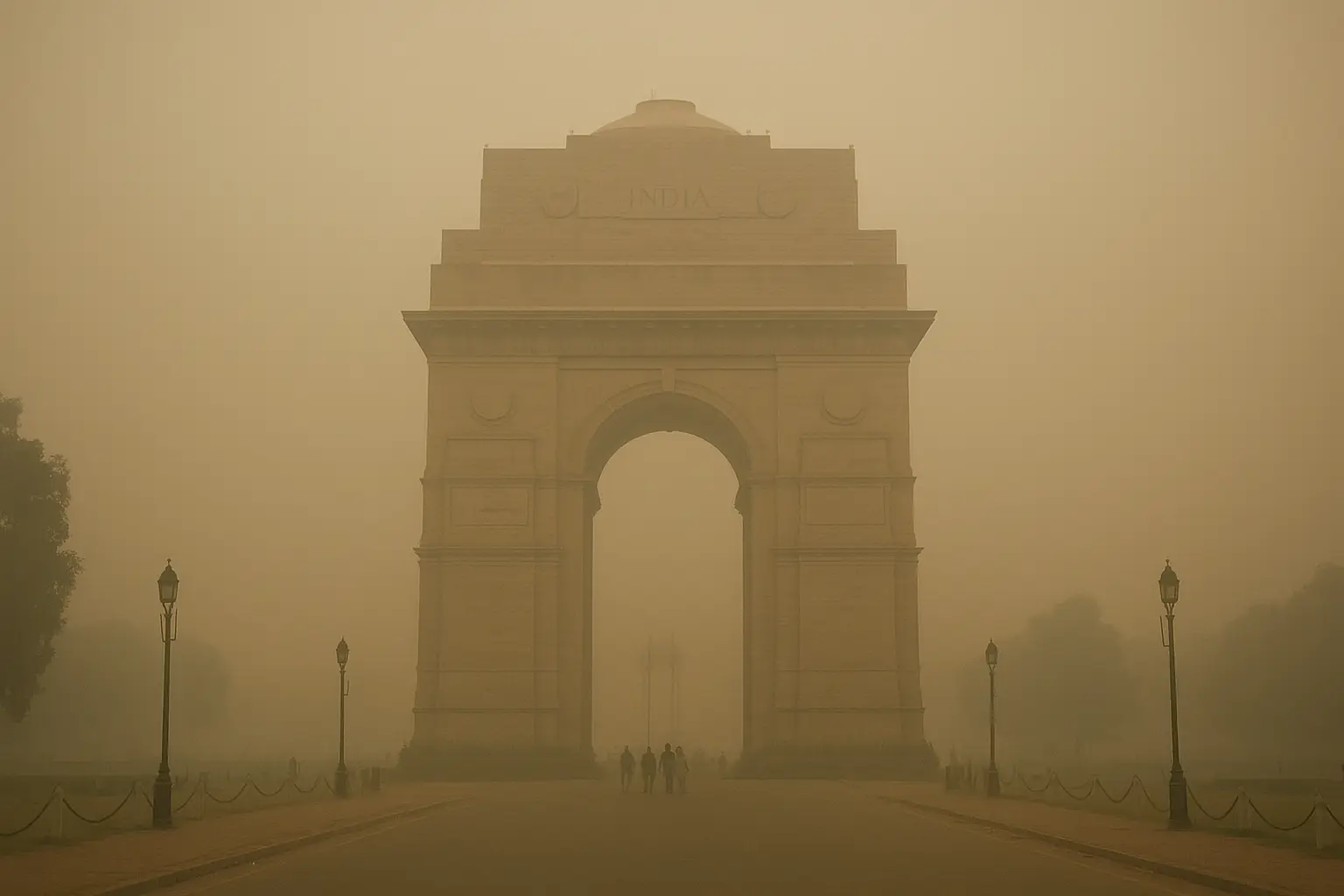
Rising Air Pollution in Delhi
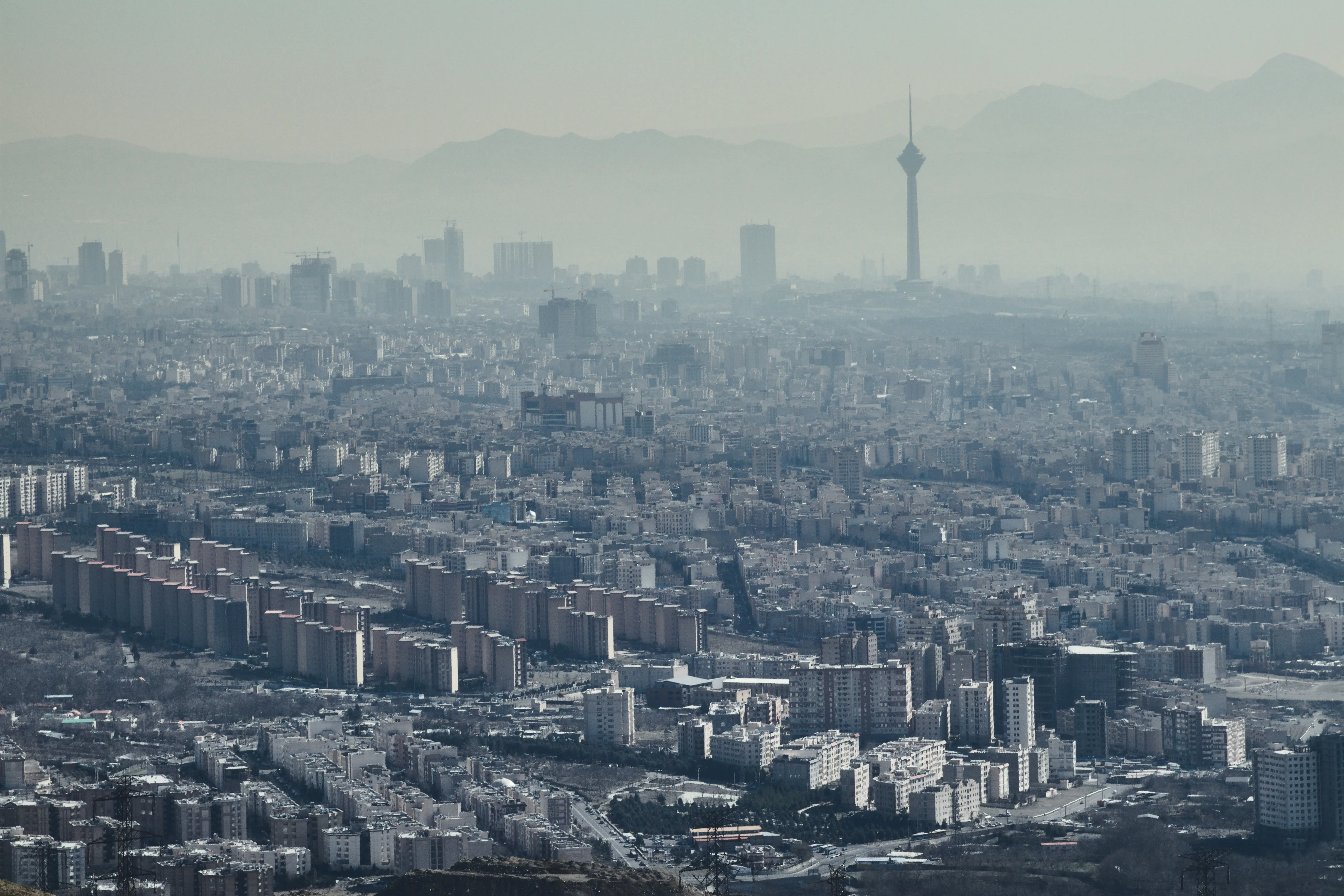
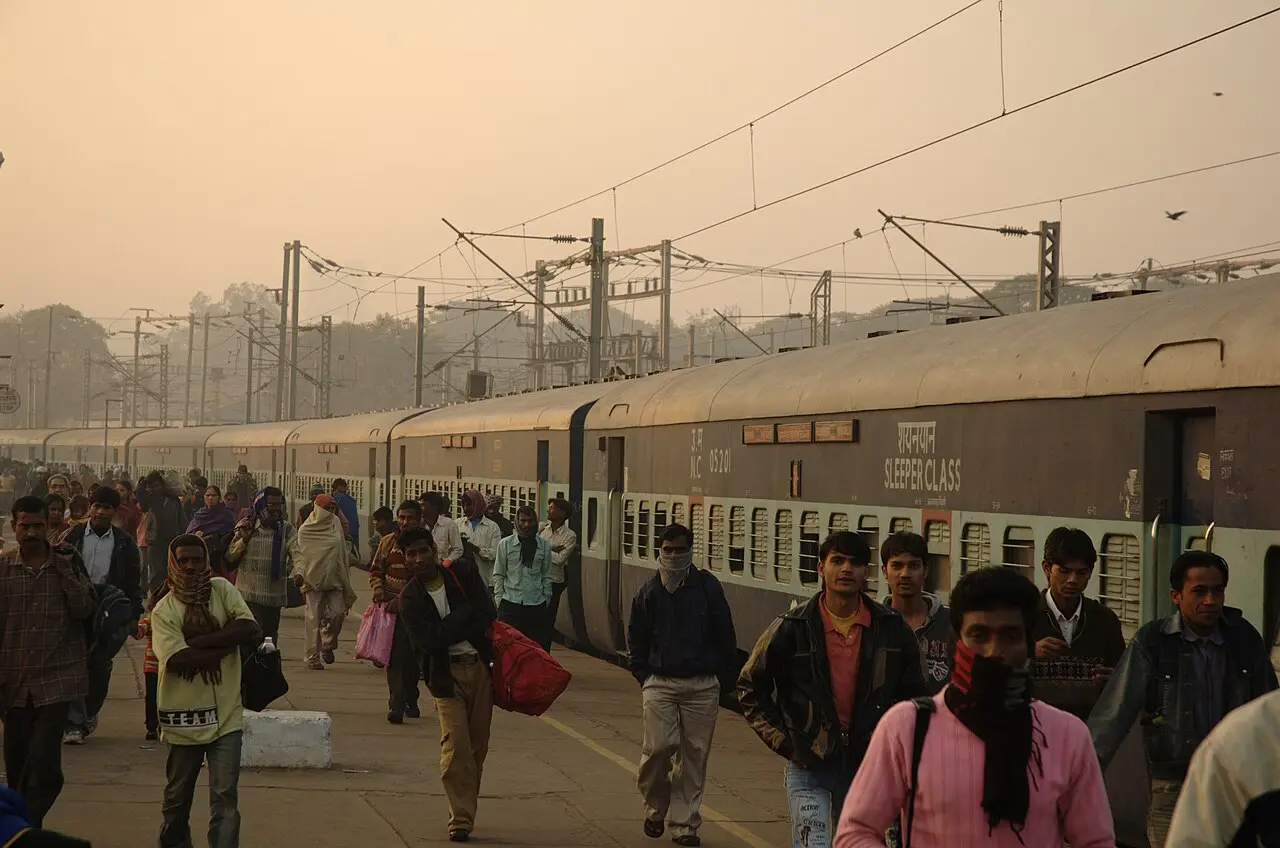
Delhi’s air pollution has remained hazardous for years, with PM2.5 levels often exceeding 80µg/m³, well above the WHO’s safe limit of 5µg/m³. This toxic air impacts millions daily, causing serious health concerns

Health Impact Driving Concern
The Air Quality Life Index reports Delhi residents could lose over 8 years of life expectancy due to polluted air. Lung and heart diseases linked to pollution are causing distress among residents.
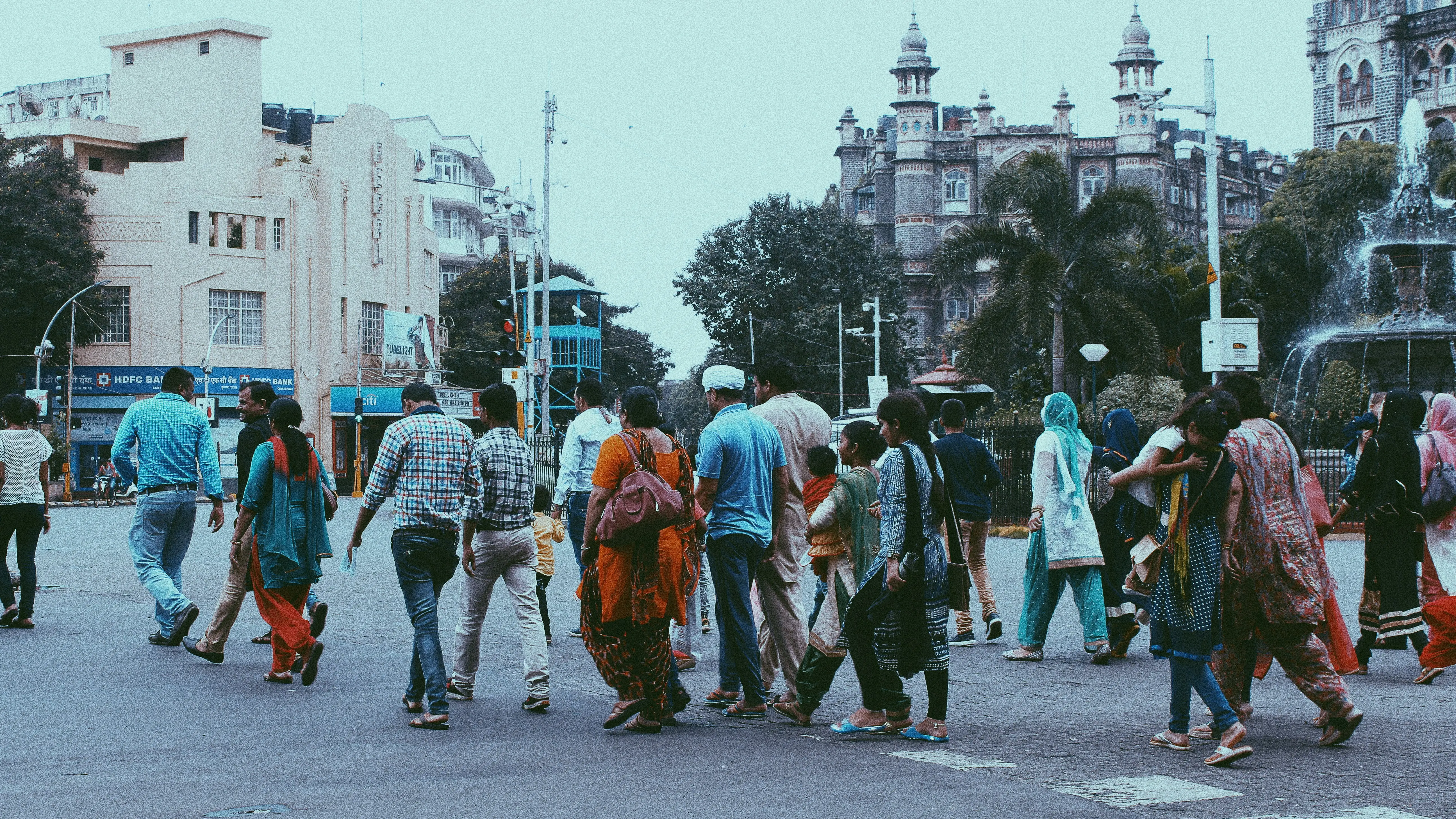
Migration Data Shows Continued Inflow
Despite pollution, Delhi continues to attract migrants. In 2021 and 2022, over 200,000 people moved to the city annually, drawn by job opportunities and education. However, migration growth shows signs of strain due to toxic air
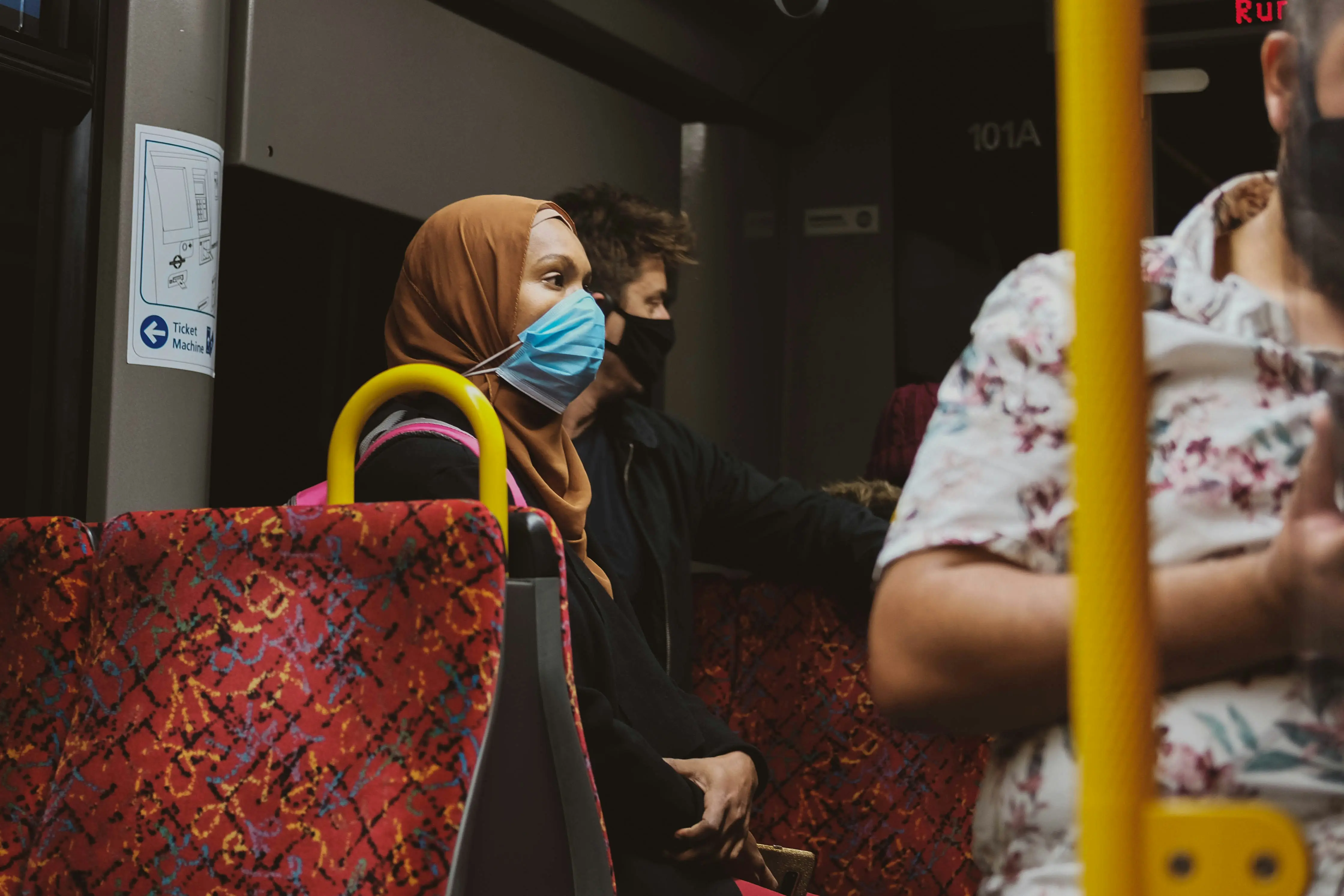
Some Residents Are Leaving Temporarily
Doctors advise vulnerable groups to leave Delhi temporarily during peak pollution seasons. Some families choose to spend winter months in cleaner areas, such as Goa, to protect their health.
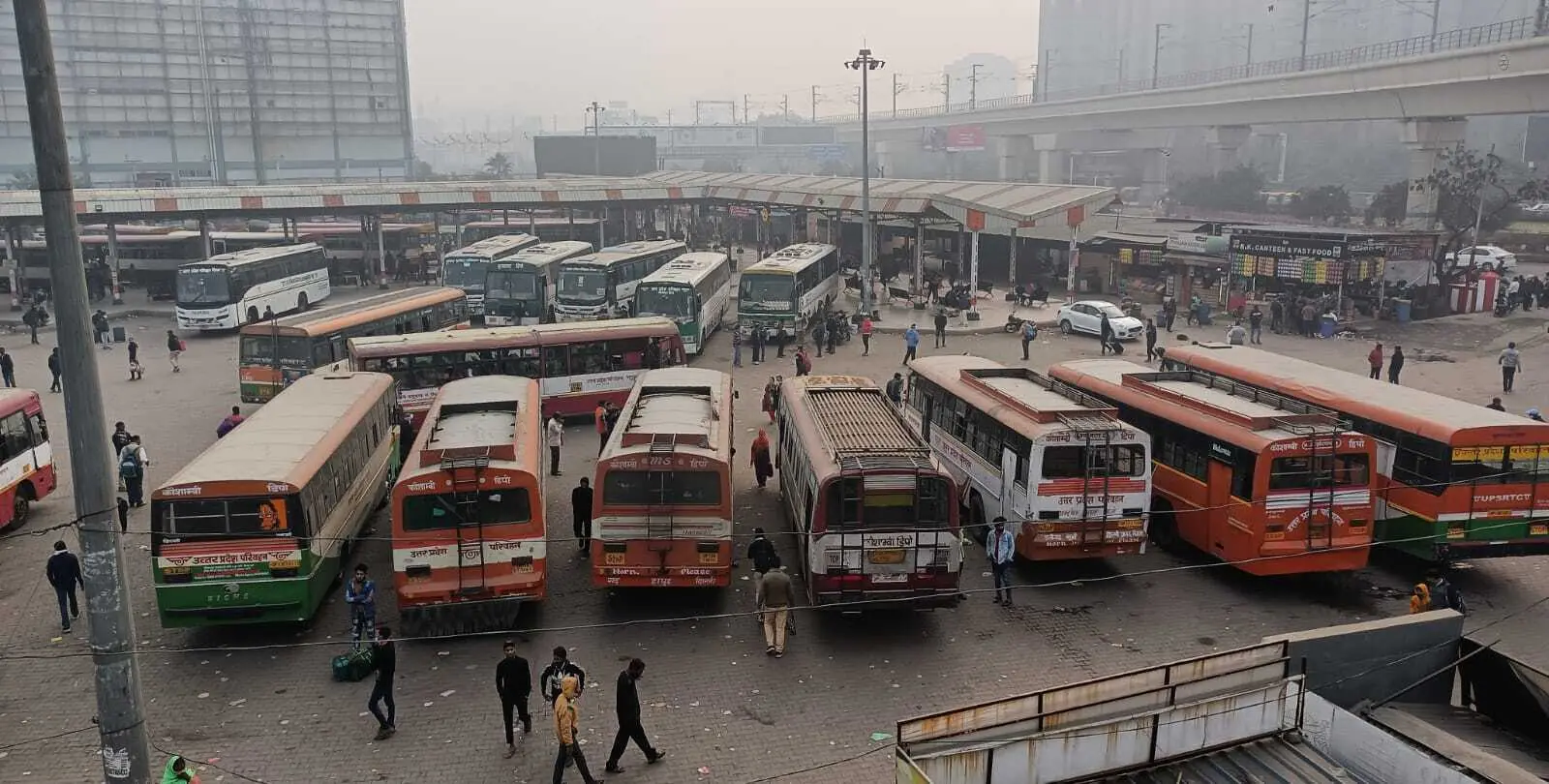
Permanent Migration Linked to Pollution
For some, air pollution is a key factor in decisions to shift permanently from Delhi. Reports highlight residents moving to cities with better air quality, citing health and quality of life.
Economic and Social Impacts
Toxic air increases healthcare costs and reduces productivity. Migration decisions influenced by pollution worsen inequalities, as wealthier families can afford to relocate or buy protective devices.
Need for Urgent Action
Experts stress reducing pollution to improve health and retain residents. Delhi’s air quality management and policy measures must focus on long-term solutions to prevent further migration linked to pollution.
)
)
)
)
)