PM Modi speech: Top 7 taxes erased forever by GST

In 2017, India embarked on a transformative journey with the introduction of the Goods and Services Tax (GST), a unified tax system aimed at simplifying the country's complex tax structure.
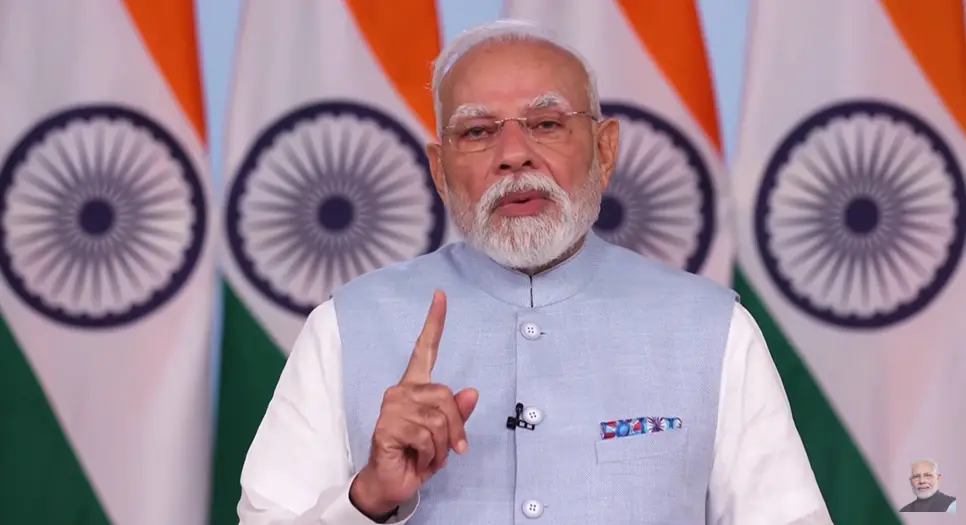
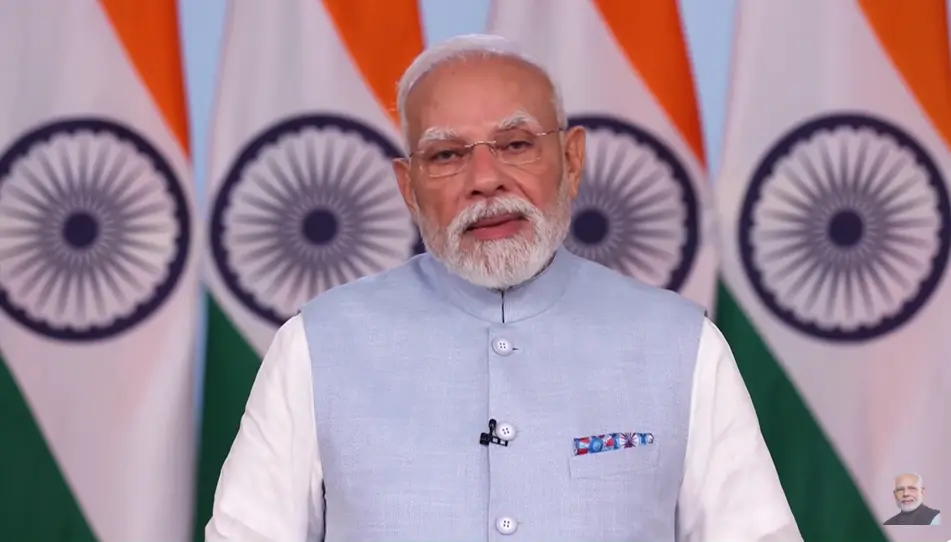
PM Modi's adresses the nation
On Sunday, Prime Minister Narendra Modi addressed the nation, hailed the much-anticipated Goods and Services Tax (GST) 2.0. Scheduled to take effect on September 22, the first day of Navratri, it is a new two-tier structure of 5 per cent and 18 per cent, with a demerit rate of 40 per cent reserved for super luxury and sin goods. The GST Council has decided to reduce tax rates on approximately 375 items, marking a significant step towards economic rejuvenation. In 2017, India embarked on a transformative journey with the introduction of the Goods and Services Tax (GST), a unified tax system aimed at simplifying the country's complex tax structure. Here, we examine the seven major taxes that have been subsumed under GST.
1. Central Excise Duty
Prior to GST, the Central Excise Duty was levied on the manufacture of goods within India. This tax was collected by the central government and was applicable to a wide range of products. With the implementation of GST, this duty was subsumed, and the manufacturing sector now falls under the purview of GST, ensuring uniform taxation across the country.
2. Service Tax
Service Tax was imposed on the provision of services and was governed by the Finance Act of 1994. It was a significant source of revenue for the central government. Under the GST regime, service tax has been replaced by the GST, which covers both goods and services under a single tax structure, simplifying compliance and reducing the cascading effect of taxes.
3. Surcharges & Cesses
Various surcharges and cesses were levied by both central and state governments on specific goods and services. These included taxes like the Education Cess and the Swachh Bharat Cess. Under GST, most of these cesses have been subsumed, leading to a more straightforward tax system and reducing the multiplicity of taxes.
4. State VAT/Sales Tax
Before GST, state governments levied Value Added Tax (VAT) on the sale of goods within their jurisdictions. This led to a fragmented tax system, with different rates and rules across states. GST has replaced state VAT, creating a uniform tax structure that promotes ease of doing business and reduces inter-state tax barriers.
5. Additional Duties of Customs (CVD & SAD)
Countervailing Duty (CVD) and Special Additional Duty (SAD) were imposed on imported goods to protect domestic industries and to align the tax structure with the domestic market. With the advent of GST, these duties have been replaced by the Integrated Goods and Services Tax (IGST) on imports, ensuring a seamless tax experience for importers and aligning the taxation of imported goods with domestic goods.

6. Central Sales Tax (CST)
CST was levied on inter-state sales of goods, leading to a cascading effect as it was not available for set-off against other taxes. The introduction of GST has eliminated CST, allowing for seamless credit across states and promoting a unified national market.
7. Purchase Tax
Some states imposed purchase tax on certain goods, which was an additional layer of taxation on the procurement of goods. Under GST, this purchase tax has been subsumed, ensuring that goods are taxed only once at the point of sale, thereby reducing the overall tax burden on businesses.
)
)
)
)
)