Why is Kuiper Belt the most mysterious and wildest cosmic zone?

The Kuiper Belt stretches from the orbit of Neptune and way, way beyond. Very little is known about the mysterious region which is home to Pluto. Scientists even think that Planet Nine lives in the Kuiper Belt.
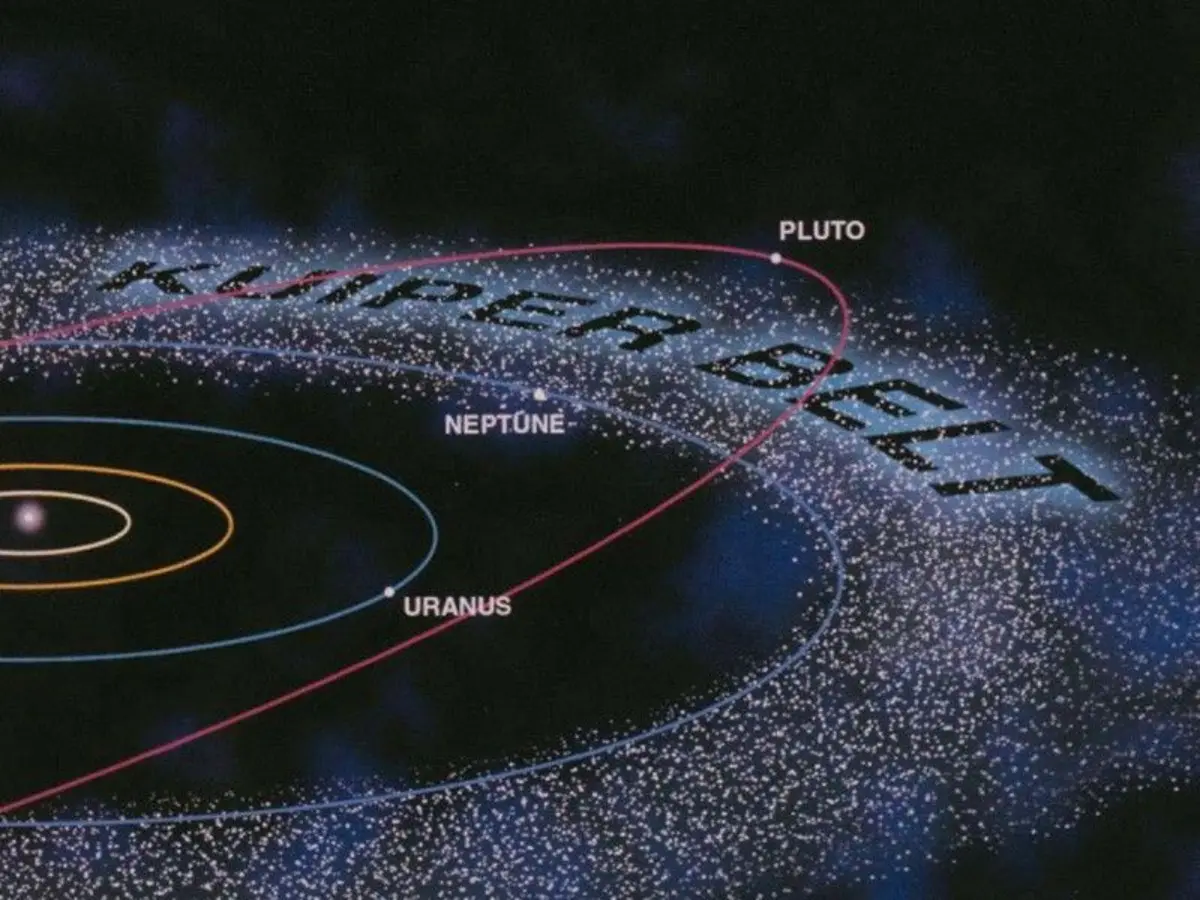
Kuiper Belt - The doughnut-shaped carrier of icy bodies
The Kuiper Belt is a region of icy bodies that extends beyond the orbit of Neptune, and is home to some strange occurrences in the cosmic world. It is the shape of a doughnut and starts roughly at 30 astronomical units (AU) from the Sun, and stretches to 50 AU. The bodies that reside in the Kuiper Belt are believed to be remnants from the time our solar system formed. Pluto, a former planet that was later designated a dwarf planet, also lives in the Kuiper Belt.
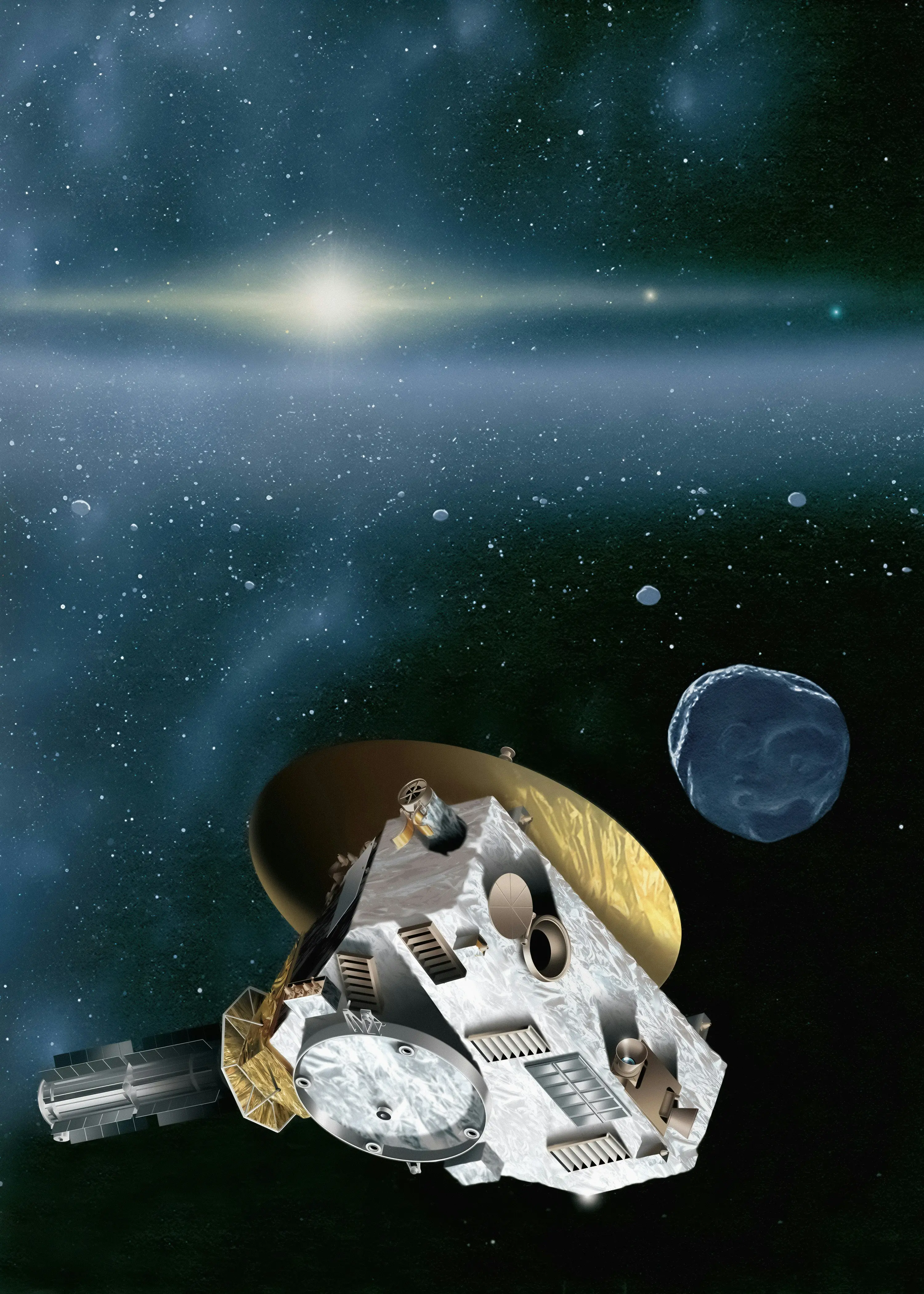
New Horizons mission saw Pluto and Arrokoth
NASA's New Horizons mission flew past the Kuiper Belt and Pluto in 2015 and offered several insights. The region is geologically diverse, a finding that surprised scientists. It is shaped like a puffed-up disk, or doughnut. How did it become this way?
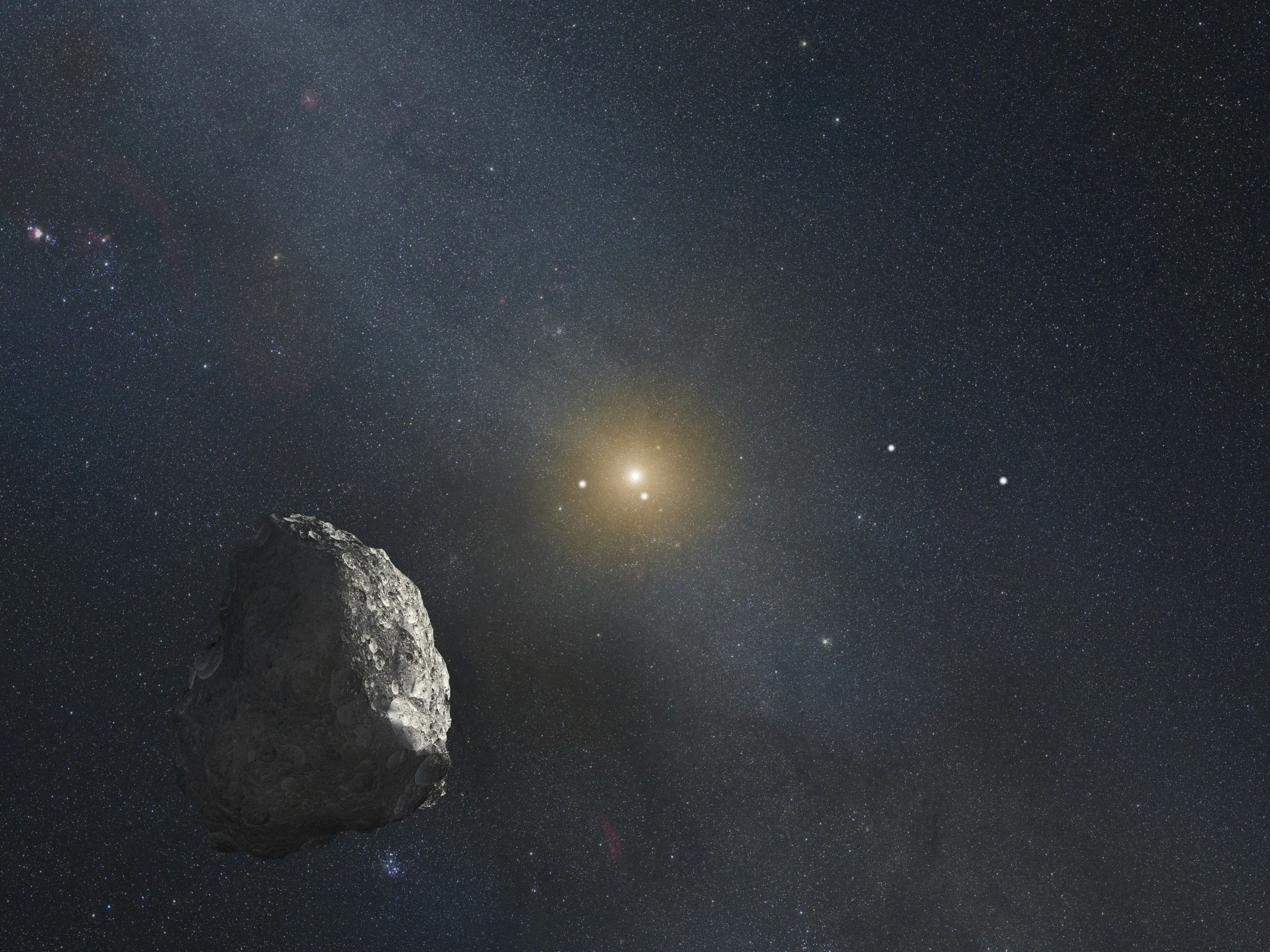
Kuiper Belt - A mysterious vault with clues on origin of solar system
The Kuiper Belt is like a time capsule, holding clues to the beginnings of the solar system. The icy bodies that live here are mainly frozen water, methane, and ammonia. They are basically "fossils" from the early solar system that hold secrets about how our world started.
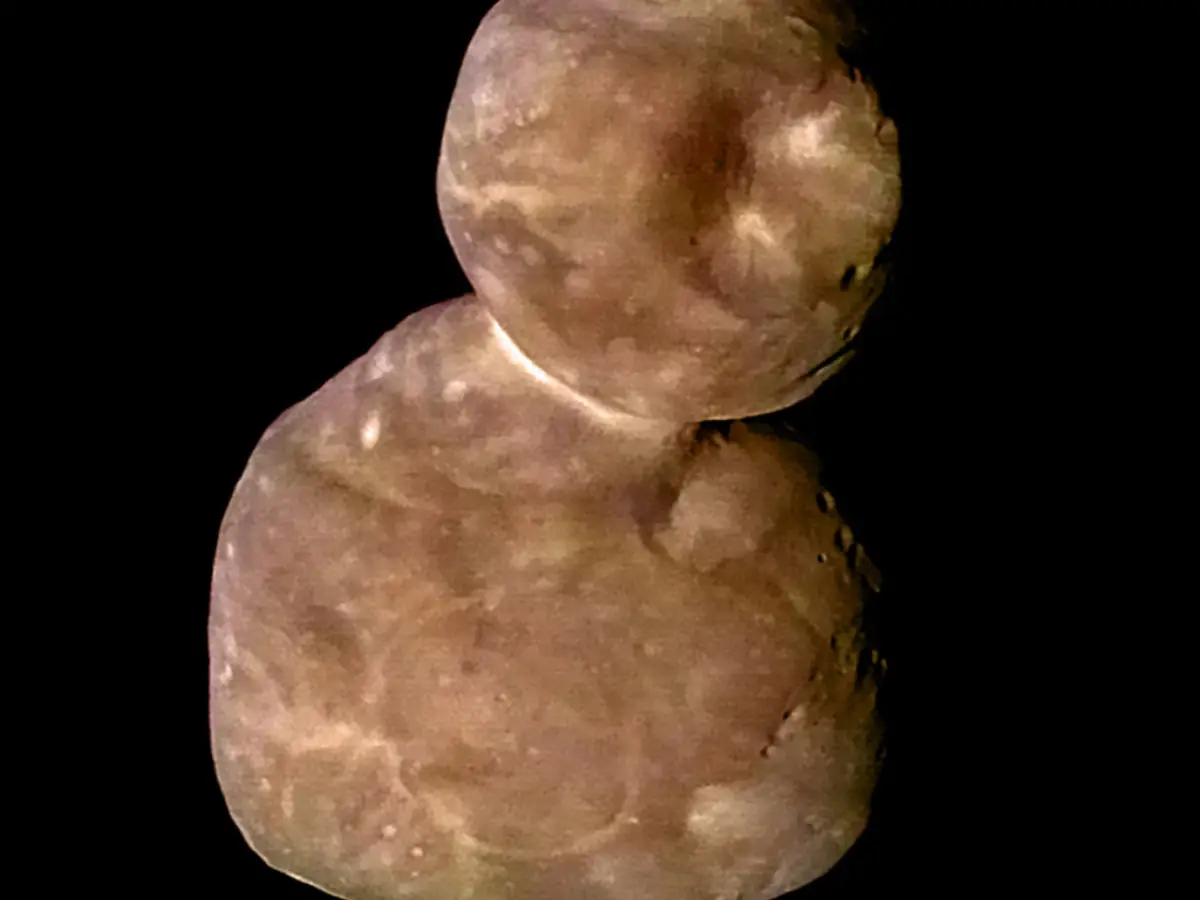
Arrokoth - A flattened snowman
Arrokoth, a contact binary that was previously nicknamed Ultima Thul, also lives in the Kuiper belt. It is located roughly 44.6 astronomical units from the Sun. It is two lobes that are fused together, forming a distinctive “flattened snowman” shape.
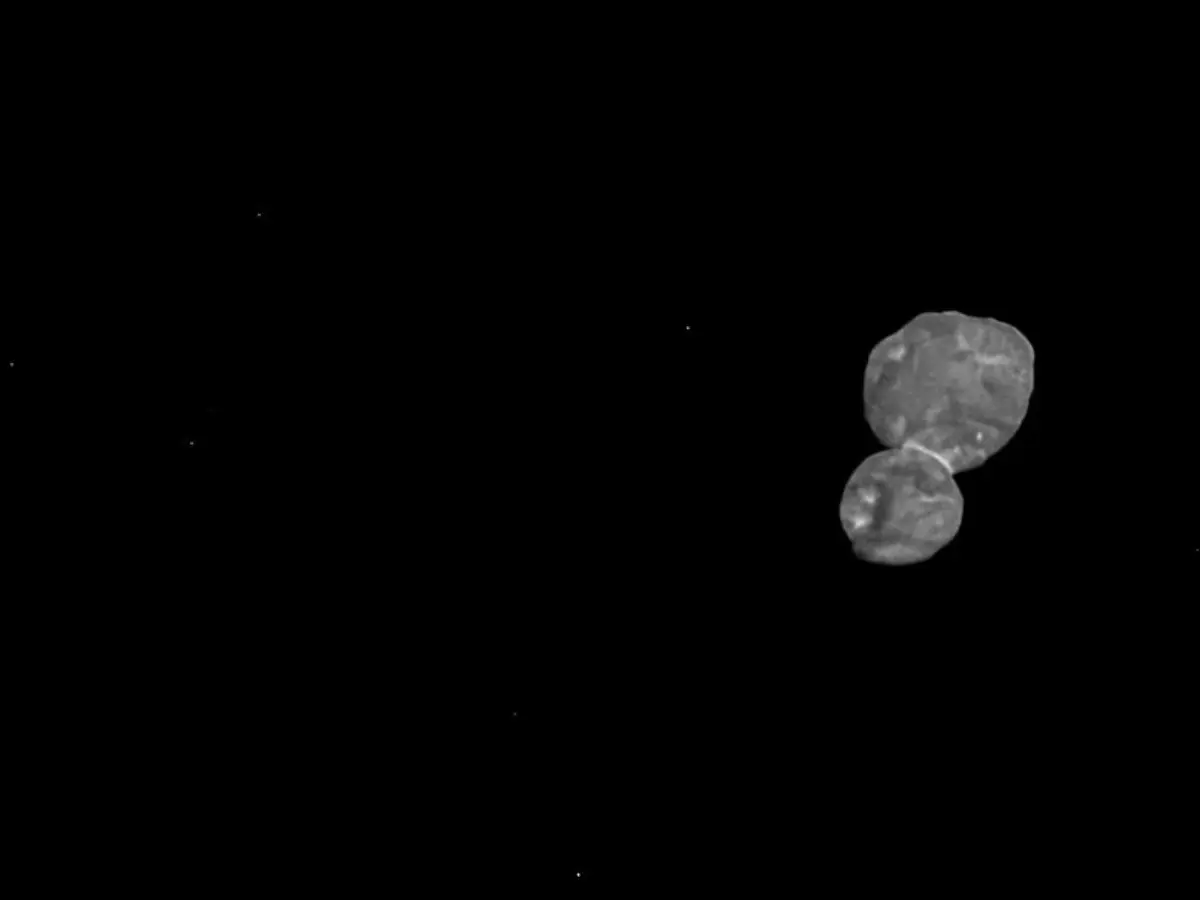
Arrokoth in the Kuiper Belt changed beliefs about early solar system
Finding an object like Arrokoth in the Kuiper Belt stumped scientists. They weren't expecting something like this since it challenged the existing theories about how the solar system formed. Arrokoth's shape suggests that several slow and low-velocity mergers happened in the early solar system.
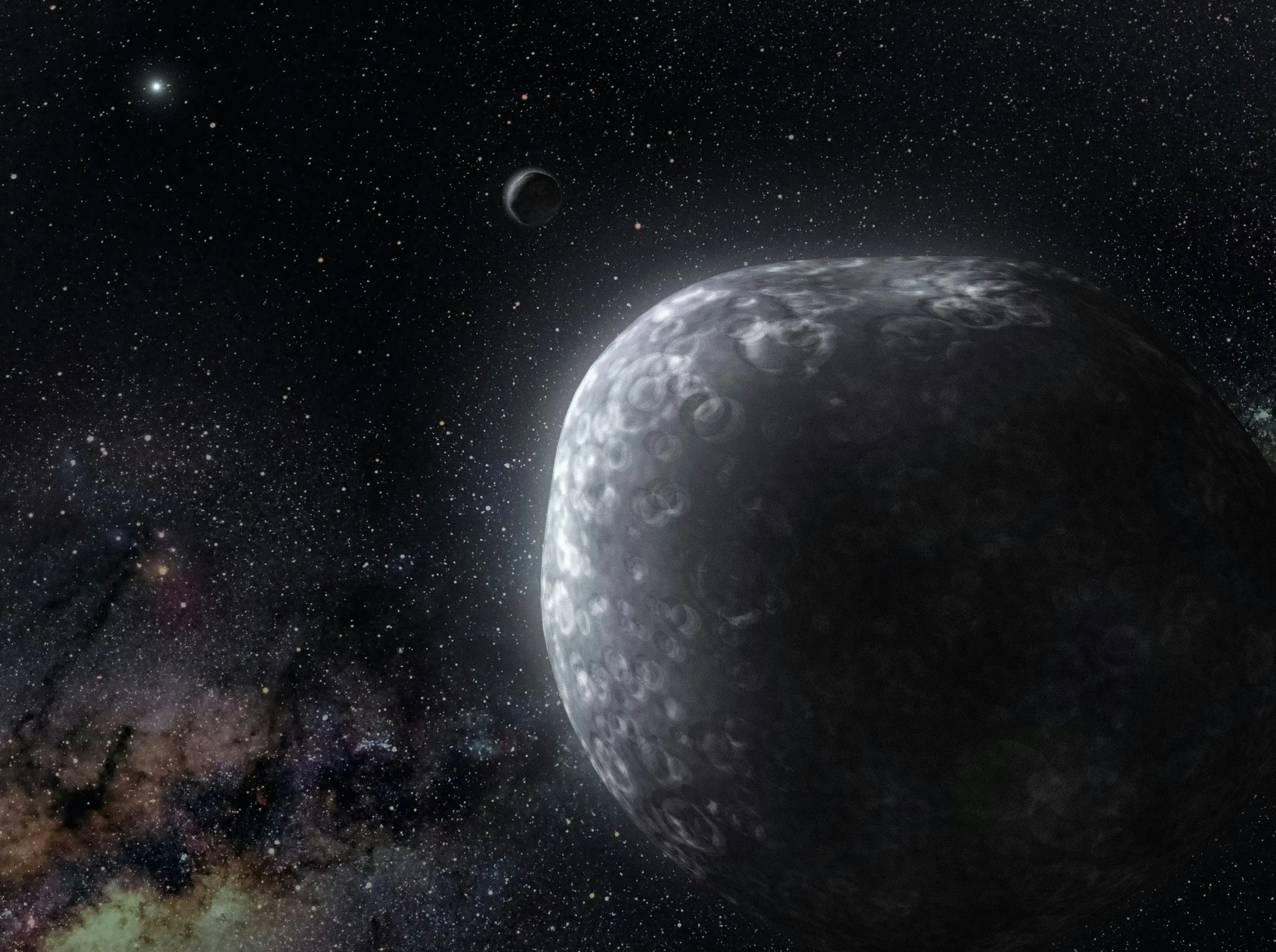
A second region called the scattered disk extends from end of Kuiper Belt
The outer edge of the Kuiper Belt is not the end. From here begins a second region called the scattered disk. It stretches outward to nearly 1,000 AU, and the bodies that live here go even farther beyond. These distant objects hint that the solar system's boundaries stretched way farther at one time, and the original disk may have been much larger than previously thought.
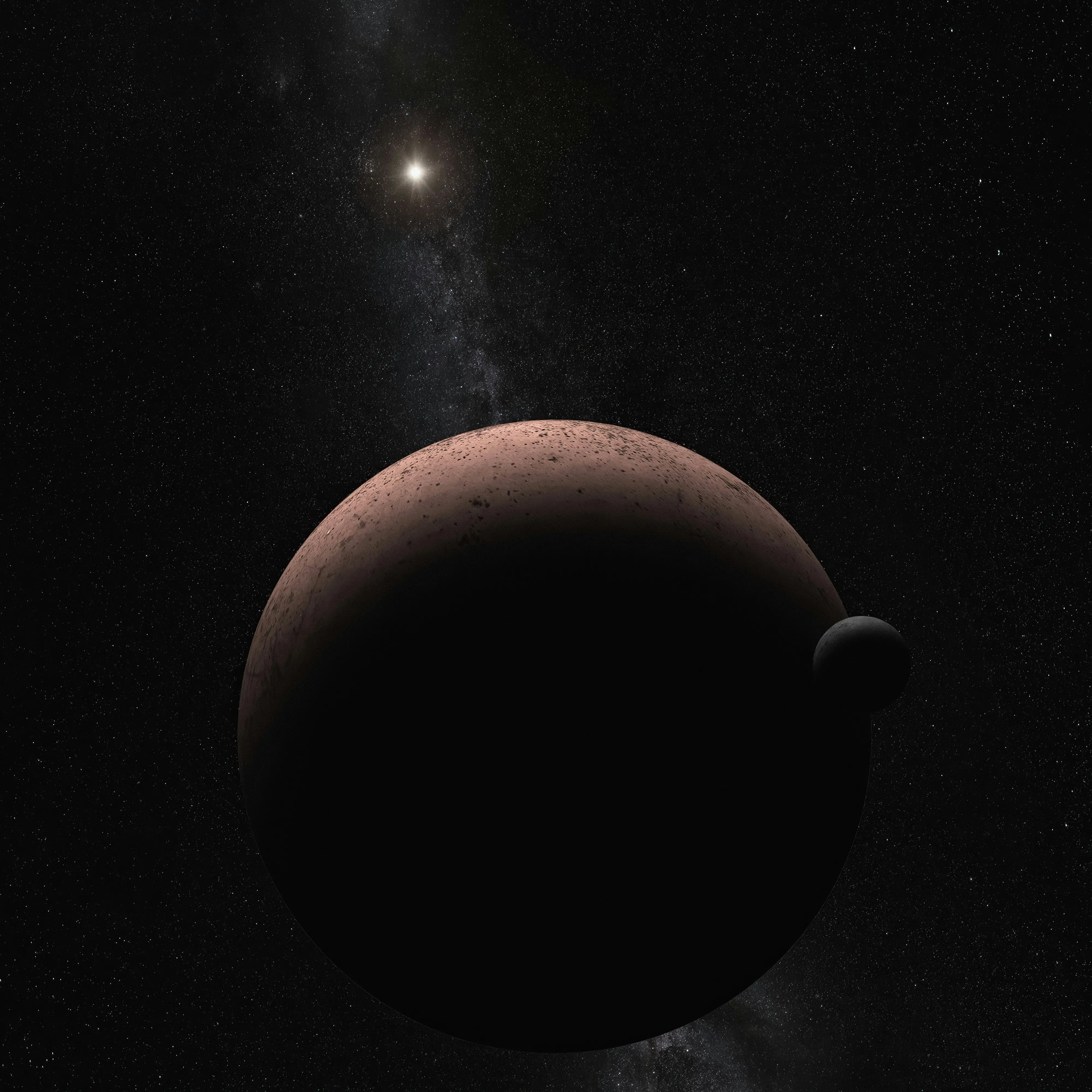
Dwarf planets Pluto, Makemake and Haumea in Kuiper Belt
The Kuiper Belt is home to three officially recognised dwarf planets - Pluto, Haumea, and Makemake. Scientists have found 2,000 Kuiper Belt objects to date, yet they are sure there are hundreds of thousands of them out there. Will we ever find them?
Planet Nine in the Kuiper Belt?
Pluto and Arrokoth are the two famous residents of this region, but some people think that there could be an Earth-like body in the Kuiper Belt. This is "Planet Nine", and scientists have, over the last few years, discovered signs that there could be another planet lurking out there, floating in the Kuiper Belt. Scientists across the world are vying to discover this ninth planet.
)
)
)
)
)