Plastic junk spawns desert island disaster in Pacific

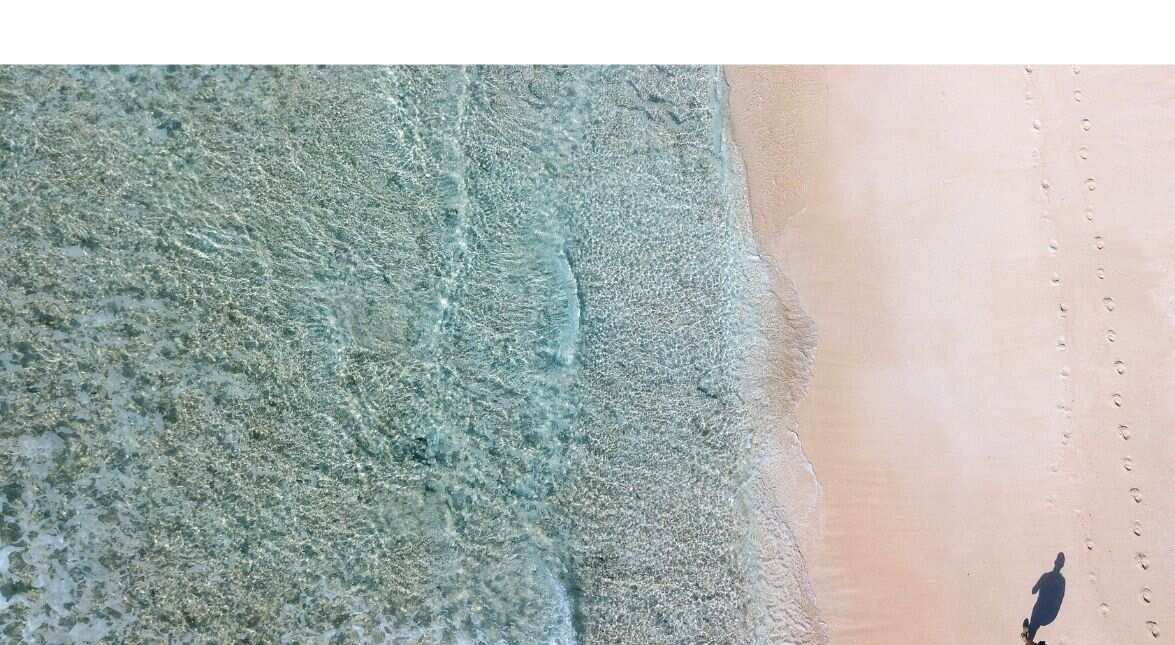
Henderson Island under threat
Henderson Island is an uninhabited coral atoll that lies almost exactly halfway between New Zealand and Peru, with 5,500 kilometres (3,400 miles) of ocean in either direction.
The atoll's ecosytem is so rich that Henderson was included on the UN World Heritage List in 1988, with the body hailing it as an untouched paradise.
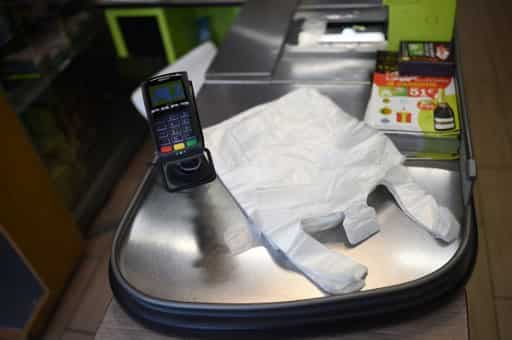
Plastic pollution
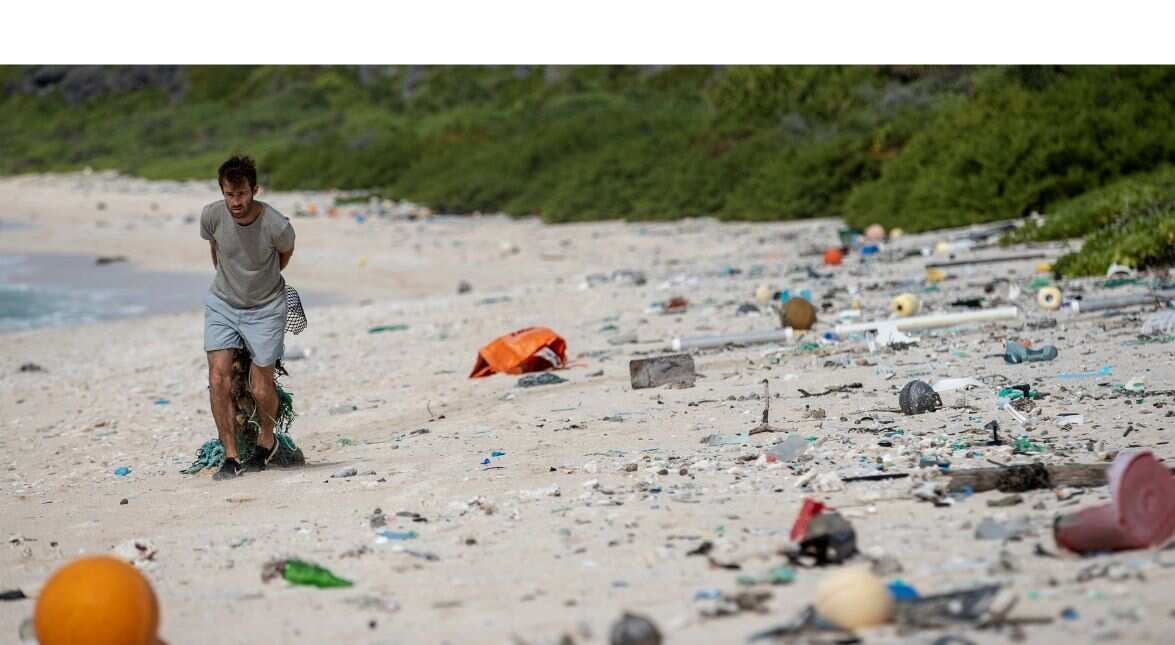
Despite its extreme isolation, a freak confluence of geography and ocean currents means Henderson has one of the highest concentrations of plastic pollution on the planet.
"We found debris from just about everywhere," said Jennifer Lavers, an Australian-based researcher who led an expedition to the island last month.
"We had bottles and containers, all kinds of fishing stuff and it had come from, well, you name it Germany, Canada, the United States, Chile, Argentina, Ecuador."
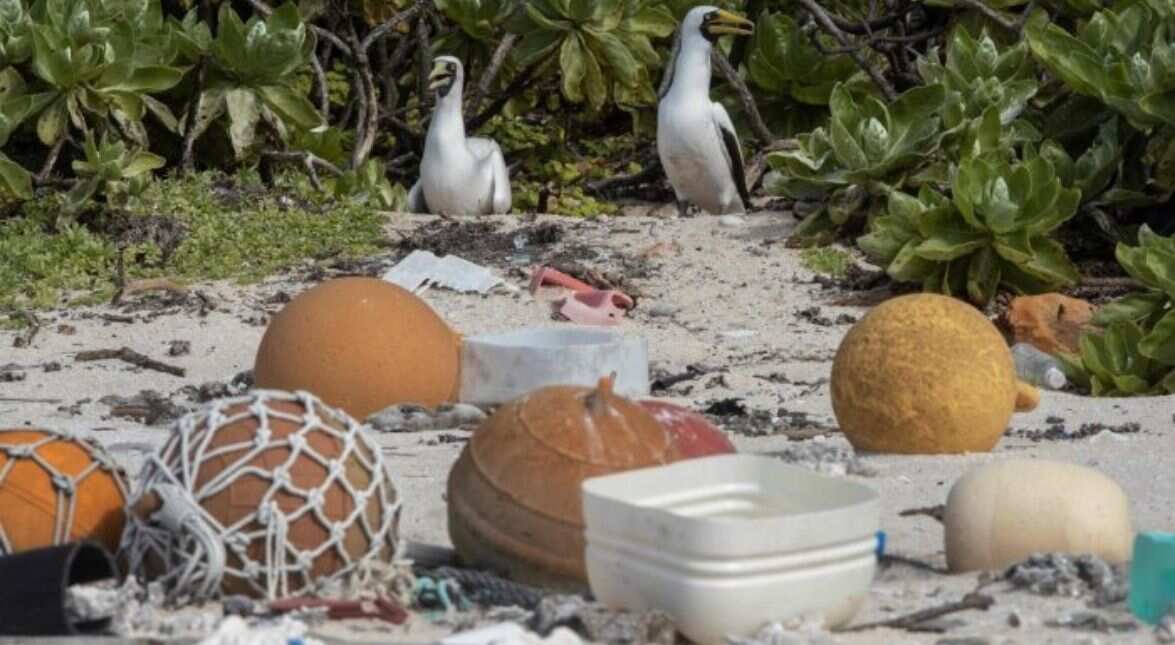
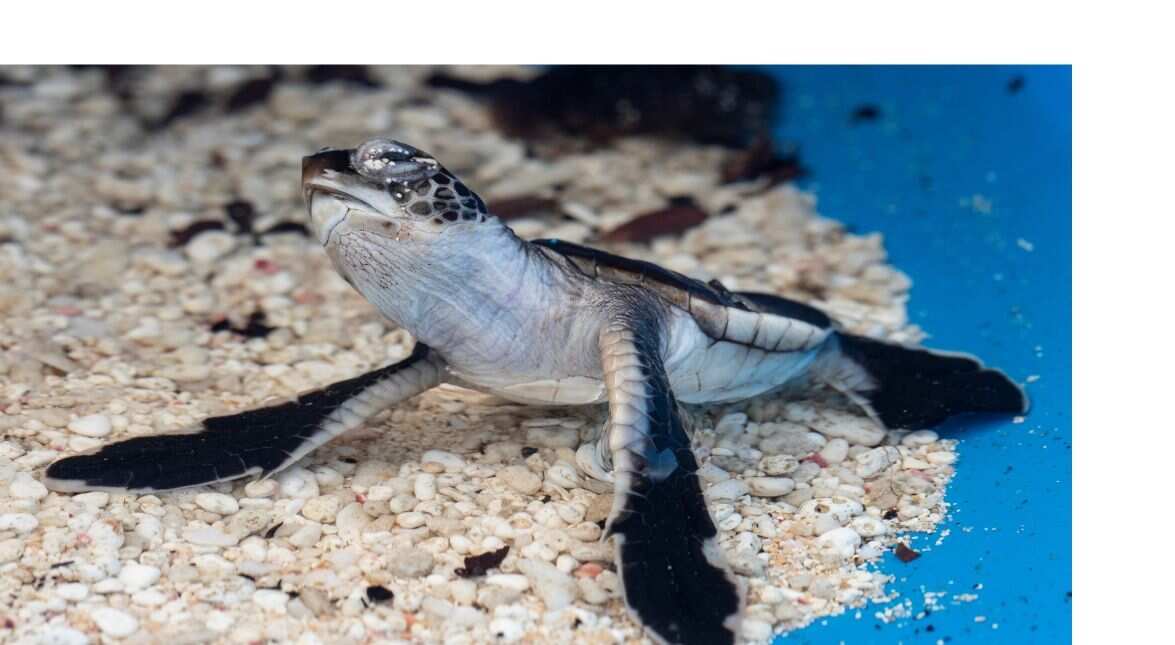
Wildlife endangered
Wildlife endangered
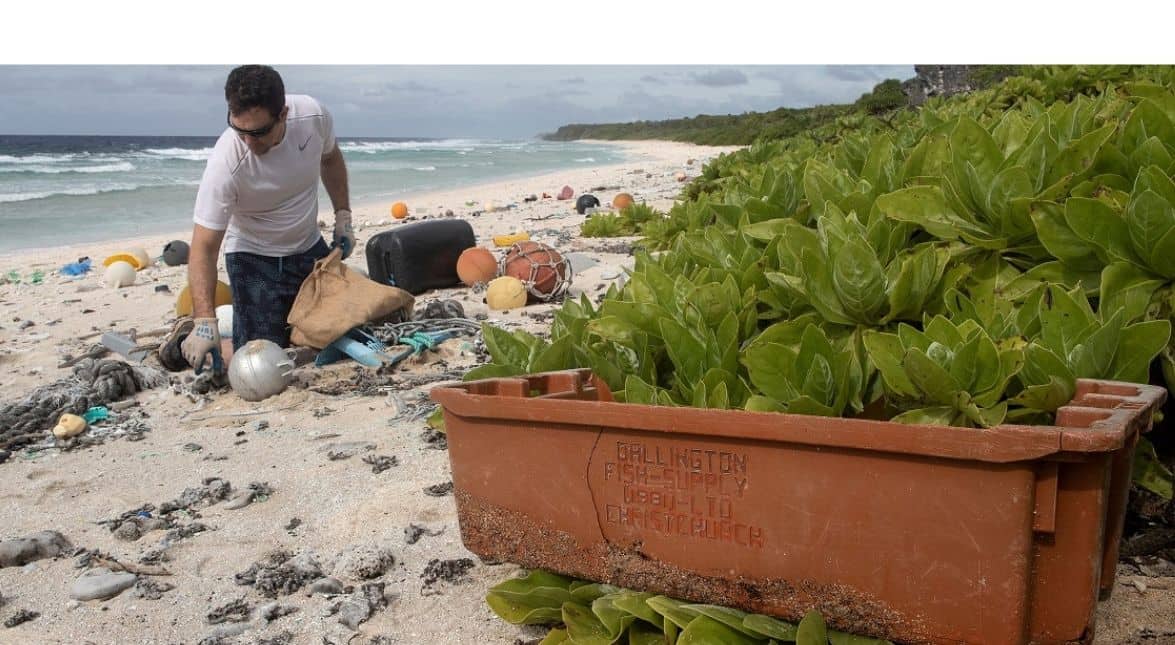
Island under the burden of debris
"We found debris from just about everywhere," said Jennifer Lavers, an Australian-based researcher who led an expedition to the island last month.
"We had bottles and containers, all kinds of fishing stuff and it had come from, well, you name it -- Germany, Canada, the United States, Chile, Argentina, Ecuador.
"It was a real message that every country has a responsibility to protect the environment, even in these remote areas."
Efforts to clean up unsuccessful
Lavers organised a clean-up effort on her most recent trip to the island last month and her team collected six tonnes of plastic garbage from the beach over two gruelling weeks.
They were unable to take away the rubbish because their ship could not find a safe mooring on the rugged coastline, instead storing it above the high-tide line for future removal.
Lavers admitted it was "heartbreaking" to make such a mammoth effort only to see more garbage floating ashore where they had just cleaned.
Won't give up
The marine scientist, who plans further trips to Henderson in 2020 and 2021, said the experience underlined the fact that clean-ups were not a long-term solution to the ocean's pollution crisis.
"It just speaks to the importance of shutting off the tap at the source," she said, calling for tighter restrictions on single-use plastics.
)
)
)
)
)