Plastic crisis? How the Iran war is choking petrochemical supply chains and driving price shock across Asia

The conflict has disrupted the flow of critical feedstocks, highlighting how deeply global manufacturing depends on Middle Eastern energy supplies.
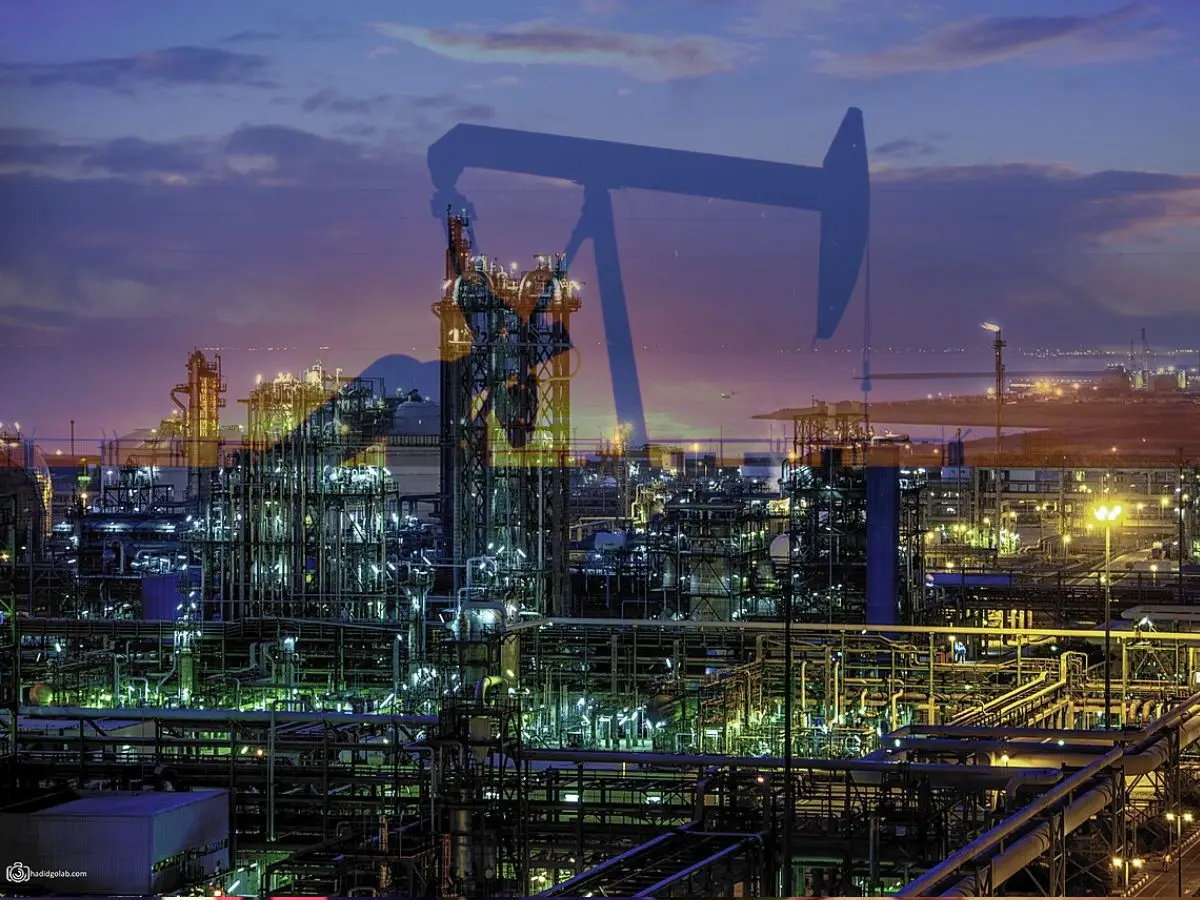
A Crisis Beyond Oil
The global petrochemical landscape is facing a severe disruption as the conflict involving Iran chokes key arteries of energy and chemical trade. No longer confined to oil markets, the crisis is now spilling into petrochemical supply chains across Asia, driving up the cost of plastics used in everyday goods. According to Reuters, the conflict has disrupted the flow of critical feedstocks, highlighting how deeply global manufacturing depends on Middle Eastern energy supplies.
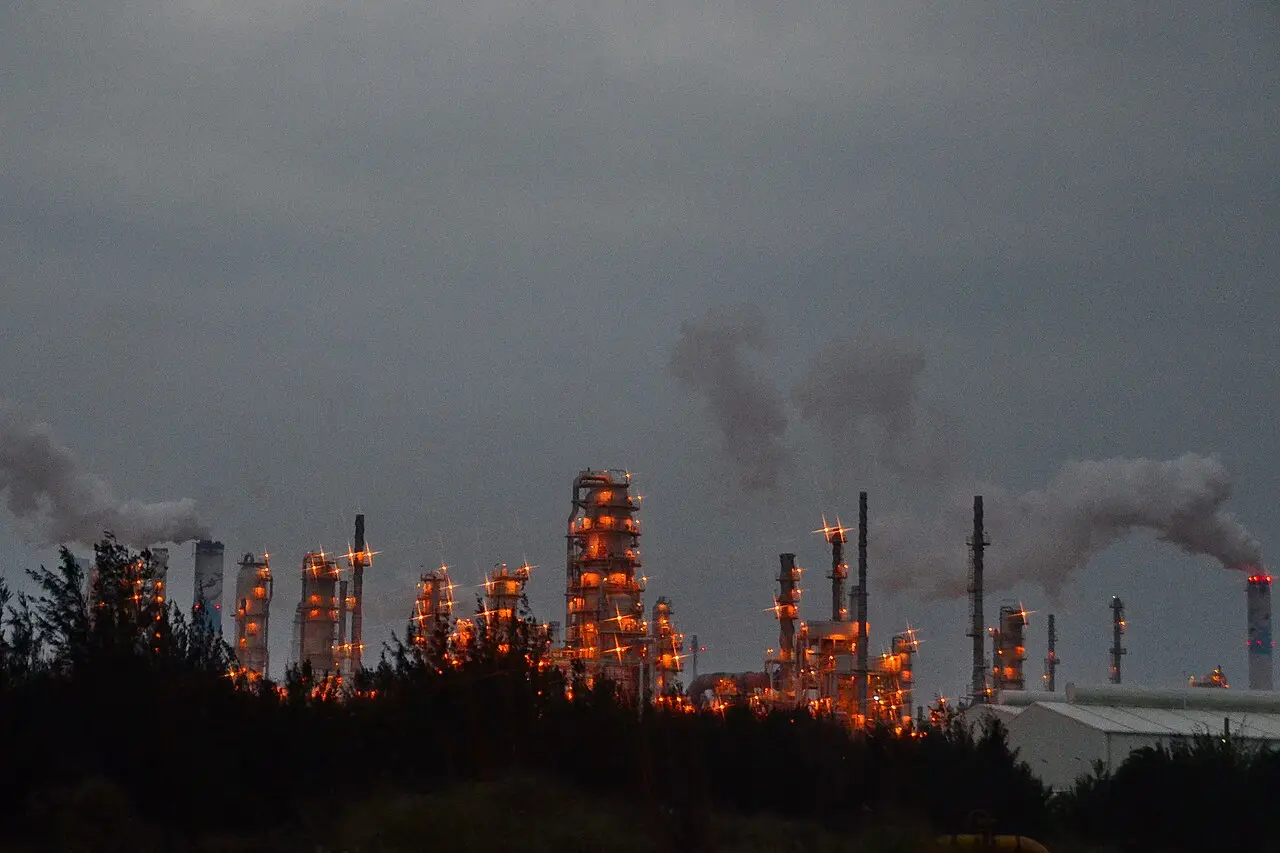
Supply Chains Under Strain
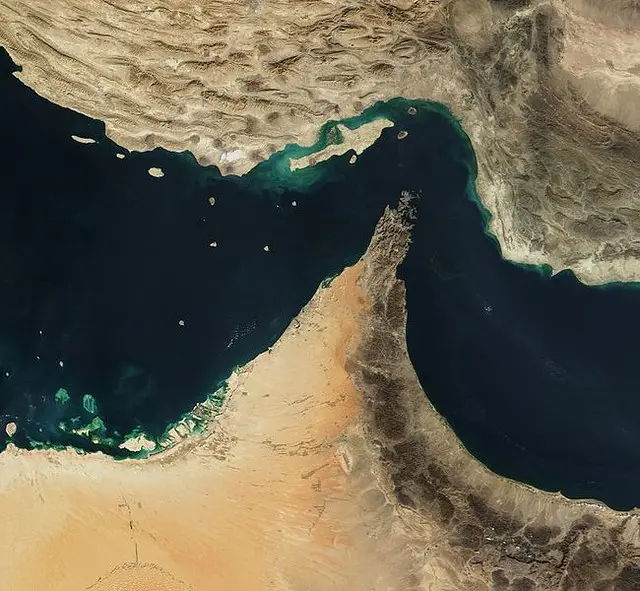
About $20 billion to $25 billion worth of petrochemical products pass through the Strait annually, according to Rabobank. Since the corridor that handles around 20 per cent of the world’s liquefied natural gas and 25 per cent of seaborne oil is effectively constrained, the impact has extended beyond energy markets into essential industrial materials, particularly plastics. As Reuters reports, the war is “squeezing supplies of critical raw materials”, affecting industries far beyond energy.
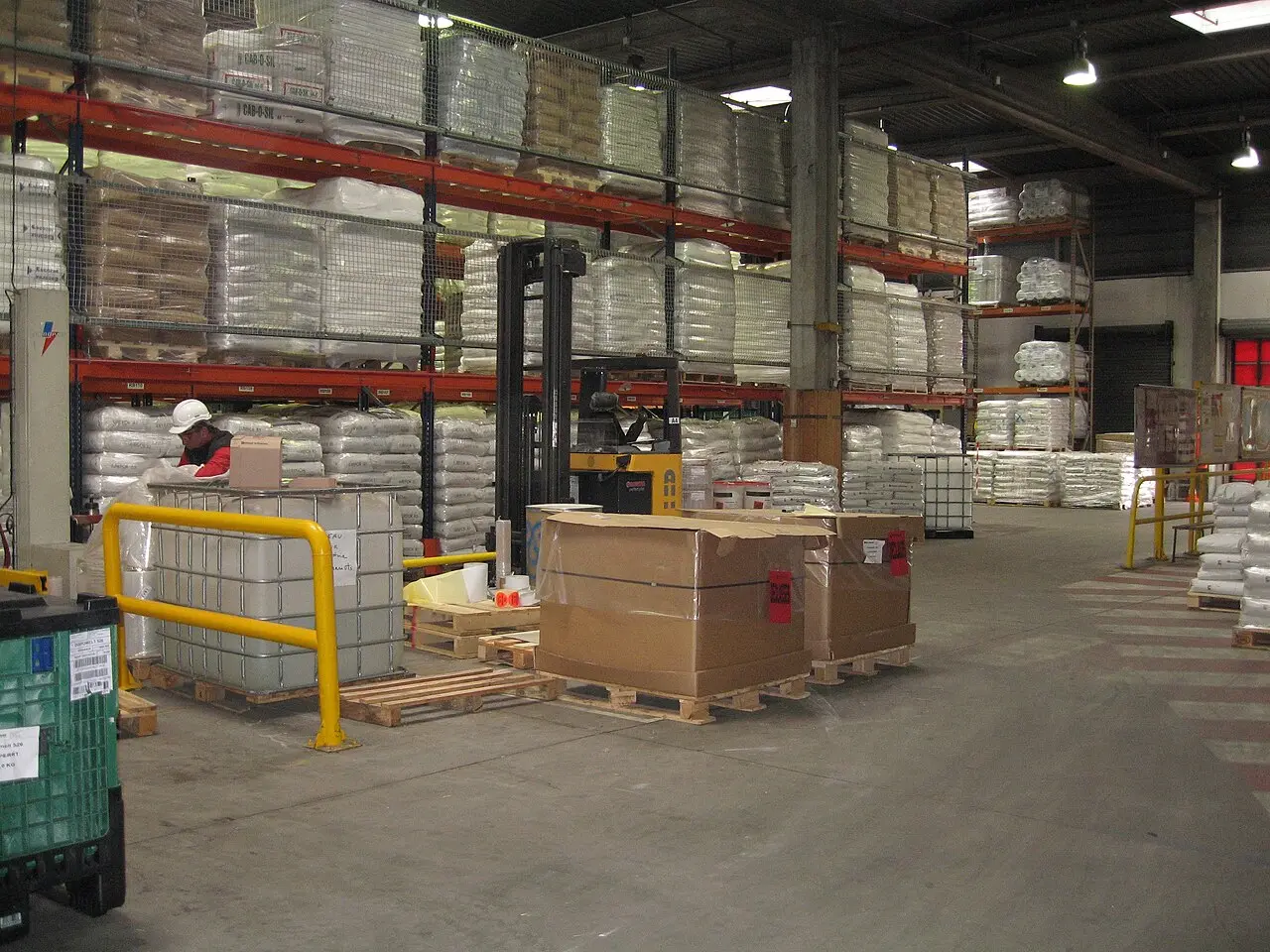
Naphtha Shortage Hits Production
Plastics production varies significantly by region. In the United States, manufacturers primarily rely on natural gas and related feedstocks, according to the Energy Information Administration. In contrast, producers across Asia and Europe depend largely on naphtha, a crude-oil derivative, making them more exposed to disruptions in oil-linked supply chains. The conflict has sharply driven up costs.
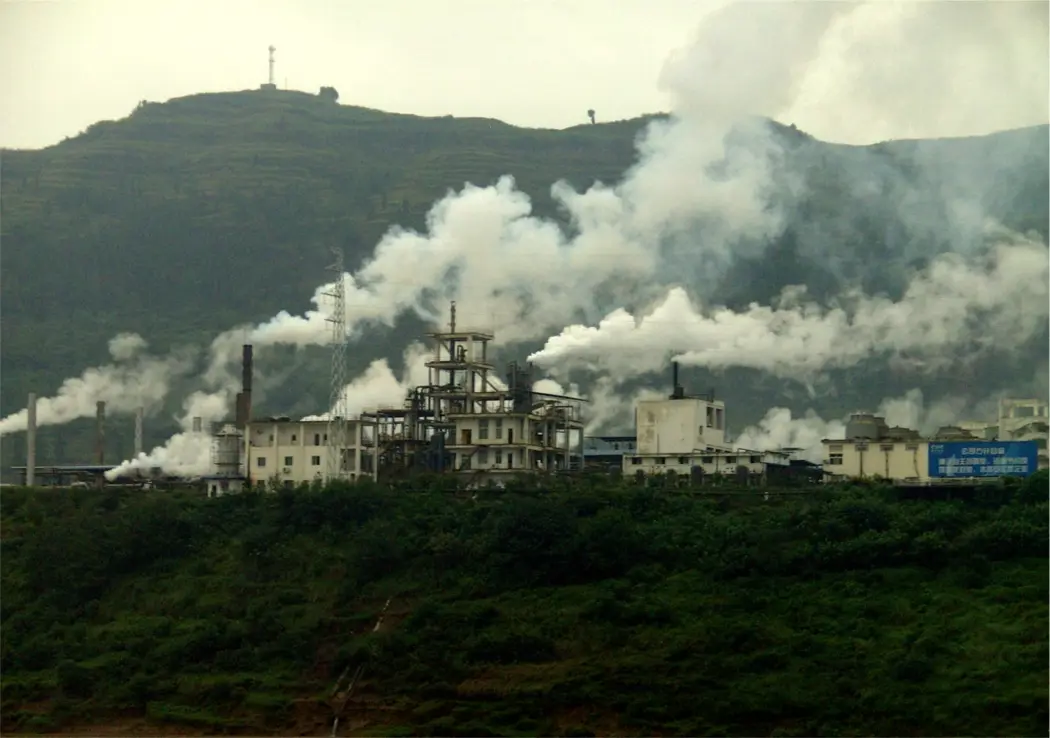
producers forced to cut operations
Data from LSEG shows Asia’s naphtha refining margin has surged to over $400 per tonne above Brent crude, compared with about $108 per tonne before the war. With shipments from the Middle East disrupted, many producers have been forced to cut operations or declare force majeure, according to Reuters. Plastic manufacturers in Asia and Europe are facing higher input costs and tighter margins, reflecting their heavy reliance on imported feedstocks.
Factories Scale Back Output
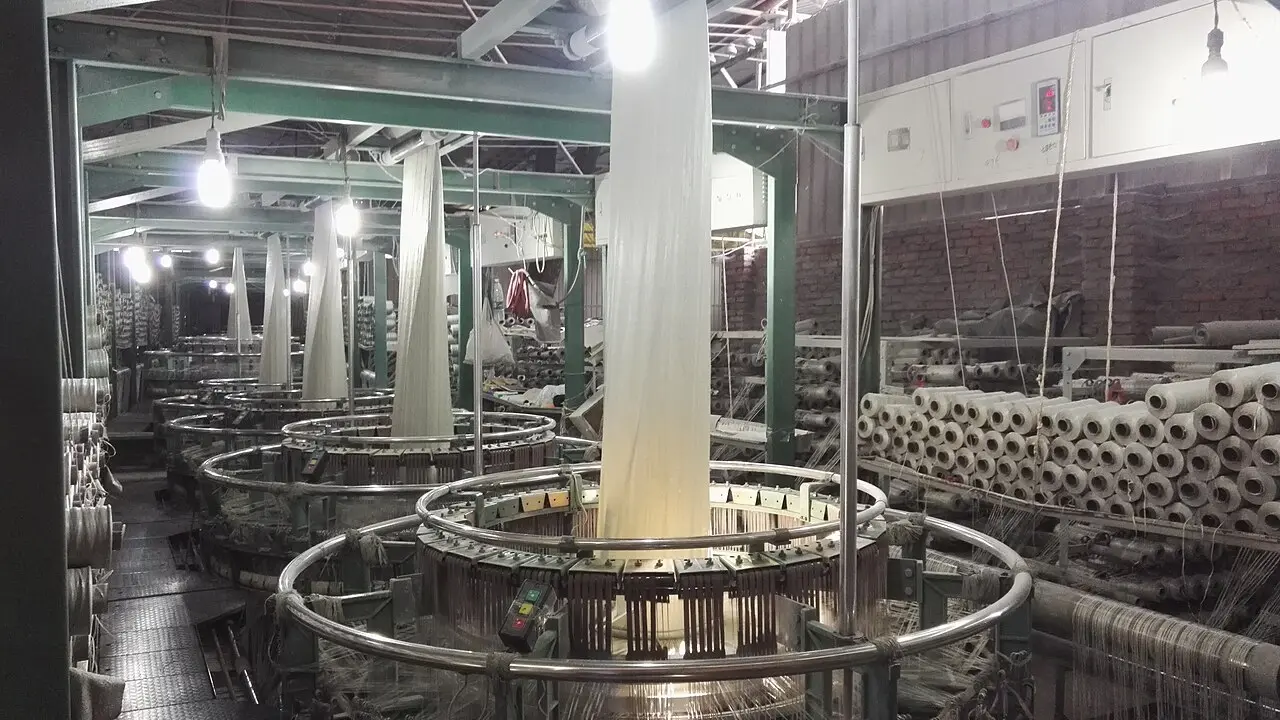
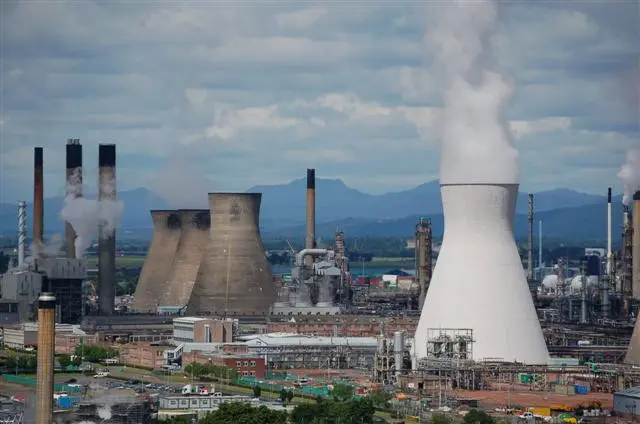
Across Asia, petrochemical plants are reducing run rates or halting units altogether. Some operators are curtailing production simply to stretch limited feedstock supplies. Restarting facilities can take weeks, making shutdowns costly and difficult to reverse.
Prices Surge Across Markets
The supply crunch is already feeding through to prices. The cost of polymers and resins, used in products ranging from automotive components to toys, has climbed to roughly four-year highs. This has forced buyers to seek alternative sources, intensifying pressure across global markets. According to Reuters, global buyers are “scrambling to replace Middle East supplies”, a shift that is driving sustained increases in plastic prices.
Asia Bears the Brunt
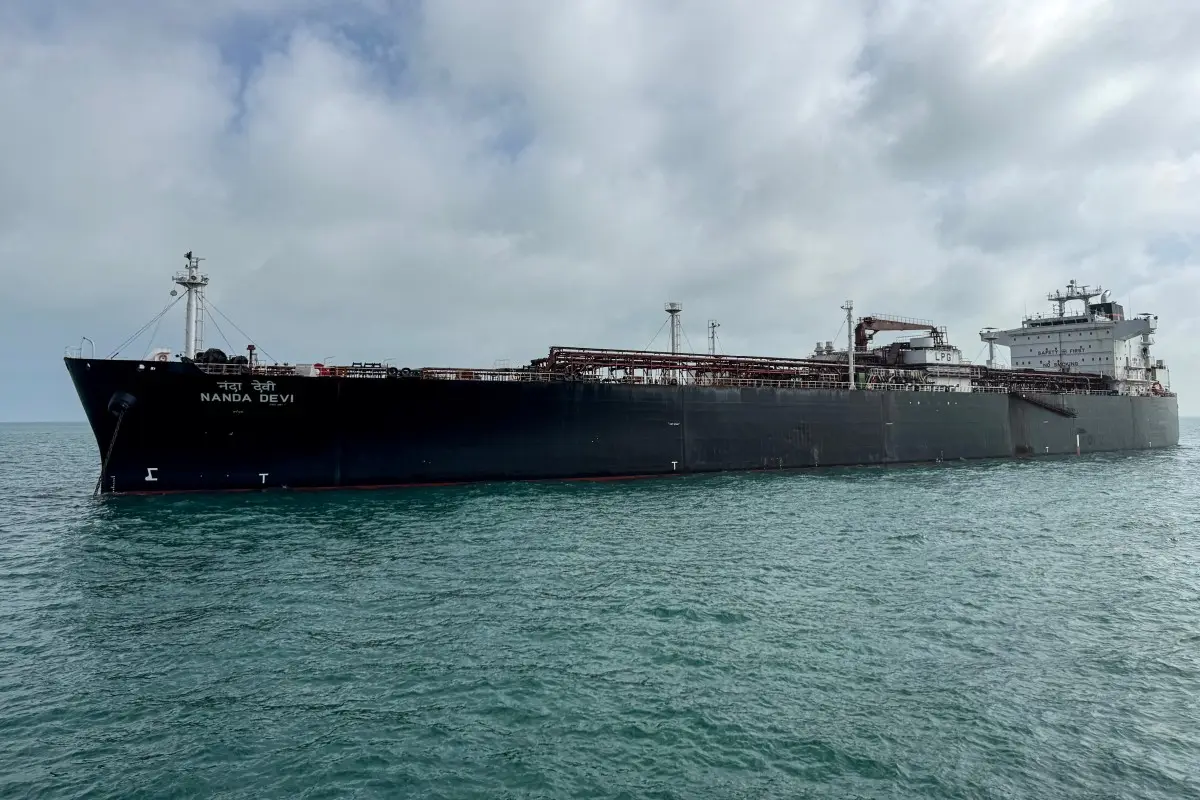
Asia is particularly exposed due to its heavy reliance on Middle Eastern energy and feedstocks. The region’s manufacturing base depends on steady imports, leaving it vulnerable to supply shocks. As shipping disruptions intensify, industries ranging from packaging to consumer goods are feeling the impact.
A Wider Economic Ripple
The petrochemical disruption shows a broader trend: the Iran war is reshaping global supply chains. From plastics to fertilisers and fuel, the conflict is driving inflationary pressures and forcing industries to reassess sourcing strategies. The effects are already visible in rising costs across Asia, with plastics emerging as one of the clearest signs of a deepening economic shock.
)
)
)
)
)