Planning a holiday trip? National Geographic names world’s top 10 travel destinations for 2026

National Geographic has revealed its top travel destinations for 2026. The list spans Alpine Europe, China’s cultural corridors and the Caribbean’s first sperm whale reserve, spotlighting places where nature, heritage and innovation meet. Let's have a look at the top 10 spot.
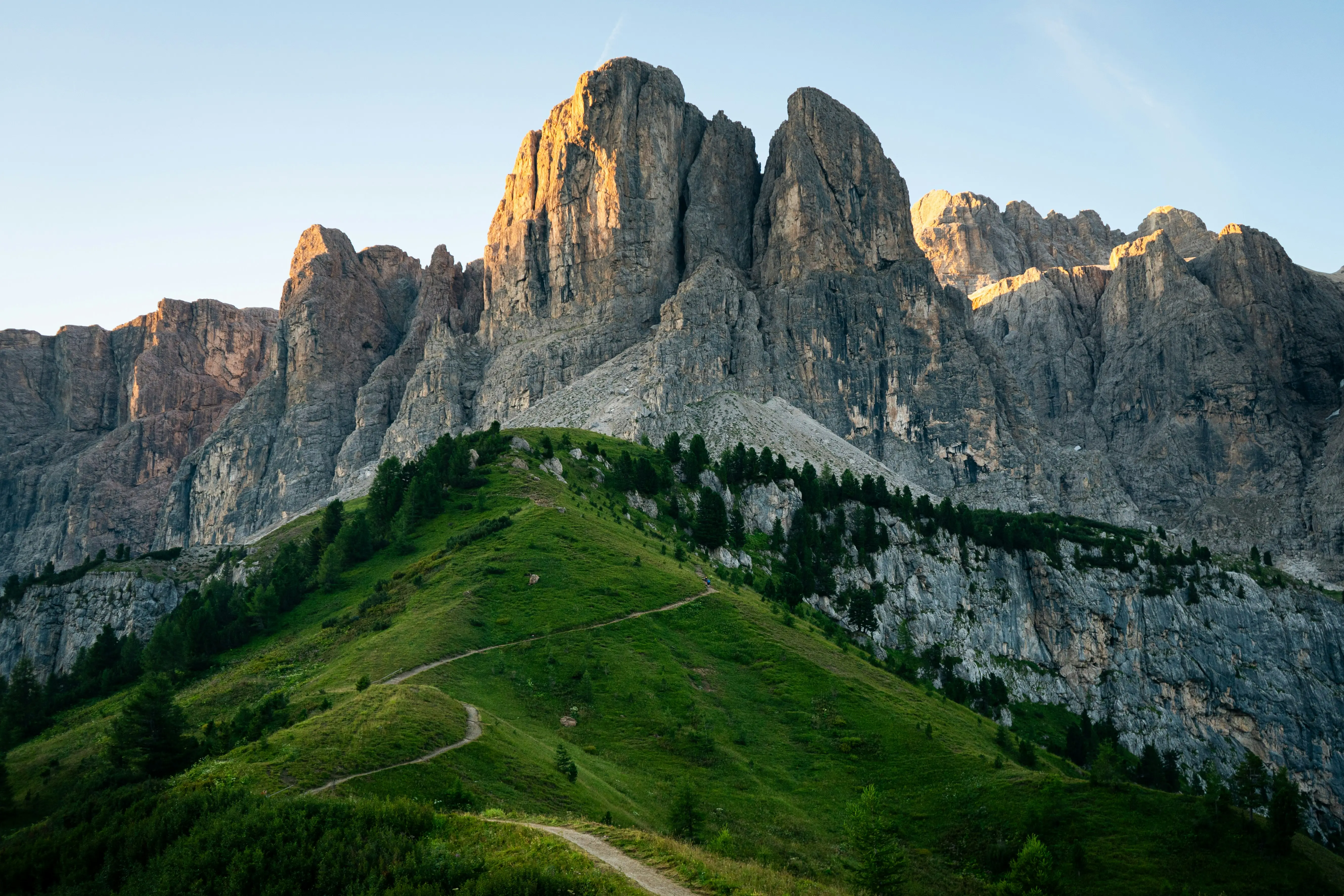
1. The Dolomites, Italy
Based on the list released by the National Geographic for 2026 shows that Italy’s Dolomites offer dramatic Alpine scenery with jagged peaks, flower-filled meadows and world-class skiing. Cortina d’Ampezzo, part of the region’s vast ski network, will host the 2026 Winter Olympics and Paralympics, adding to its appeal. Beyond sports, visitors can explore Ladin culture, mountain villages and museums, making the Dolomites a blend of nature, heritage and global sporting spectacle.

2. Quebec, Canada
Quebec’s remote Nibiischi National Park in Canada showcases pristine lakes, boreal forests and Indigenous-led experiences. Accessible from Montreal, the region offers waterfront cabins, floating chalets and scenic walkways. Year-round activities include storytelling, survival skills and cultural programmes, while Montreal adds contemporary First Nations and Inuit art, making Quebec a destination rooted in nature, culture and sustainability. It marks one of the best options to make your trip in 2026.

3. Beijing, China
Beijing is opening new doors to its imperial past with the UNESCO-listed Beijing Central Axis, a five-mile stretch of historic landmarks. A new sightseeing bus connects iconic sites like the Forbidden City, Temple of Heaven and Drum Towers. Visitors can also explore the Great Wall at night, Ming-era tombs and new hiking trails, blending ancient heritage with modern tourism infrastructure.
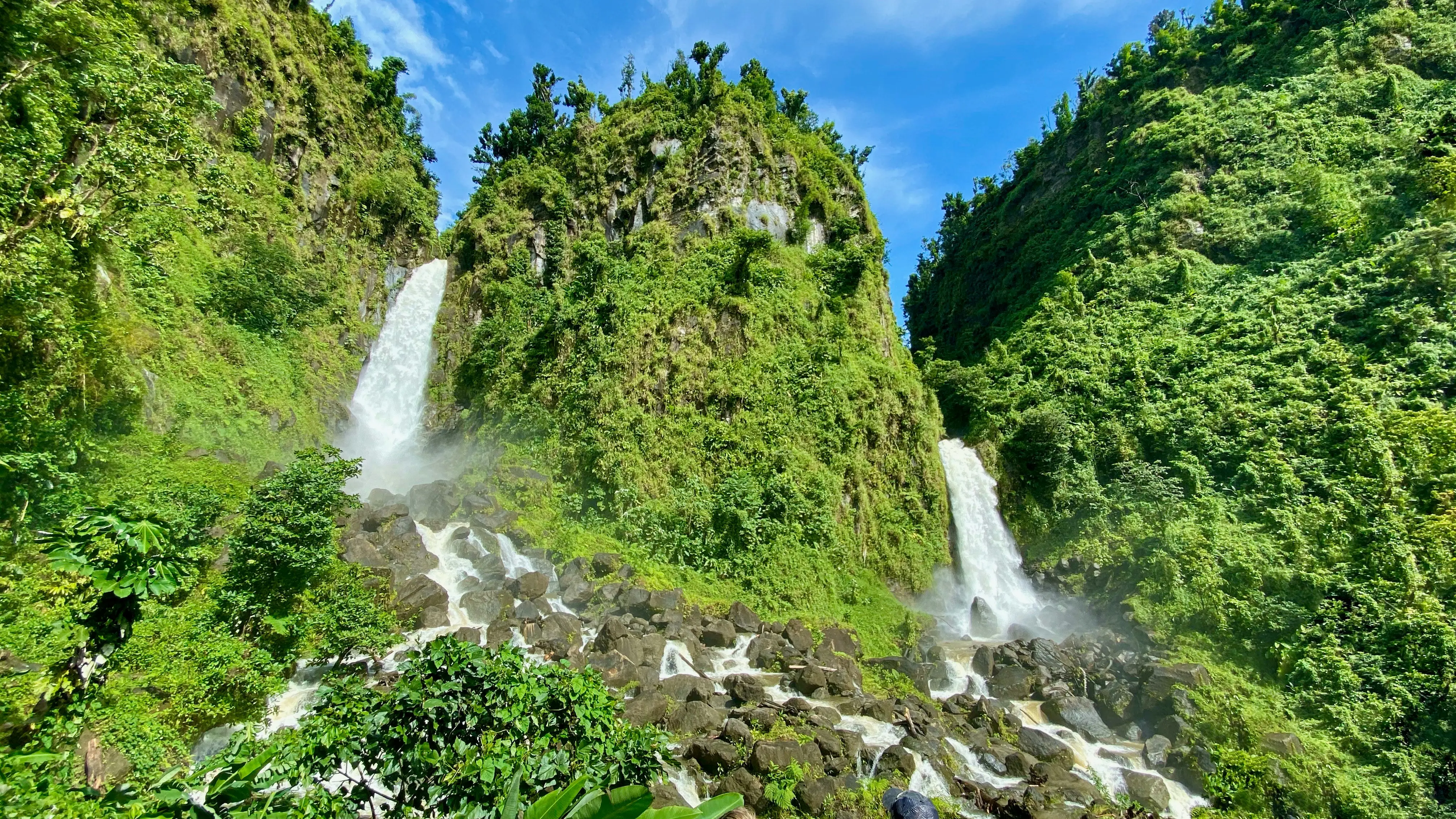
4. Dominica
Dominica is set to create the world’s first sperm whale reserve, protecting the Caribbean island’s year-round whale population. Visitors can responsibly swim with or observe sperm whales under expert supervision. On land, dense rainforests, hot springs and waterfalls dominate the rugged landscape. A record-breaking cable car system will further open up Dominica’s wild interior, reinforcing its reputation as a nature-first destination.
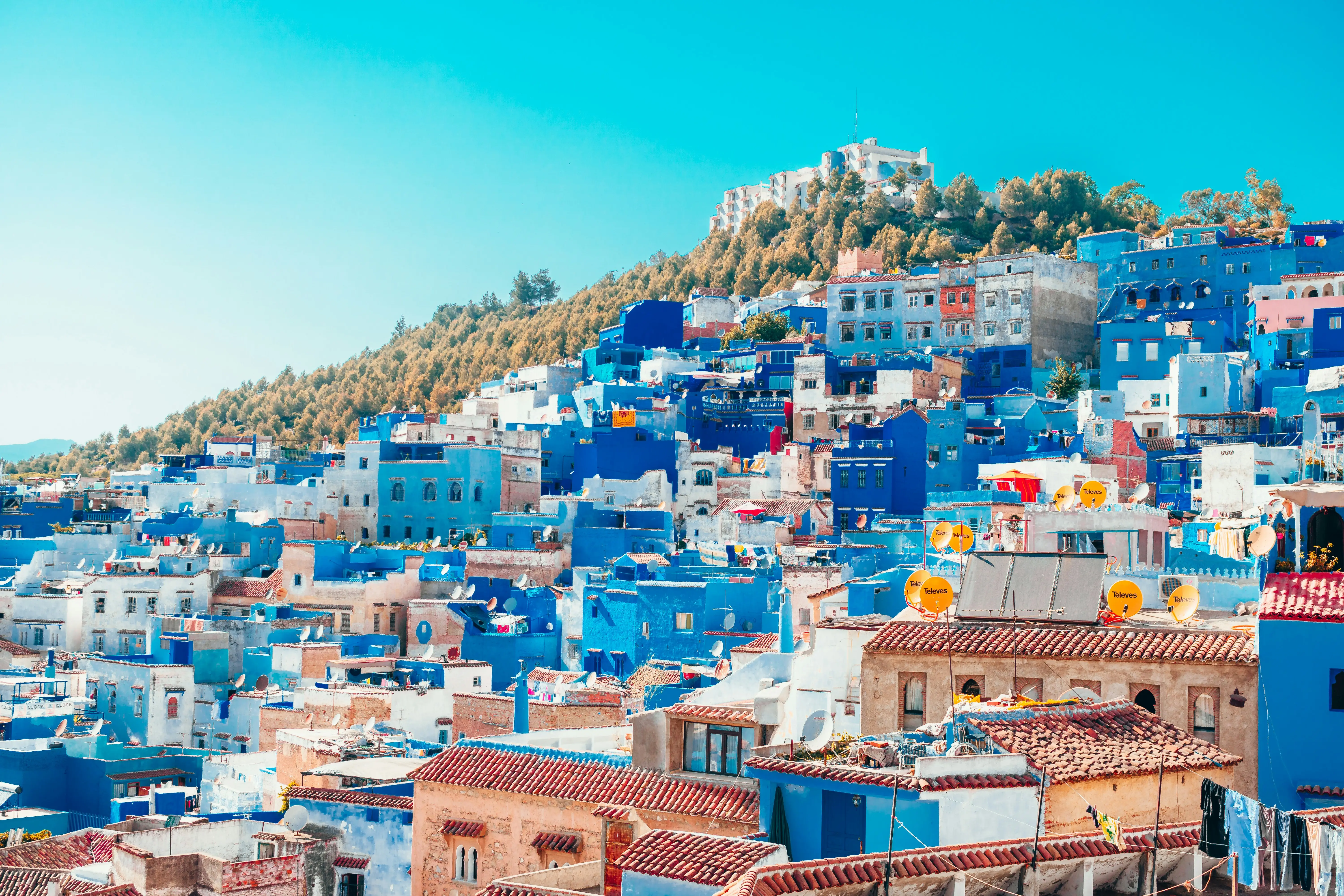
5. Rabat, Morocco
Morocco’s capital, Rabat, seamlessly blends historic charm with modern architecture. From the medieval Kasbah of Oudaya to the French-era Ville Nouvelle, the city reflects a layered history. New landmarks like the Zaha Hadid-designed Royal Theatre and the Mohammed VI Tower add contemporary flair. Museums, restored ruins and Rabat’s designation as UNESCO’s 2026 World Book Capital highlight its cultural depth.
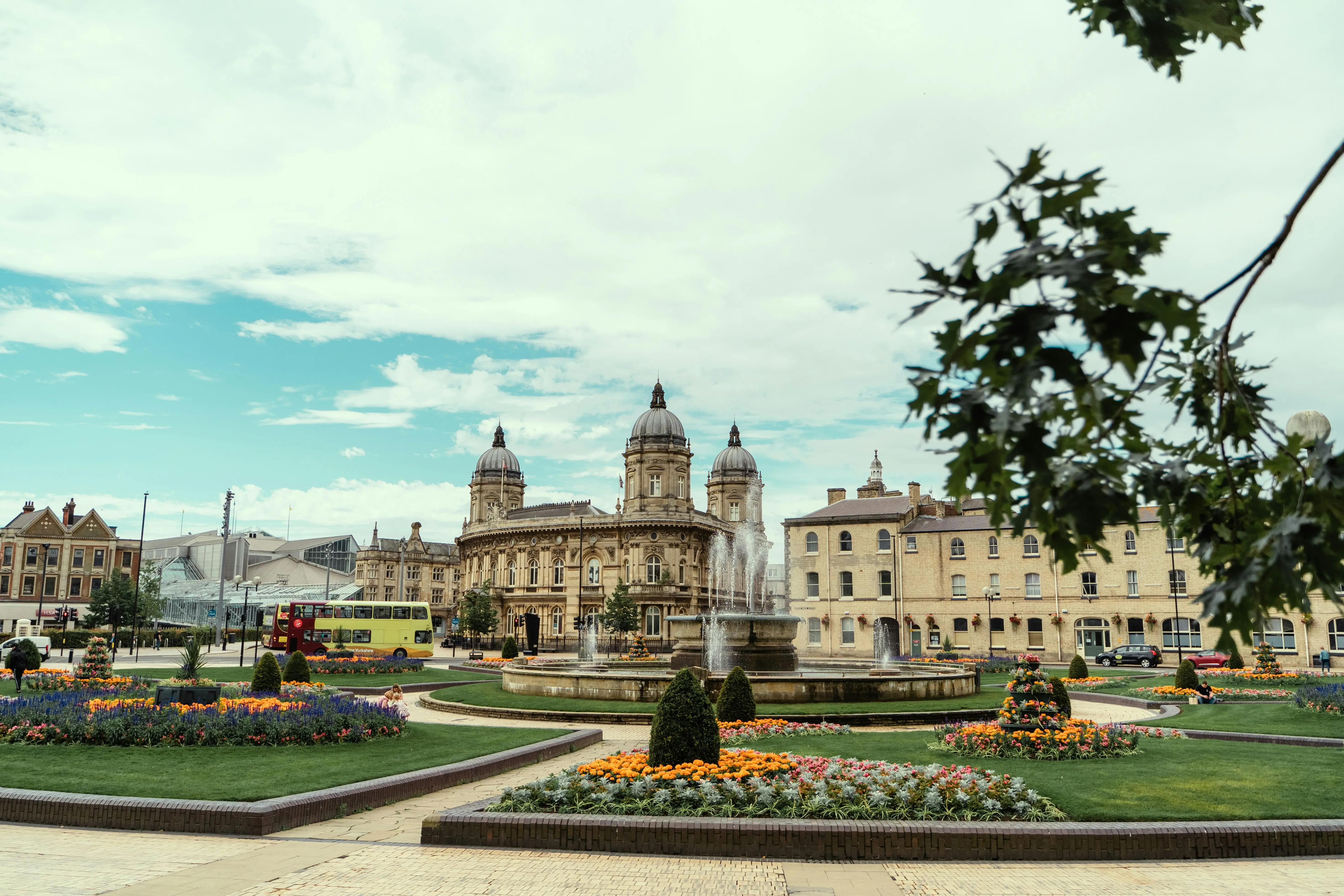
6. Hull, Yorkshire, England
Hull, once a major whaling and shipping hub, is reinventing its maritime legacy through a major heritage project completing in 2026. New museums, docked historic ships, and a maritime trail bring its seafaring past to life. Revamped markets, waterfront venues and attractions like The Deep aquarium add modern appeal, while the city’s Georgian Old Town offers history, culture and green public spaces.
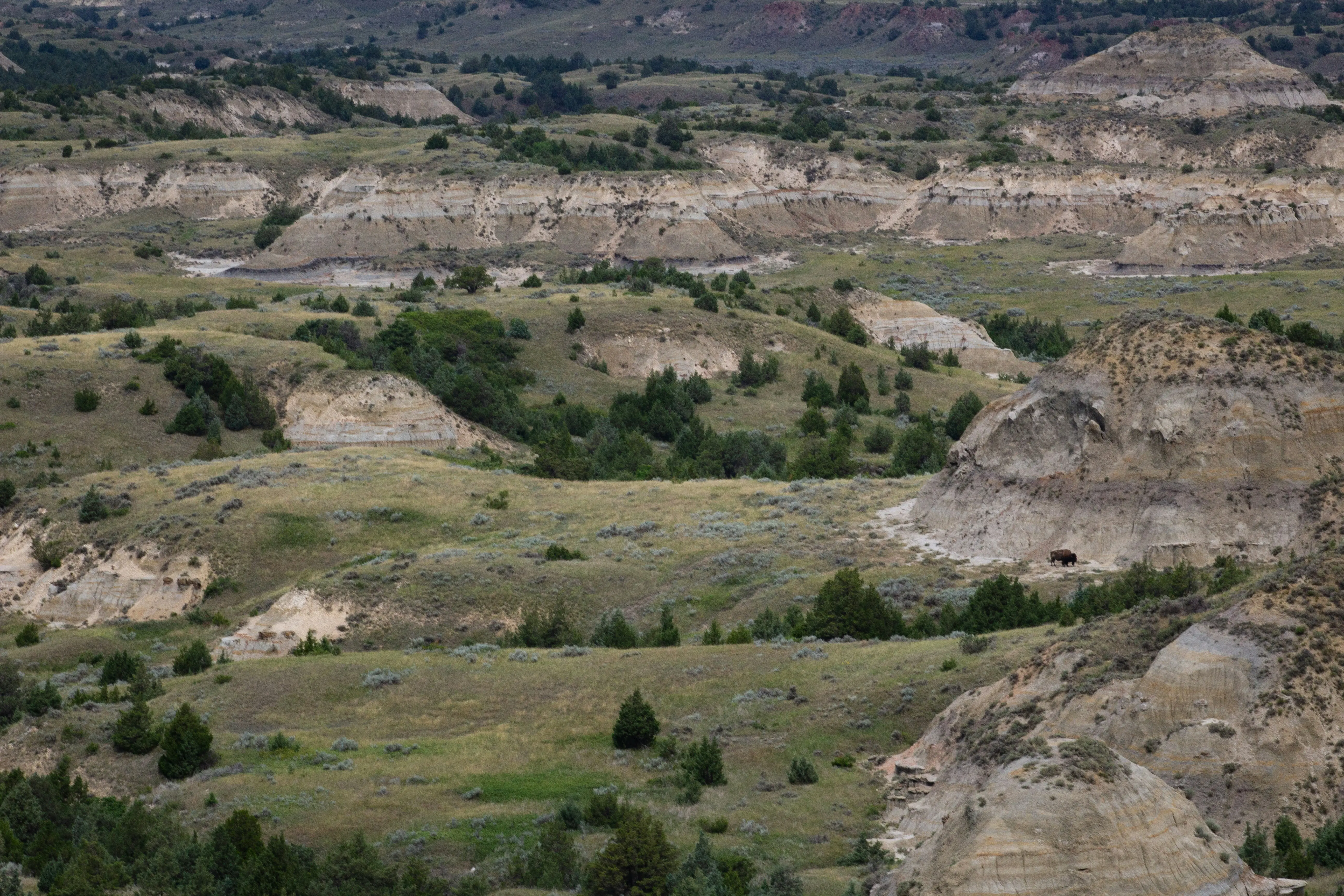
7. North Dakota Badlands, USA
The rugged Badlands of North Dakota will unveil the Theodore Roosevelt Presidential Library in 2026, overlooking landscapes that shaped Roosevelt’s conservation ideals. Designed to blend into the terrain, the library features interactive exhibits and scenic trails. Nearby Theodore Roosevelt National Park offers wildlife-filled plains, making the region a powerful mix of history, architecture and untamed American wilderness.
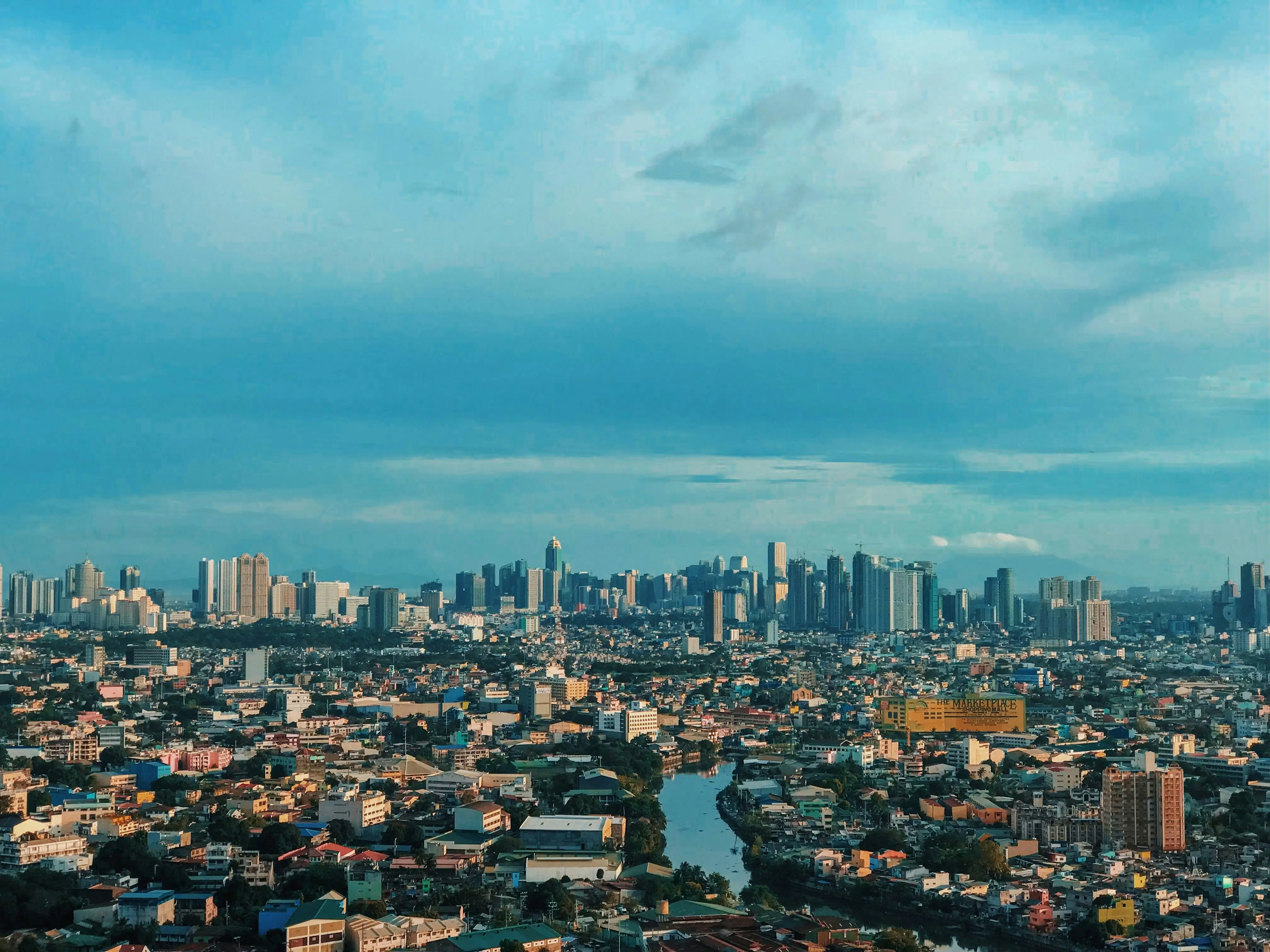
8. Manila, Philippines
Manila is emerging as a top Asian food destination, spotlighted by the Michelin Guide. The city’s cuisine reflects centuries of Indigenous, Spanish, Chinese and Malay influences, best explored through vibrant markets and neighbourhood eateries. From classic comfort dishes to modern tasting menus, Manila’s food scene tells the story of the Philippines’ layered cultural history through flavour-rich experiences.
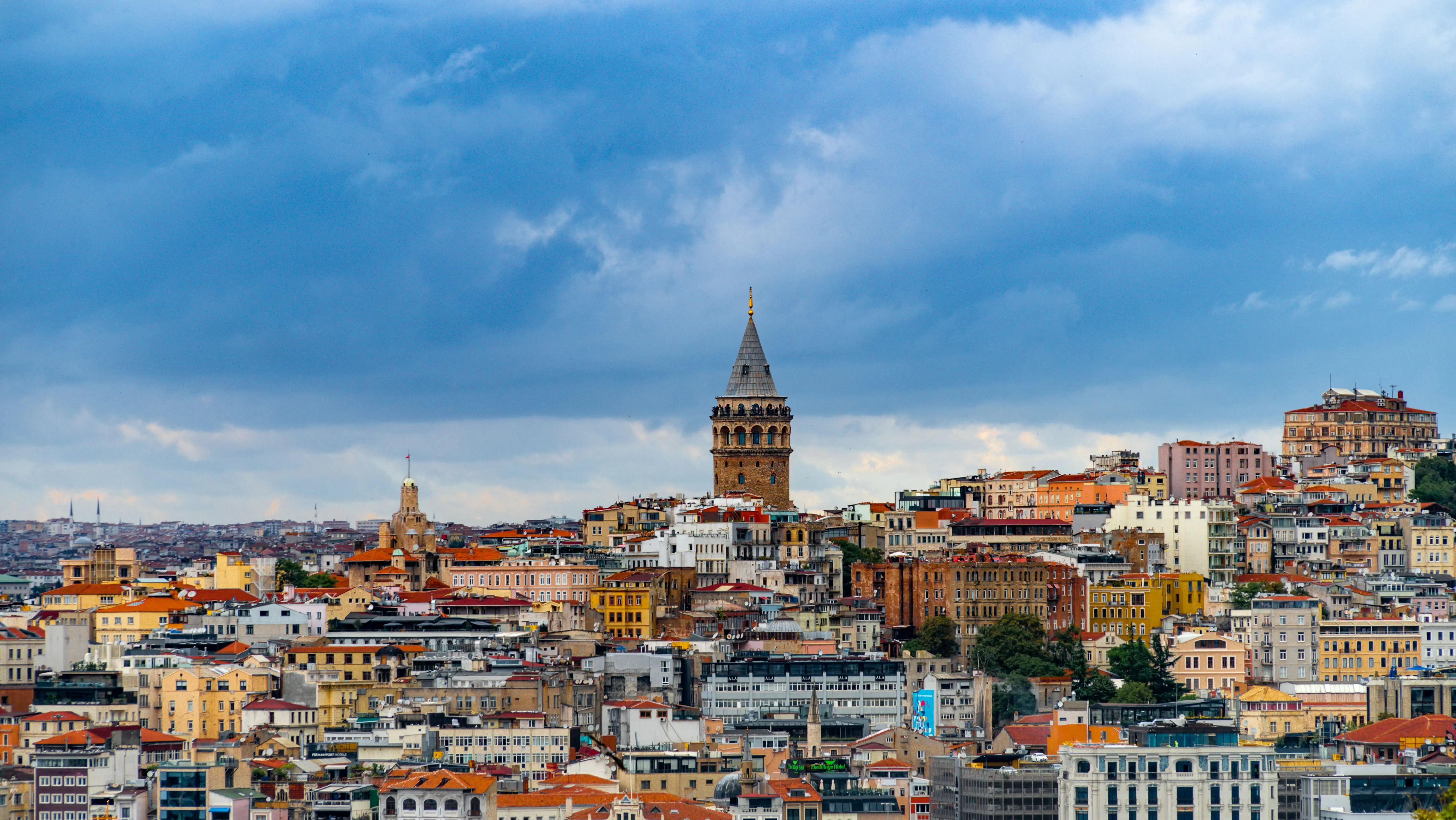
9. Black Sea Coast, Türkiye
Türkiye’s Black Sea coast combines mountains, beaches and culture, offering rare experiences like skiing and surfing in a single day. Coastal towns feature calm beaches and historic architecture, while inland regions produce famous black tea. Adventurers can ski, hike, zip-line or explore national parks, while local cuisine, fresh seafood and regional specialities add to the region’s distinct charm.
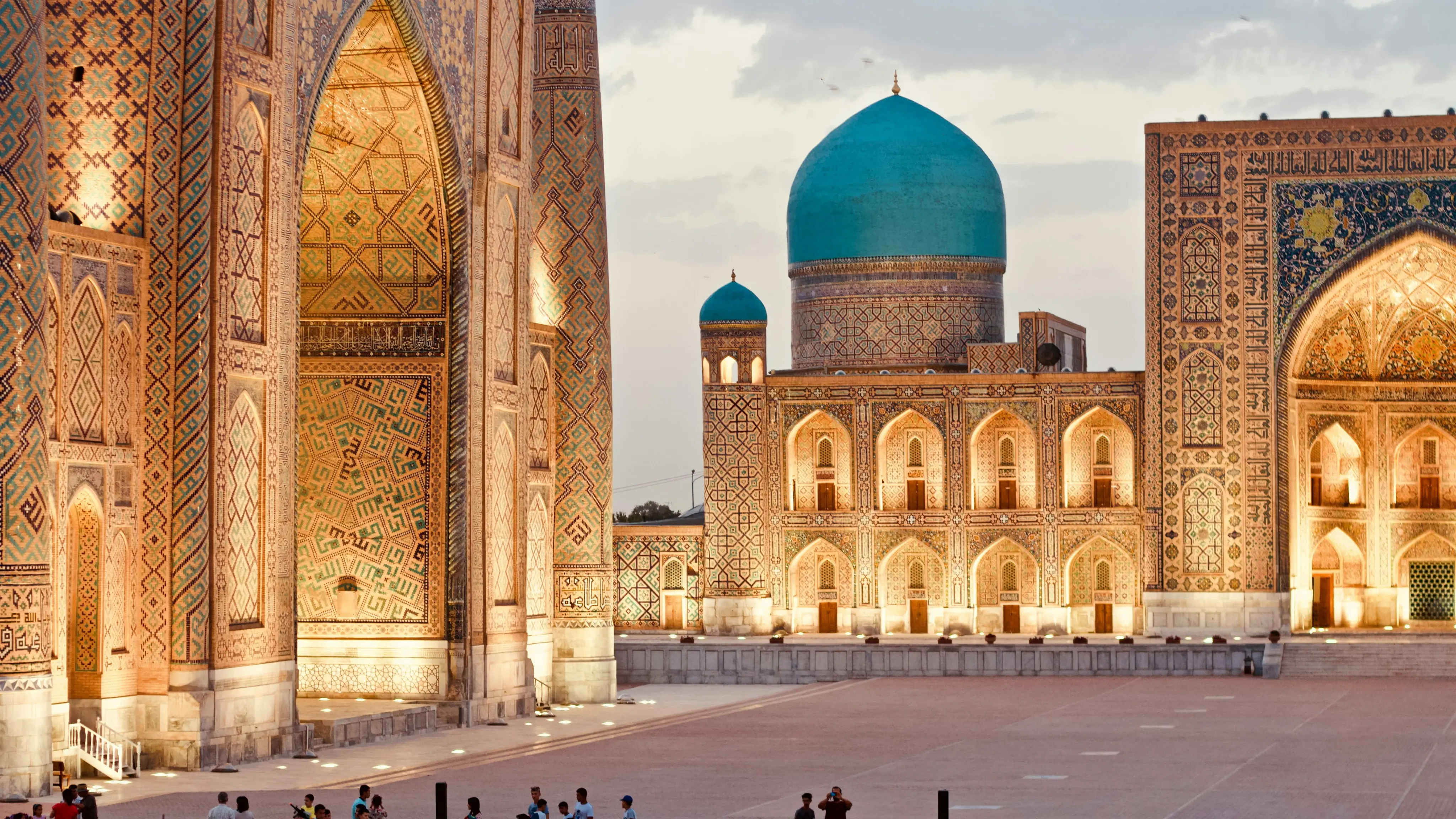
10. Khiva, Uzbekistan
Khiva, a UNESCO-listed Silk Road city, is set for a tourism boost in 2026 with faster trains, luxury accommodation and new resorts. Inside its ancient walled city, travellers can explore ornate madrasas, mosques and palaces. Festivals, dance events and traditional games bring the city’s culture alive, making Khiva a destination where history, modern comfort and living traditions intersect.
)
)
)
)
)