Pilot sucked out of plane at 17,000 ft! How he miraculously lived to tell the tale of a mid-flight nightmare

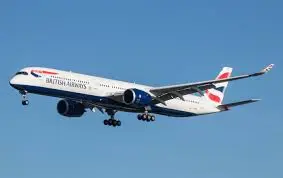
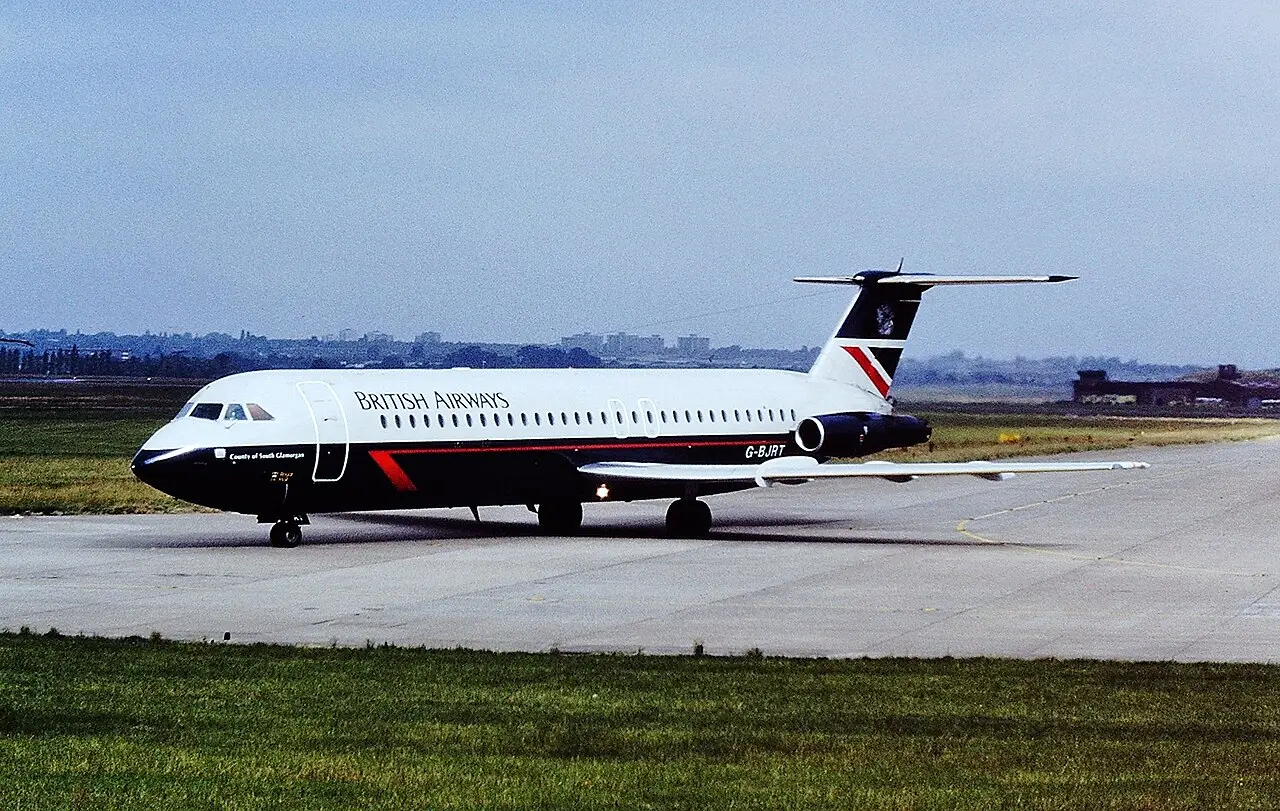
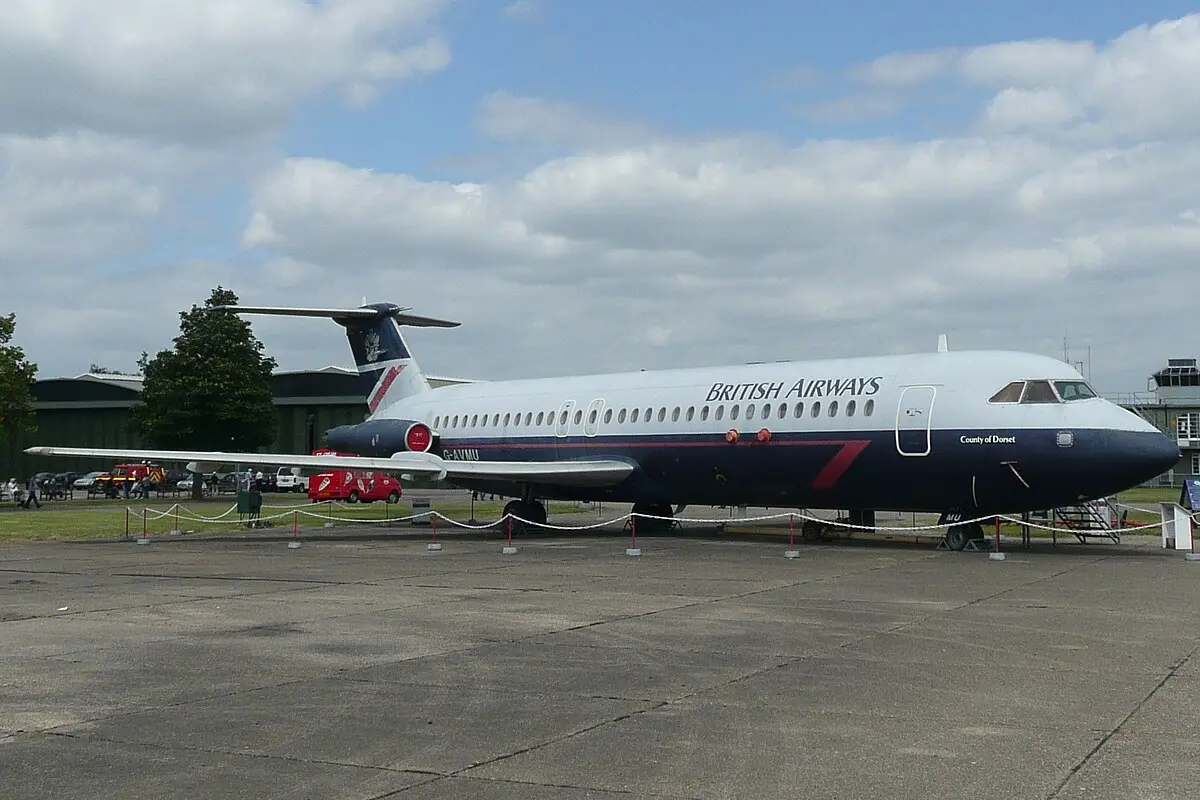
On 10 June 1990, British Airways Flight 5390 departed Birmingham Airport for Málaga with 81 passengers and six crew on board. Operated by a BAC 1-11-500, the flight was scheduled to take around two and a half hours.
A Routine Flight Turns Perilous
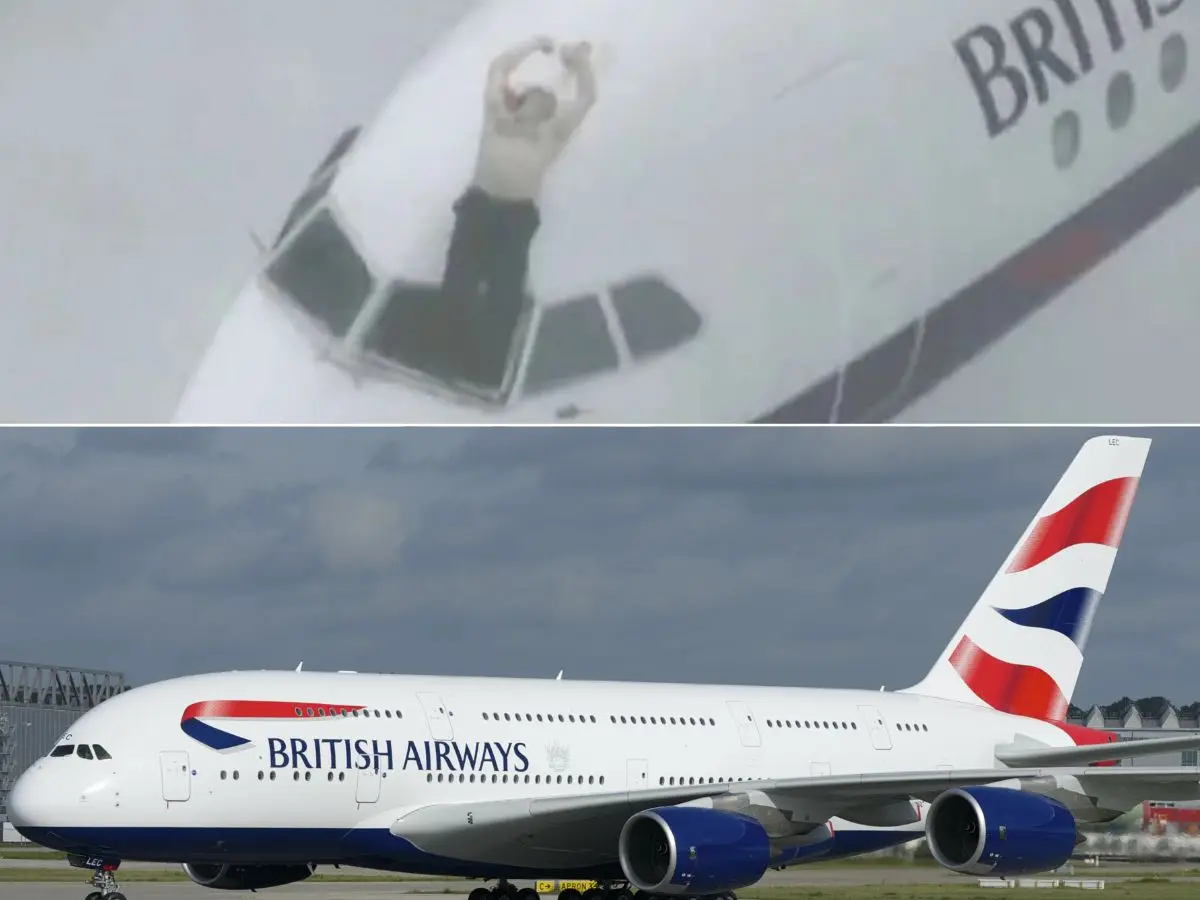
It began as a routine holiday flight from Birmingham to Málaga, but within minutes, it turned into one of aviation’s most extraordinary survival stories. On 10 June 1990, British Airways Flight 5390 departed Birmingham Airport for Málaga with 81 passengers and six crew on board. Operated by a BAC 1-11-500, the flight was scheduled to take around two and a half hours. Just 13 minutes into the journey, at 08:33 local time, as the aircraft climbed to 17,300 feet over Didcot, Oxfordshire, disaster struck. What caused this near, tragedy was shockingly simple and changed aviation safety forever.
The Windscreen Failure
The left windscreen panel on Captain Timothy Lancaster’s side detached suddenly with an explosive sound. Investigations later found that the windscreen had been installed with bolts of incorrect size, either too short or simply the wrong type, which failed under cabin pressure.
The Captain Pulled from His Seat
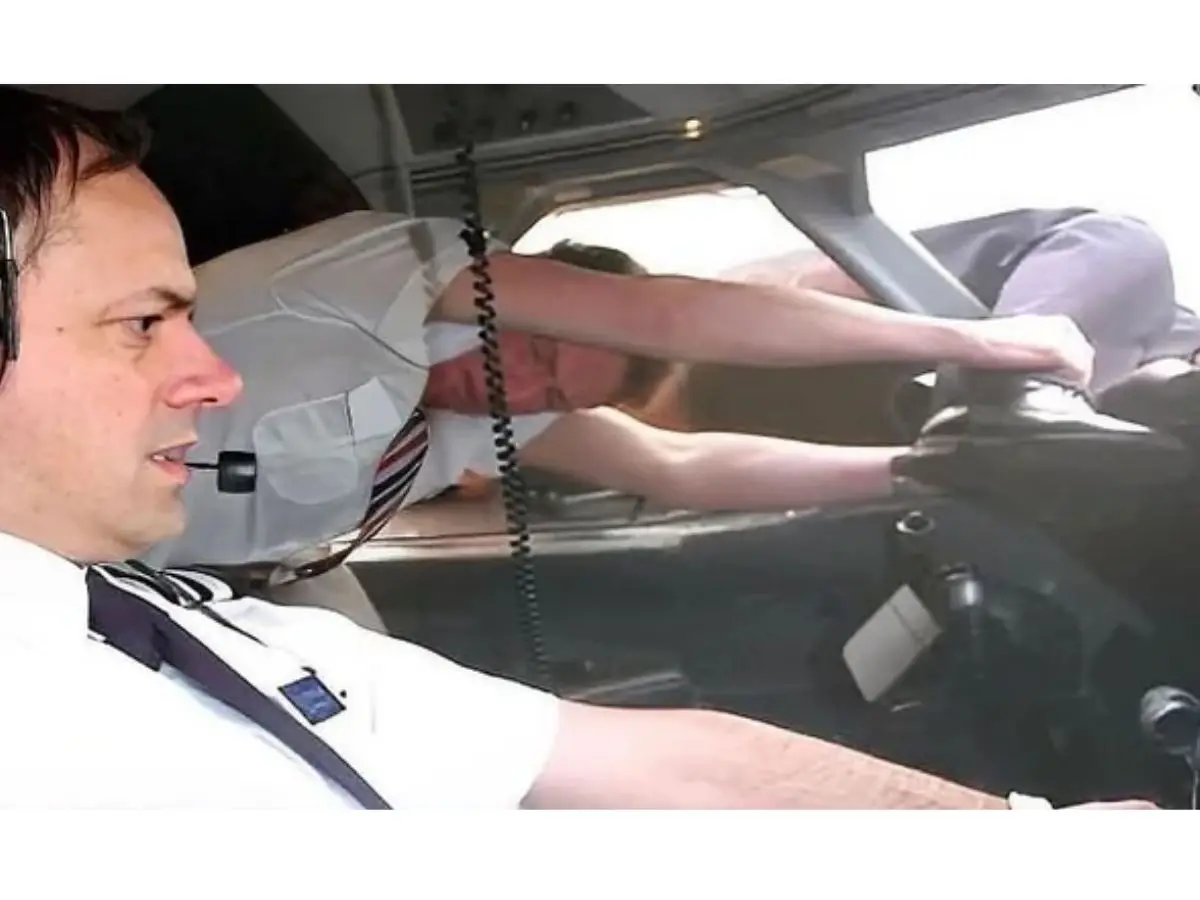
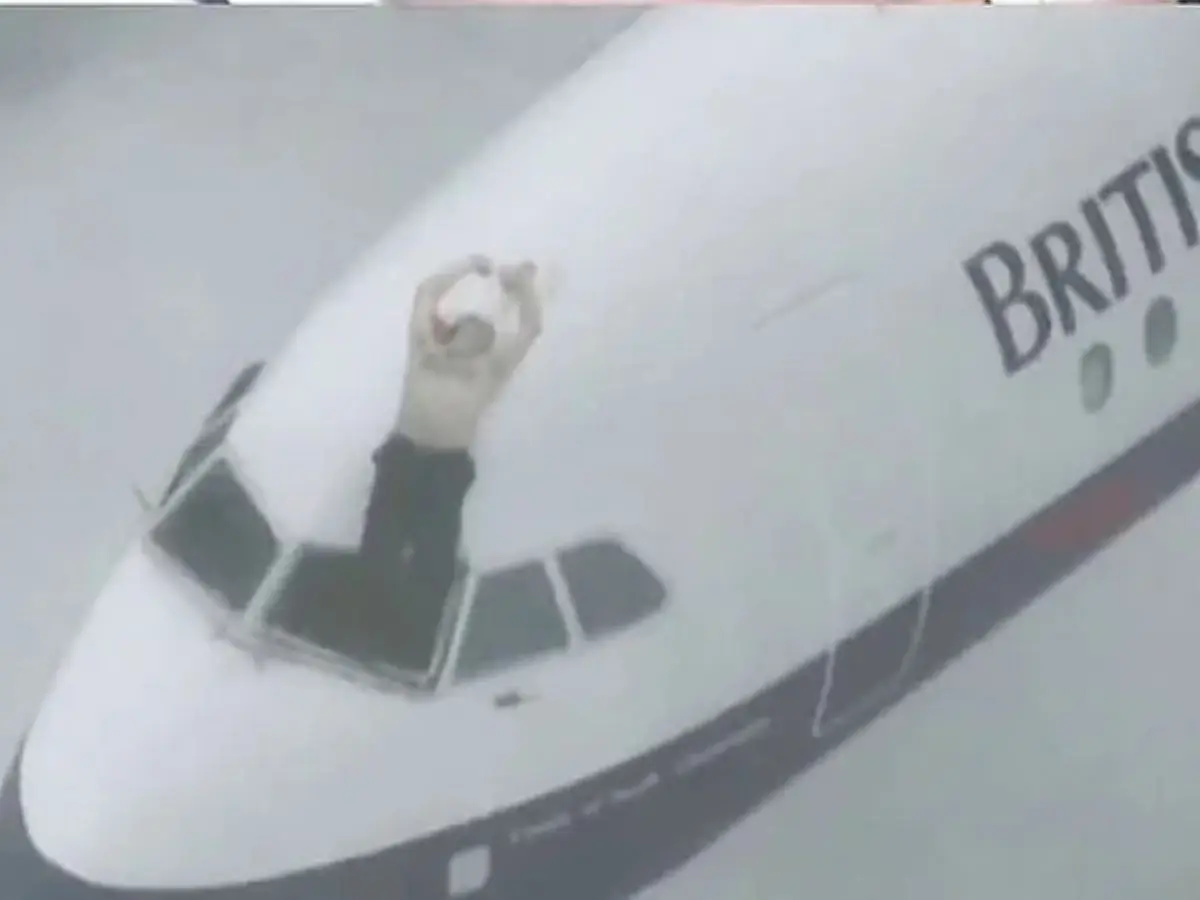
The rapid decompression pulled Captain Lancaster from his seat, headfirst out of the cockpit. His legs became caught on the flight controls, which disengaged the autopilot, sending the plane into a descent. First Officer Alastair Atchison quickly took manual control and began an emergency descent while donning his oxygen mask.
Crew Fight to Save the Captain
Flight attendant Nigel Ogden rushed to the cockpit, grabbing Lancaster’s legs as wind and mist battered the flight deck. Despite suffering frostbite and a dislocated shoulder, Ogden held on. Another steward, Simon Rogers, strapped himself into the pilot’s seat and helped Ogden maintain the grip. Cabin crew members reassured passengers and secured the cabin.
Safe Landing Against the Odds
For roughly 20 minutes, Captain Lancaster was pinned outside the cockpit, exposed to sub-zero temperatures and 400mph winds. First Officer Atchison managed to land the aircraft safely at Southampton Airport. Remarkably, no passengers were harmed during the incident.
The Aftermath
Captain Lancaster suffered frostbite, a fractured elbow, broken wrist and thumb. Ogden also sustained severe injuries but survived. Lancaster returned to flying after five months of recovery. Ogden left the aviation industry due to PTSD and now works at a Salvation Army hospital.
Commendations and Lessons Learned
First Officer Atchison and crew members Susan Gibbins and Nigel Ogden received the Queen’s Commendation for Valuable Service in the Air. The accident led to stricter maintenance standards and greater attention to detail in aircraft engineering, highlighting how small errors can nearly cost lives.
)
)
)
)
)