PICS | France reels after violent protests leave trail of destruction, 1,800 arrested

France is reeling after violent protests triggered looting, arson and clashes across cities, leaving a historic town hall gutted, businesses damaged and 1,800 people arrested nationwide.
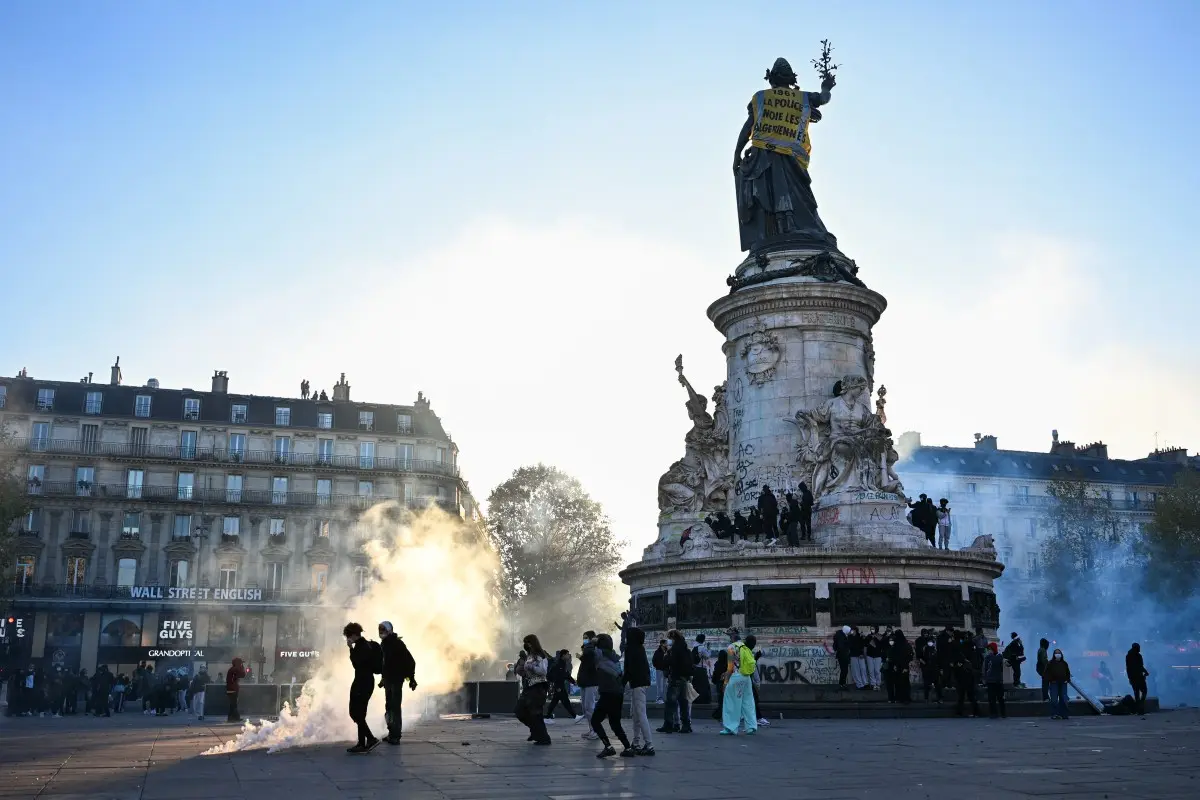
France wakes up to destruction
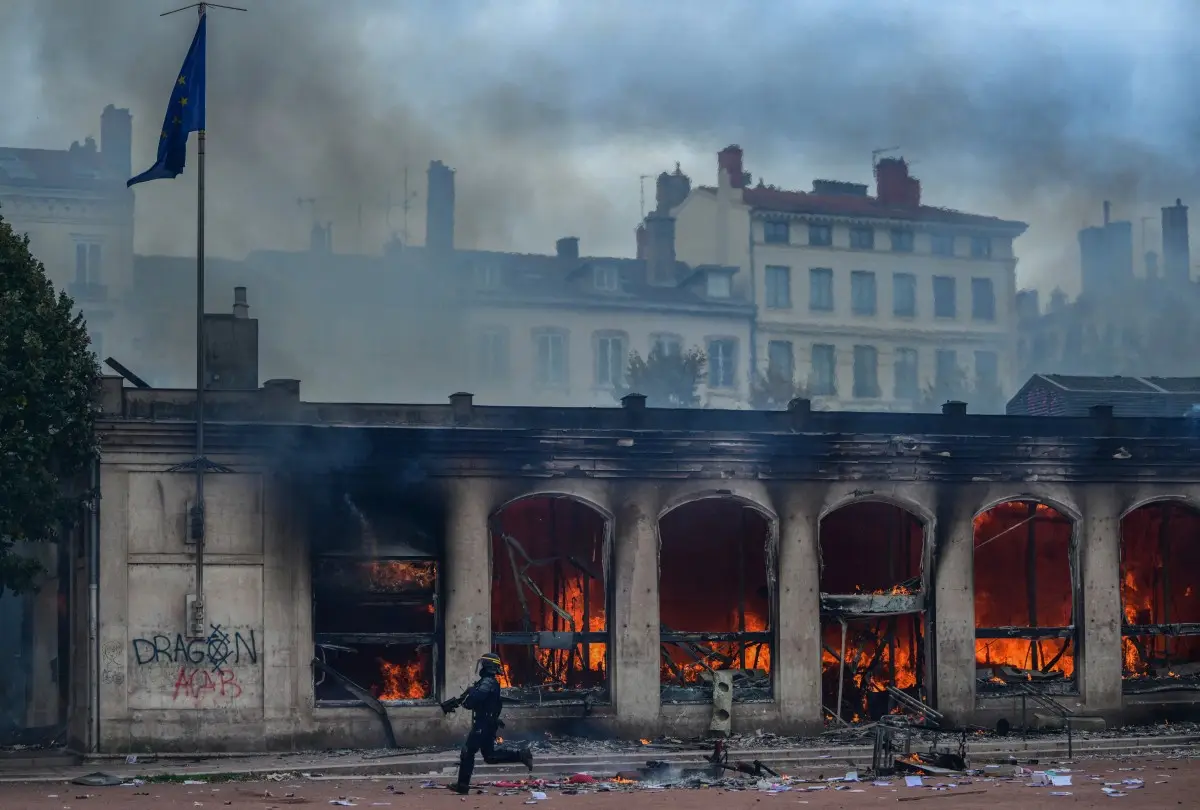
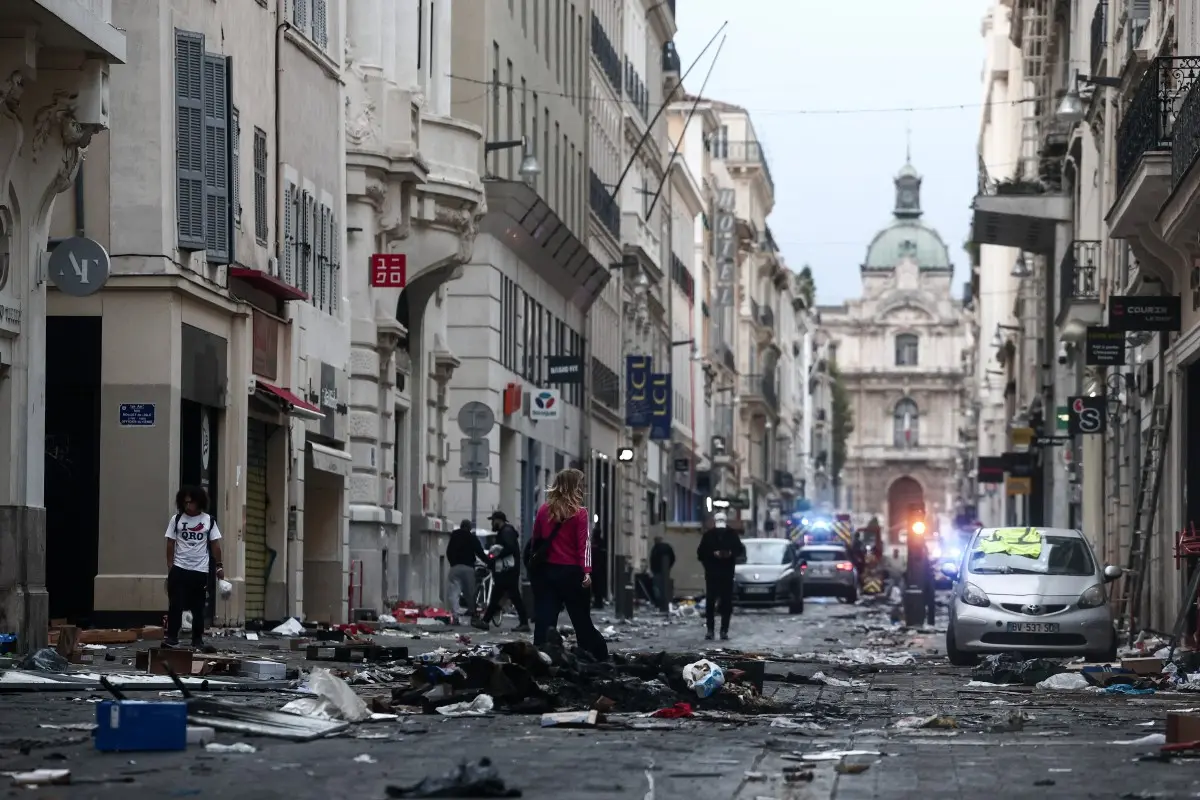
France was left counting the cost of a night of violence after protests over the rising cost of living spiralled into looting, arson and clashes with police. By Sunday, streets across several cities were littered with burnt debris, smashed shopfronts and damaged vehicles, while authorities reported around 1,800 arrests nationwide.
‘It's like we had a war’
In central Paris, the damage was difficult to ignore. Burnt barricades and debris marked streets where protesters had clashed with police. “It's like we had a war,” 78-year-old resident Mehmet Ozeden told AFP. The capital's deputy mayor, Lamia El Aaraje, said the city had witnessed an unprecedented level of violence.
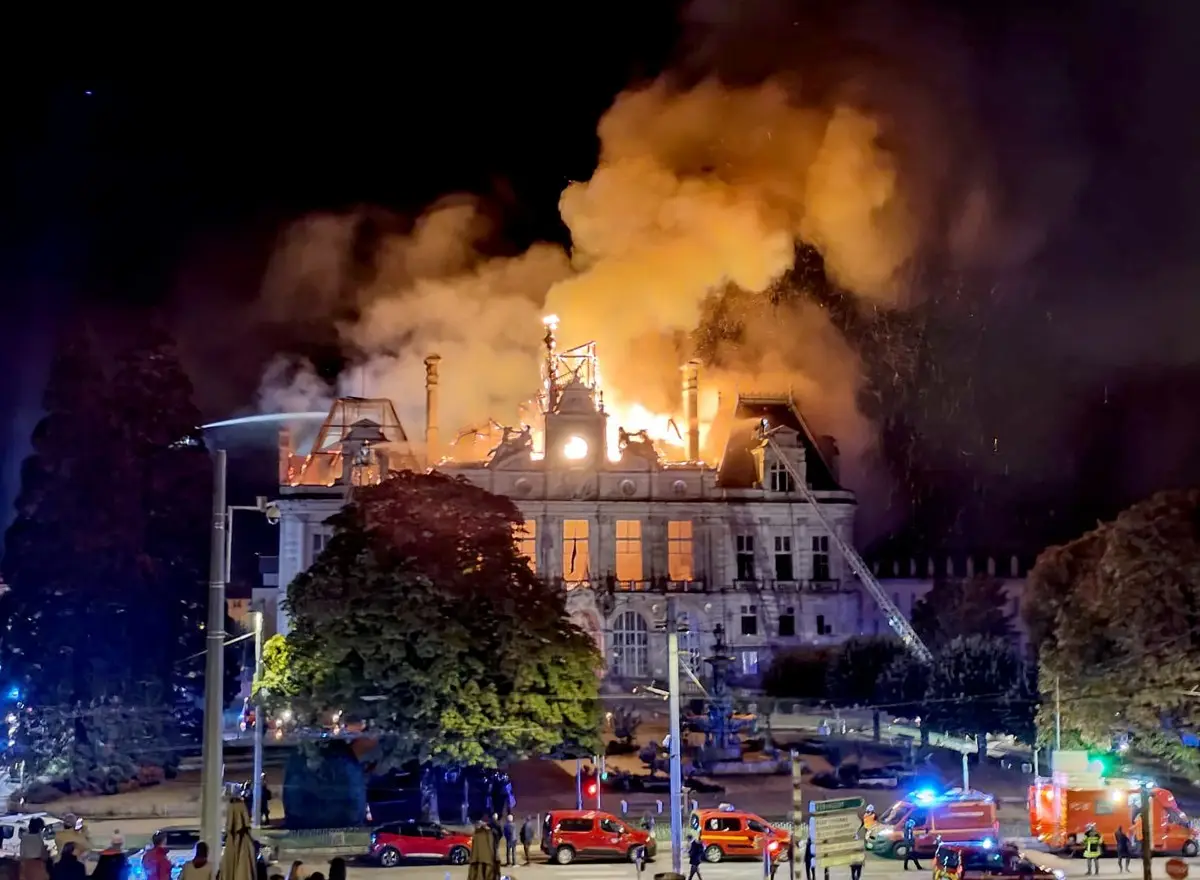
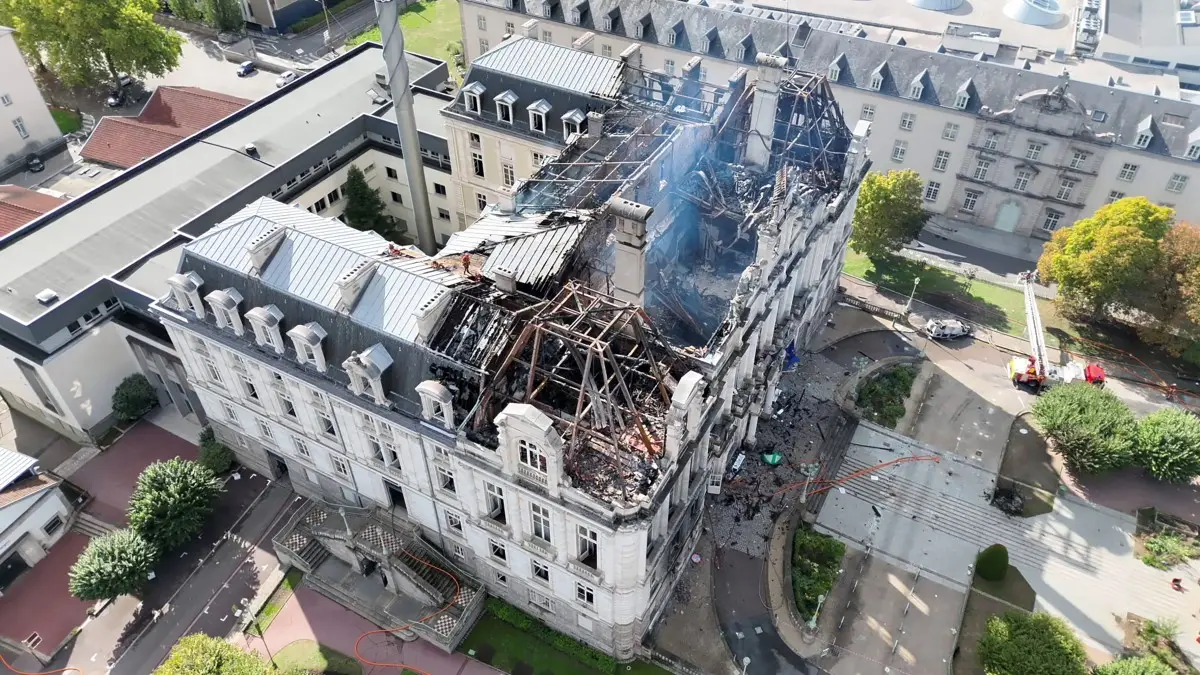
Fire guts Limoges’ historic town hall
The violence reached beyond Paris, leaving a historic landmark in Limoges destroyed by fire. The city's 19th-century town hall was deliberately set alight, local prefect Maurice Barate told news channel LCI. Firefighters brought the blaze under control only early Sunday. In Lyon, clashes and looting also left residents and businesses counting their losses.
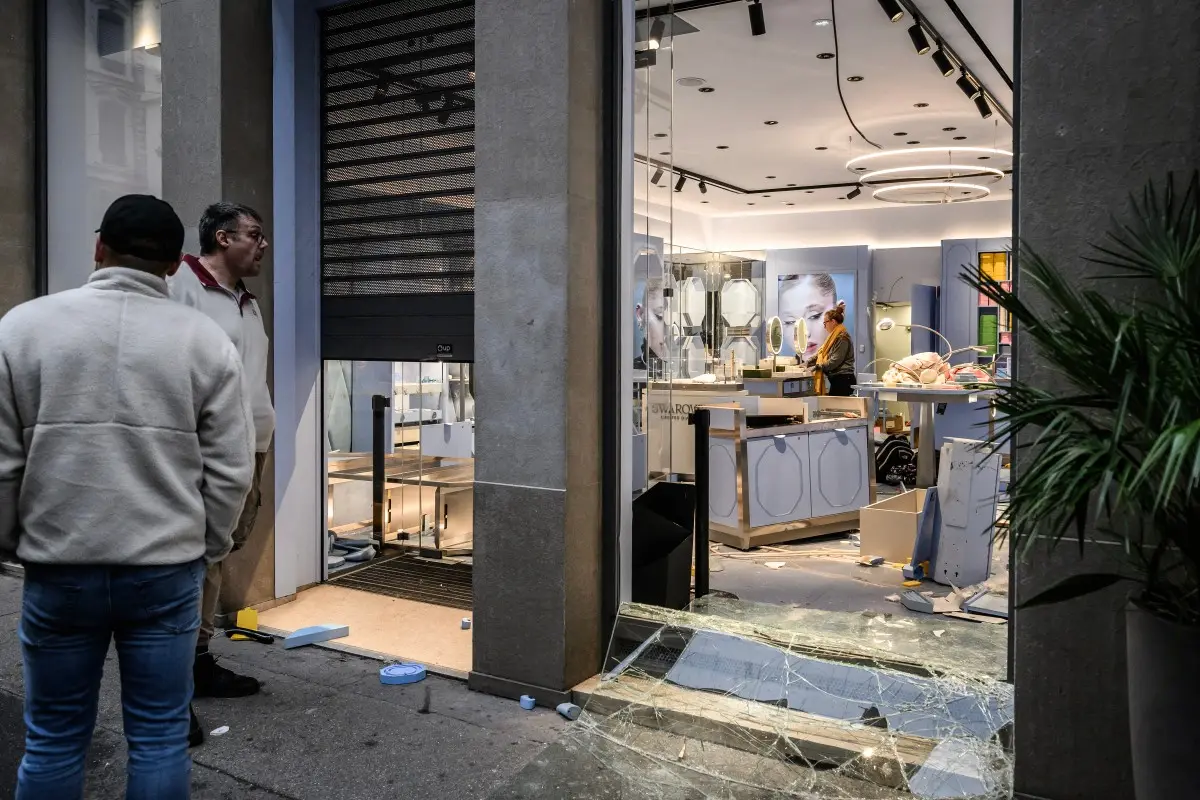
Shops looted, businesses damaged
Retailers bore a heavy financial blow as hundreds of shops were looted across Paris, Marseille, Bordeaux, Nice and Strasbourg. The Retail and Trade Federation estimated that around 1,500 businesses had been damaged, with losses running into hundreds of millions of euros. Residents described groups of young people smashing storefronts and carrying away merchandise.
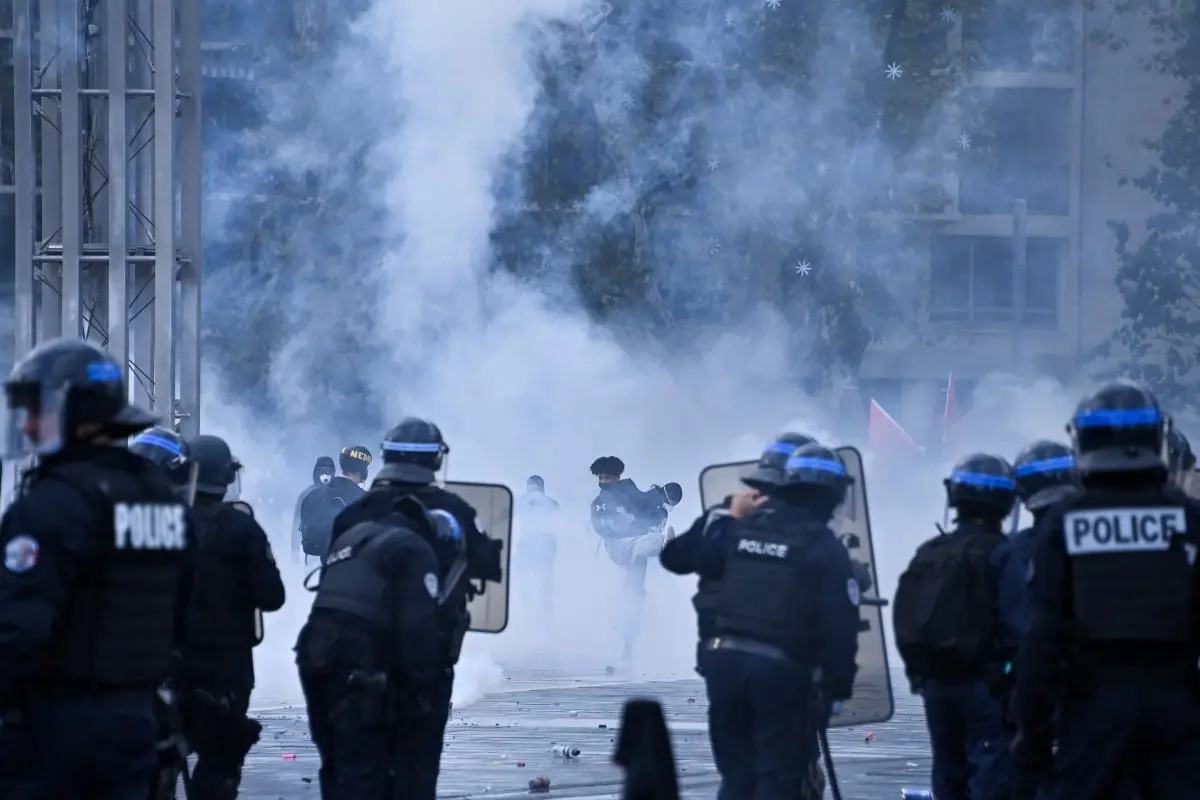
Police return to Paris streets
The unrest showed little sign of ending on Sunday. Hundreds gathered at Place de la Republique, a familiar site for demonstrations, after calls circulated on social media. Police used tear gas and stun grenades as tensions escalated, with bottles and rocks reportedly thrown at officers. Authorities said the gathering had not been authorised.
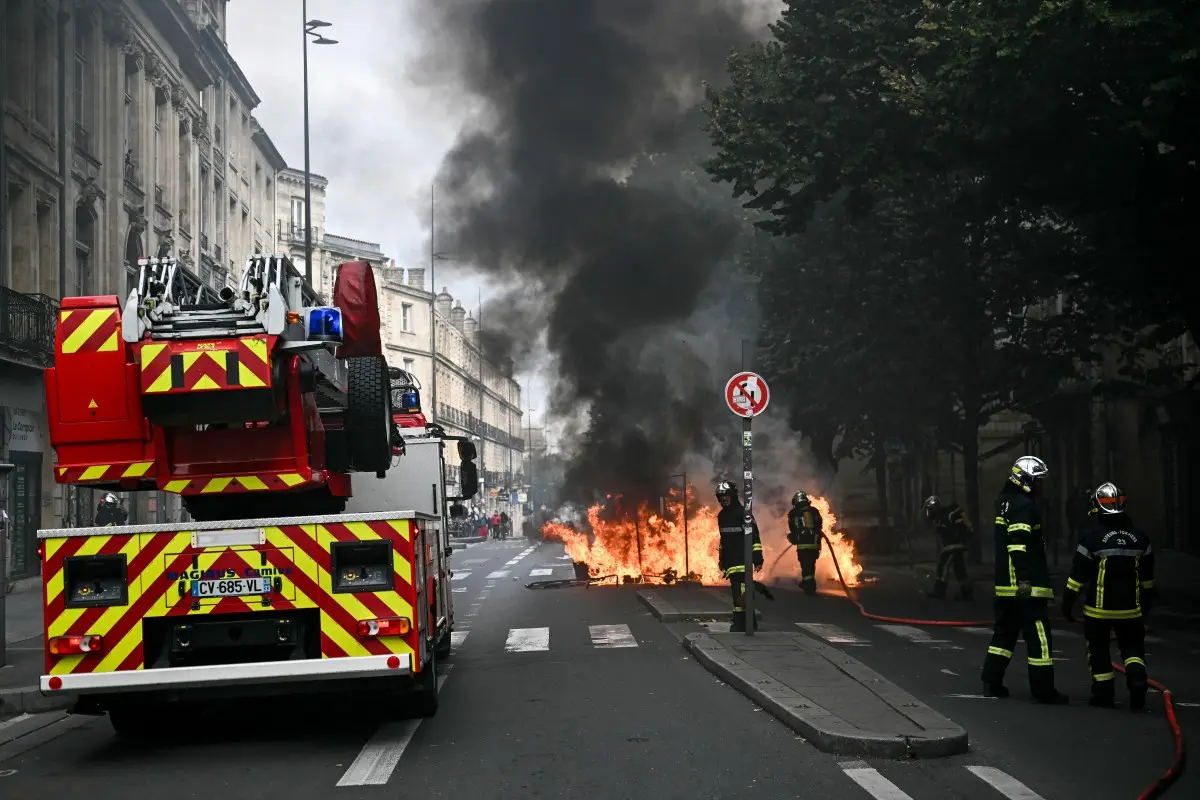
Macron faces mounting pressure
President Emmanuel Macron faced renewed political pressure as the unrest unfolded just six months before elections to choose his successor. He had vowed that those responsible for vandalism and looting would face prosecution and punishment. Macron was scheduled to address the nation on Sunday evening after meeting key ministers to discuss the crisis.
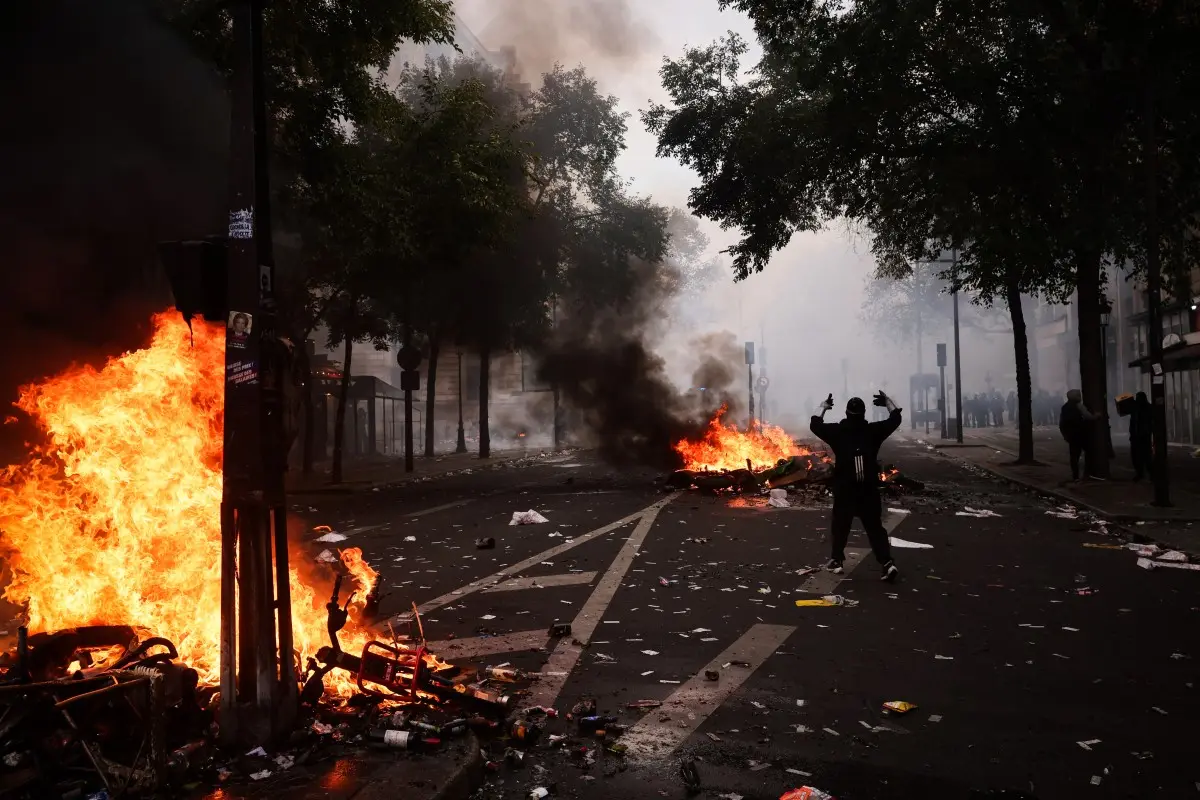
Trump blames immigration
US President Donald Trump on Sunday (Oct 18) linked the unrest to immigration and called for tighter border controls. “France is burning!” he wrote on Truth Social, urging the country to close its borders. His comments followed similar remarks by Vice President JD Vance a day earlier, adding an international political dimension to France's domestic crisis.
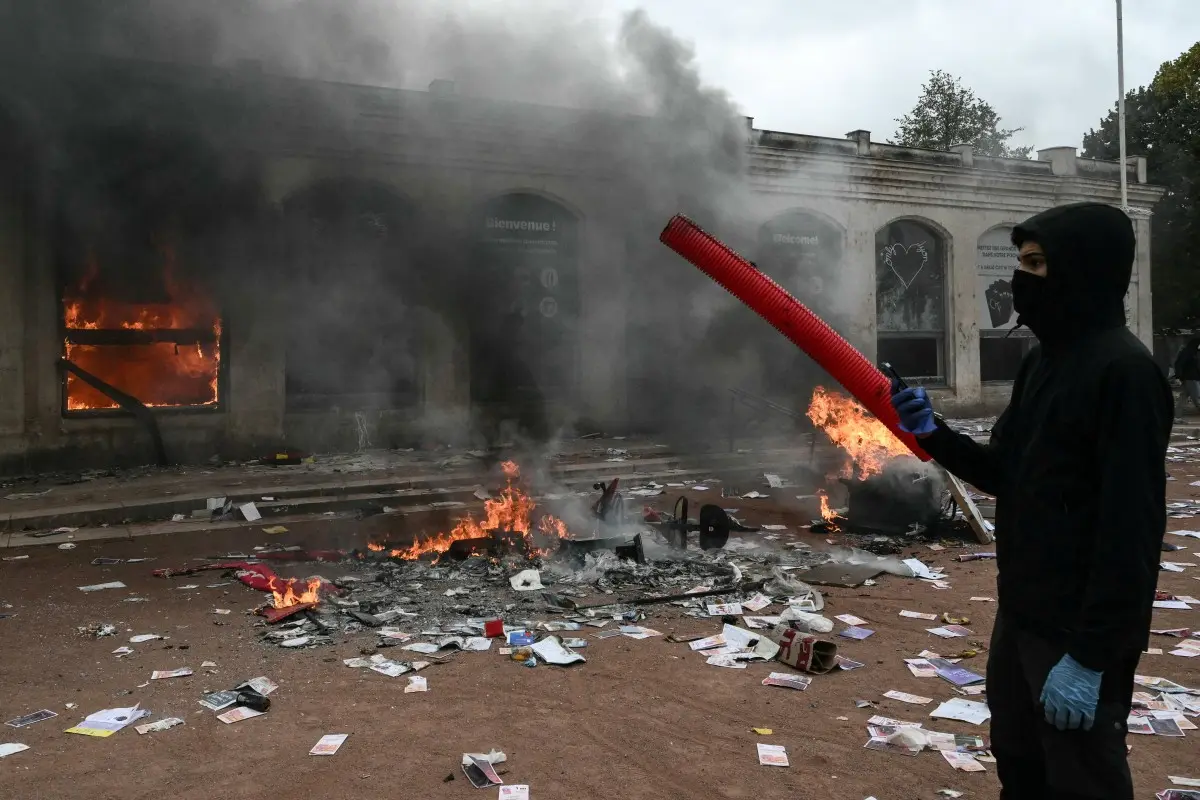
The human cost of the unrest
The damage extended beyond buildings and businesses. Interior Minister Laurent Nunez said around 500 police officers, firefighters and paramedics were injured during the protests. A 17-year-old boy lost his right hand after a crowd-control grenade exploded in Saint-Etienne. One person died during the main Paris march, although officials said the death was health-related and unrelated to the violence.
Political blame game intensifies
France's political leaders traded accusations over responsibility for the unrest. The government and far-right leader Marine Le Pen blamed ultra-left groups, while left-wing leader Jean-Luc Melenchon accused authorities of aggravating tensions. Socialist deputy mayor El Aaraje criticised Le Pen's party, accusing it of exploiting the unrest to advance its presidential ambitions.
Cost of living remains central grievance
The violence unfolded alongside nationwide demonstrations that drew an estimated 550,000 people, according to the Interior Ministry, while the CGT union put participation at 800,000. Rising living costs were a central grievance, alongside concerns over public services, school conditions and teacher shortages. The Middle East war had also contributed to inflation, adding to economic pressures on households. On Sunday, residents joined municipal workers to clear debris as France confronted the aftermath.
)
)
)
)
)