Pics: Even after two years, COVID-19 still torments the entire world

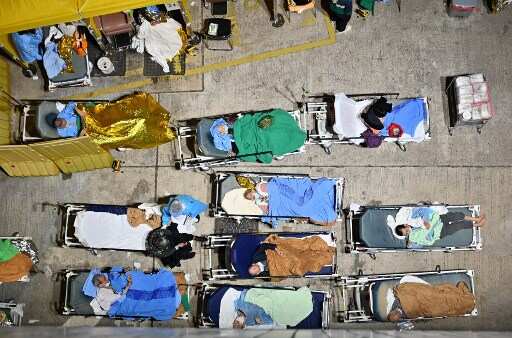
Two years ago, today
On March 11, 2020, the World Health Organization declared that the COVID-19 outbreak had become a pandemic.
Two years on, while several countries are trying to move on from the pandemic, several Pacific islands are experiencing their first outbreak. The disease has ripped nations all across the globe. Not just hampering physical wellbeing, the pandemic has also massively affected the global economy.
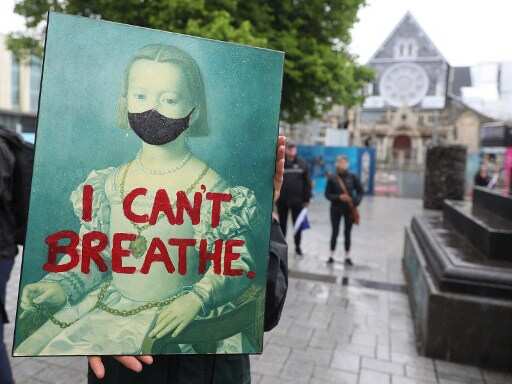
Once-in-a-century pandemic
The once-in-a-century pandemic has claimed over six million lives so far. WHO on Friday voiced its frustration at people marking the second anniversary. It insisted that the real alarm came six weeks earlier. However, few people bothered to sit up and take notice.

Pandemic is 'far from over'
WHO's director-general Tedros Adhanom Ghebreyesus recently warned that the pandemic is 'far from over.'
He further said that even after two years, the virus is still evolving and even surging in some parts of the world. "Two years later, more than six million people have died," Tedros told a press conference.
"Although reported cases and deaths are declining globally, and several countries have lifted restrictions, the pandemic is far from over -- and it will not be over anywhere until it's over everywhere."
"The virus continues to evolve, and we continue to face major obstacles in distributing vaccines, tests and treatments everywhere they are needed," Tedros said.

Pandemic or Endemic?
While remote Pacific islands are struggling with their first-ever Covid outbreak, several European nations have removed all Covid-related restrictions.
Slowly but surely governments have come around to the idea that Covid may be endemic like the flu and have asked people to live with it. While WHO is warning against such a conclusion, Spain became the first European country to move towards ending mask mandates.
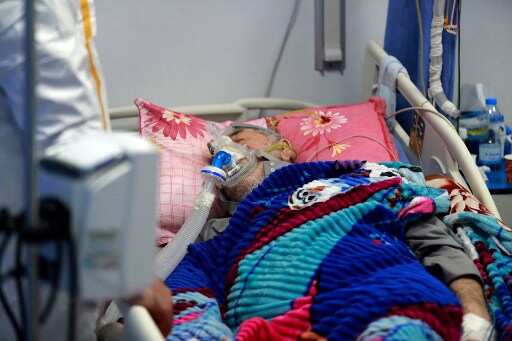
'Far too intensive a level'
Top US officials recently laid out a plan to move the nation to a new stage of the pandemic. The new plan focuses on four goals, to help the nation move forward safely. This includes protection against COVID, preparing for new variants, preventing shutdowns and continuing to vaccinate the world.
China, on the other hand, is struggling with another wave of cases. It is in the throes of a record virus surge with hundreds of confirmed cases every day.
Maria Van Kerkhove, the WHO's Covid-19 technical lead said, "The virus is still spreading at far too intensive a level, three years into this pandemic."
"Even though we are seeing declining trends... there were still more than 10 million reported cases reported at a global level last week. We have to remain vigilant."
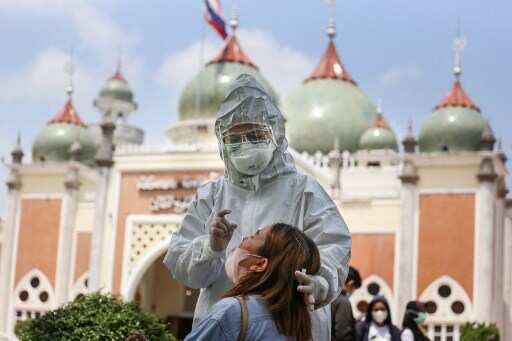
WHO frustrated
WHO declared a public health emergency of international concern, meaning the highest level of alarm in the global health regulations on January 30, 2020. This was done when outside of China, fewer than 100 cases and no deaths had been reported.
WHO chief Tedros, however, described the worsening situation as a pandemic on March 11. The WHO is not marking the anniversary and is still frustrated at the fact that governments did not heed the original alert.
"The world was possessed with the word pandemic," said WHO emergencies director Michael Ryan.
"The warning in January was way more important than the announcement in March. Do you want the warning to say you've just drowned, or would you like the warning to say the flood is coming?"

'Lantern dining experience'
Governments, all across the globe, took several measures to protect people from Covid and normalise their lifestyle.
Hotel staff in Tokyo demonstrated the 'Lantern dining experience.'
The idea was to wear lantern-shaped transparent partitions which are created by Japan’s traditional craftsman. Also, guests who are staying at the hotel and paying about 260 USD as a venue charge can invite others to dine with them.
Protests due to Covid
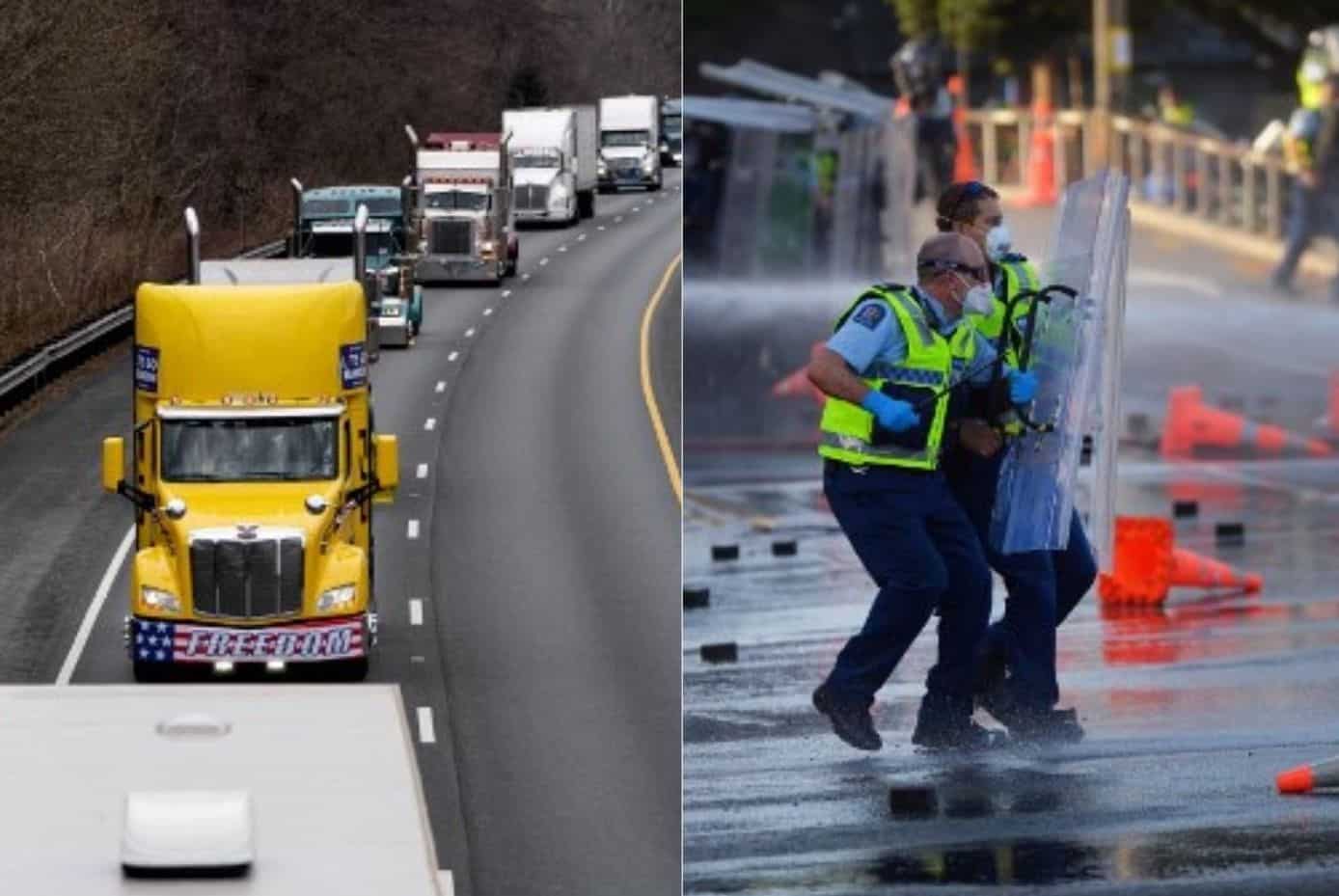
Several countries also witnessed protests as government's imposed restrictions. The "Freedom Convoy" demonstrations began January 9 in western Canada as protests by truckers angry with vaccine requirements when crossing the US-Canadian border.
Trudeau demanded an end on Monday to the protest that has paralyzed Ottawa, saying "It has to stop."
"This pandemic has sucked for all Canadians," he said. "But Canadians know the way to get through it is continuing to listen to science, continuing to lean on each other."
In New Zealand, officers were seen using riot shields on protesters shouting “Move! Move!”, as they pulled down the tents down, deploying a large forklift to remove vehicle transporters and cars. Demonstrators who resisted were pepper-sprayed and fighting erupted.
Police reported some protesters armed with pitchforks, but said they gained significant ground during the operation, which continued into Wednesday afternoon.
There were also protests in several European countries.
)
)
)
)
)