PICS | China launches crewed Shenzhou-23 mission to Tiangong as Beijing eyes Moon landing by 2030

China launched the crewed Shenzhou-23 mission to the Tiangong space station, marking another major step in Beijing’s plan to land astronauts on the Moon before 2030 and expand long-term space exploration.
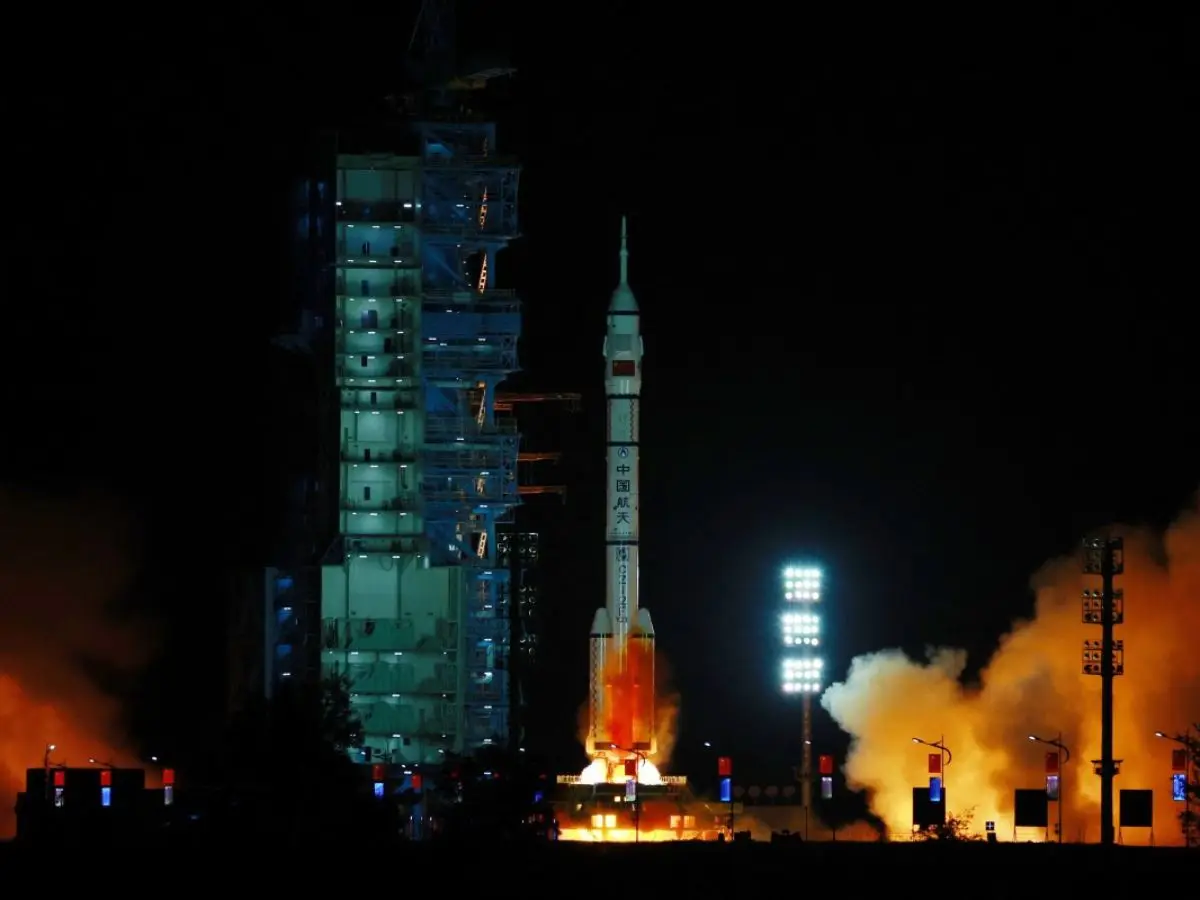
China launches Shenzhou-23 mission
China successfully launched the crewed Shenzhou-23 spacecraft from the Jiuquan Satellite Launch Centre, marking another key milestone in Beijing’s ambitious plan to land astronauts on the Moon before 2030 and expand its long-term human space exploration programme.
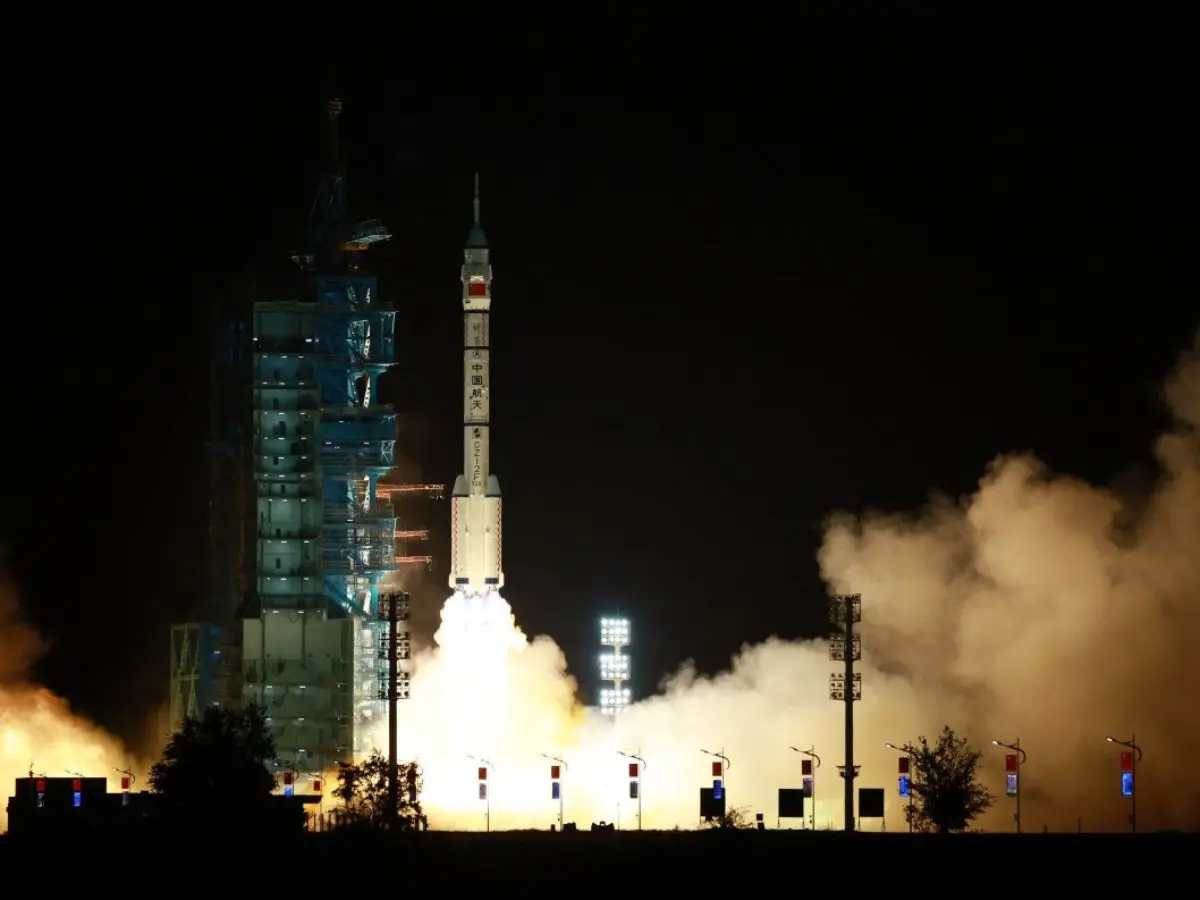
Spacecraft docks with Tiangong station
The Shenzhou-23 spacecraft successfully docked with China’s Tiangong space station after a flight lasting around three-and-a-half hours. Chinese authorities confirmed the astronauts were in good condition and described the launch mission as a complete success.
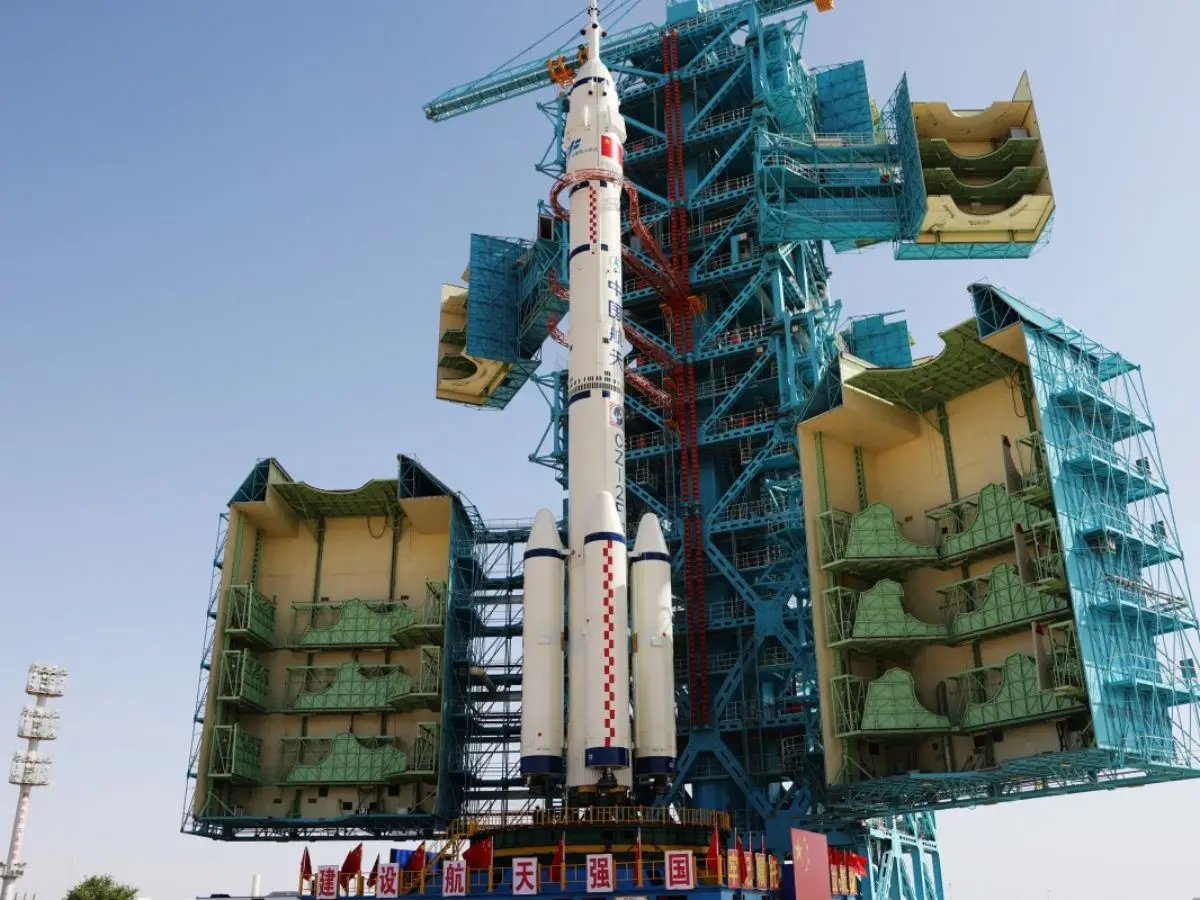
Hong Kong astronaut makes history
The mission includes 43-year-old Li Jiaying, the first astronaut from Hong Kong to travel into space. Formerly a police officer, Li joined crew members Zhu Yangzhu, 39, and Zhang Zhiyuan, 39, aboard the landmark Shenzhou-23 mission.
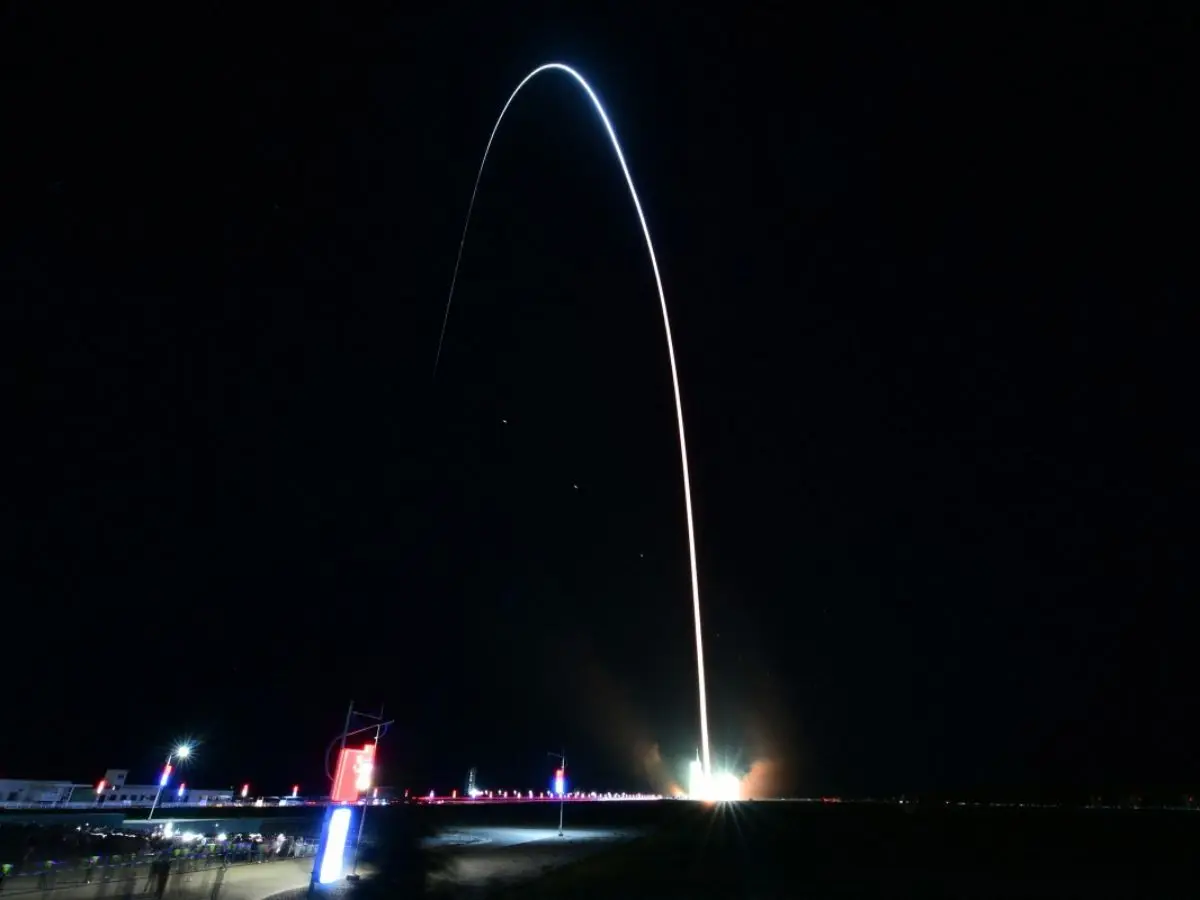
Crew to conduct scientific experiments
Astronauts aboard the mission will carry out a range of scientific studies involving medicine, life sciences, fluid physics and materials science. China hopes the findings will support future long-duration missions to the Moon and Mars.
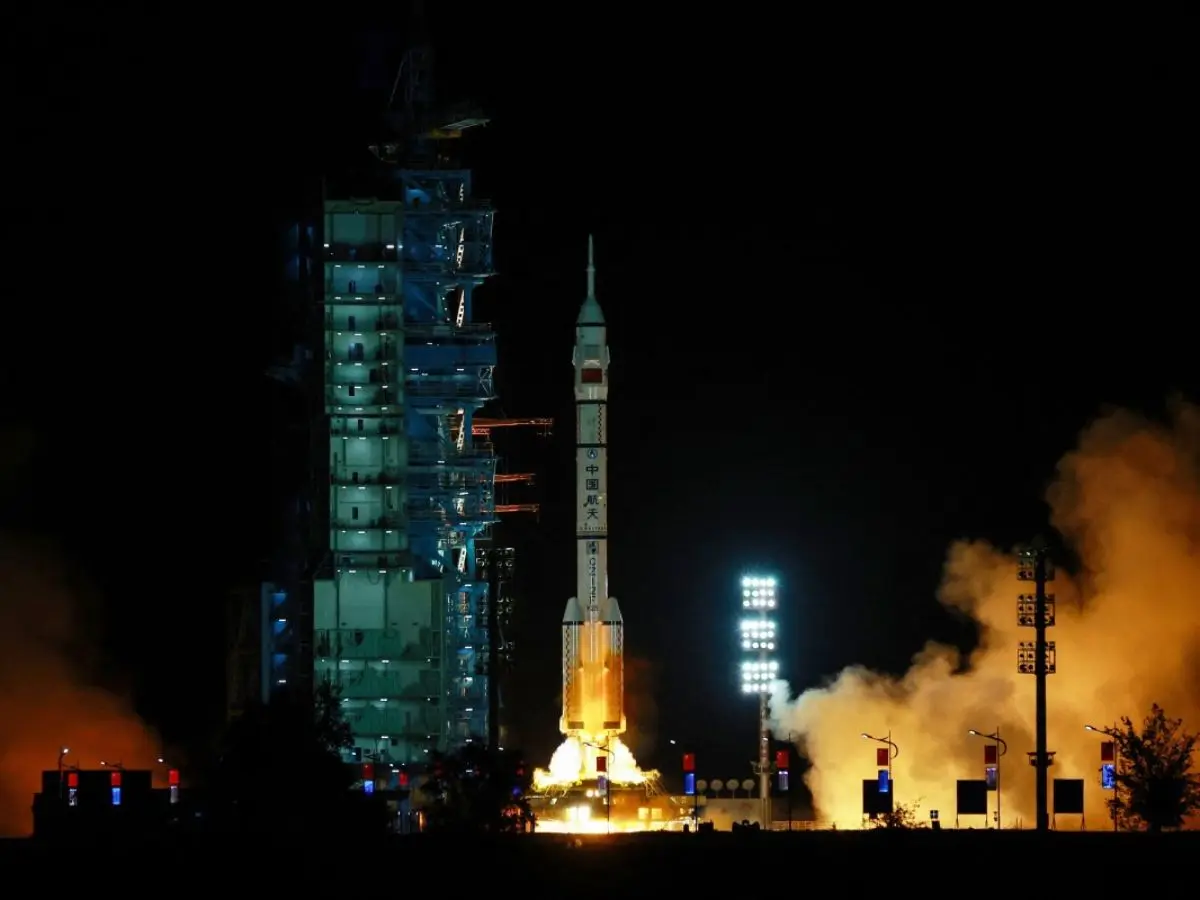
China plans year-long stay in orbit
A key objective of the mission is to prepare for a future year-long stay aboard the Tiangong space station. The experiment aims to study the long-term effects of microgravity on astronauts and support future lunar exploration plans.
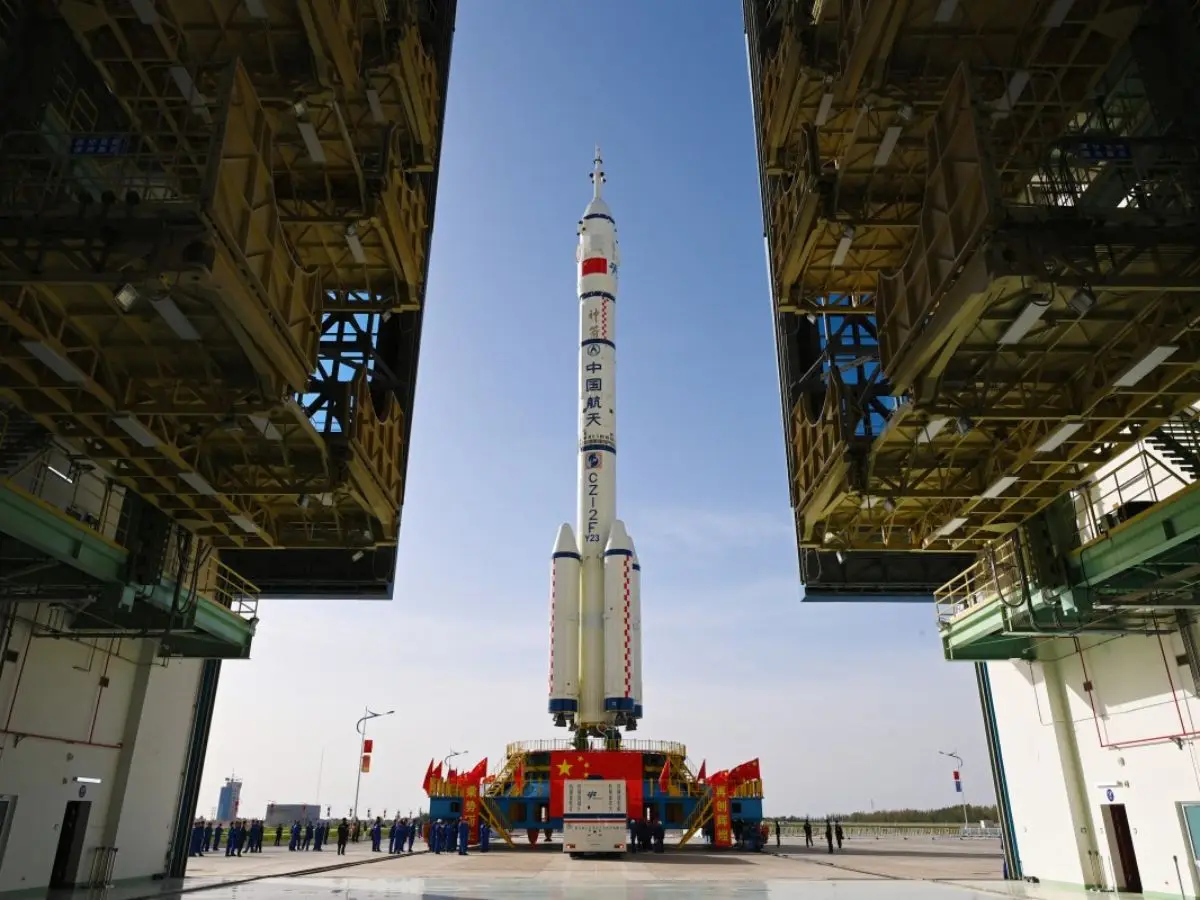
China eyes Moon and Mars missions
The Shenzhou-23 mission forms part of China’s broader ambitions to send astronauts to the Moon before 2030. Beijing is also preparing the next-generation Mengzhou spacecraft, expected to replace the ageing Shenzhou series for future lunar missions. China has also revealed plans to send its first foreign astronaut from Pakistan to the Tiangong space station later this year.
)
)
)
)
)