3I/Atlas photos and all your questions about the interstellar object answered

Right now, an alien object is hurtling towards the inner solar system. Interstellar object 3I/Atlas has raised curiosity not only among scientists but also among the common man. One scientist thinks it could be an alien spacecraft, and so there are tons of questions about 3I/Atlas.
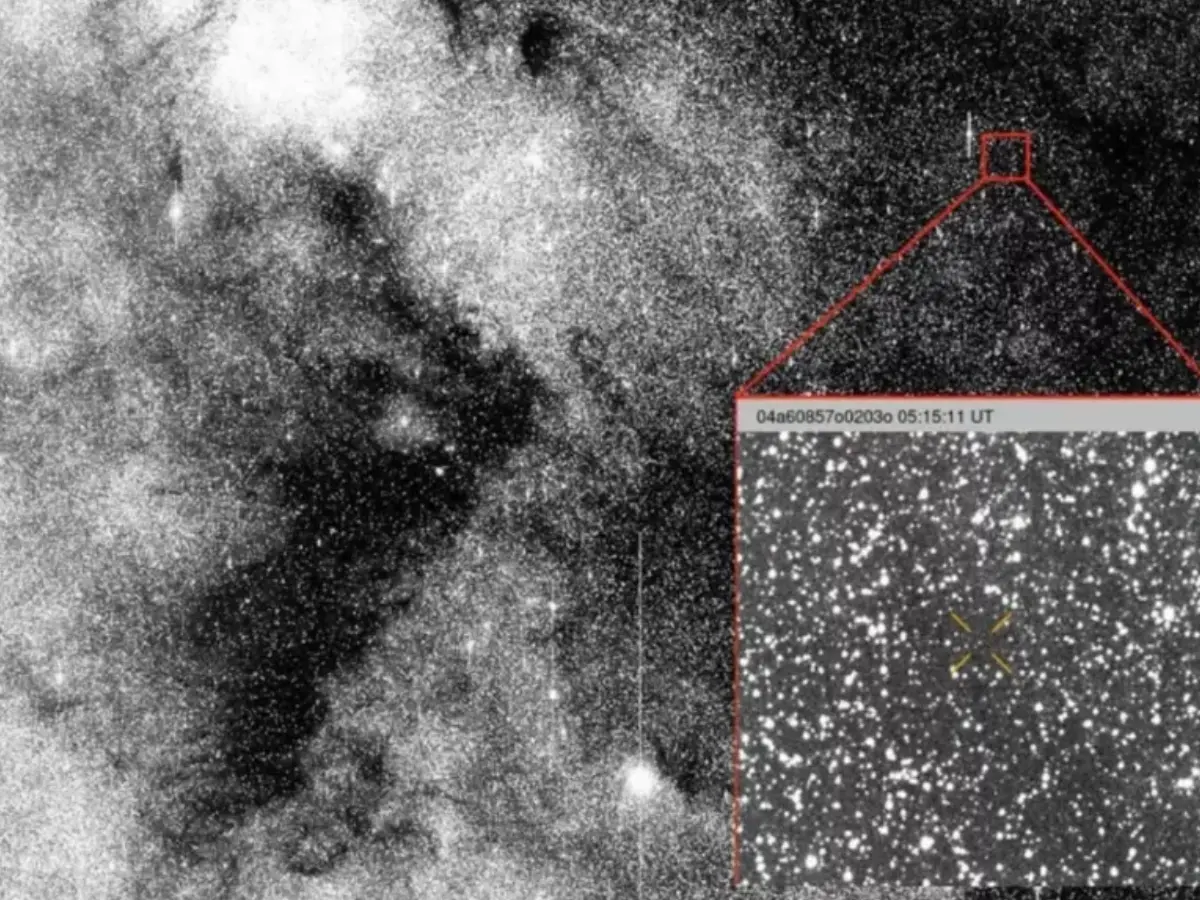
Alien object 3I/Atlas and the questions around it
Interstellar comet 3I/Atlas is the most-talked-about topic among scientists right now. People are discussing what it is, why it has entered the solar system and whether it poses a threat to Earth. There are tons of questions swirling about the object. Some scientists think it is a comet, while Avi Loeb thinks it could be an alien spacecraft. Here are some common questions about 3I/Atlas, answered.

What is 3I/Atlas?
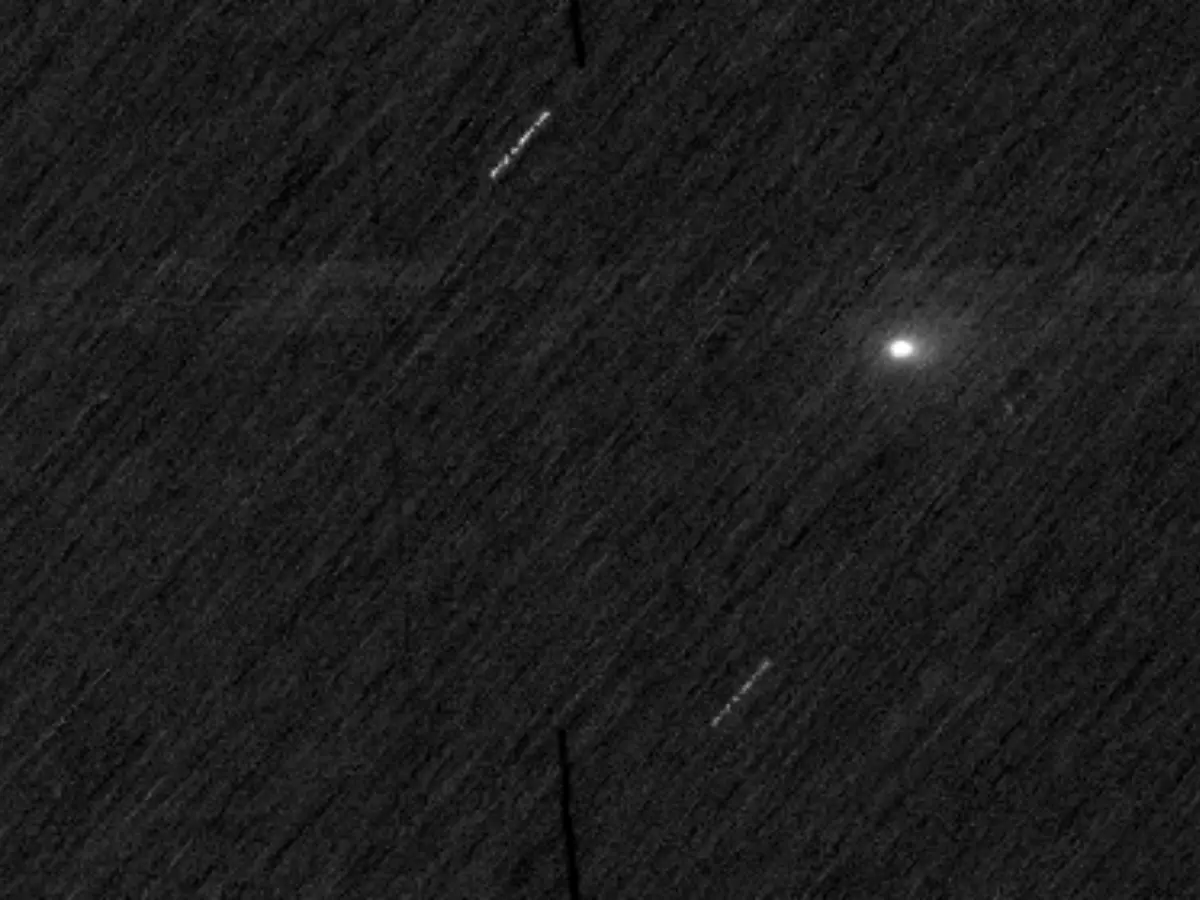
The interstellar object was first observed on July 1 by the ATLAS Survey Telescope in Chile. The James Webb, Hubble and the Very Large Telescope have also captured images of the object.

Where has 3I/Atlas come from?
Scientists are still not sure where the interstellar object is coming from. It is said to be coming from the centre of the Milky Way. However, it could either be coming from the thick disk or the thin disk.
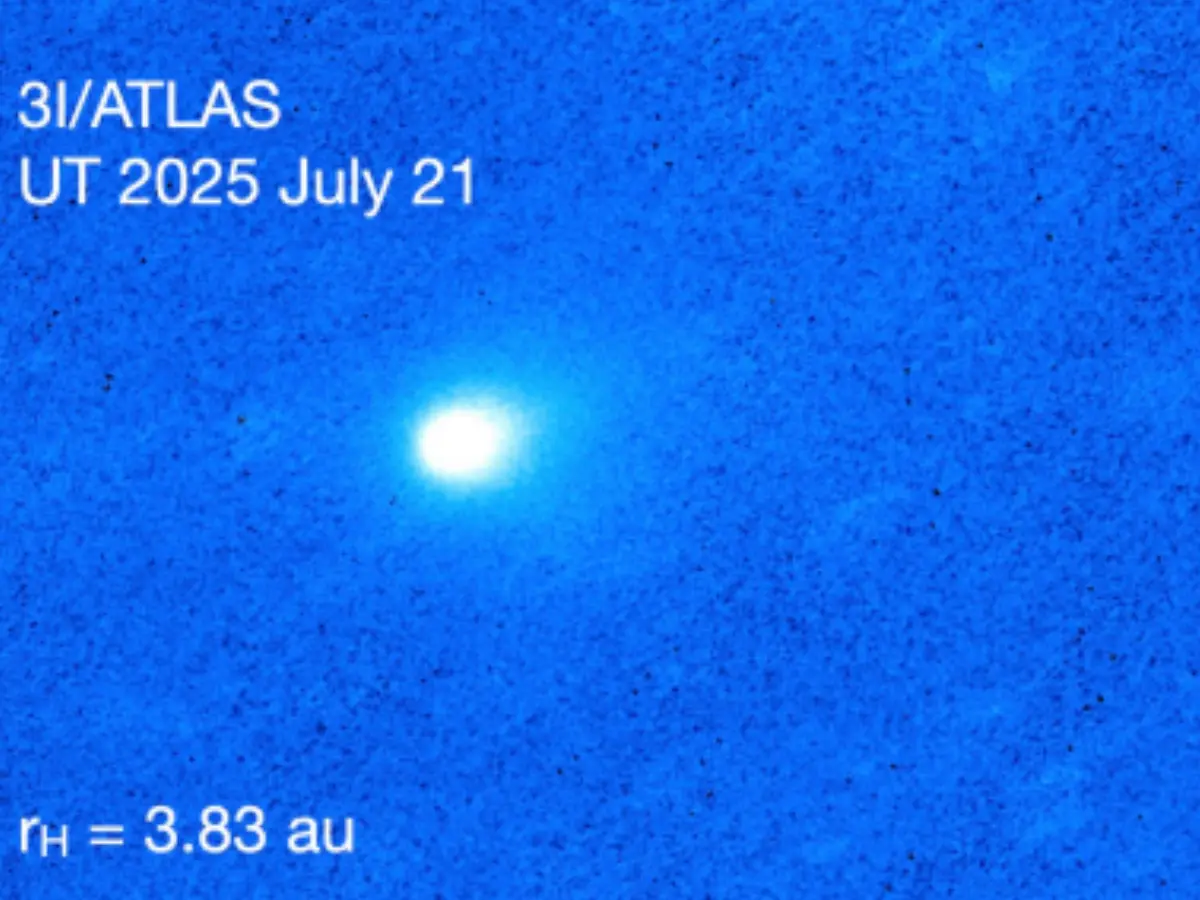
Where is 3I/Atlas going?
3I/Atlas is zooming towards the inner solar system. After rendezvousing with the planets and our Sun, it will leave our star system, never to return.
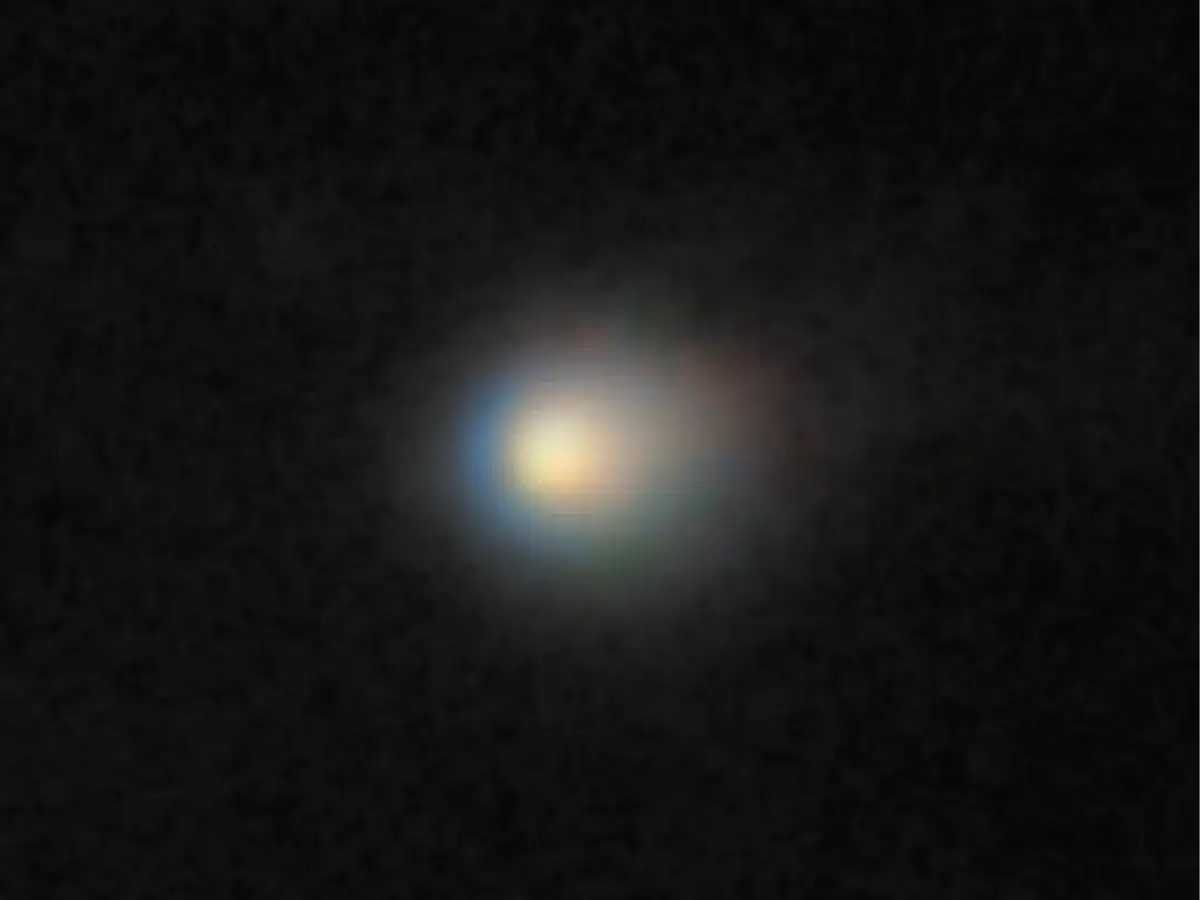
3I/Atlas Age
It is the oldest object ever observed by humans. Some experts say 3I/ATLAS could be between 7.6 and 14 billion years old. In comparison, our star system is only 4.6 billion years ago.
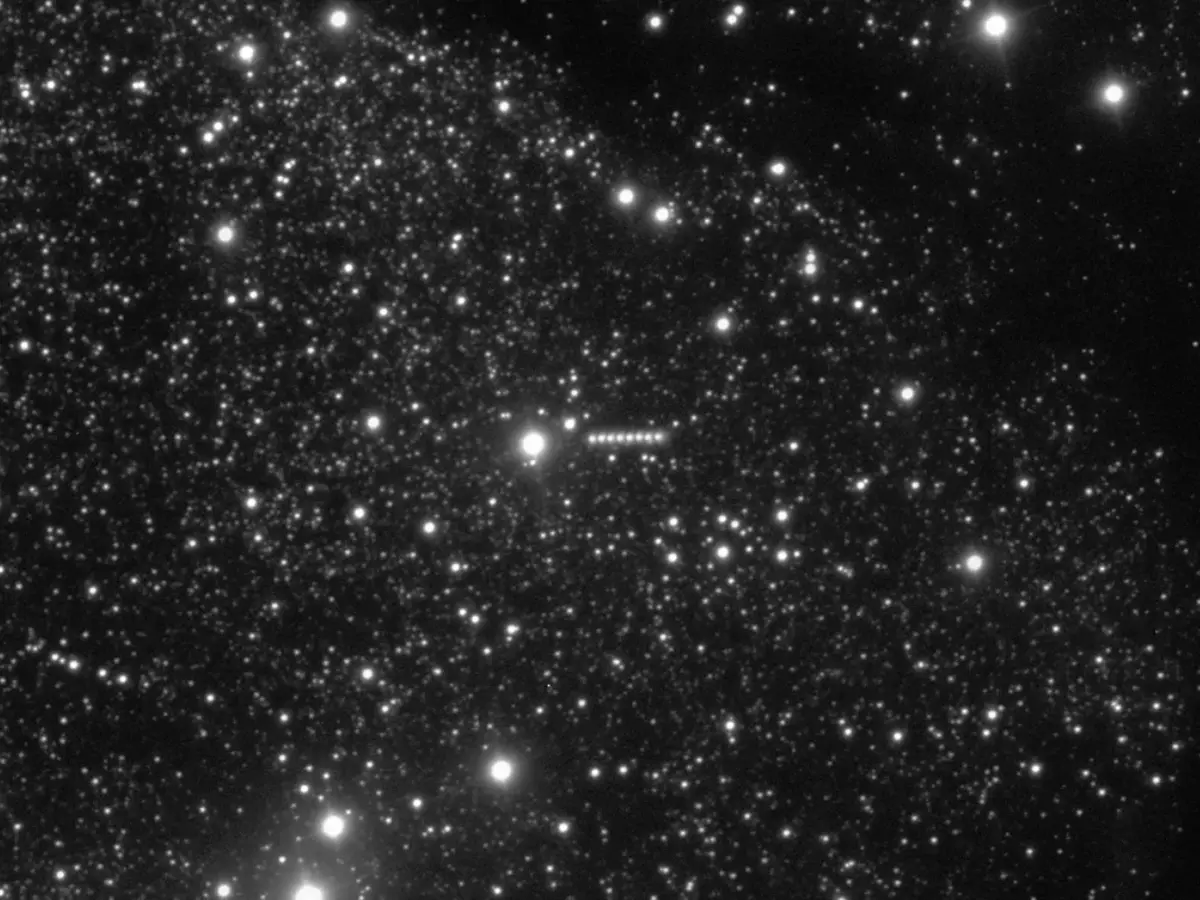
Speed of 3I/Atlas
The interstellar object is moving at a staggering speed of 221,000 km/hr. This is highly uncommon for a regular comet.
3I/Atlas Size
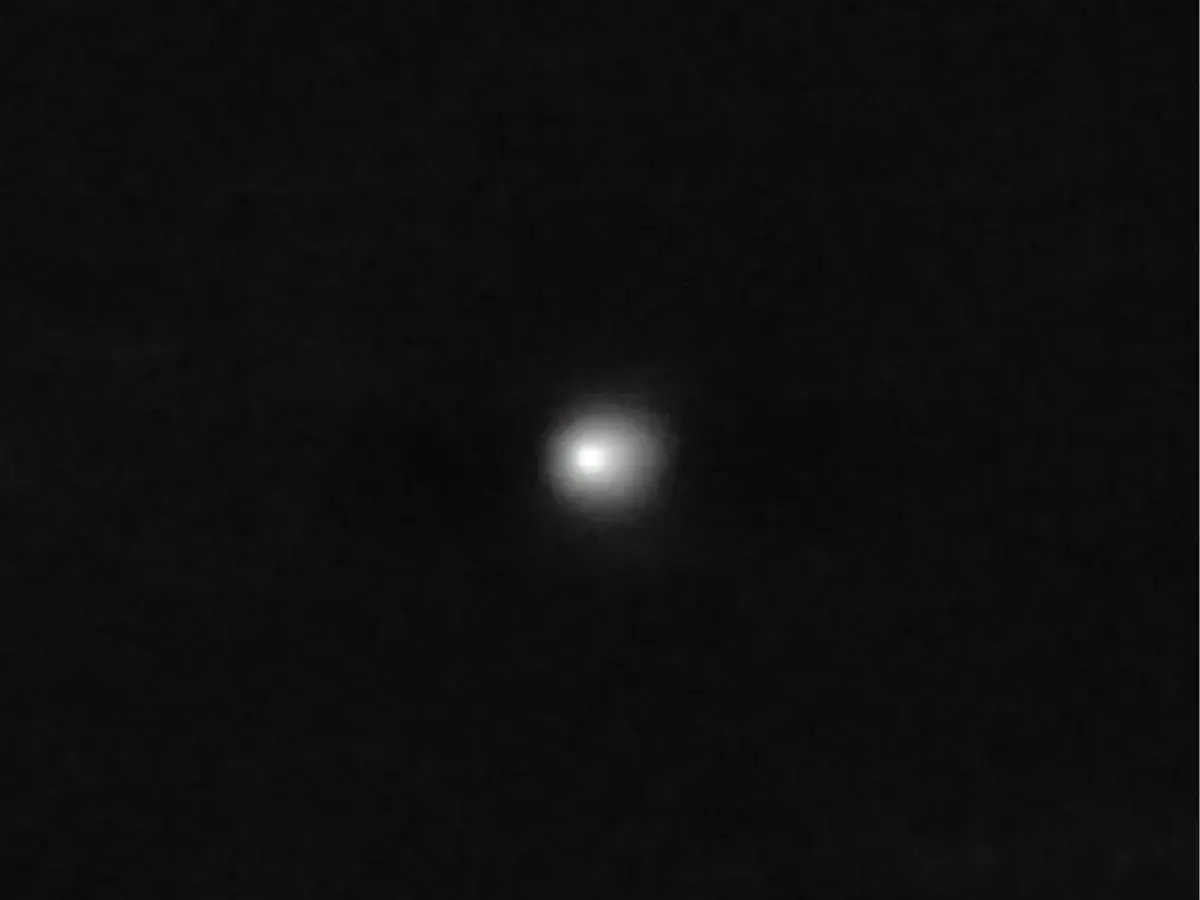
This is the biggest point of debate about 3I/Atlas. Most experts who think it is a comet say it is only about a kilometre wide. However, Avi Loeb says Hubble and Webb observations suggest that it could be 46 kilometres wide.
3I/Atlas Weight
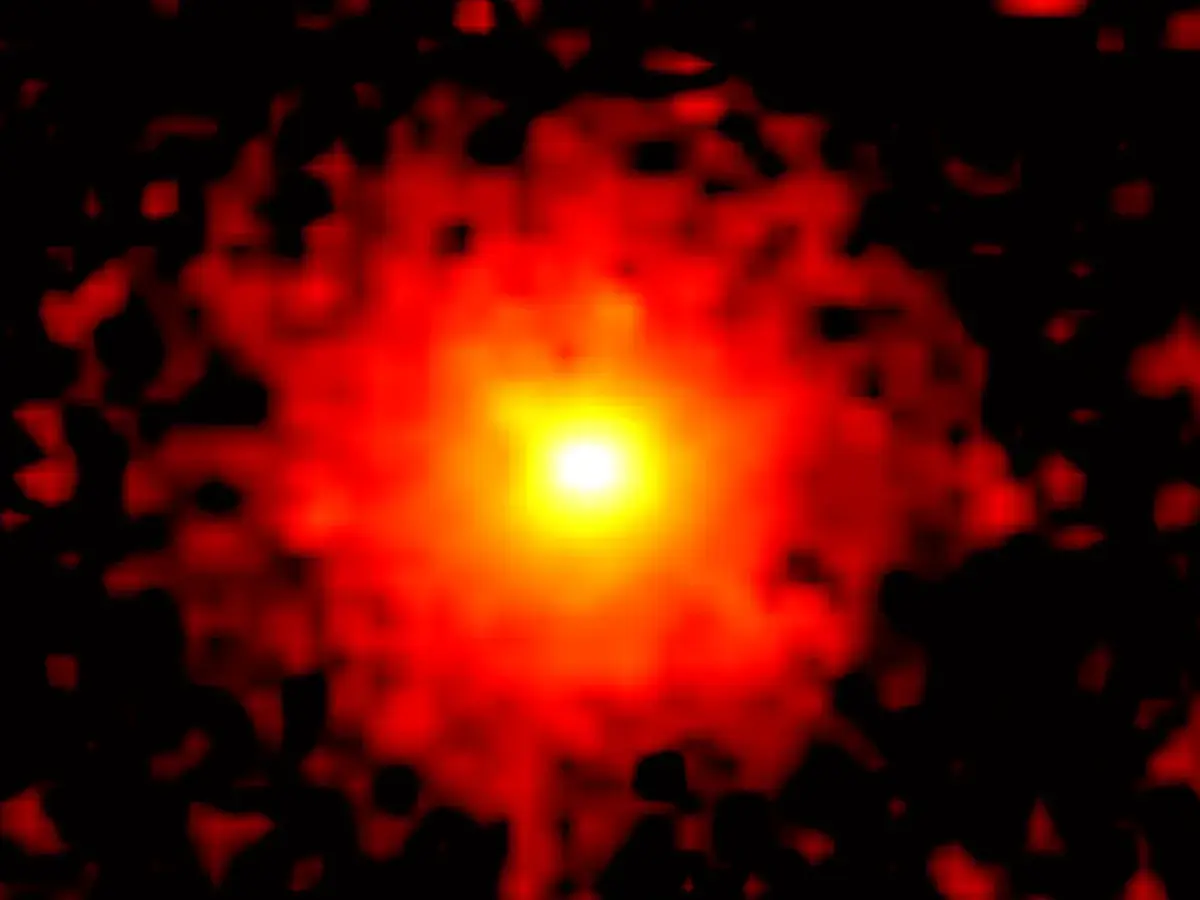
There is no clear picture of the weight of 3I/Atlas. Recently, Loeb collaborated with Richard Cloete and Peter Veres and analysed four months of data. They noted that the mass of 3I/ATLAS must be bigger than 33 billion tons, and that the "diameter of its solid-density nucleus must be larger than 5 kilometres."
3I/ATLAS photo from Mars
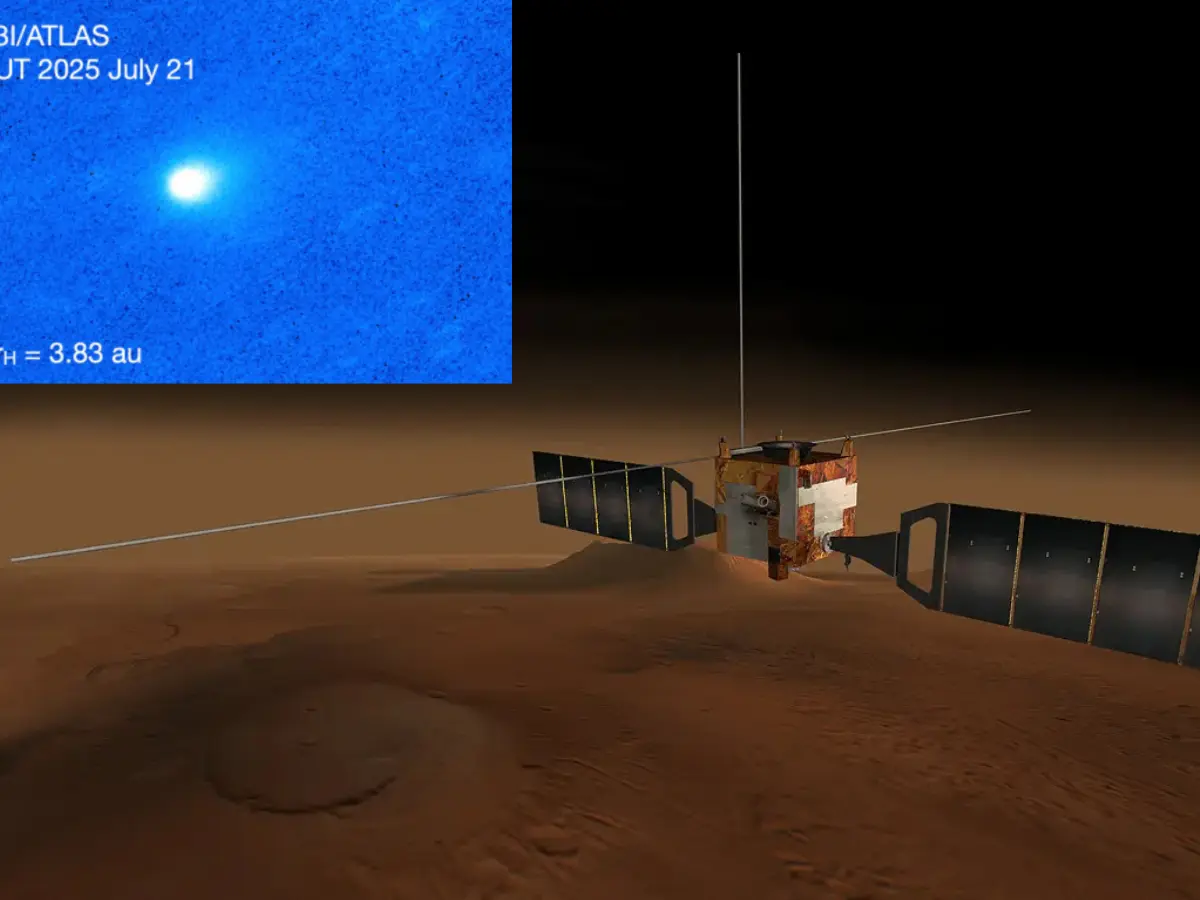
3I/ATLAS flew by Mars on October 2-3. European Space Agency's ExoMars Trace Gas Orbiter (TGO) captured a photo. It saw a coma but no tail. The space agency explained that this was because of the distance, and it was like watching the moon from Earth.
Will 3I/Atlas hit Earth?
As per recent projections, it is slated to pass by Earth safely. Its closest approach to our planet will be in December 2025, when it will be at a distance of about 1.8 AU (273 million kilometres).
)
)
)
)
)