How India is preparing for future wars: From first photonic radar to laser weapons and Artificial Intelligence

DRDO 2.0: India's premier defence research organisation is moving from conventional weapons to new technologies to fight wars of future
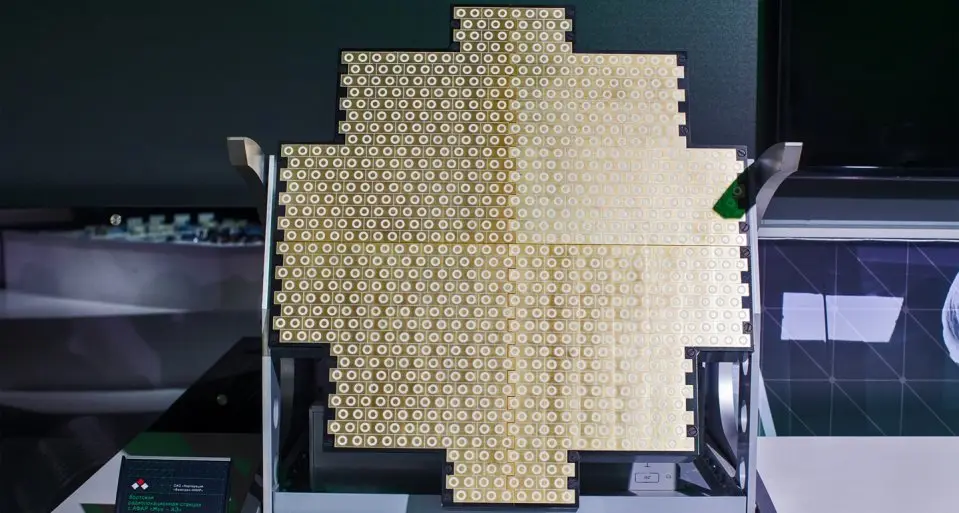
Photonic radar, laser weapons, AI: India's DRDO is preparing for future wars
From photonic radars and laser weapons to advanced communications systems, India's Defence Research and Development Organisation or DRDO is moving from conventional weapons to new technology. It is incorporating Artificial Intelligence, quantum systems, and photonics to prepare for future wars.
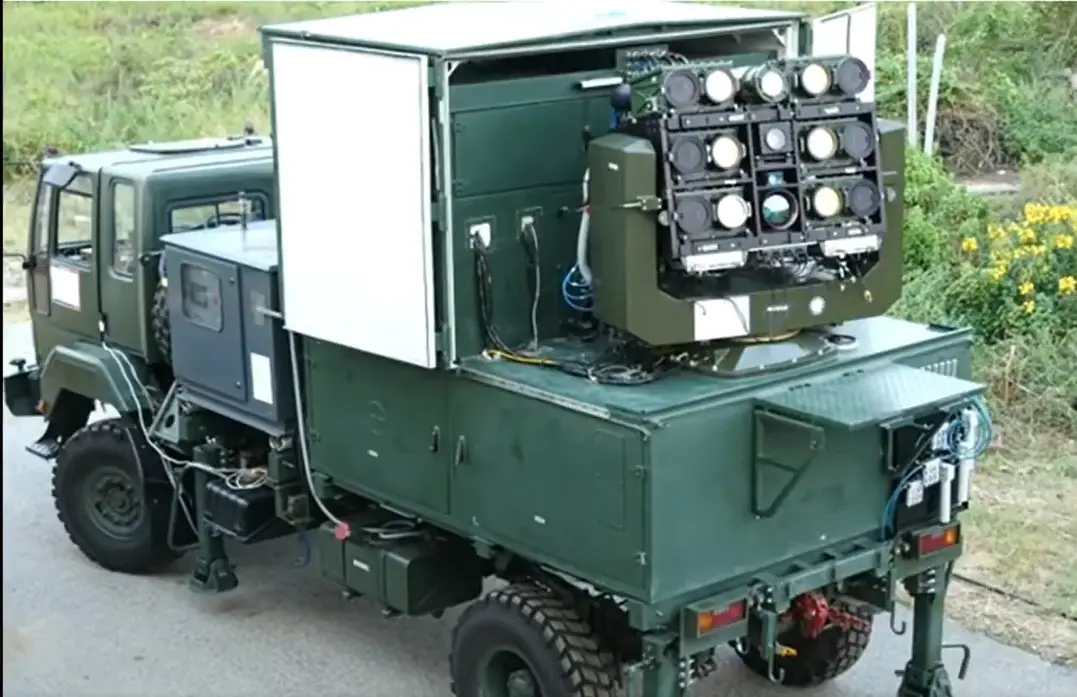
A laser weapon developed by DRDO
DRDO is investing in research in AI and Machine Learning, quantum physics, and cognitive systems to address existing defence capability gaps, especially in air power. High-energy lasers and microwaves are new, cost-effective alternatives to missile interception and are key to future conflict strategies.
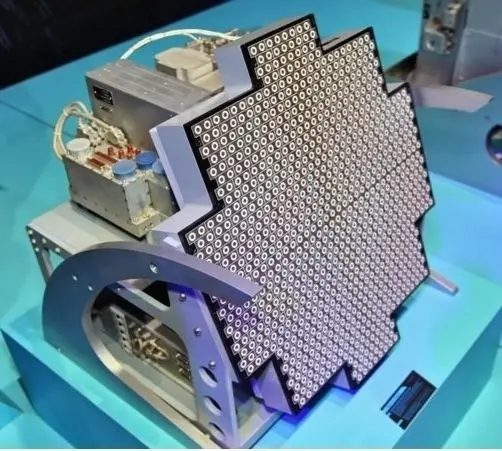
India's First Photonic Radar
An example in the journey towards this modernisation is India's first photonic radar. Developed at the DRDOs LRDE lab in Bengaluru, the photonic radar is a major technological leap in radar systems. Unlike traditional radars, it uses lasers and optical fibres instead of radio frequency signals. This makes the radar faster, more accurate, and harder to jam.
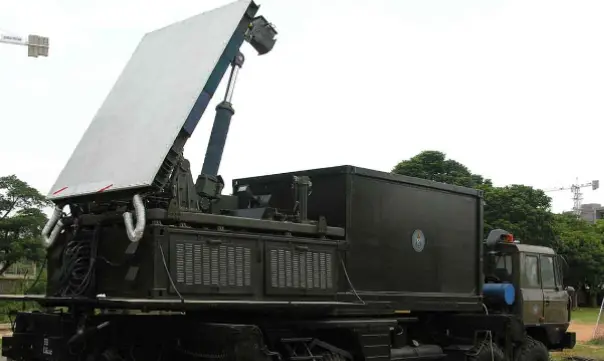
Key advantages of photonic radar
The photonic radar can detect stealth aircraft, drones and missiles by providing long-range, high-resolution 3D imaging.
It is highly resistant to electronic warfare, and energy-efficient due to low heat generation.
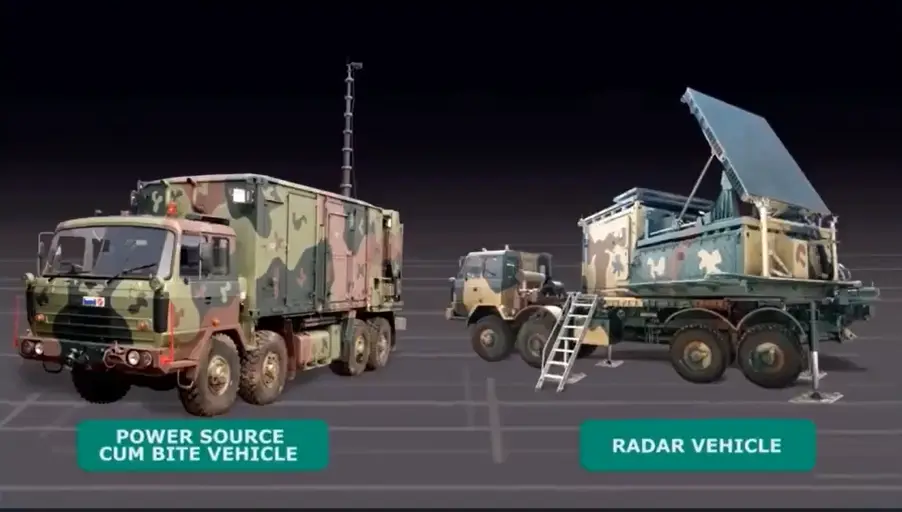
Strategic Impact of India's photonic radar
The photonic radar can detect Chinese J-20 stealth jets and Pakistan’s drones, which use radar-evading technology. The radars are ideal for advanced airborne warning systems, giving early threat detection and reducing the chance of surprise attacks.

Towards self-reliance in defence, a boost to 'Atmanirbhar Bharat'
The radar showcases India's indigenous innovation and reduces dependence on foreign defence technologies. It will enhance the country's regional defence edge, strengthening its deterrence and surveillance capabilities.
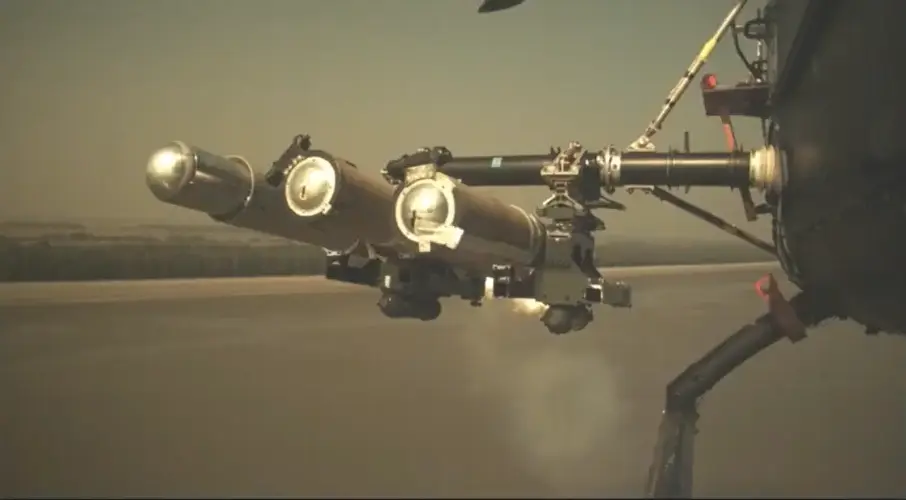
Upcoming Extensive Trials
Field trials for the radar will be held in late 2025 in high-altitude, coastal, and electronic warfare scenarios. The radars are likely to be used on platforms like Su-30 MKI, Rafale, Tejas, and air defence networks.
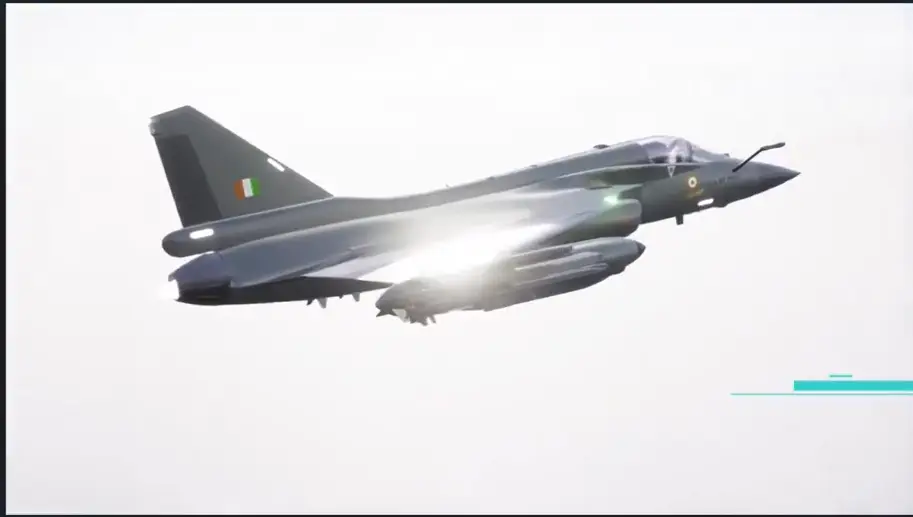
Compact and portable
The photonic radar is small and lightweight, making it possible to deploy on mobile platforms. It can be used in border defence along the Line of Control and Line of Actual Control, India's de facto borders with Pakistan and China.
)
)
)
)
)