Photon bombardment of Iron Beam! Understanding the science behind melting of rockets in mid-air

Iron Beam uses concentrated infrared laser energy to heat, melt and vaporise rockets mid-air within seconds. By focusing millions of watts on a tiny spot, the system weakens metal shells until they rupture. With AI-driven beam control, it destroys threats cleanly without explosions.
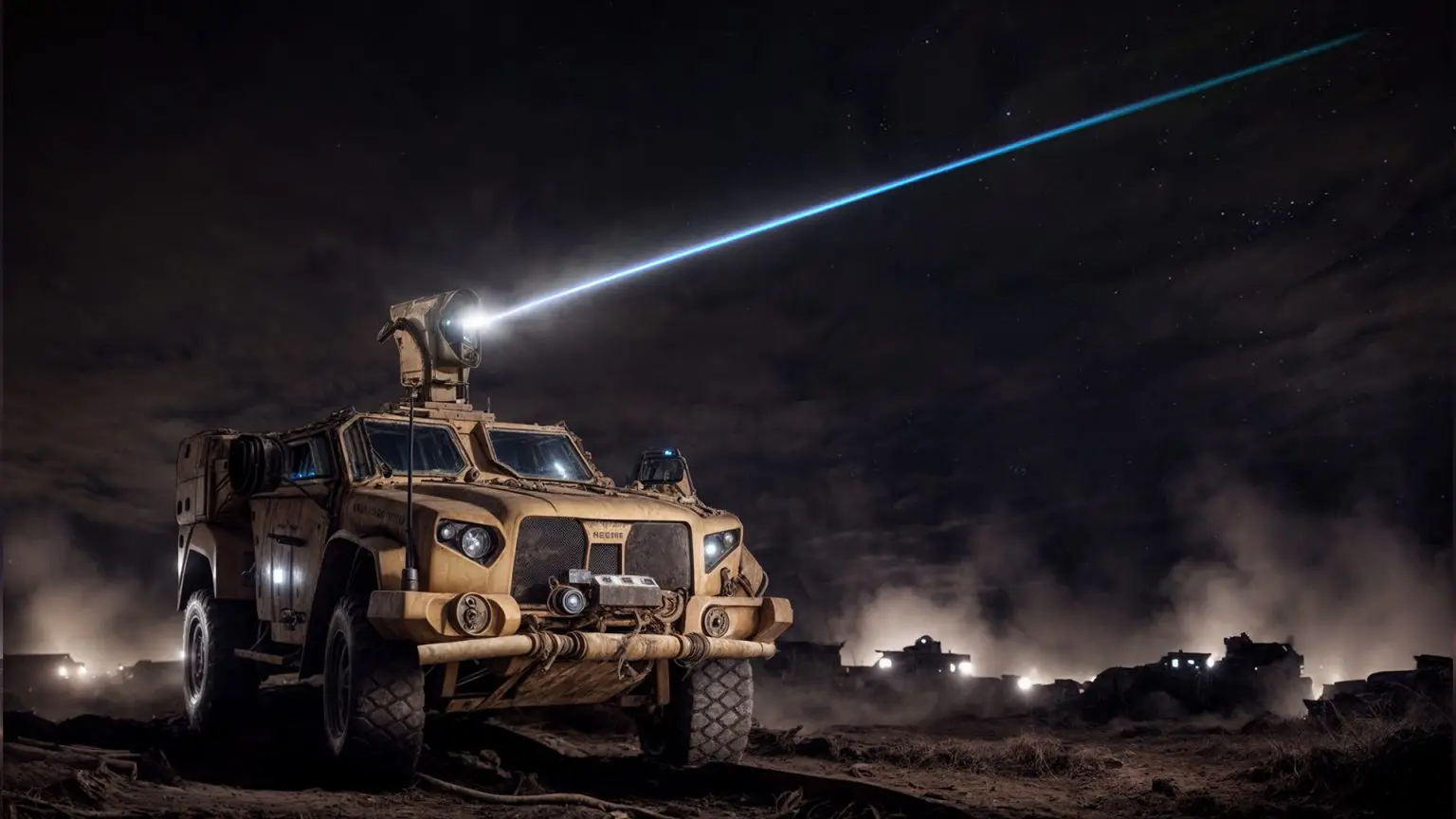
Infrared Laser Energy Concentration
Iron Beam directs high-energy infrared laser beams concentrating hundreds of kilowatts of power into a coin-sized impact area creating peak irradiance exceeding millions of watts per square centimetre. This energy concentration converts distributed electrical power into extremely high surface temperatures melting aluminium and titanium at specific points. The laser operates at infrared wavelengths penetrating atmospheric haze that would block visible light limiting traditional detection systems.

Photon Bombardment - Energy Transfer to Material
High-energy photons strike the rocket surface transferring energy through electron excitation where electrons absorb photons becoming momentarily excited to higher energy states. When excited electrons release this energy returning to normal states, heat propagates through the material causing cumulative warming. Repeated photon impact accumulates thermal energy at laser impact sites raising localised surface temperatures from ambient 20 degrees Celsius toward material melting points within microseconds.
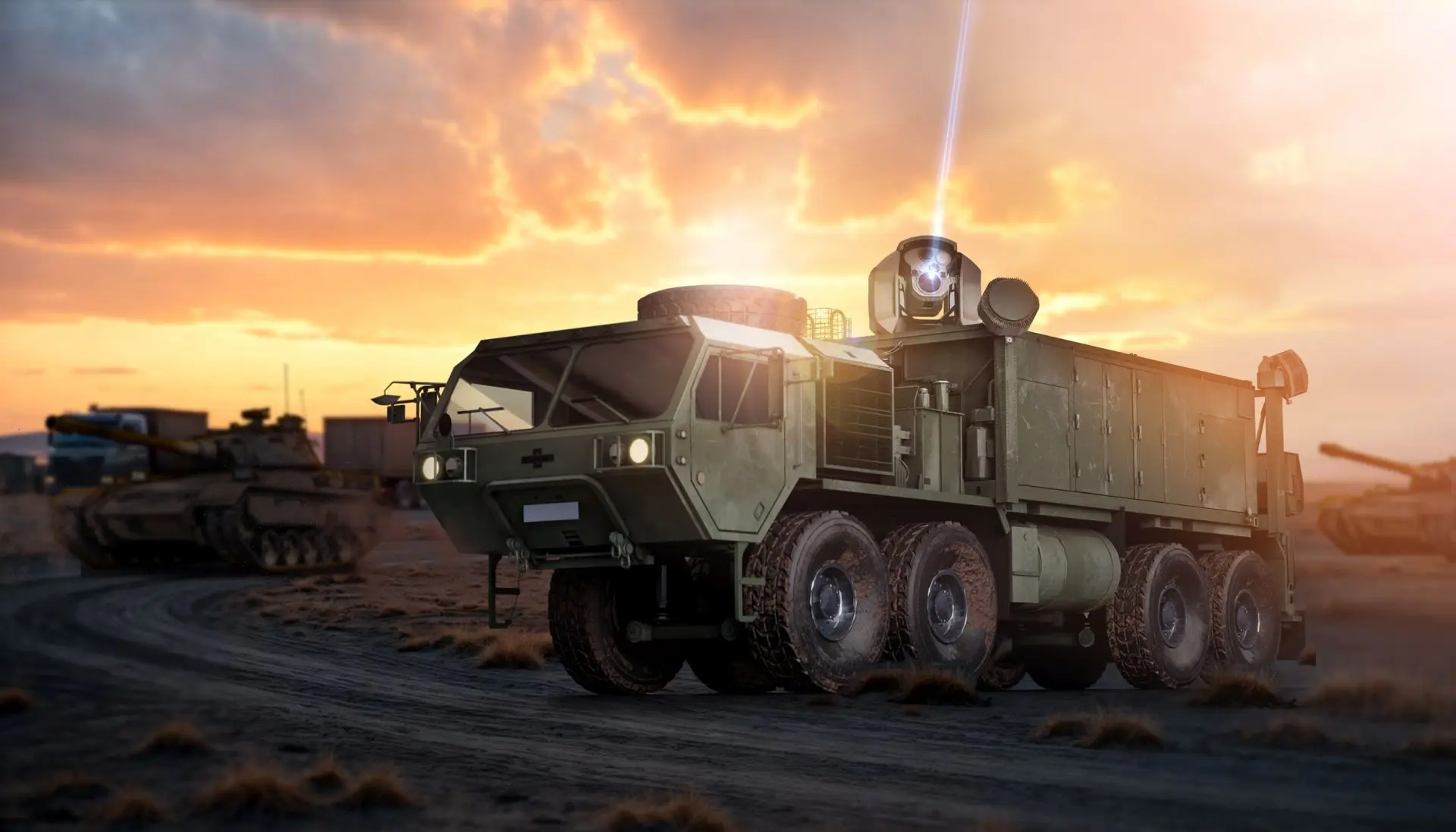
Thermal Ablation Process - Three Phases of Destruction
Iron Beam's laser initiates three sequential destruction phases beginning with thermal heating softening material elasticity, followed by melting converting solid material to liquid state, and finally vaporisation transforming liquid into gas ejecting material from target surfaces. Aluminium melts at 933 Kelvin boils at 2,743 Kelvin reaching critical temperature 6,319 Kelvin where matter transforms into plasma. Each phase requires additional energy input with vaporisation consuming significantly more energy than melting.
Aluminium Vulnerability - Rocket Material Weakness
Most rockets employ aluminium alloy construction due to light weight and strength but aluminium possesses relatively low melting temperature 933 Kelvin compared to titanium alloys melting at 1,941 Kelvin or steel 1,811 Kelvin. Laser targeting aluminium rocket bodies requires shorter dwell times penetrating structural integrity faster than hardened steel construction. Aluminium's high thermal conductivity enables rapid heat spreading through larger volumes requiring extended laser engagement to create penetrating holes.

Dwell Time Requirements - Seconds to Burnthrough
Iron Beam maintains continuous laser focus on single target points requiring three to sixteen seconds depending on range, weather, beam power, and rocket material composition to burn through structural casings creating pressure-rupturing holes. Shorter dwell times favour laser systems over missile interceptors where multiple-second engagement windows allow complete target destruction. Extended dwell requirements challenge engagement success during high-speed target manoeuvres or rapid tactical movements.
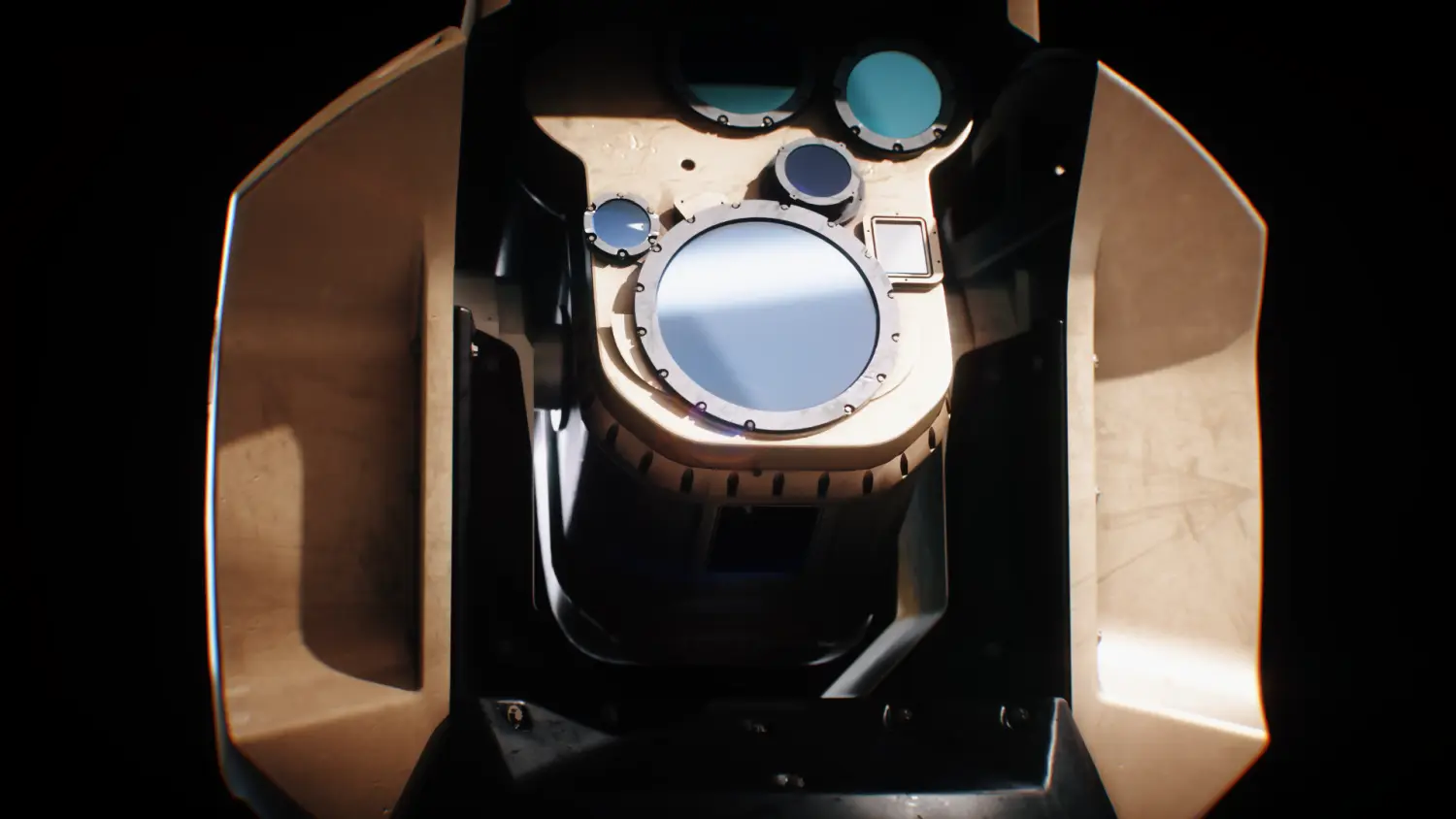
Internal Pressure Rupture - Explosive Weakening
As laser heating melts rocket casings creating small holes, internal fuel tank pressurisation forces liquid propellant escaping through laser-created apertures explosively depressurising internal systems. The structural failure mechanism combines thermal material weakening with explosive pressure release overcoming rocket structural integrity. This pressure-assisted destruction requires less material removal than complete structural penetration enabling faster burnthrough times.
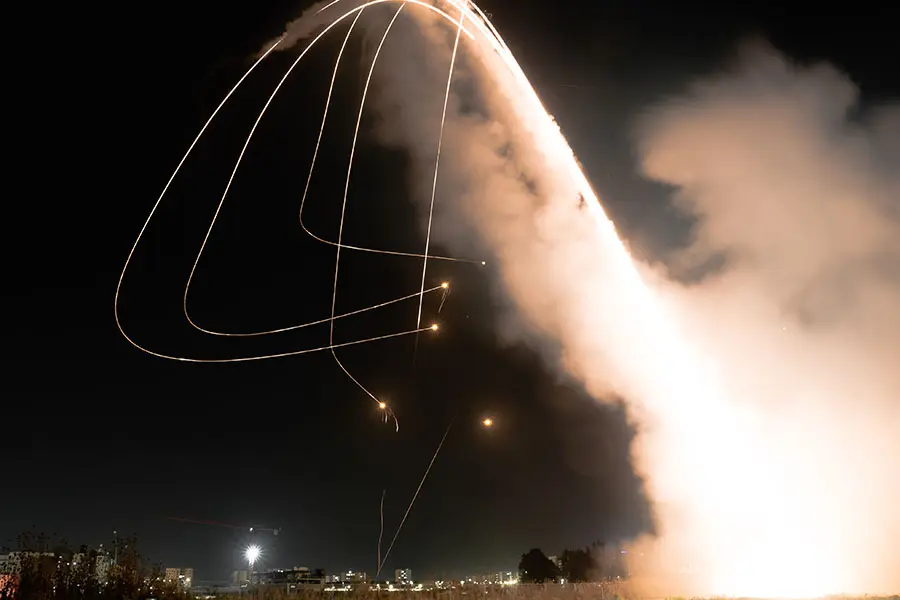
Energy Density and Power Density
Peak irradiance or optical power density measured in watts per square centimetre determines laser destructiveness with higher irradiance enabling faster ablation rates through accelerated thermal transfer. Volumetric power density accounts for laser penetration depth into target material determining ablation depth progression. Energy density fluence measured in joules per square centimetre represents cumulative energy delivered per unit area determining total material removal.
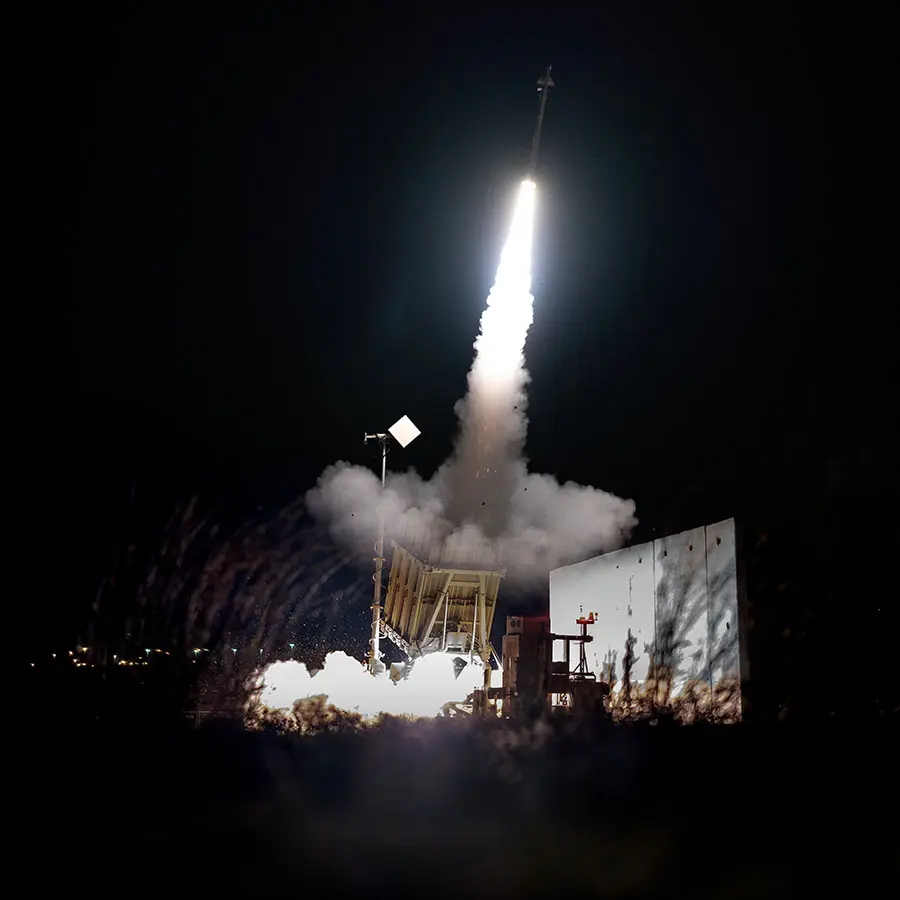
Material Phase Transitions - Melting and Vaporisation Heat Requirements
Aluminium requires 1.71 × 10⁴ joules per mole latent heat of melting but vaporisation requires 2.84 × 10⁵ joules per mole representing 16-times greater energy requirement vaporising material compared to melting. Iron Beam focuses laser energy creating surface temperatures exceeding boiling points forcing immediate vaporisation bypassing melting phase accelerating material removal. This thermodynamic advantage enables high-energy lasers penetrating through solid material faster than gradual thermal heating.

Atmospheric Distortion Compensation
Rocket speed, mechanical vibration, and atmospheric turbulence distort laser beams requiring adaptive optics and AI-assisted stabilisation maintaining perfect focus despite environmental disruptions. Wavefront sensors measure distortion enabling real-time mirror adjustment compensating for atmospheric effects within milliseconds. Without adaptive compensation, beam divergence increases with range reducing irradiance preventing material ablation at long distances.
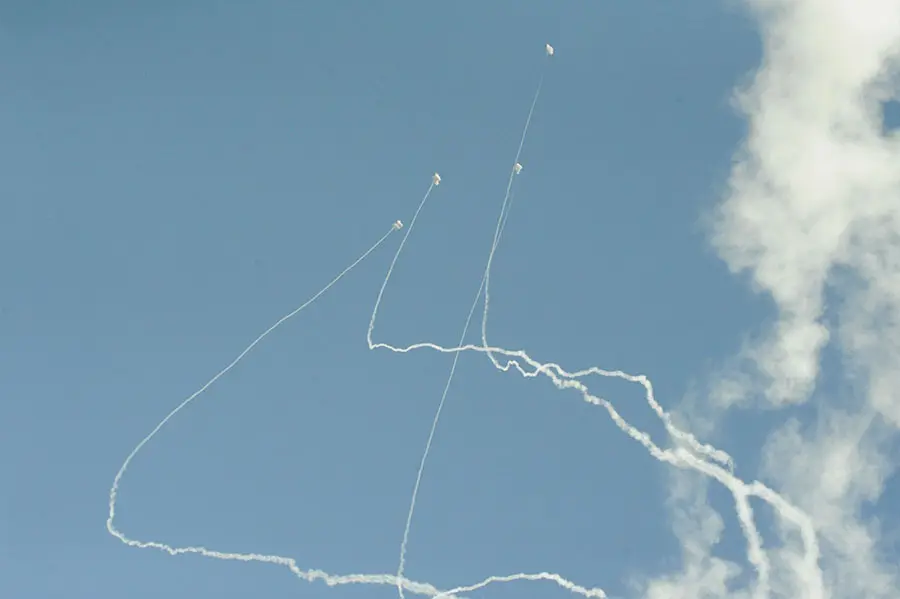
Warheads fragmenting into debris
Unlike explosive warheads fragmenting into debris, laser ablation removes material through vaporisation leaving only thermal damage zones without shrapnel hazards enabling safe deployment near populated areas. Vaporised material expands as gas without explosive force preventing secondary damage from warhead fragmentation. This debris-free characteristic enables urban air defence previously impossible with missile systems requiring blast zone clearance.
)
)
)
)
)