Perfect maneuver at high altitude: What helps the Agni-V missile achieve it

Agni-V uses Ring Laser Gyros and high-speed computers to maintain a precise flight path at high altitudes for global accuracy.
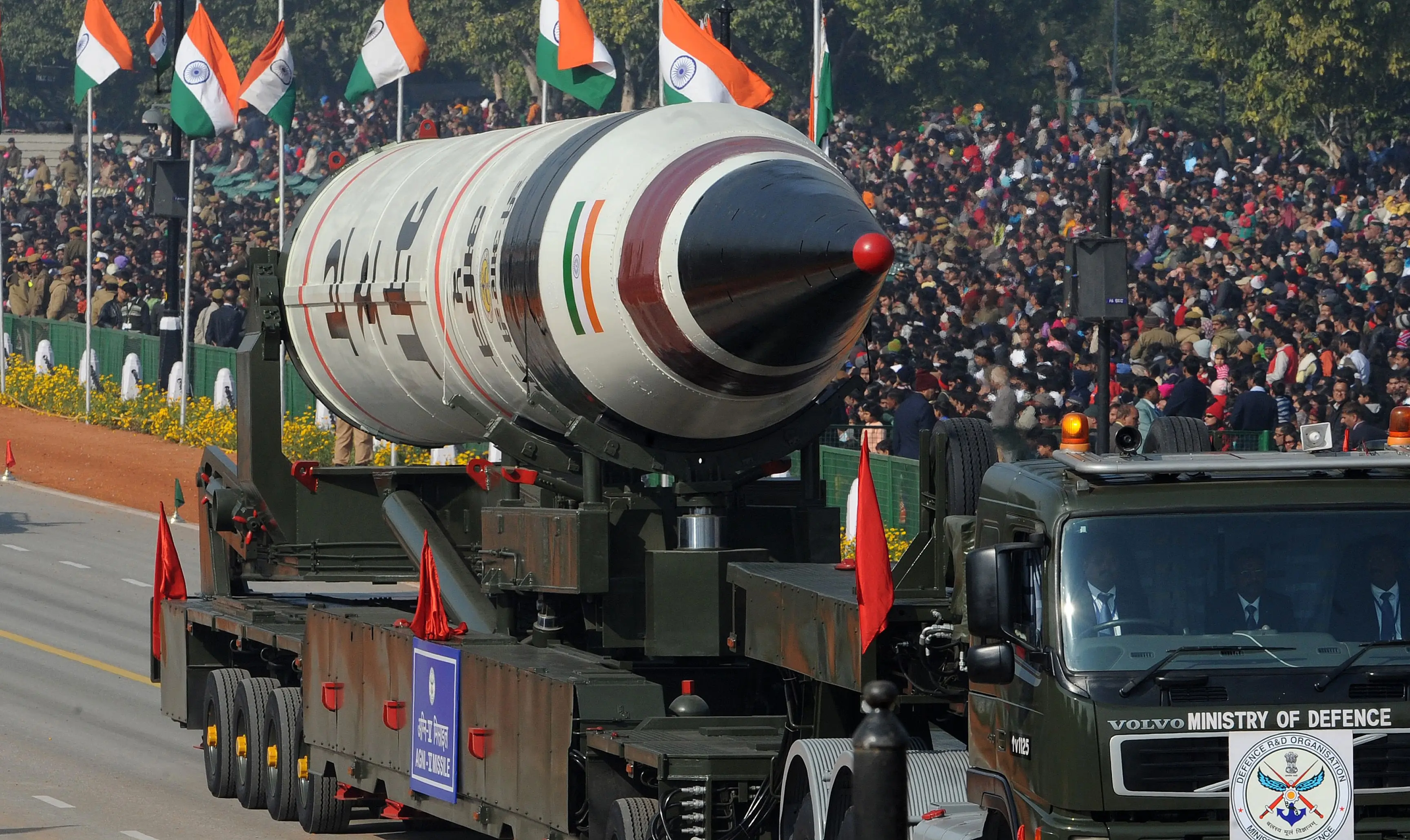
Advanced Ring Laser Gyros
The missile uses a high-precision Ring Laser Gyro-based Inertial Navigation System (RINS). This technology allows the Agni-V to track its position with extreme accuracy without external signals.
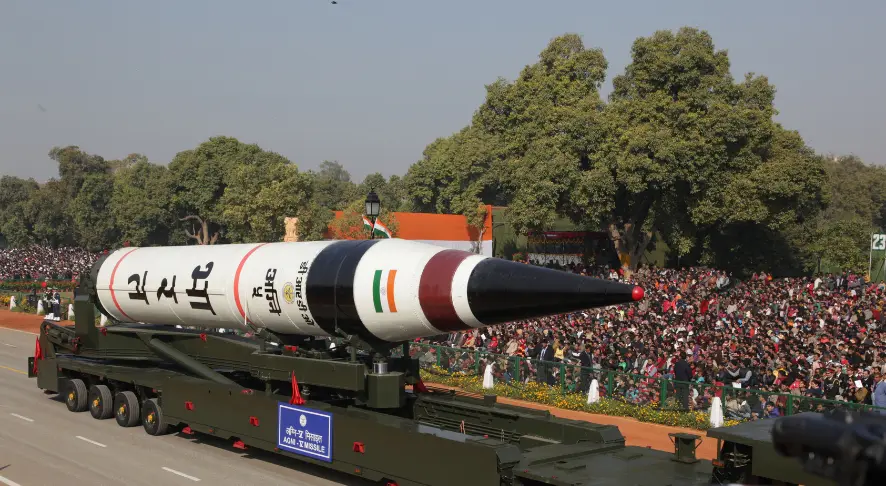
High-speed on-board computers
On-board mission computers process vast amounts of flight data in real-time to adjust the trajectory. These systems ensure the missile remains on its intended path even at speeds up to Mach 24.
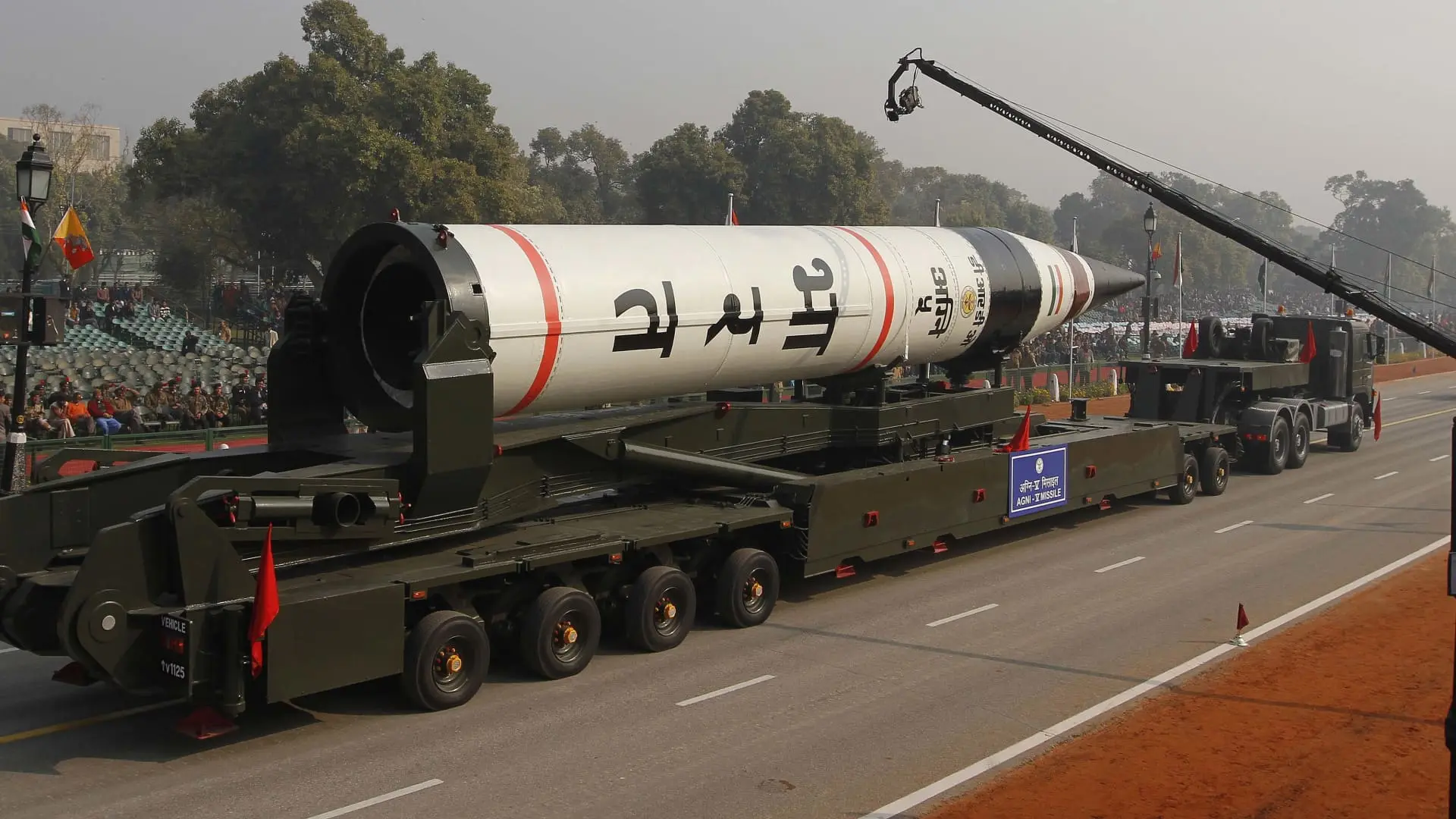
Micro-navigation technology
The Agni-V is equipped with a Micro-Navigation System (MINGS) to assist in fine-tuning its flight. This provides the precision required to hit targets within a very small circular error probable.
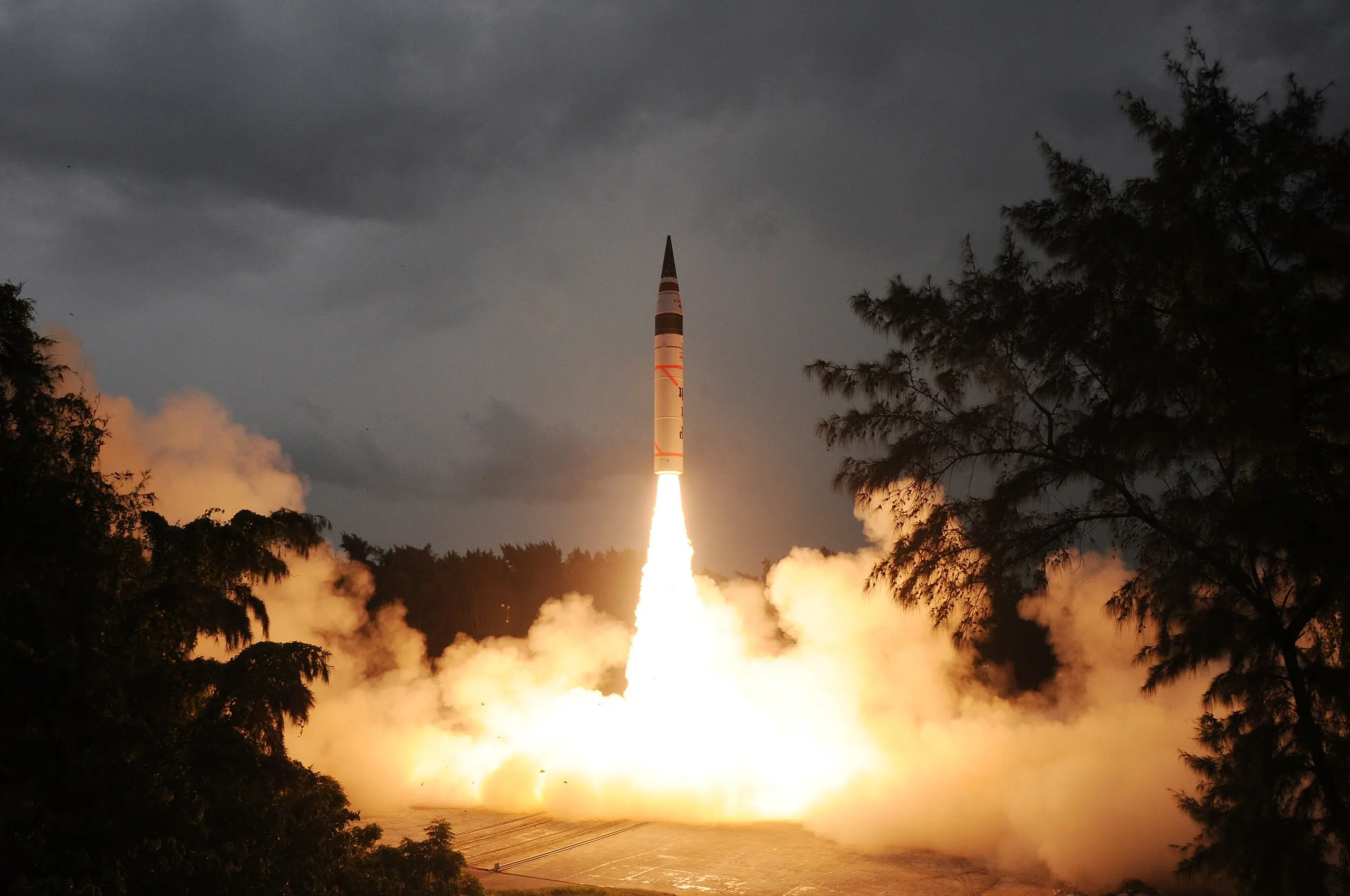
Three-stage solid propulsion
The missile’s three stages use solid fuel to provide consistent thrust at varying atmospheric pressures. This ensures stable flight and predictable manoeuvres as the missile exits and re-enters the atmosphere.
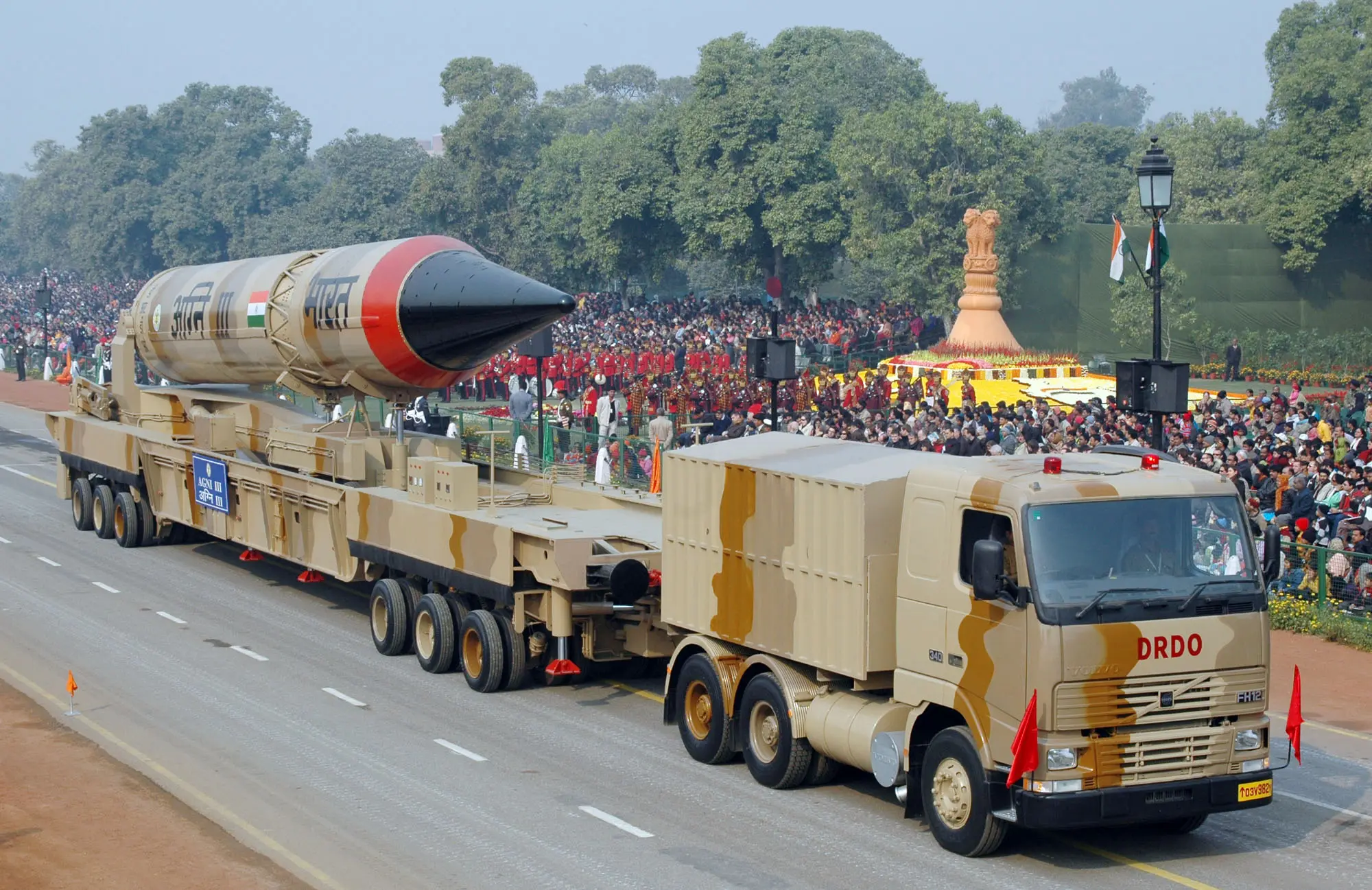
Thrust vector control systems
Specialised nozzles adjust the direction of the engine exhaust to steer the missile at high altitudes. This mechanism allows for sharp, precise corrections in the thin upper atmosphere.
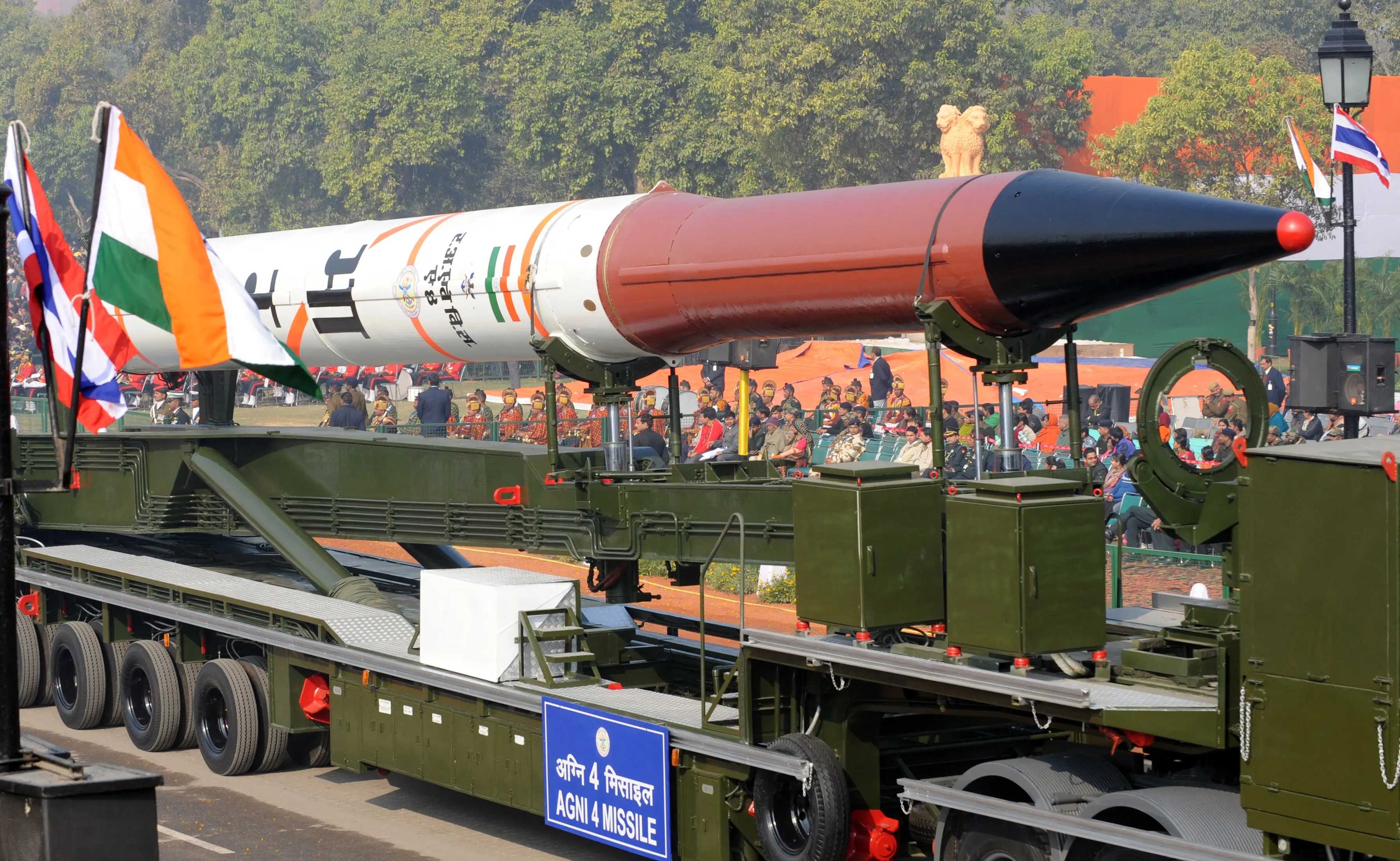
Carbon-composite heat shields
High-altitude re-entry involves extreme temperatures that can affect the missile's sensitive electronics. Advanced carbon-carbon composites protect the guidance systems, ensuring they function until the final impact.
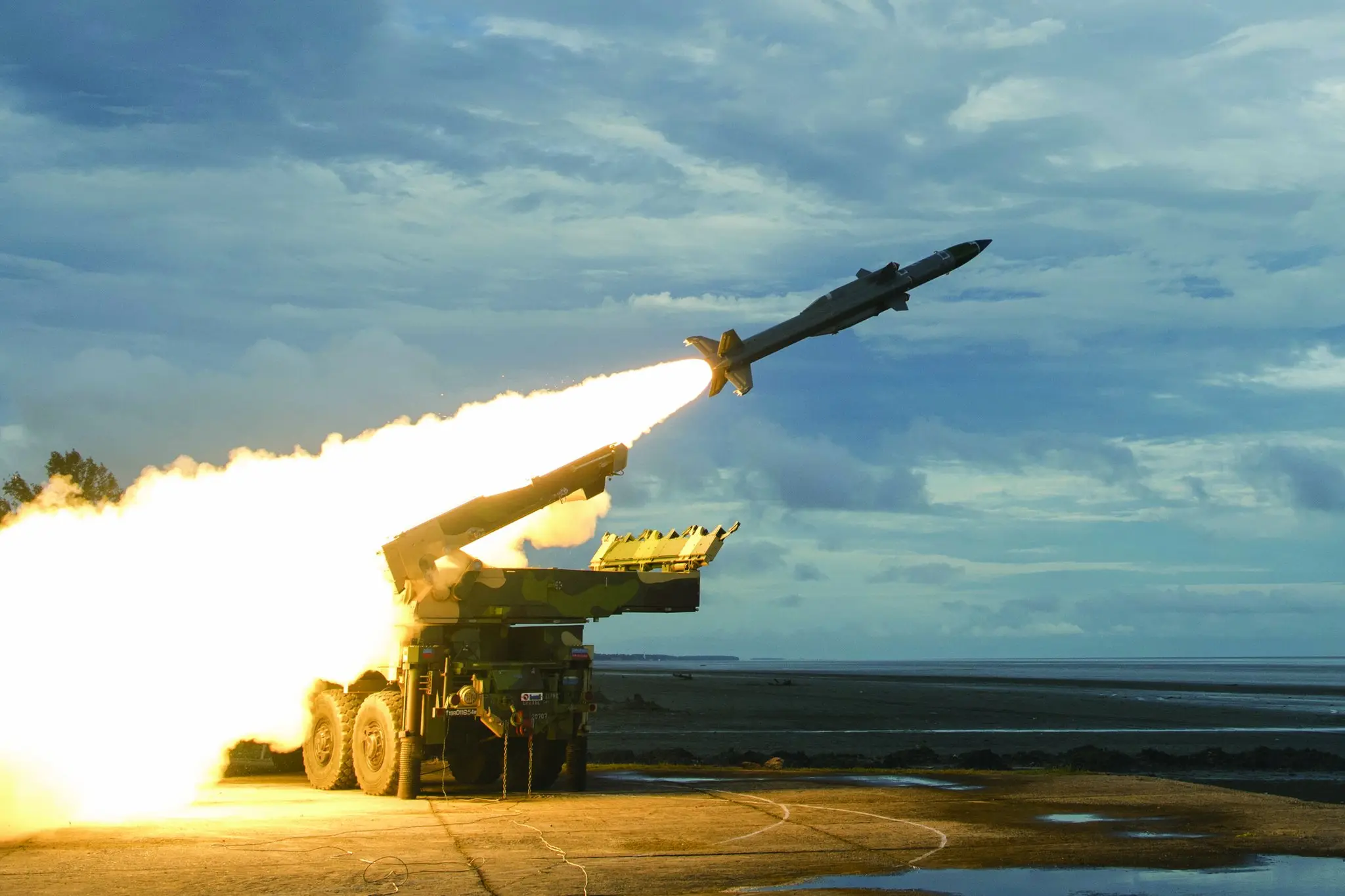
MIRV capability manoeuvres
In its latest version, Agni-V can deploy multiple warheads to different locations at high altitudes. The missile performs complex manoeuvres to release each warhead on an independent, precise trajectory.
)
)
)
)
)