Pentagon’s Playbook: 5 ways US could strike Iran amidst the 2026 uprising

In a modern hybrid war, the first strike is often silent. The US Cyber Command could launch an aggressive offensive designed to paralyse the regime’s command and control (C2) infrastructure while simultaneously piercing the state-imposed internet blackout.
1. The Context: A Regime on the Brink
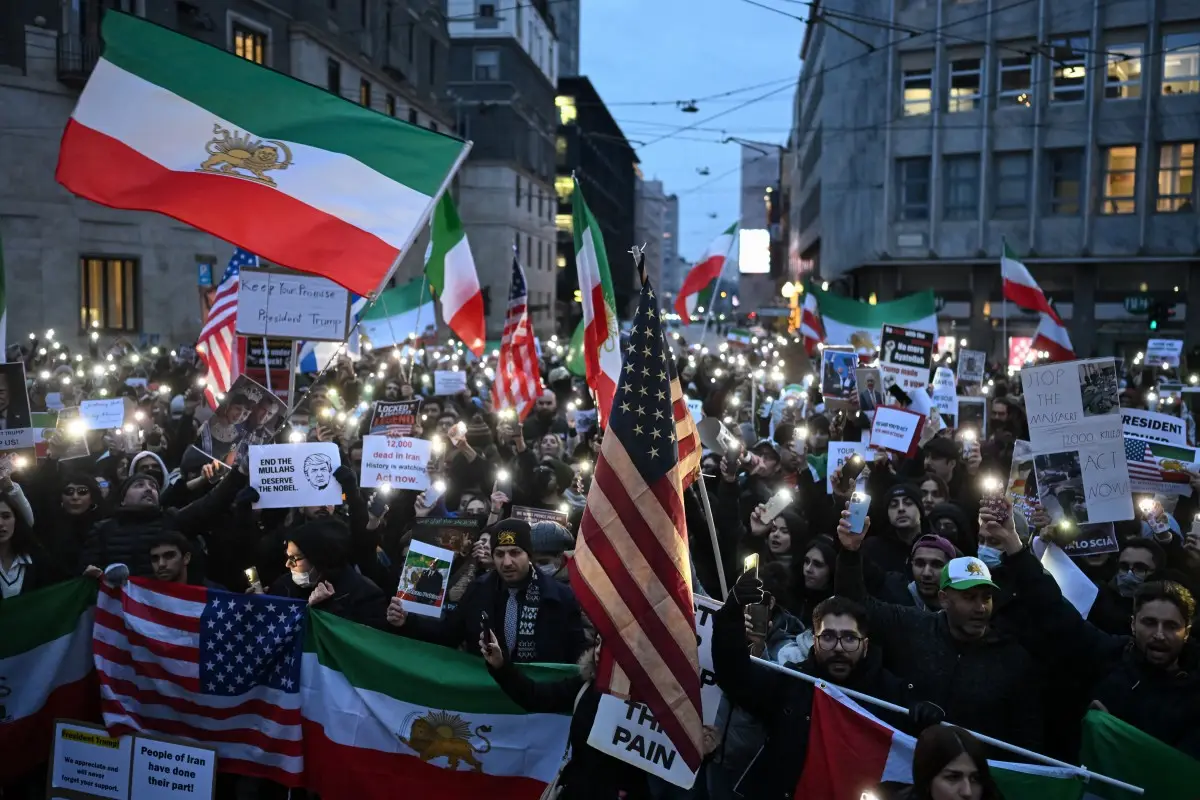
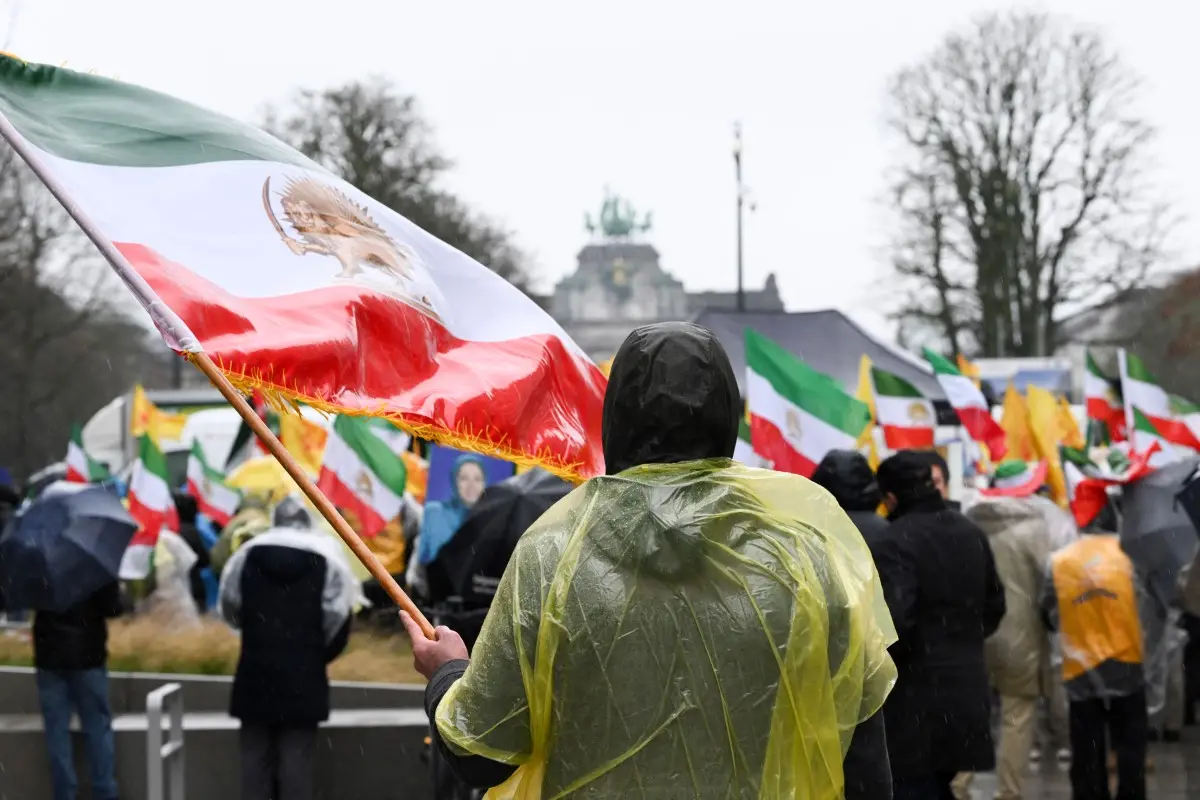
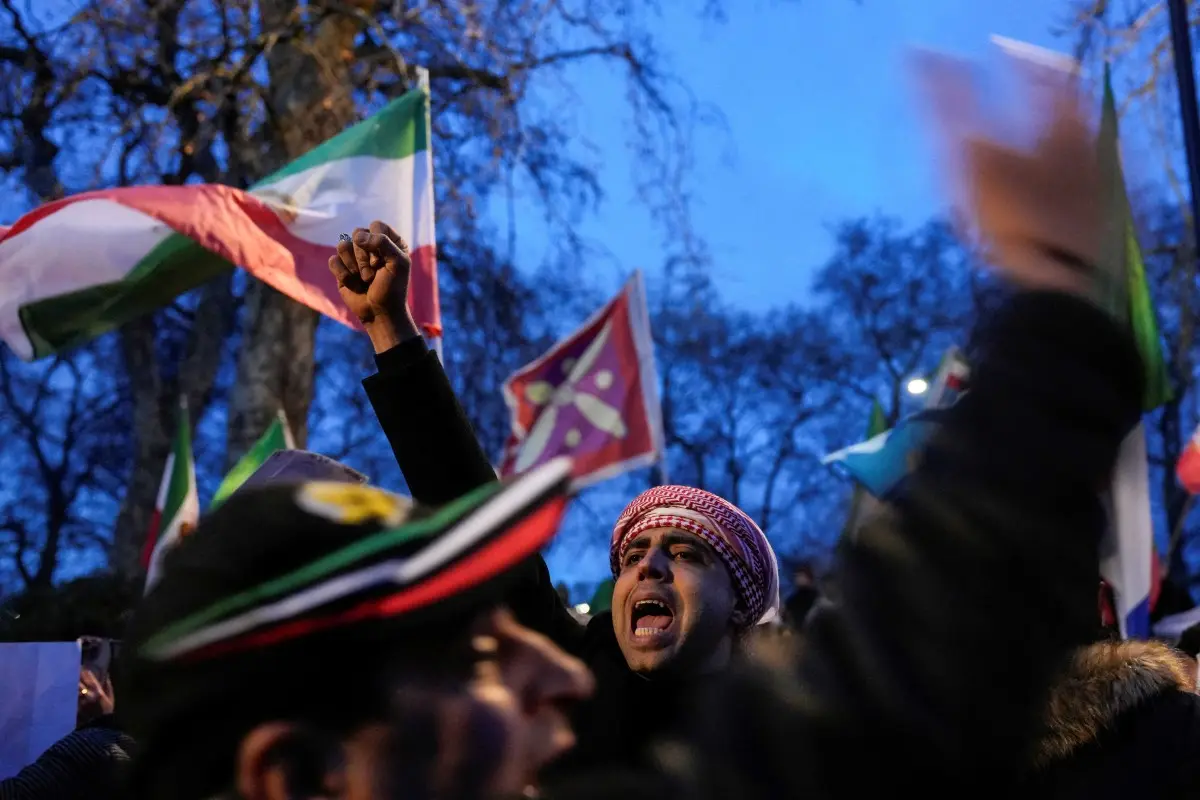
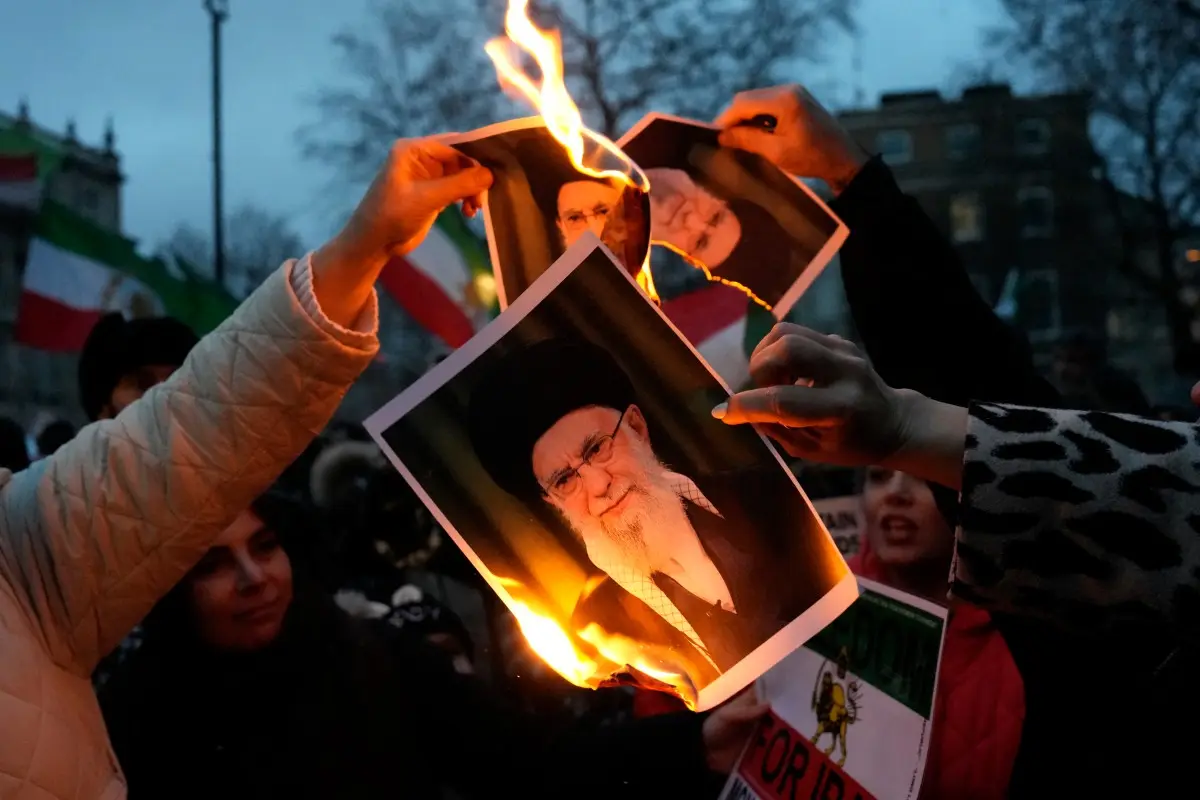
As of mid-January 2026, the Islamic Republic faces its gravest existential threat since 1979. What began in late December 2025 as economic unrest sparked by the collapse of the Rial has morphed into a nationwide uprising, with protesters flying the pre-revolutionary 'Lion and Sun' flag. Following the brutal crackdown that has reportedly left thousands dead, US President Donald Trump has issued a stark ultimatum, warning that Washington will "intervene" if the violence against civilians continues. With diplomatic channels reportedly severed and US forces in the region on high alert, strategic analysts believe the White House is weighing kinetic options to tip the scales in favour of the demonstrators.

2. Aerial Dominance: Degrading the IRGC’s Iron Fist
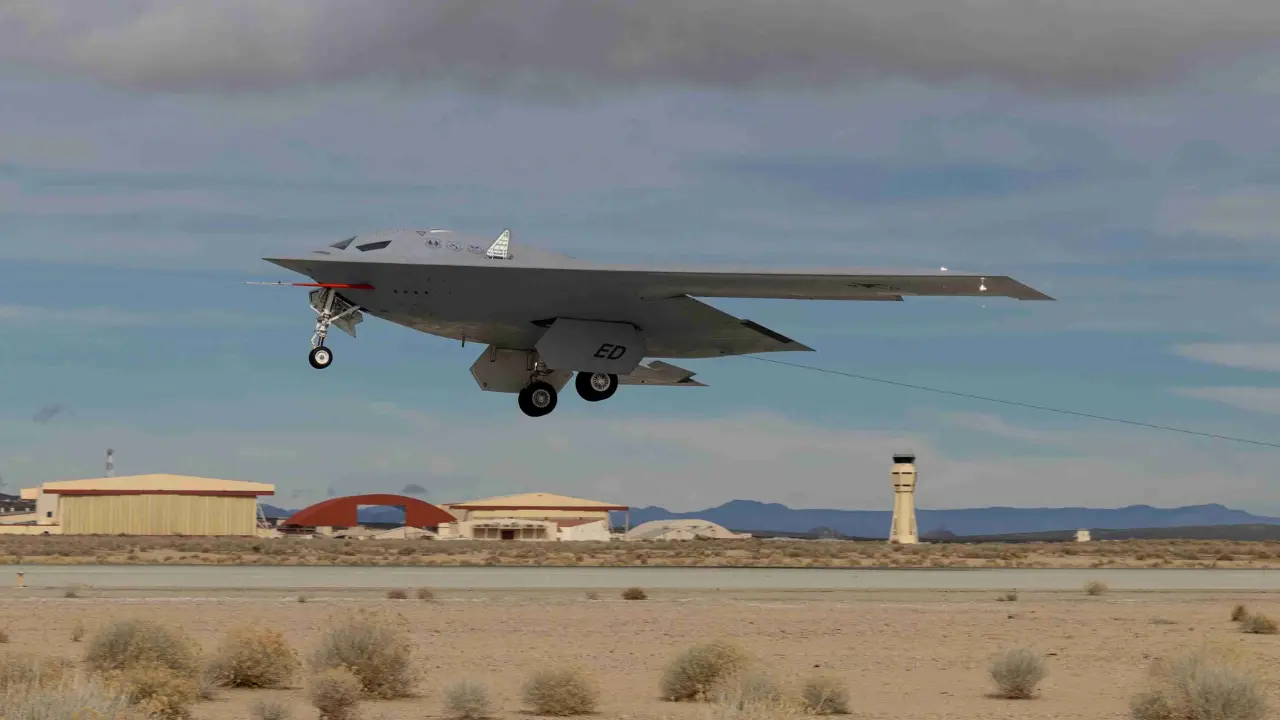
The most immediate conventional option available to US commanders is a campaign of precision airstrikes targeting the Islamic Revolutionary Guard Corps (IRGC) and the Basij paramilitary forces. Unlike previous conflicts focused on nuclear sites, this campaign would likely focus on the regime's internal suppression apparatus, barracks, command centres, and vehicle depots used to mobilise anti-riot forces. Launching from bases in the Gulf (such as Al Udeid in Qatar, despite recent evacuations of non-essential personnel), US aircraft could degrade the regime's ability to coordinate its crackdown, effectively clearing the streets for protesters.
3. Cyber-Kinetic Warfare: The 'Blackout' Strategy
In a modern hybrid war, the first strike is often silent. The US Cyber Command could launch an aggressive offensive designed to paralyse the regime’s command and control (C2) infrastructure while simultaneously piercing the state-imposed internet blackout. This would involve crippling the internal communications networks used by security forces to coordinate movements, effectively blinding the regime commanders. Concurrently, the US could deploy advanced electronic warfare assets to override Iranian jamming attempts, flooding the country with satellite internet access (leveraging networks like Starlink) to allow protesters to organise and broadcast evidence of atrocities to the world.
4. Stand-off Missile Barrages: The Tomahawk Option
With reports suggesting the US Navy has thinned its carrier presence in the immediate vicinity, a 'stand-off' attack remains a highly viable option. US guided-missile destroyers currently operating in the Red Sea and nuclear-powered submarines in the Persian Gulf possess the capability to launch waves of Tomahawk Land Attack Missiles (TLAMs). This strategy allows the US to strike high-value targets, such as drone manufacturing plants or ballistic missile silos, without risking pilots or requiring a massive naval buildup. This method mirrors the tactics used during the June 2025 '12-Day War', reminding Tehran that US reach remains undiminished.
5. Targeting the Arteries: Energy Infrastructure Strikes
The Iranian economy is already in freefall, which was the catalyst for the current unrest. The US could choose to deliver a final economic coup de grâce by targeting key energy infrastructure, specifically oil refineries and export terminals like those on Kharg Island. While this carries the risk of spiking global oil prices, it would instantly bankrupt the regime, cutting off the funds required to pay the security forces currently suppressing the population. Proponents argue that unpaid security forces are more likely to defect, a critical tipping point for the revolution's success.
6. Decapitation Strikes: Removing the Leadership
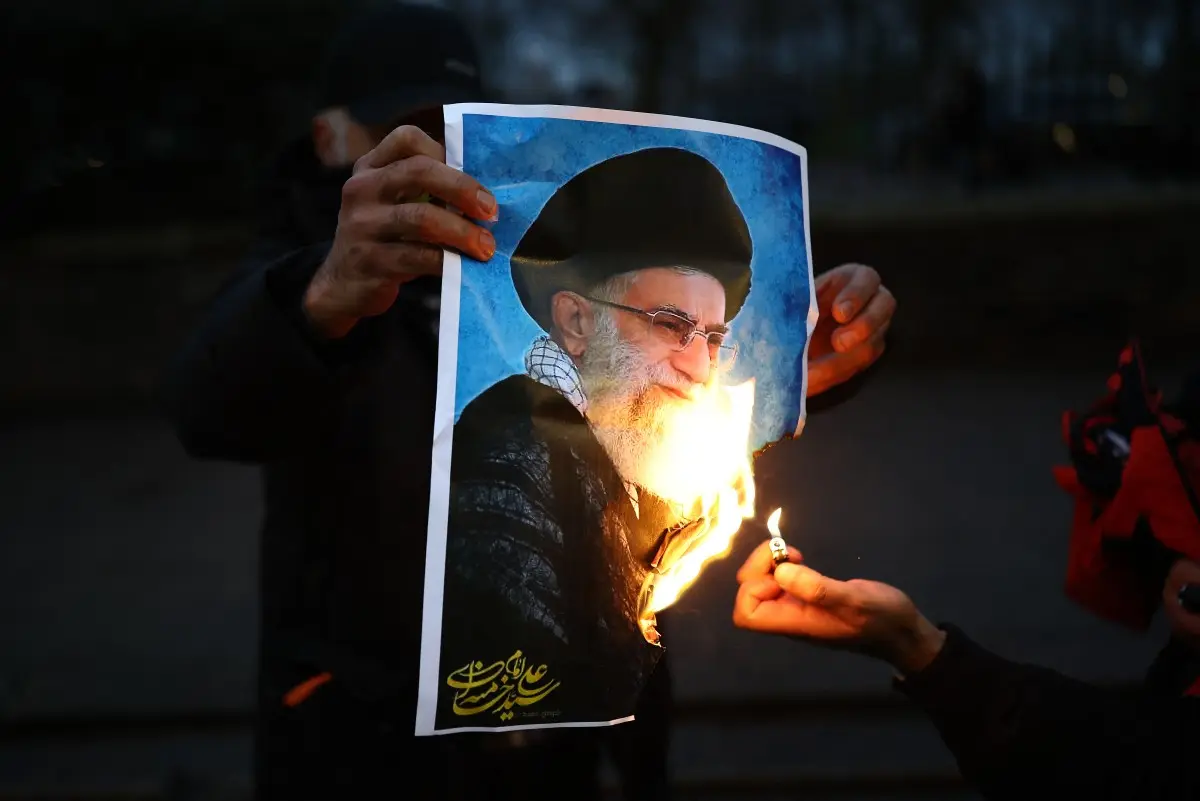
If the escalation reaches a fever pitch, the US may opt for 'decapitation strikes' targeting specific high-ranking IRGC generals or intelligence directors deemed responsible for the killing of protesters. Similar to the 2020 strike on Qasem Soleimani, this option relies on high-grade intelligence to conduct drone strikes on moving convoys or leadership bunkers. The psychological impact of such strikes would be immense, signaling to the regime's upper echelon that no one is safe, potentially causing fracturing and paranoia within the leadership circle.
7. The Aftermath: A Region in the Balance
Any military intervention carries the risk of a broader regional conflagration. Tehran has already threatened to unleash its remaining proxy networks in Iraq, Syria, and Yemen against US assets should Washington attack. However, intelligence assessments suggest that Iran’s proxy network is significantly degraded following the conflicts of 2024-2025. The ultimate goal of these US options is not necessarily a full-scale invasion, but a strategic 'shove' to fracture the regime's cohesion, allowing the domestic uprising to complete the overthrow of the Islamic Republic.
)
)
)
)
)