Pentagon dismisses claims of six-month timeline for Hormuz mine clearance

Pentagon has officially denied report claiming it could take six months to clear Iranian mines from the Strait of Hormuz. Spokesperson Sean Parnell called the leaked assessment from a classified briefing "false" and "dishonest," asserting that a prolonged closure is unacceptable.

Pentagon in denial
The Pentagon on Thursday (Apr 23) issued a sharp denial of reports suggesting that the US military has assessed it could take up to six months to clear the Strait of Hormuz of Iranian-laid mines. The rebuttal follows a news outlet Washington Post report on Wednesday (Apr 22), which cited classified briefings where lawmakers were allegedly warned that the vital energy corridor could remain compromised long into late 2026.

'False' information claims Pentagon
Chief Pentagon spokesperson Sean Parnell lambasted the report, calling it "dishonest journalism" based on "cherry-picked" and "false" information from a closed-door briefing with the House Armed Services Committee.
"One assessment does not mean the assessment is plausible," Parnell told reporters on Thursday. "A six-month closure of the Strait of Hormuz is an impossibility and completely unacceptable to the Secretary."

'US forces destroying Iranian vessels'
"One assessment does not mean the assessment is plausible," Parnell told reporters on Thursday (Apr 23). "A six-month closure of the Strait of Hormuz is an impossibility and completely unacceptable to the Secretary."
While Parnell acknowledged that the military conducts various "worst-case" contingency planning, he refused to specify a public timeline for the clearance operations, noting that US forces are currently destroying Iranian "mine-dropper" vessels with "ruthless precision."
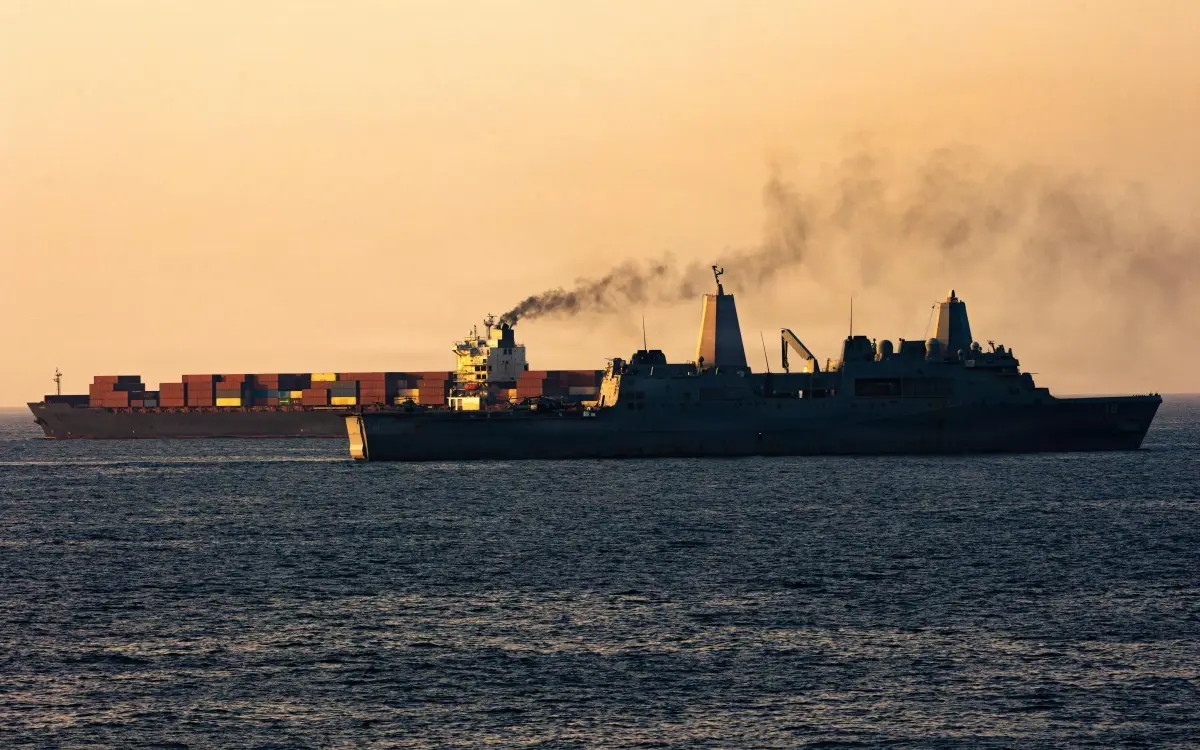
The challenge of GPS-guided mines
The original report sparked bipartisan frustration on Capitol Hill, with sources claiming the Pentagon briefed lawmakers on the presence of at least 20 high-tech mines. These devices reportedly utilise GPS-guided technology and "remote-floating" capabilities, making them significantly harder to detect than traditional stationary sea mines.
Further complicating the situation, the Islamic Revolutionary Guard Corps (IRGC) has declared a "danger zone" covering 1,400 square kilometers in the strait. Iranian officials have warned that they will not cooperate with mine removal or reopen the channel so long as the United States maintains its own naval blockade of Iranian ports—a move Tehran views as a violation of the current shaky ceasefire.
Market jitters and maritime safety
The prospect of a prolonged closure has sent shockwaves through global energy markets. The Strait of Hormuz typically handles one-fifth of the world’s oil and gas flows. Even a "partial" closure or the mere suspicion of a single remaining mine is enough to invalidate war-risk insurance, effectively halting commercial shipping.
"You're not going to have many captains willing to run that risk if the timeline is measured in months rather than days," noted one maritime analyst.
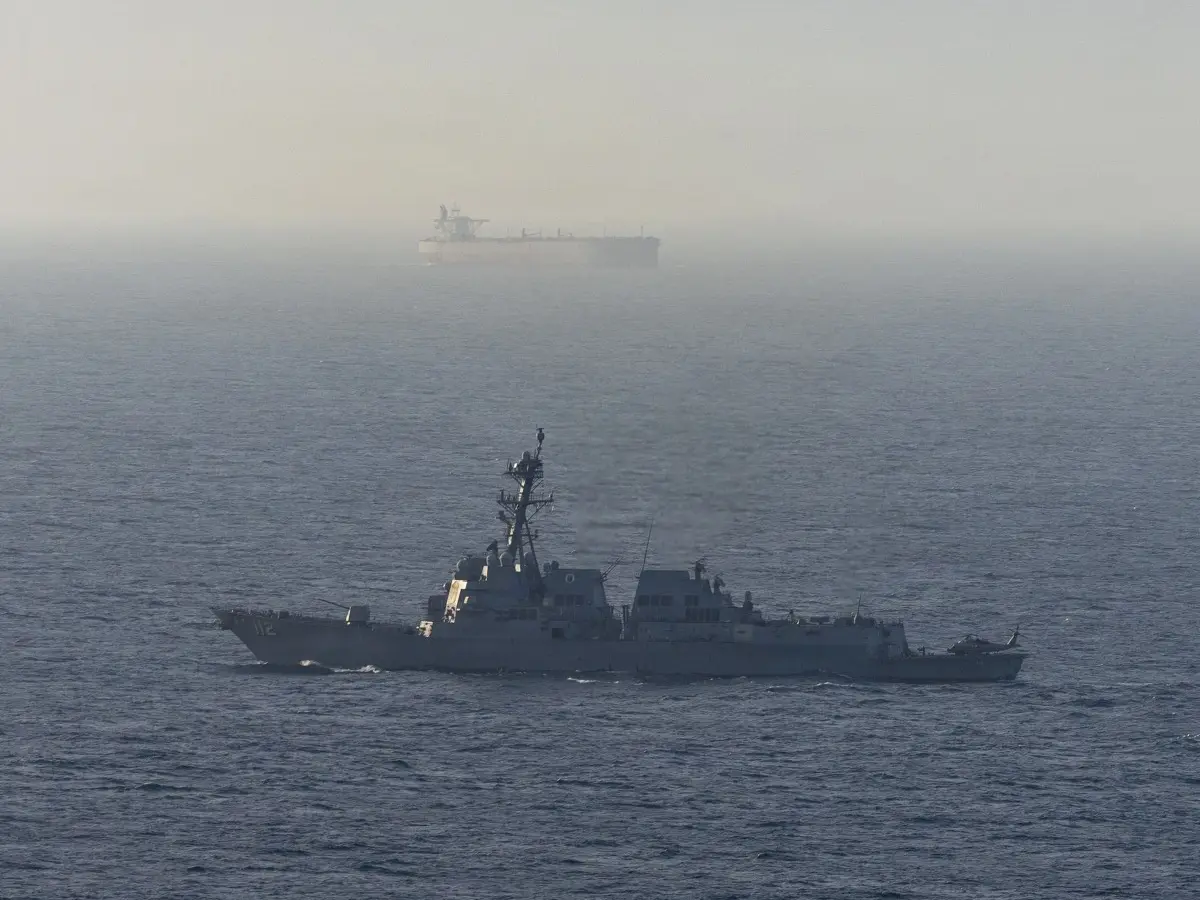
While US Central Command (CENTCOM) confirmed that the USS Frank E. Peterson and USS Michael Murphy have already begun "establishing a new passage," the Pentagon’s latest pushback aims to project confidence and prevent a permanent spike in global oil prices. As of now, the military maintains that the "Epic Fury" mine-clearing mission will be swift, despite the technical hurdles posed by Iran’s new maritime tactics.
)
)
)
)
)